• About
  • Special Reports
  • Topics
    • Climate
    • Earth Science
    • Oceans
    • Space & Planets
    • Health & Ecosystems
    • Culture & Policy
    • Education & Careers
    • Opinions
  • Projects
    • Postcards From the Field
    • ENGAGE
    • Editors’ Highlights
    • Editors’ Vox
    • Eos en Español
    • Eos 简体中文版
    • Print Archive: 2015–2025
  • Policy Tracker
  • Blogs
    • Research & Developments
    • The Landslide Blog
  • Newsletter
  • Submit to Eos
  • AGU.org
  • Career Center
  • Join AGU
  • Give to AGU
  • About
  • Special Reports
  • Topics
    • Climate
    • Earth Science
    • Oceans
    • Space & Planets
    • Health & Ecosystems
    • Culture & Policy
    • Education & Careers
    • Opinions
  • Projects
    • Postcards From the Field
    • ENGAGE
    • Editors’ Highlights
    • Editors’ Vox
    • Eos en Español
    • Eos 简体中文版
    • Print Archive: 2015–2025
  • Policy Tracker
  • Blogs
    • Research & Developments
    • The Landslide Blog
  • Newsletter
  • Submit to Eos
Skip to content
  • AGU.org
  • Career Center
  • Join AGU
  • Give to AGU
Eos

Eos

Science News by AGU

Support Eos
Sign Up for Newsletter
  • About
  • Special Reports
  • Topics
    • Climate
    • Earth Science
    • Oceans
    • Space & Planets
    • Health & Ecosystems
    • Culture & Policy
    • Education & Careers
    • Opinions
  • Projects
    • Postcards From the Field
    • ENGAGE
    • Editors’ Highlights
    • Editors’ Vox
    • Eos en Español
    • Eos 简体中文版
    • Print Archive: 2015–2025
  • Policy Tracker
  • Blogs
    • Research & Developments
    • The Landslide Blog
  • Newsletter
  • Submit to Eos

Features

An underwater photograph of black potato-sized polymetallic nodules scattered on the seafloor
Posted inFeatures

The 2-Year Countdown to Deep-Sea Mining

Jenessa Duncombe, Staff Writer by Jenessa Duncombe 24 January 202224 April 2025

A small island nation is forcing the hand of international regulators to finalize rules for deep-sea mining, but scientists say the environmental consequences are not yet clear.

A helicopter hovers in the foreground as meltwater pours from a waterfall over the edge of an ice shelf.
Posted inFeatures

The Uncertain Future of Antarctica’s Melting Ice

by Florence Colleoni, Tim Naish, Robert DeConto, Laura De Santis and Pippa L. Whitehouse 10 January 202210 January 2022

A new multidisciplinary, international research program aims to tackle one of the grand challenges in climate science: resolving the Antarctic Ice Sheet’s contribution to future sea level rise.

Yellow and orange swirls color a chunk of Navajo sandstone in Grand Staircase.
Posted inFeatures

When Climate Ruled the Dinosaurs of Grand Staircase

Mary Caperton Morton, Science Writer by Mary Caperton Morton 30 December 20219 May 2023

Living in Geologic Time: Navigate the prolific boneyards and shifting boundaries of Grand Staircase-Escalante and Bears Ears National Monuments.
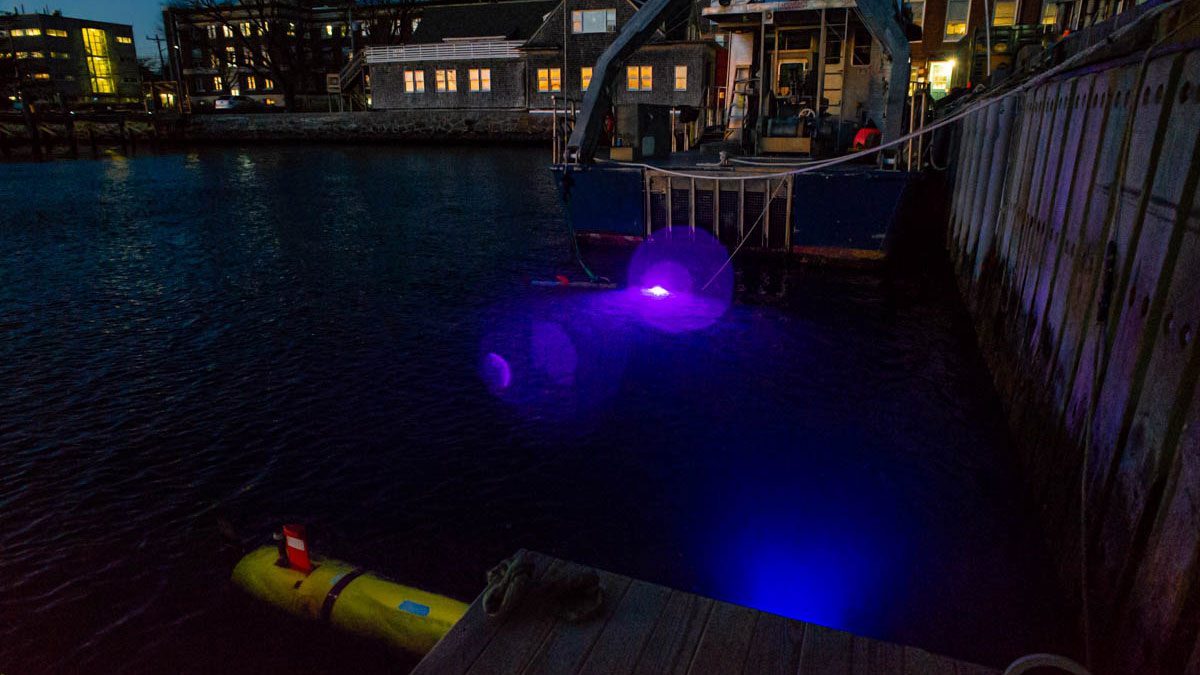
A bright blue light is seen just under the water’s surface off the back of a docked boat.
Posted inFeatures

A Bright, LED-Lit Future for Ocean Sciences

by Collin P. Ward 20 December 202118 April 2022

LEDs have taken over the global lighting market. Now it’s time for this versatile, low-cost, and energy-efficient technology to illuminate oceanic processes.

Illustration of an atom being held in place by six lasers.
Posted inFeatures

Lasers and Ultracold Atoms for a Changing Earth

by Michel Van Camp, F. Pereira dos Santos, Michael Murböck, Gérard Petit and Jürgen Müller 20 December 20219 March 2023

Applying new technology rooted in quantum mechanics and relativity to terrestrial and space geodesy will sharpen our understanding of how the planet responds to natural and human-induced changes.

Vance Farrant and his older brother, Nakoa Farrant, clear invasive plant species from the side of Kalou, a historic Kanaka Maoli freshwater fishpond in Waiale‘e, Hawai’i.
Posted inFeatures

Water Wisdom: The Indigenous Scientists Walking in Two Worlds

Jane Palmer, Science Writer by Jane Palmer 22 November 202120 December 2021

Meet the international researchers who draw on both academic training and cultural experience to help Indigenous communities protect water, restore ecosystems, and sustain traditional resources.
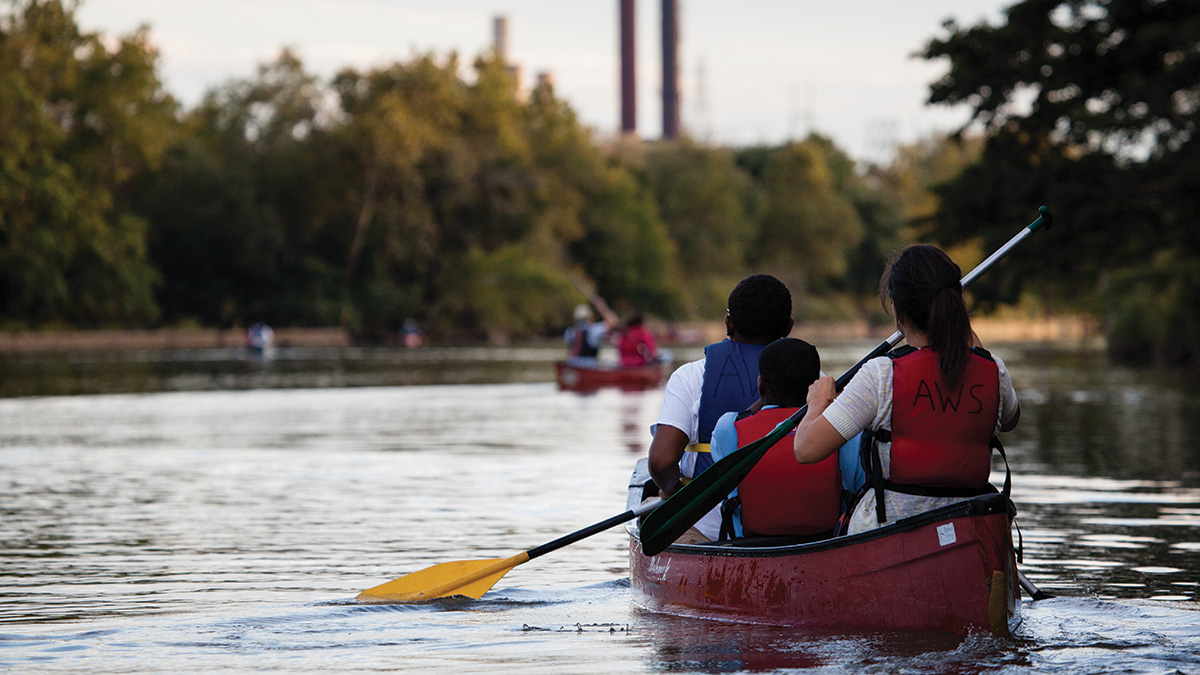
Canoers paddle along the Anacostia near Kenilworth Park in Washington, D.C.
Posted inFeatures

The Capital’s Waterways Could Be Swimmable by 2030

Mark Betancourt, Freelance Journalist by Mark Betancourt 22 November 202124 November 2021

Scientists, community groups, and the Clean Water Act are behind Washington, D.C.’s massive project to reduce combined sewer overflows by 96%.
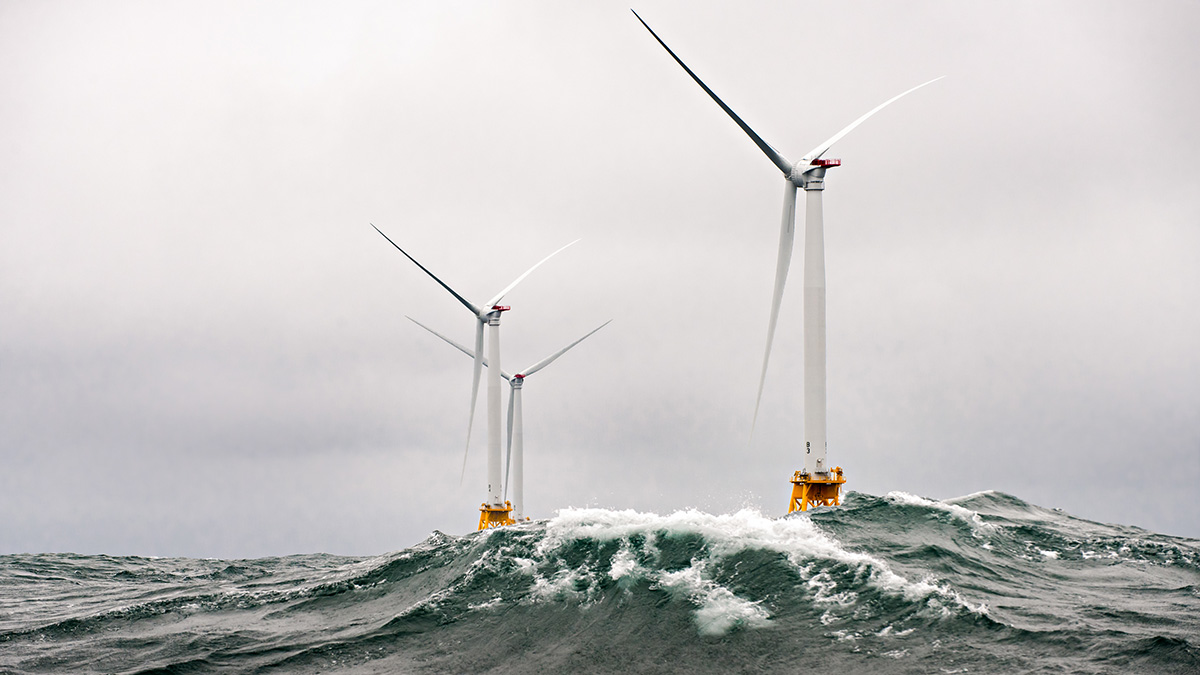
Offshore wind farm off Block Island, R.I.
Posted inFeatures

Ocean Terrain and the Engineering Challenges for Offshore Wind Farms

Katherine Kornei, Science Writer by Katherine Kornei 22 November 202122 November 2021

Deep coastal seabeds, glacial erratics, and other geophysical hurdles stand in the way of offshore wind farm proliferation. Researchers, engineers, and organizations are adapting and inventing ways to harness the breeze.

A van drives through a flooded street in downtown Miami on a sunny day.
Posted inFeatures

The Benefits of Better Ocean Weather Forecasting

by Charlotte DeMott, Ángel G. Muñoz, Christopher D. Roberts, Claire M. Spillman and F. Vitart 12 November 202118 October 2022

Improvements in our ability to forecast oceanic conditions weeks to months in advance will help communities, industries, and other groups prepare amid a changing climate.
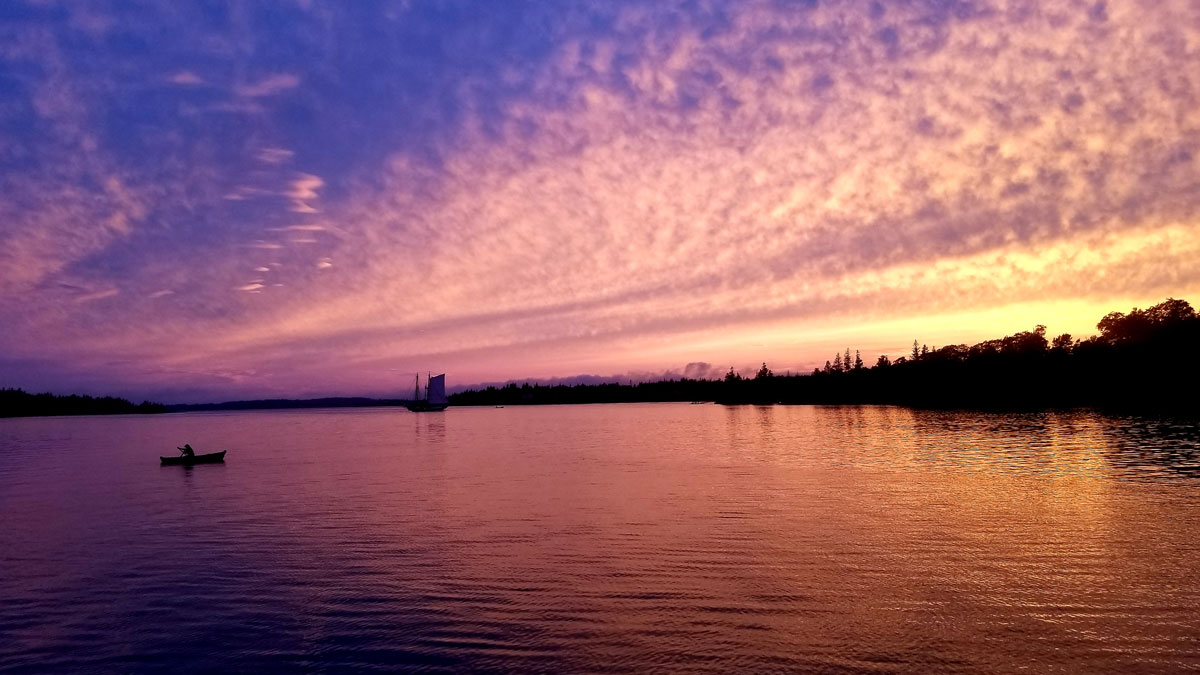
Sunset on the Maine coast from the deck of the schooner Victory Chimes, with one of the ship’s small dories and another sailboat on the horizon.
Posted inFeatures

Windjamming on the Warming Gulf of Maine

Mary Caperton Morton, Science Writer by Mary Caperton Morton 10 November 202130 June 2025

Living in Geologic Time: A sailing venture reveals economic upheaval along Maine’s enduring coast.

Posts pagination

Newer posts 1 … 20 21 22 23 24 … 45 Older posts
Over a dark blue-green square appear the words Special Report: The State of the Science 1 Year On.

Features from AGU Publications

Research Spotlights

Using Machine Learning Techniques for Polar Vortex Predictions

20 October 202620 October 2026
Editors' Highlights

Equatorial Pacific Warming Pattern Mitigated by Slow Ocean Adjustment

19 October 202619 October 2026
Editors' Vox

Where Fire Ends, Chemistry Begins

30 September 202630 September 2026
Eos logo at left; AGU logo at right

About Eos
ENGAGE
Awards
Contact

Advertise
Submit
Career Center
Sitemap

© 2026 American Geophysical Union. All rights reserved Powered by Newspack