
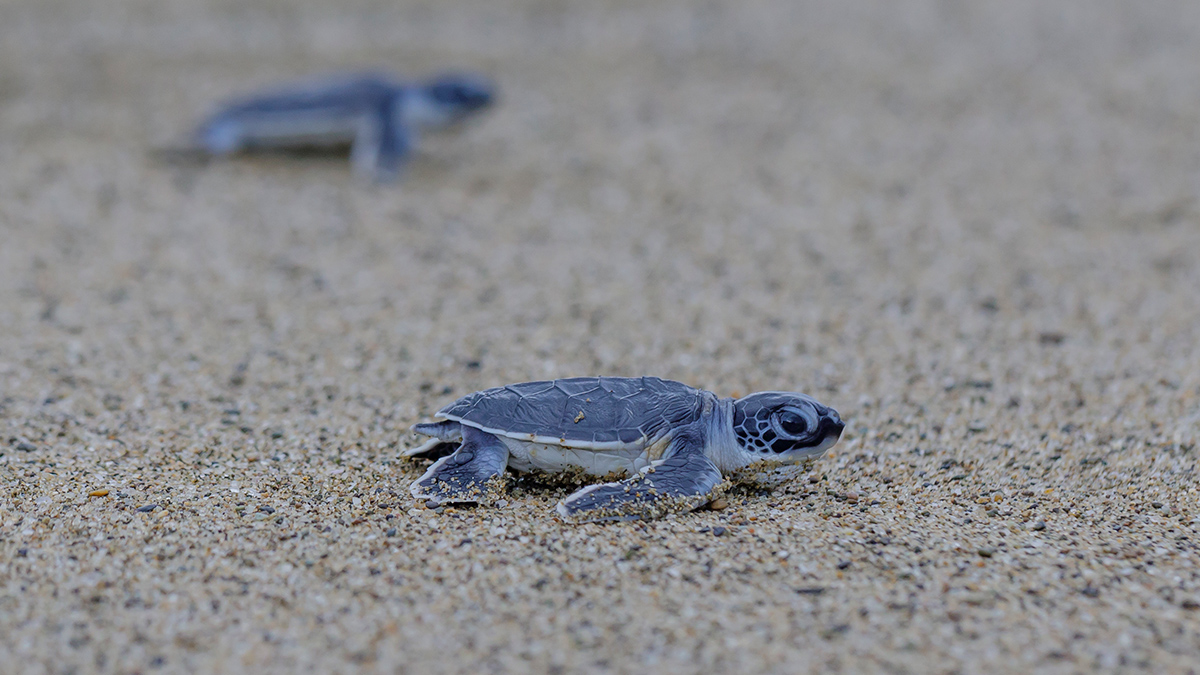
A new study looks at how sea turtle nesting sites may be affected as sea levels rise and sandy beaches erode.
Research Spotlights
Research spotlights are plain-language summaries of recent articles published in AGU’s suite of 24 journals.
Posted inResearch Spotlights
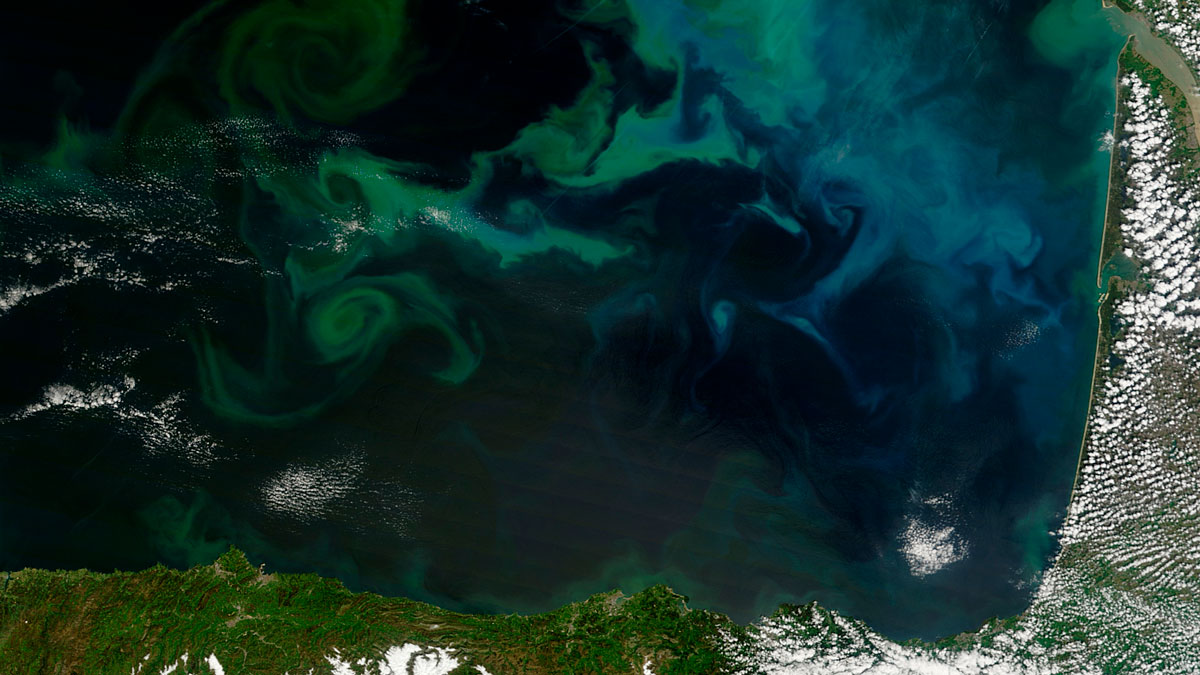
Global Observations Reveal Rapid Reorganization of Ocean Nutrients

Data reveal that changes in nutrient levels vary depending on depth and distance from shore—and that these changes are happening more quickly than scientists realized.
Posted inResearch Spotlights
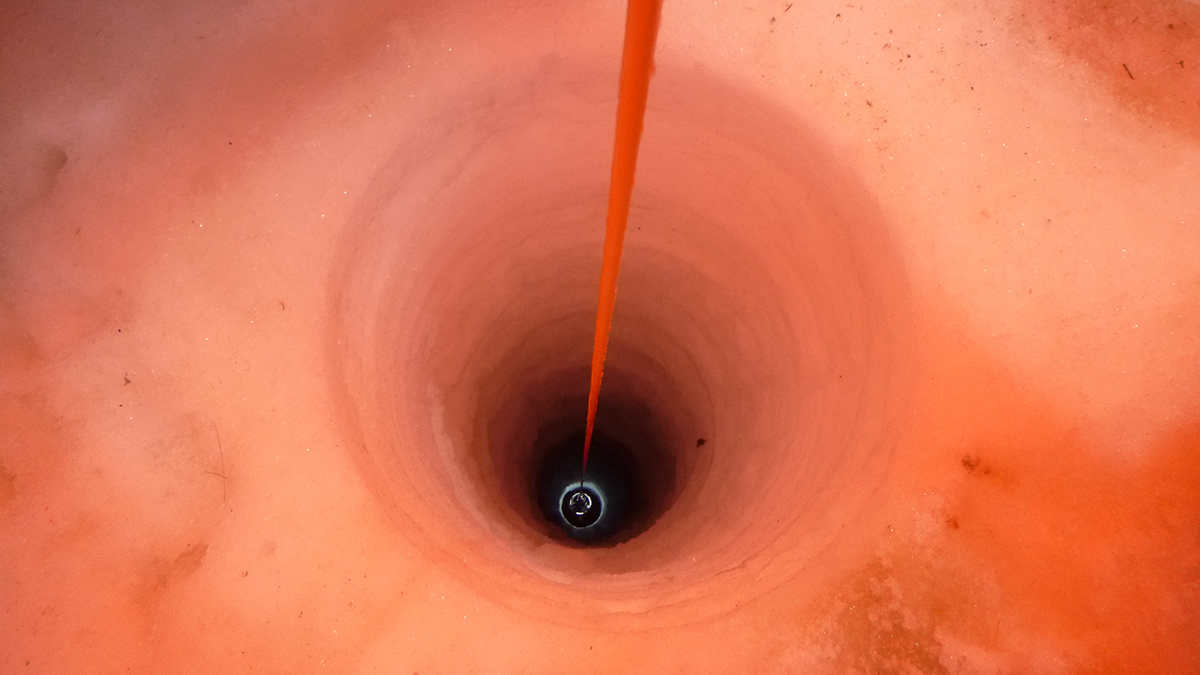
A Long-Term Look Beneath an Antarctic Ice Shelf
More than 4 years of data from a borehole in the Ross Ice Shelf reveal supercooled water and more.
Posted inResearch Spotlights
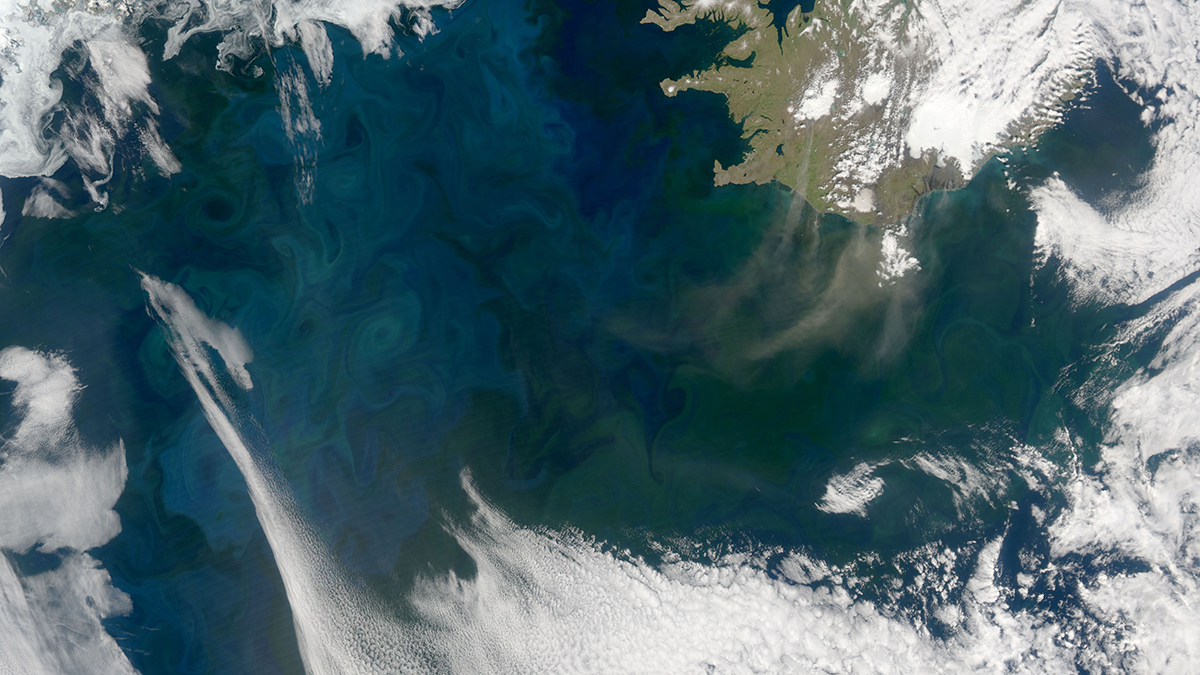
Bacteria Decide the Ocean’s Dissolved Organic Carbon Abundance
Dissolved organic carbon prevalence follows from how many bacteria are around to eat it, modeling suggests.
Posted inResearch Spotlights
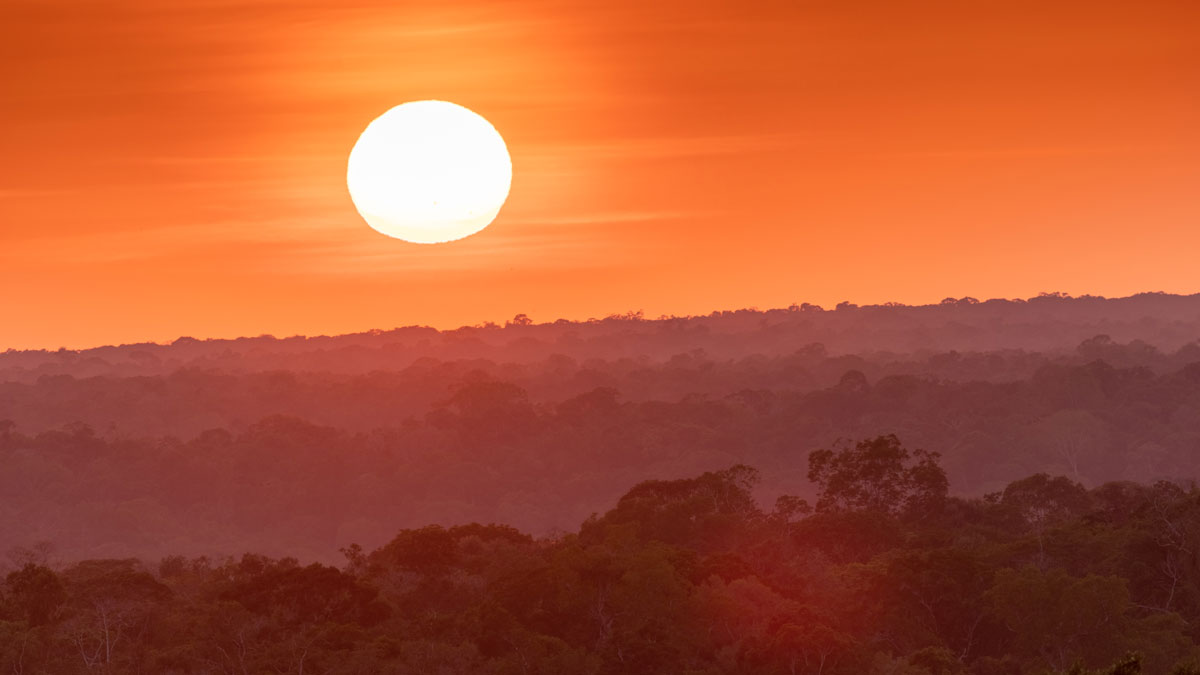
Drought Drove the Amazon’s 2023 Switch to a Carbon Source
The change was caused by thirsty vegetation taking up less carbon than normal, not by the year’s extended fire season, new research shows.
Posted inResearch Spotlights
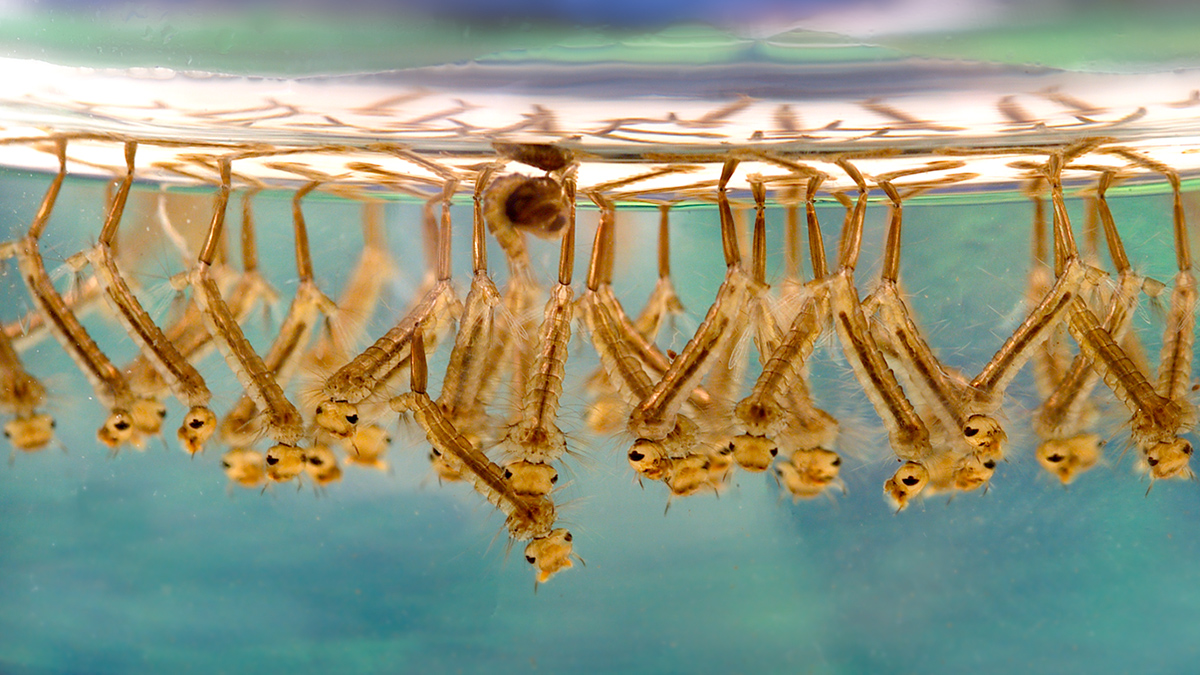
New Method Could Improve U.S. Forecasting of West Nile Virus
An innovative model uses regional climate data and records of West Nile virus neuroinvasive disease to outperform existing forecasts, potentially helping communities prepare.
Posted inResearch Spotlights
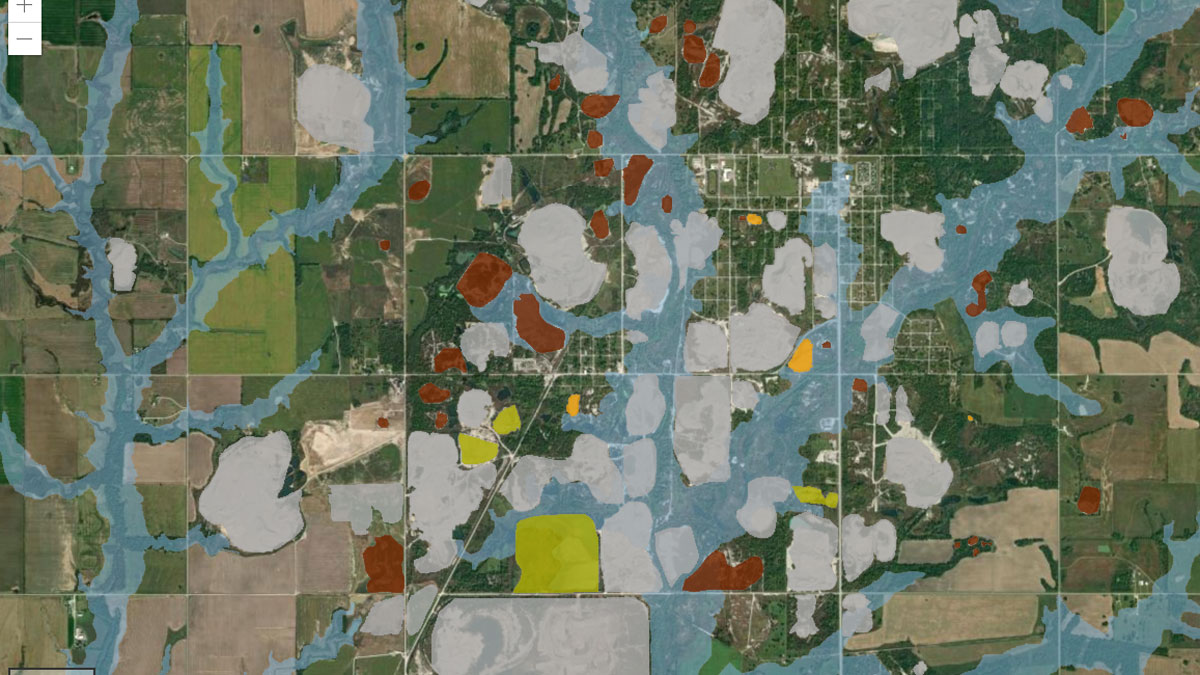
Making a Map to Make a Difference
A new study highlights the partnership between scientists and nonscientist community members in building an interactive GIS map to show flooding risk in a Superfund site.
Posted inResearch Spotlights
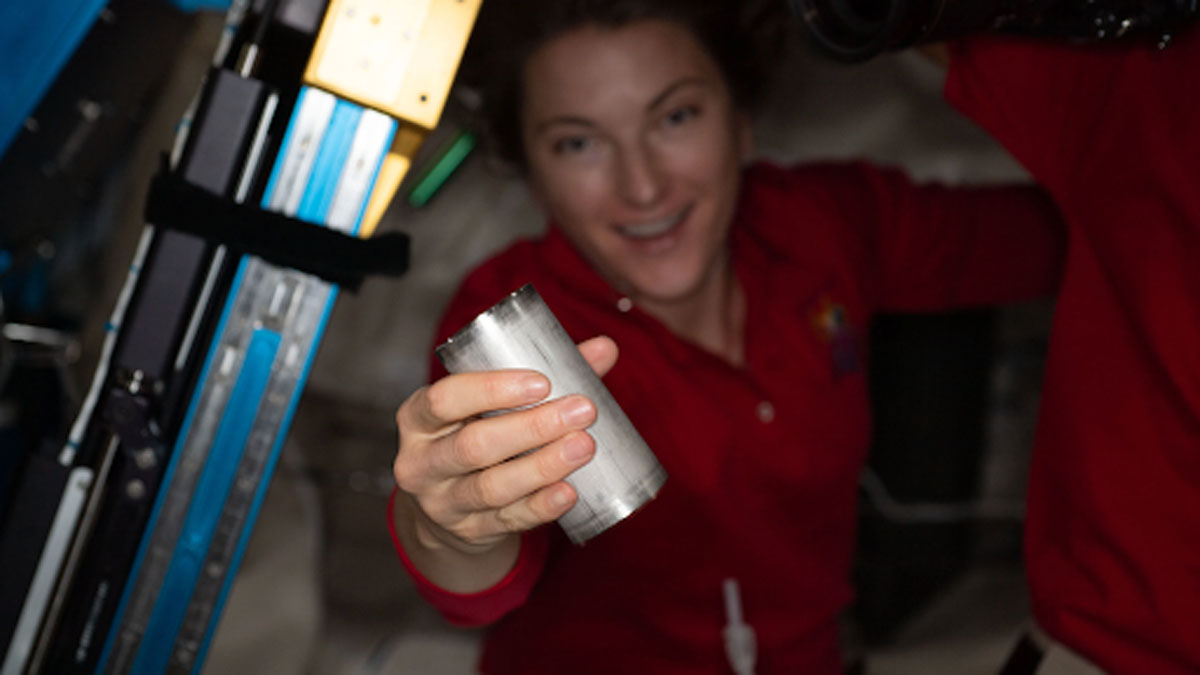
A Road Map to Truly Sustainable Water Systems in Space
Future astronauts need efficient, durable, and trustworthy closed-loop systems to provide water for missions lasting months to years.
Posted inResearch Spotlights
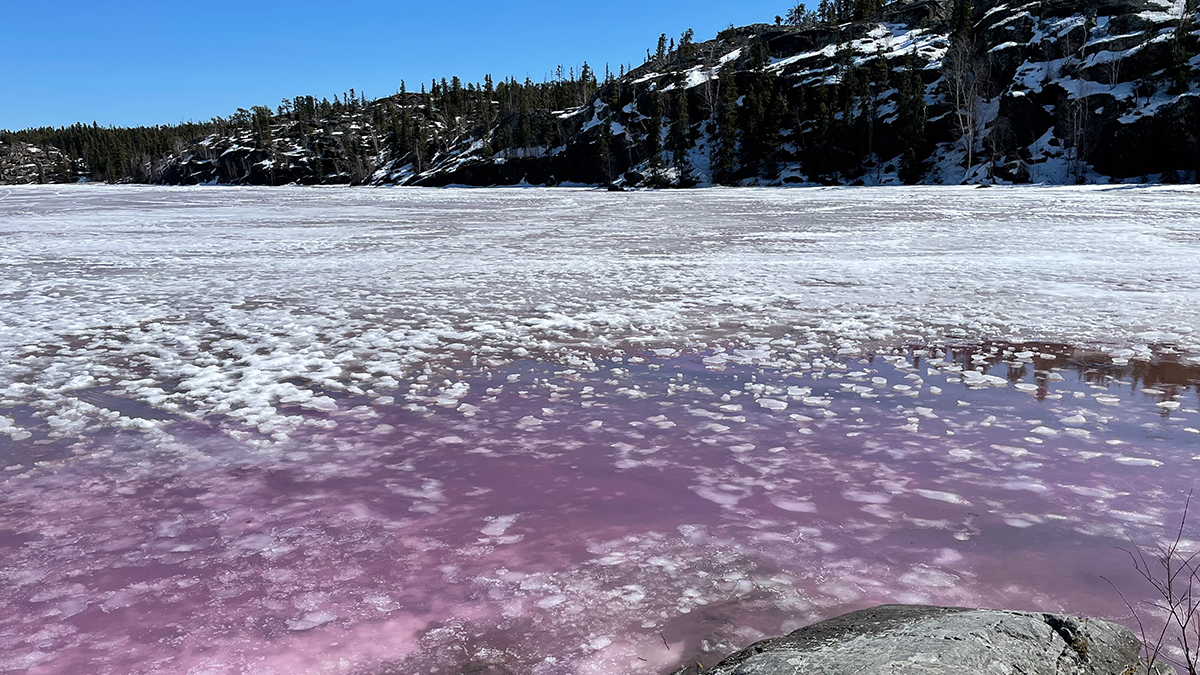
How the Spring Thaw Influences Arsenic Levels in Lakes
Four lakes near Yellowknife, Canada, show that there’s no one-size-fits-all answer.
Posted inResearch Spotlights
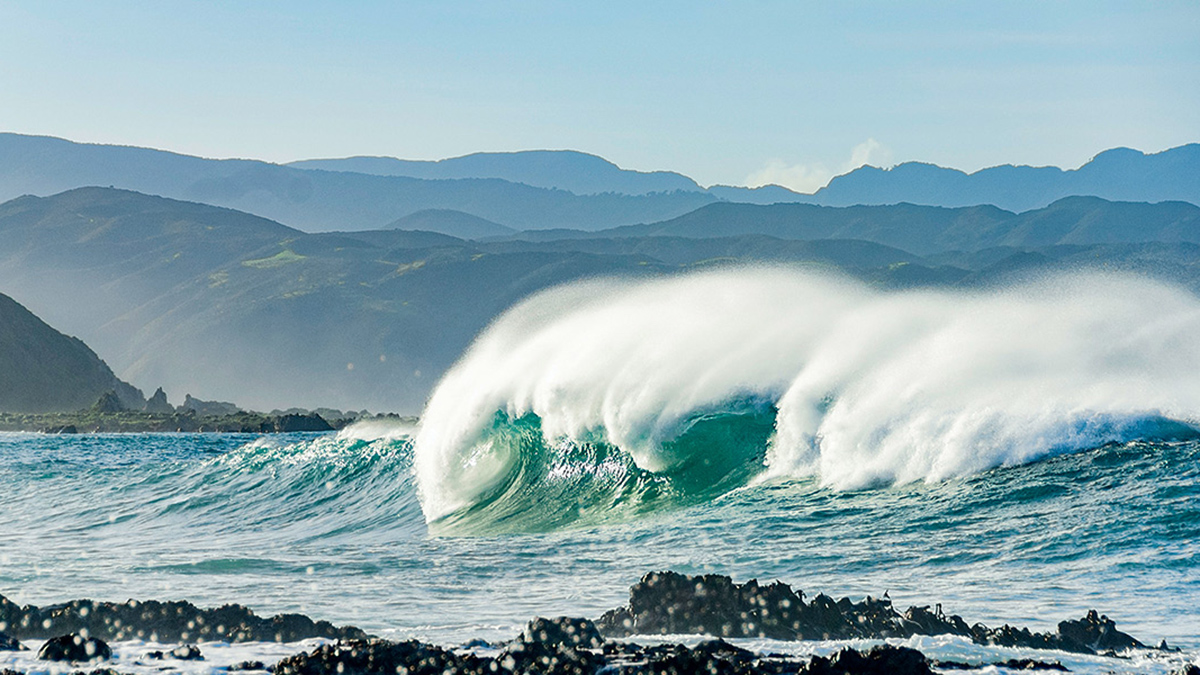
Our Ocean’s “Natural Antacids” Act Faster Than We Thought
New evidence from New Zealand suggests that calcium carbonate dissolution occurs not just over millennial timescales, but over annual and decadal ones too.