
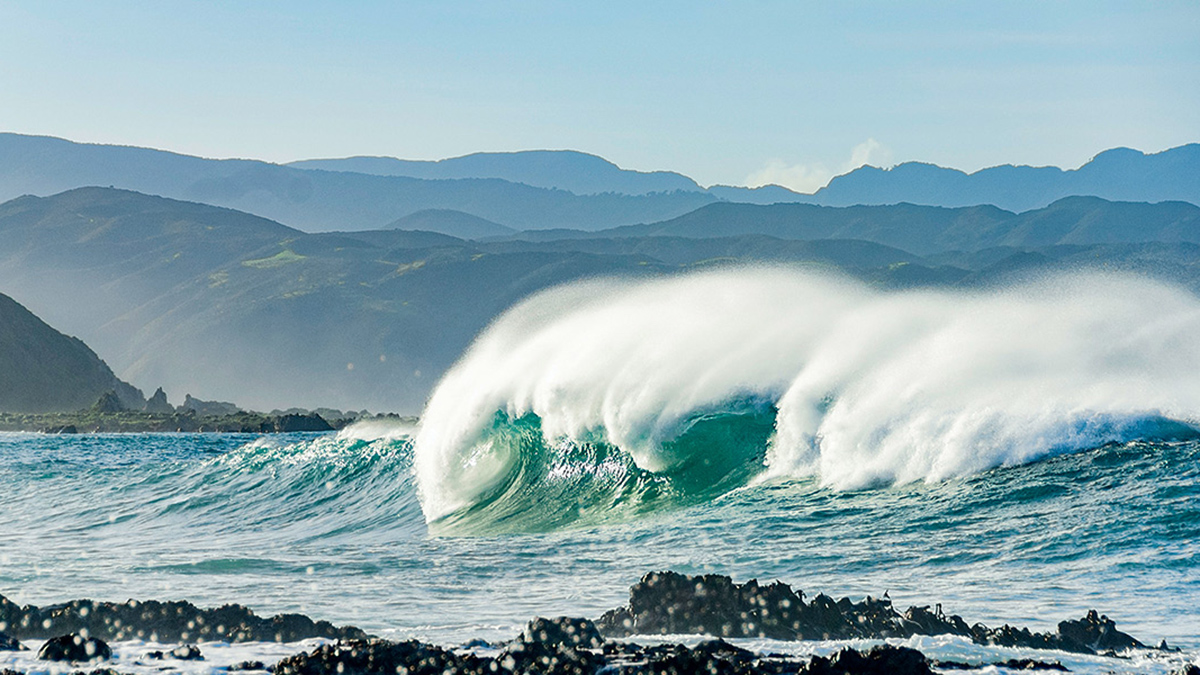

New evidence from New Zealand suggests that calcium carbonate dissolution occurs not just over millennial timescales, but over annual and decadal ones too.
Research Spotlights
Research spotlights are plain-language summaries of recent articles published in AGU’s suite of 24 journals.
Posted inResearch Spotlights
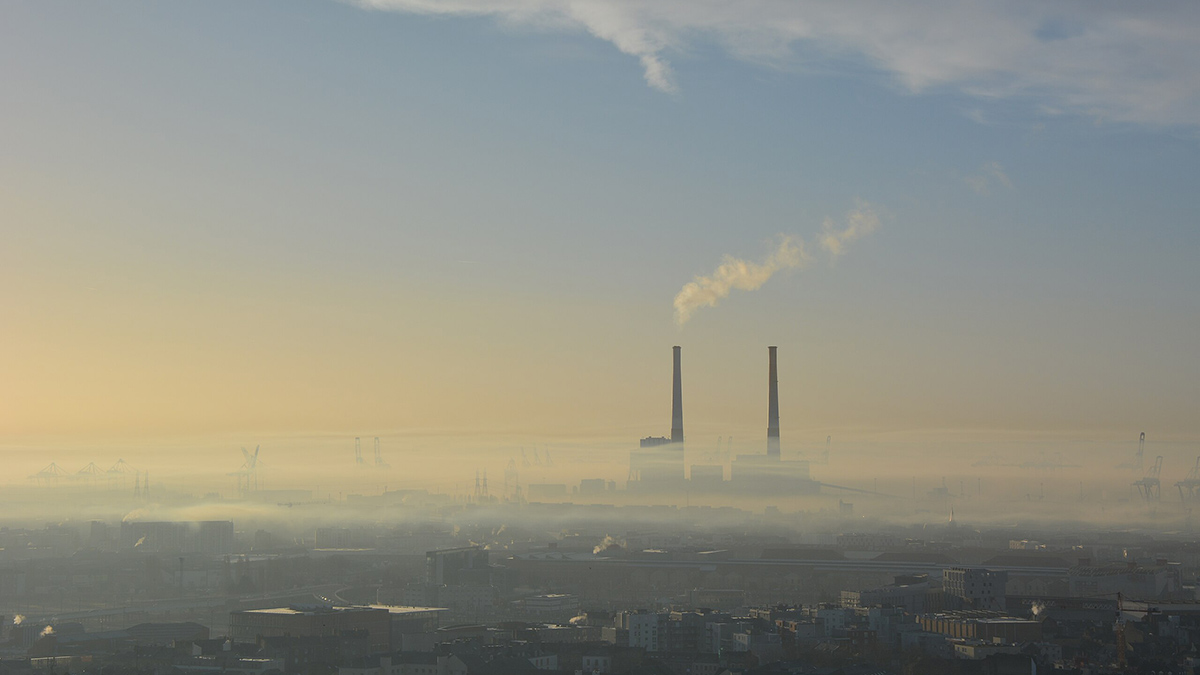
Which Countries Are Paying the Highest Price for Particulate Air Pollution?
Reducing the effects of air pollution requires estimations of where it costs the most—in both money and lives.
Posted inResearch Spotlights
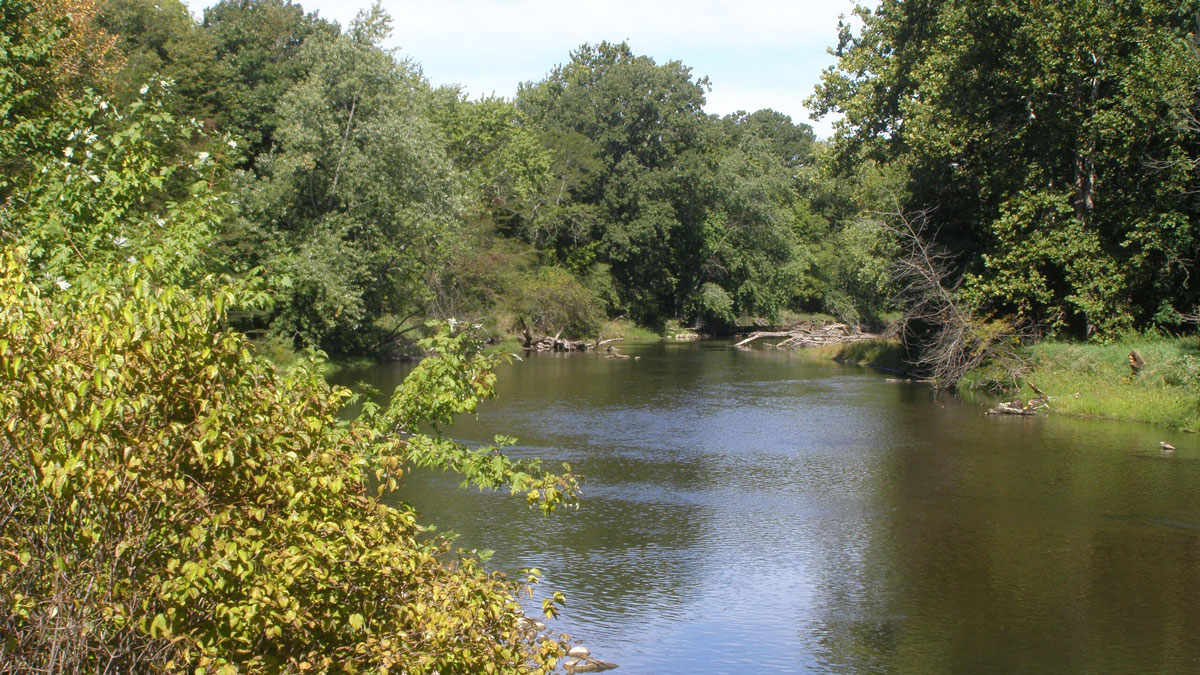
Denitrification Looks Different in Rivers Versus Streams
A study directly comparing waterways of different sizes revealed important differences in nitrogen dynamics across seasons.
Posted inResearch Spotlights
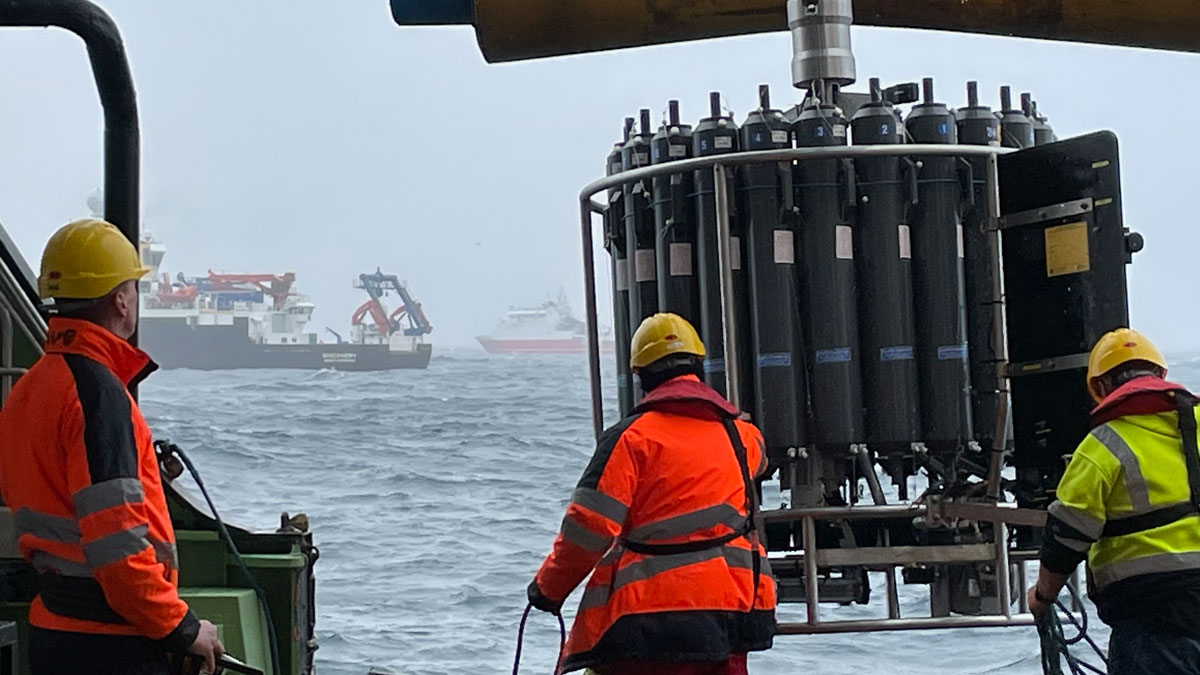
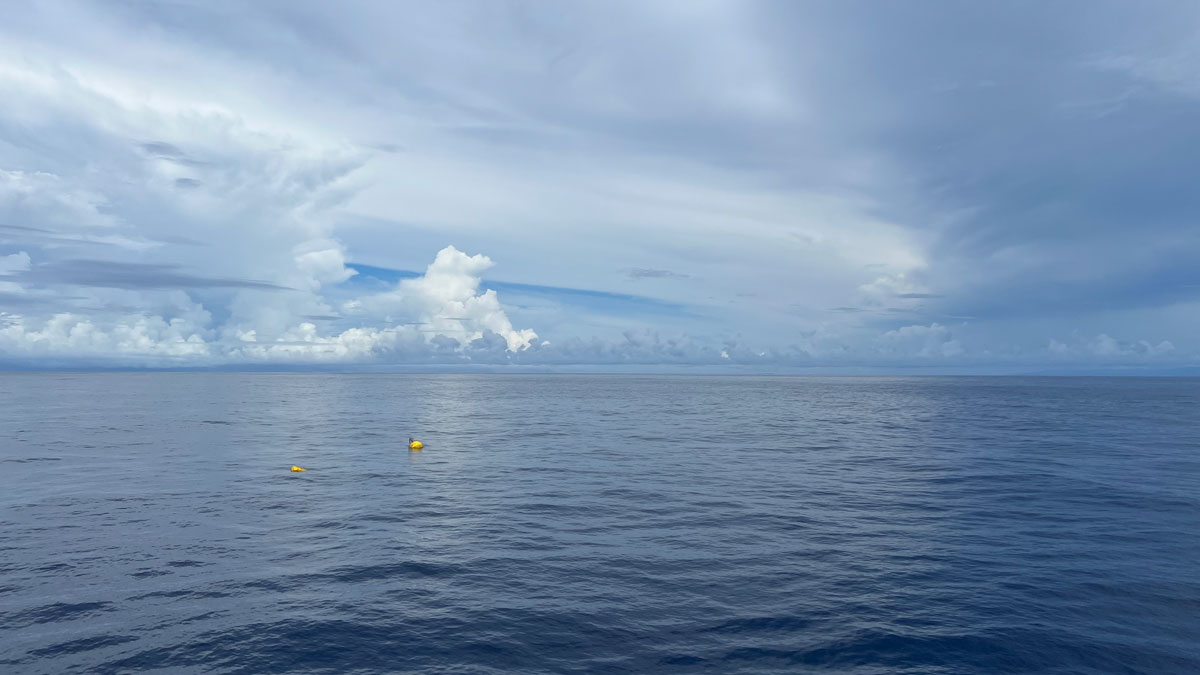
Marine Snow Grows Faster and Fluffier as It Sinks
New observations highlight how abiotic and biotic processes influence the tiny oceanic particles.
Posted inResearch Spotlights
AI Sheds Light on Hard-to-Study Ocean Currents
The Maluku Strait is a key predictor of conditions in the Indonesian Throughflow, modeling shows.

Posted inResearch Spotlights
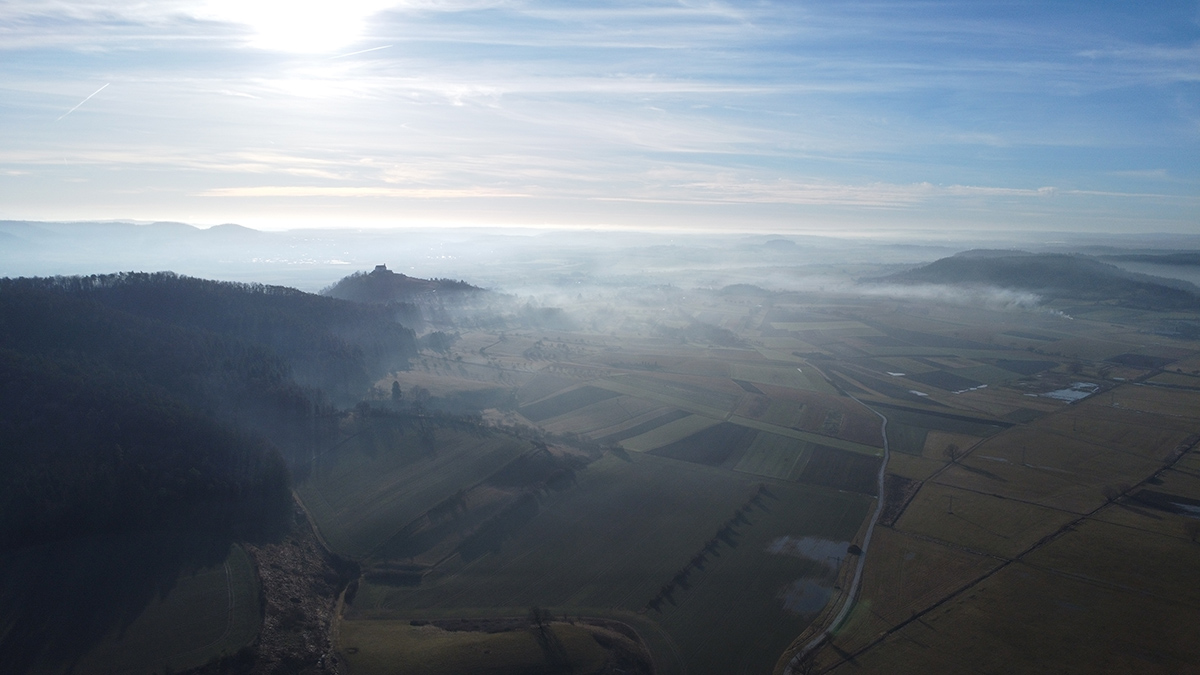
Melting Glaciers Mix Up Waters More Than We Thought
Existing theory underestimates the mixing of freshwater and seawater by up to 50%.
Posted inResearch Spotlights
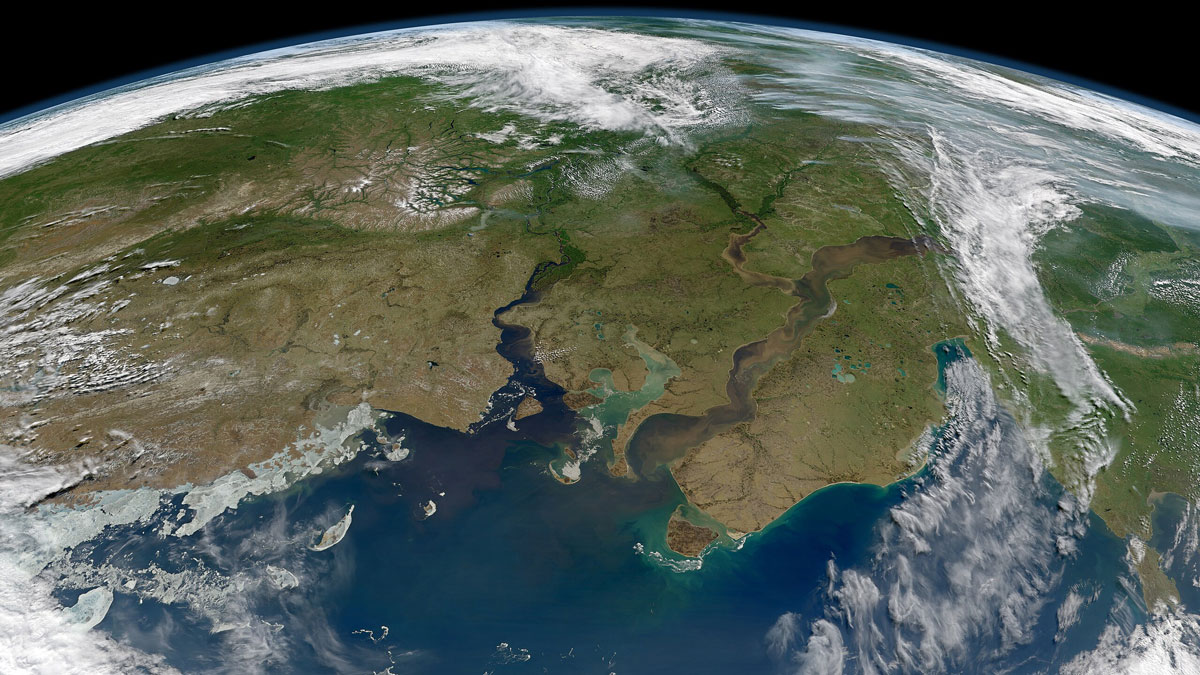
Microbial Genes Could Improve Our Understanding of Water Pollution
New research in Germany’s Ammer floodplain examines microbial biomarkers to help improve modeling of denitrification.
Posted inResearch Spotlights
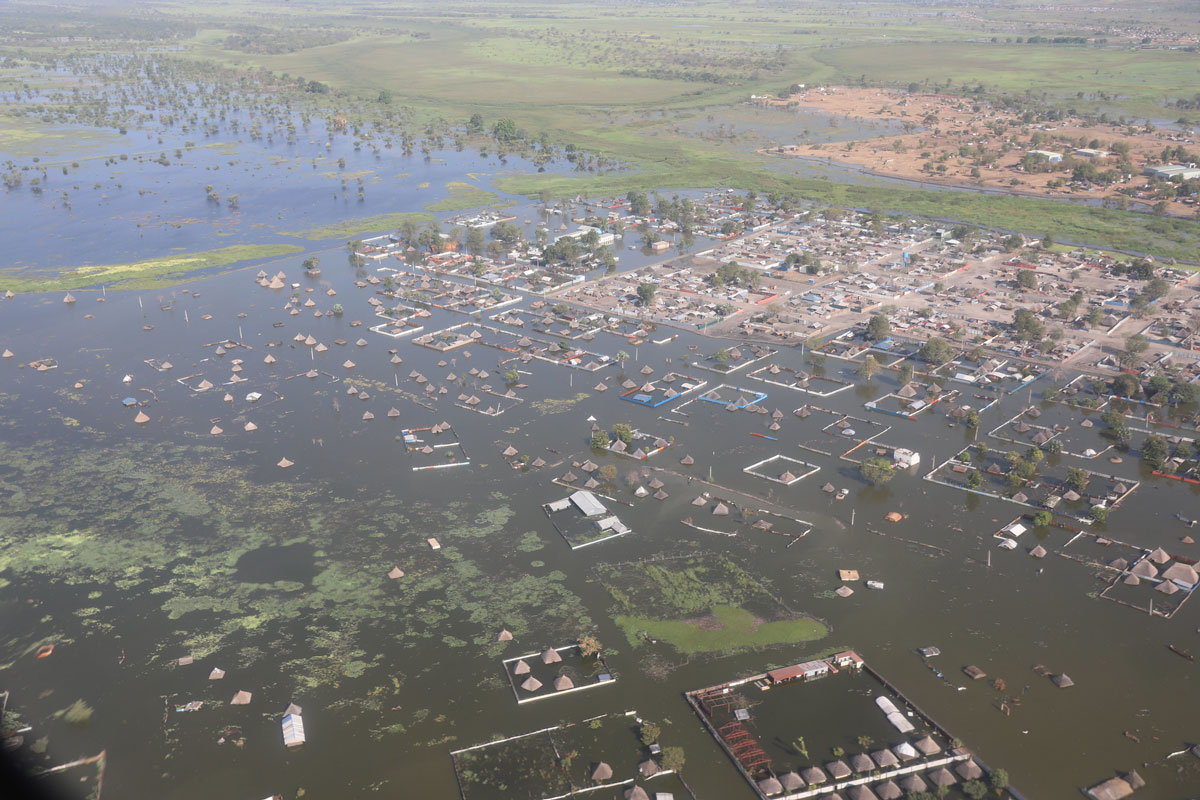
New River Chemistry Insights May Boost Coastal Ocean Modeling
By more realistically accounting for river inputs, researchers reduced overestimation of the amount of carbon dioxide absorbed by coastal waters.
Posted inResearch Spotlights
Temperatures Are Rising, but What About Humidity?
Humid heat extremes are less frequently studied, but no less important, than those of dry heat.
Posted inResearch Spotlights
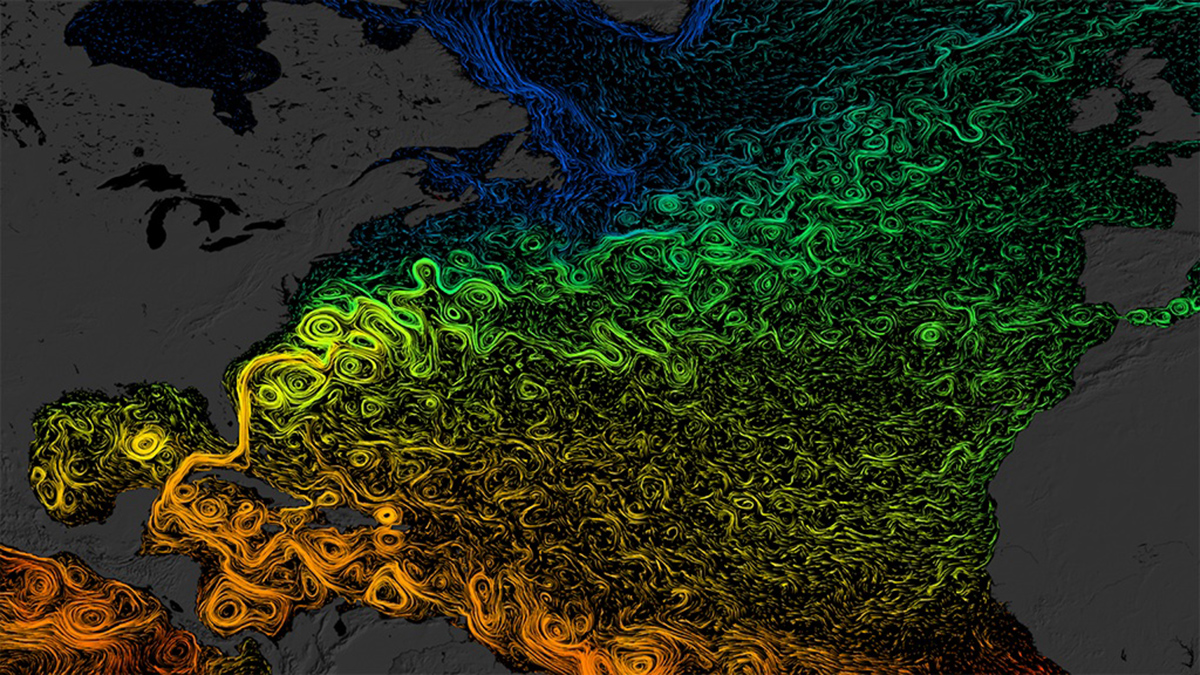
What Could Happen to the Ocean’s Carbon If AMOC Collapses
Mass glacier melting may have led this influential ocean current system to collapse at the end of the last ice age. A pair of modeling studies examines how such a collapse could affect dissolved inorganic carbon and carbon isotopes in Earth’s oceans.