
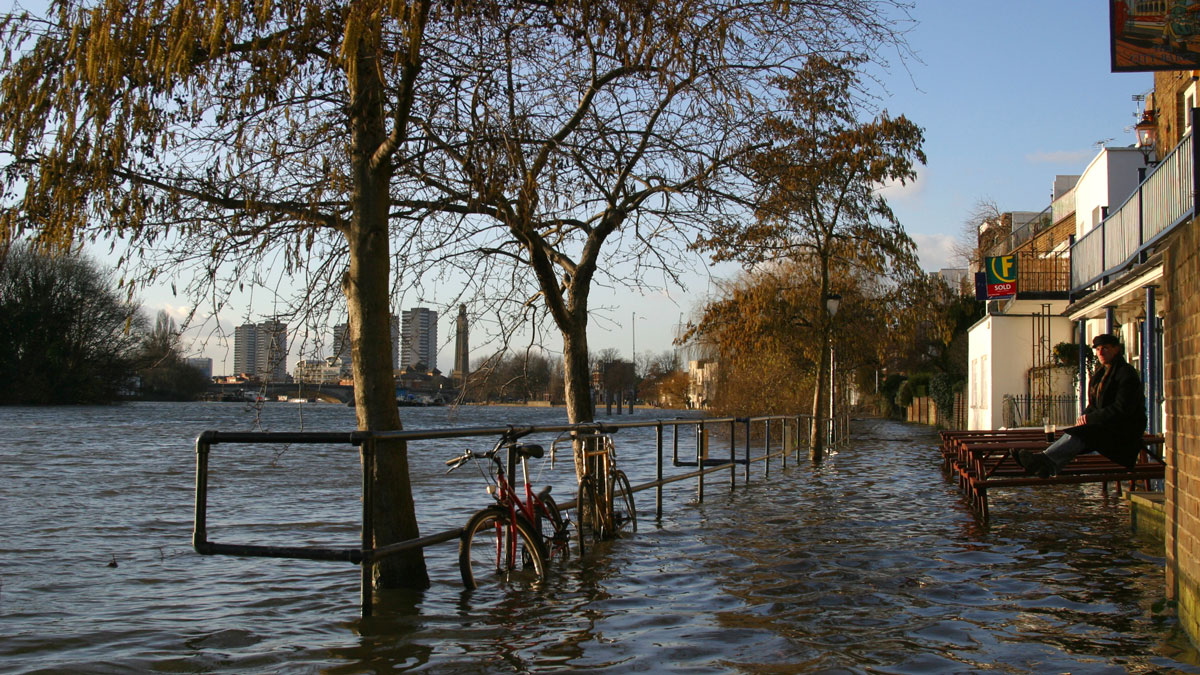
A framework featuring a range of plausible future sea level rise scenarios could help coastal planners prepare critical infrastructure for the worst-case scenario.
Research Spotlights
Research spotlights are plain-language summaries of recent articles published in AGU’s suite of 24 journals.
Posted inResearch Spotlights
全球气候模型需要全面纳入氮循环
氮在气候变化、人类健康和农业等领域发挥着重要作用。一位研究人员认为,气候模型若能更全面地纳入氮的影响,将会受益匪浅。
Posted inResearch Spotlights
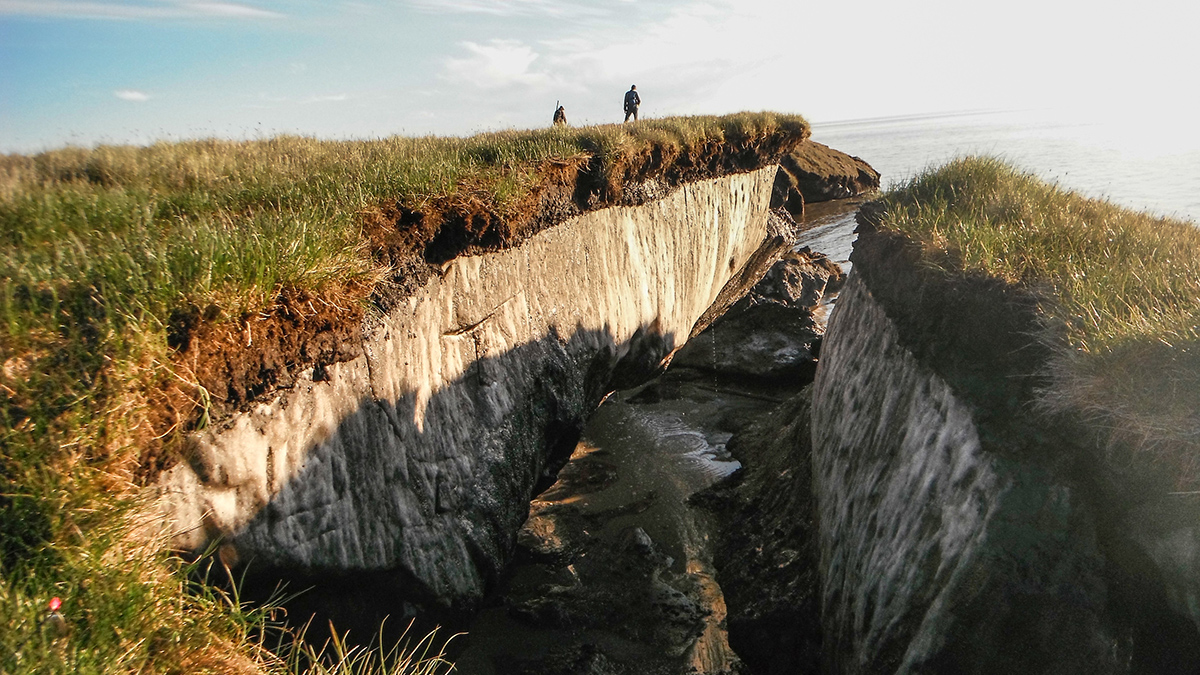
Lab Setup Mimics Arctic Erosion
The new methodology gave researchers valuable insights into why Arctic shorelines are crumbling.
Posted inResearch Spotlights
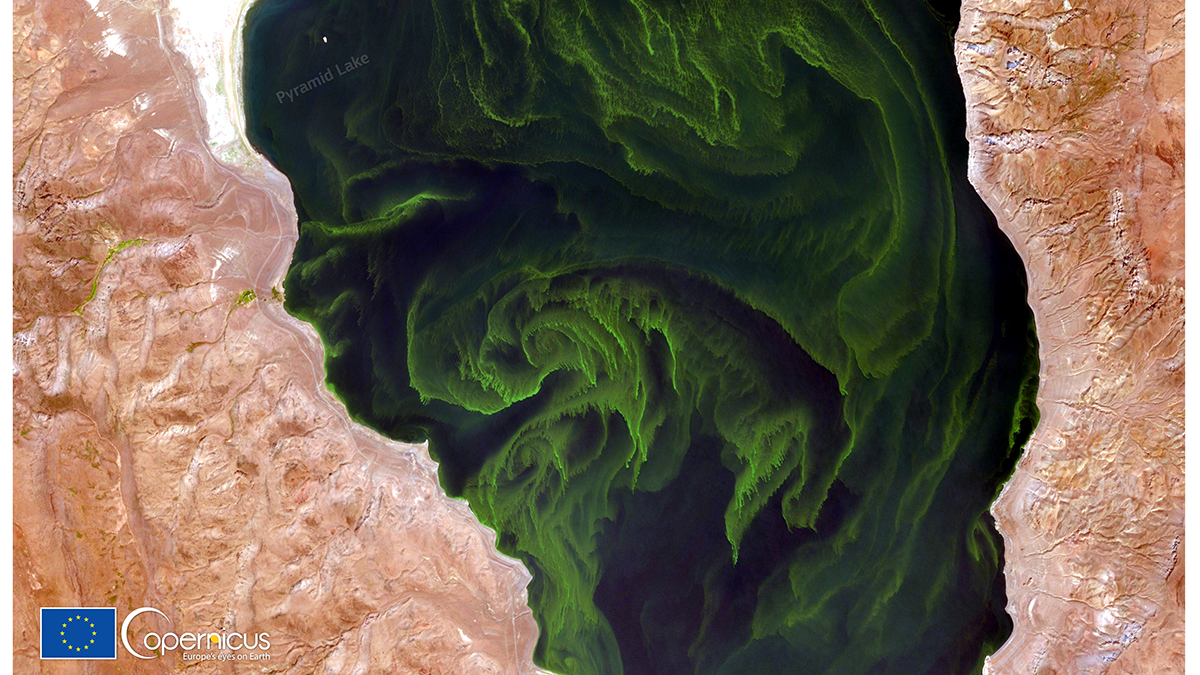
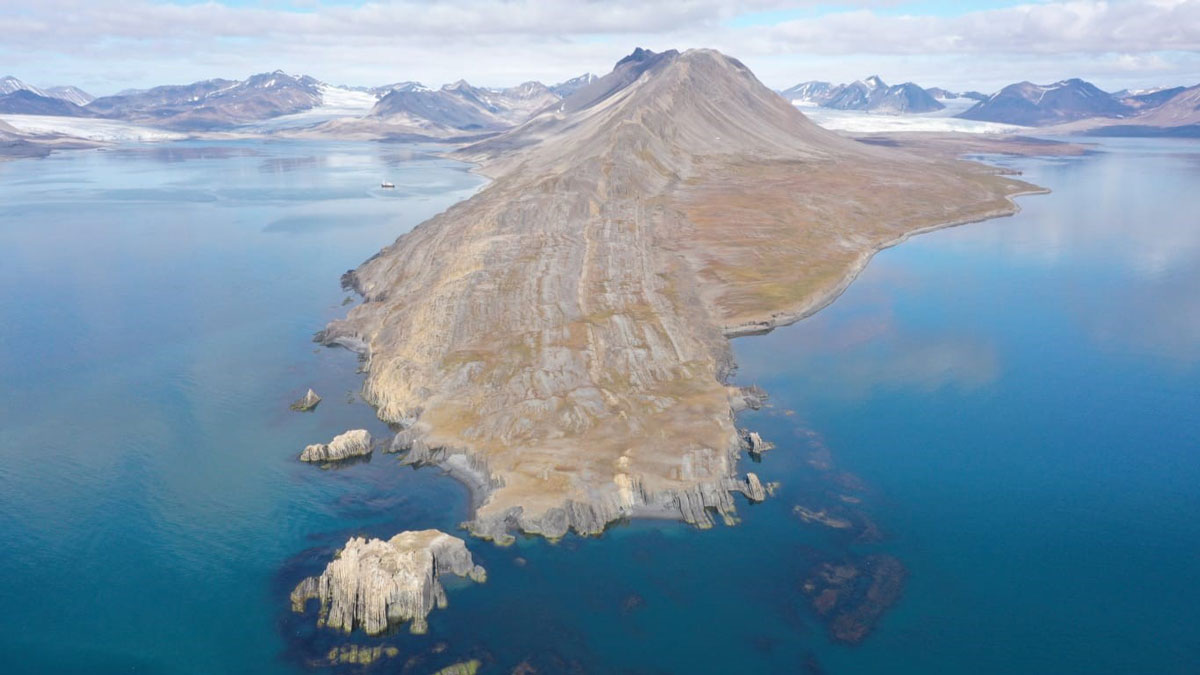
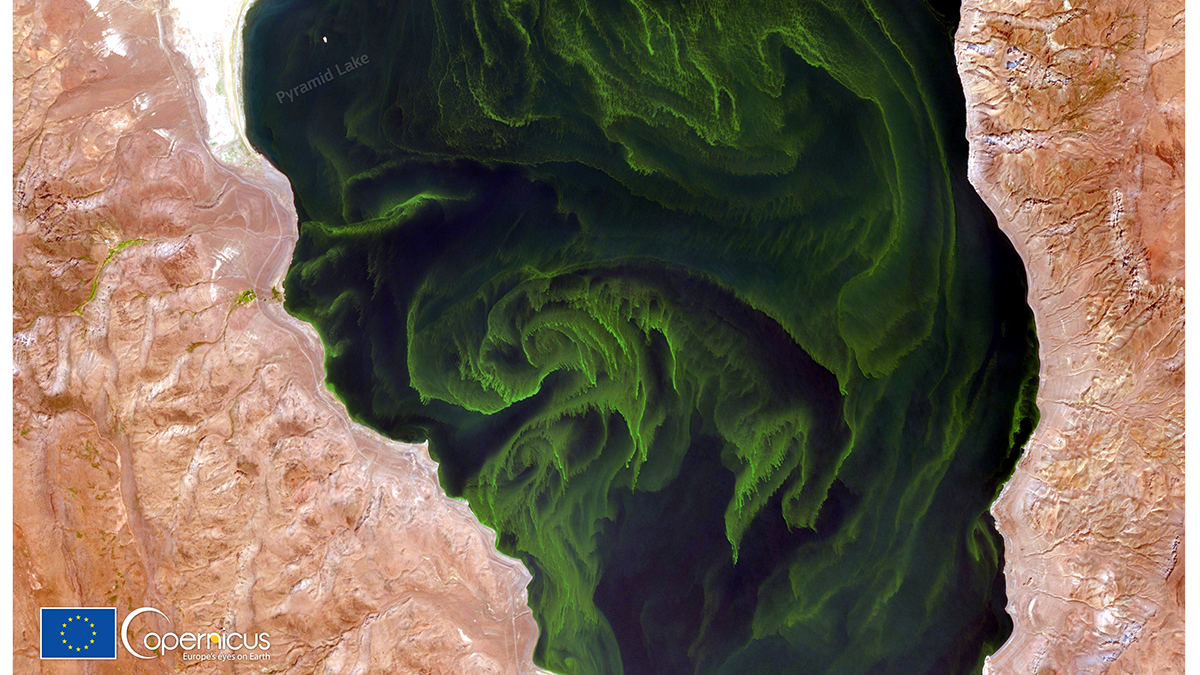
How Algae Helped Some Life Outlast Extinction
Cooler waters near Norway’s north provided a refuge for phytoplankton during the Great Dying, a new study suggests.
Posted inResearch Spotlights
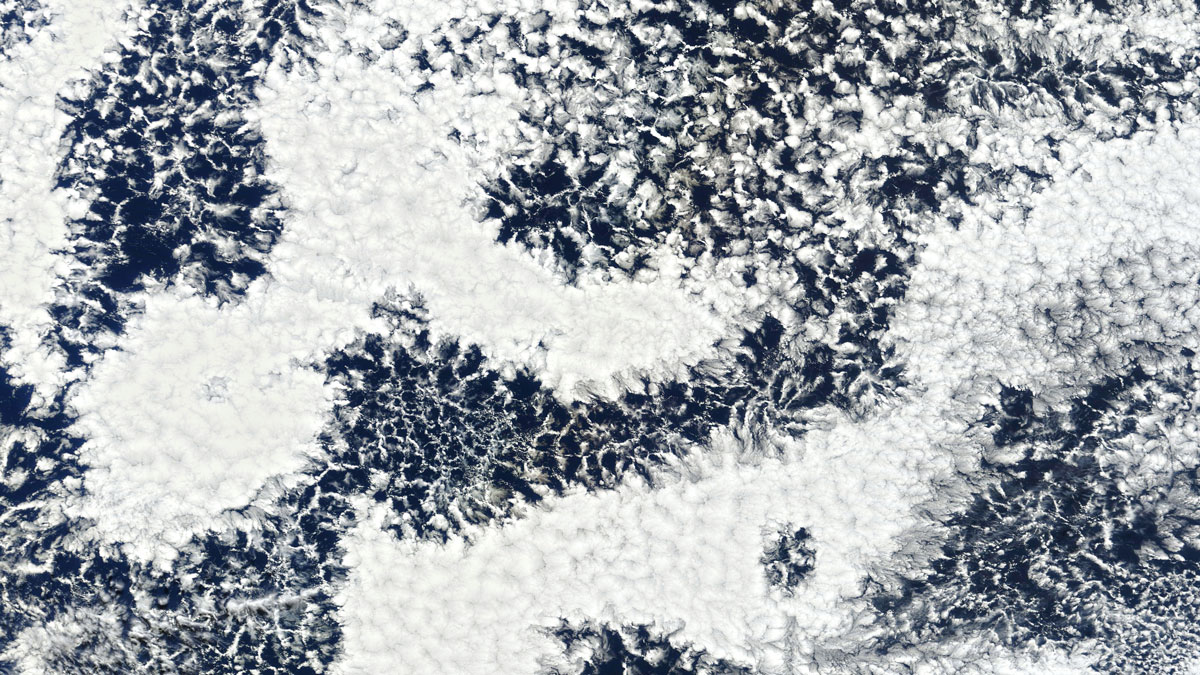
Understanding Cloud Droplets Could Improve Climate Modeling
The microphysical structure of cloud droplets affects behavior like precipitation. Current models may be underestimating how much these structures can vary within a single cloud.

Posted inResearch Spotlights
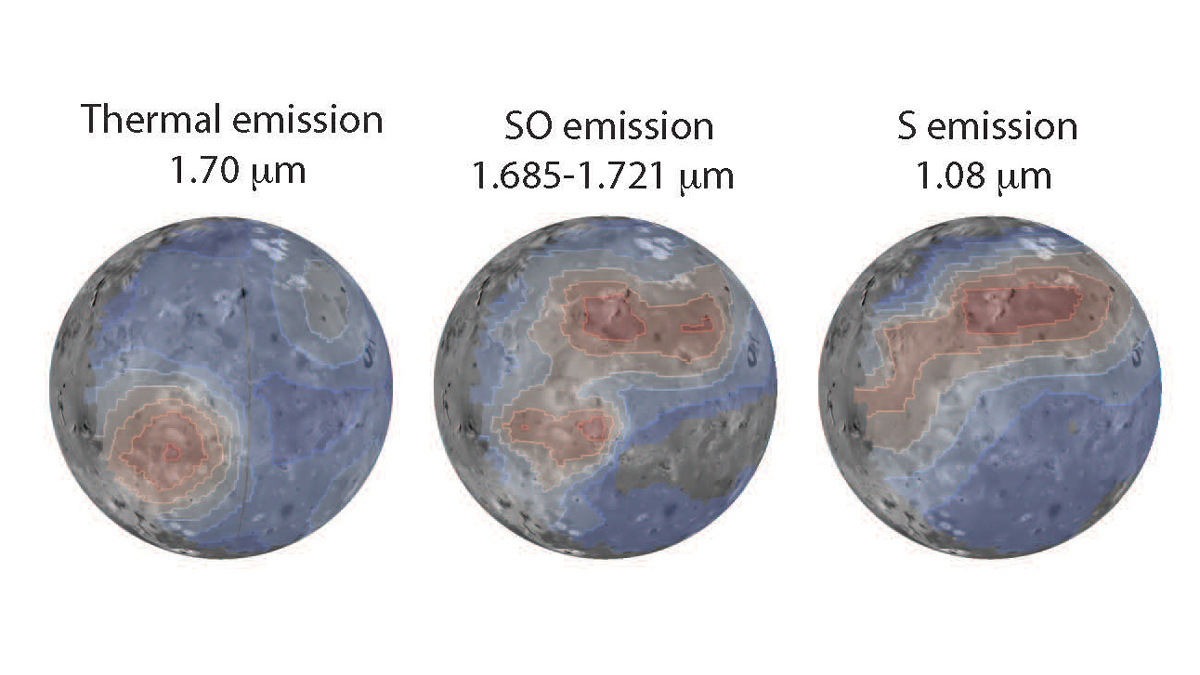
Webb Telescope Spies Io’s Volcanic Activity and Sulfurous Atmosphere

New James Webb Space Telescope images reveal cooling lava, volcanic sulfur monoxide gas, and sulfur gas emissions created by interactions between plasma and the moon’s atmosphere.
Posted inResearch Spotlights
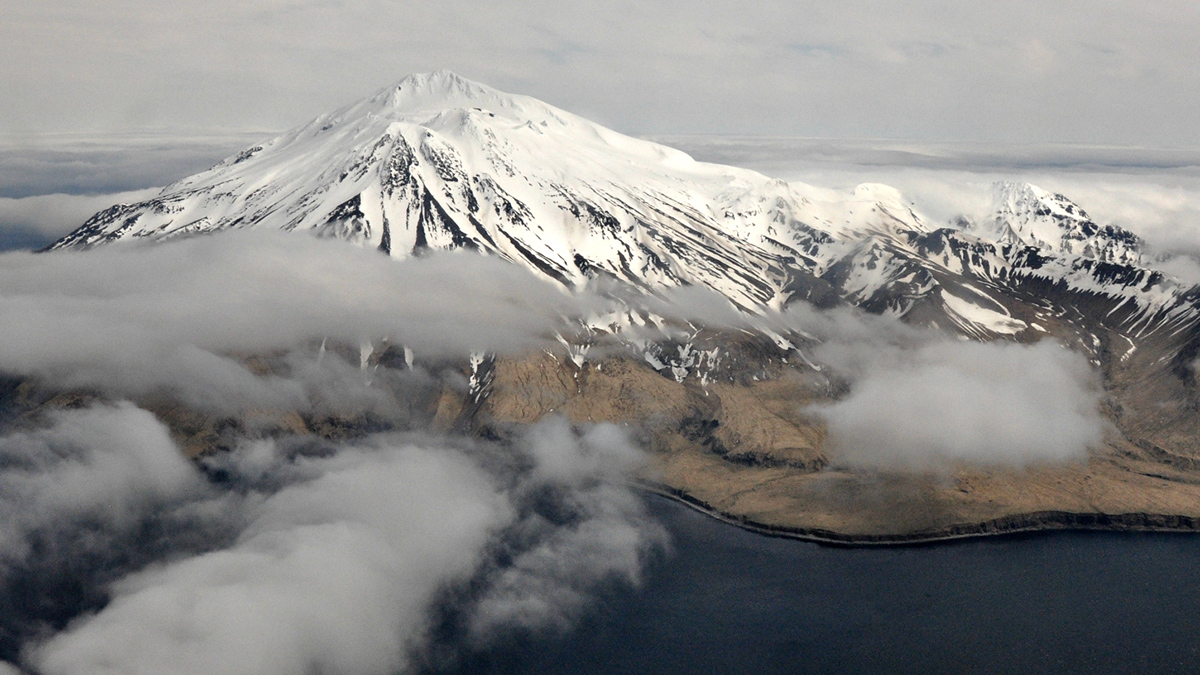
Global Climate Models Need the Nitrogen Cycle—All of It
Nitrogen plays important roles in areas including climate change, human health, and agriculture. A researcher argues that climate models would benefit from more fully incorporating its influence.
Posted inResearch Spotlights
New Earthquake Model Goes Against the Grain
Subducting plates are stronger in certain directions than others, which may be a factor in how earthquakes occur and how seismic waves propagate.
Posted inResearch Spotlights
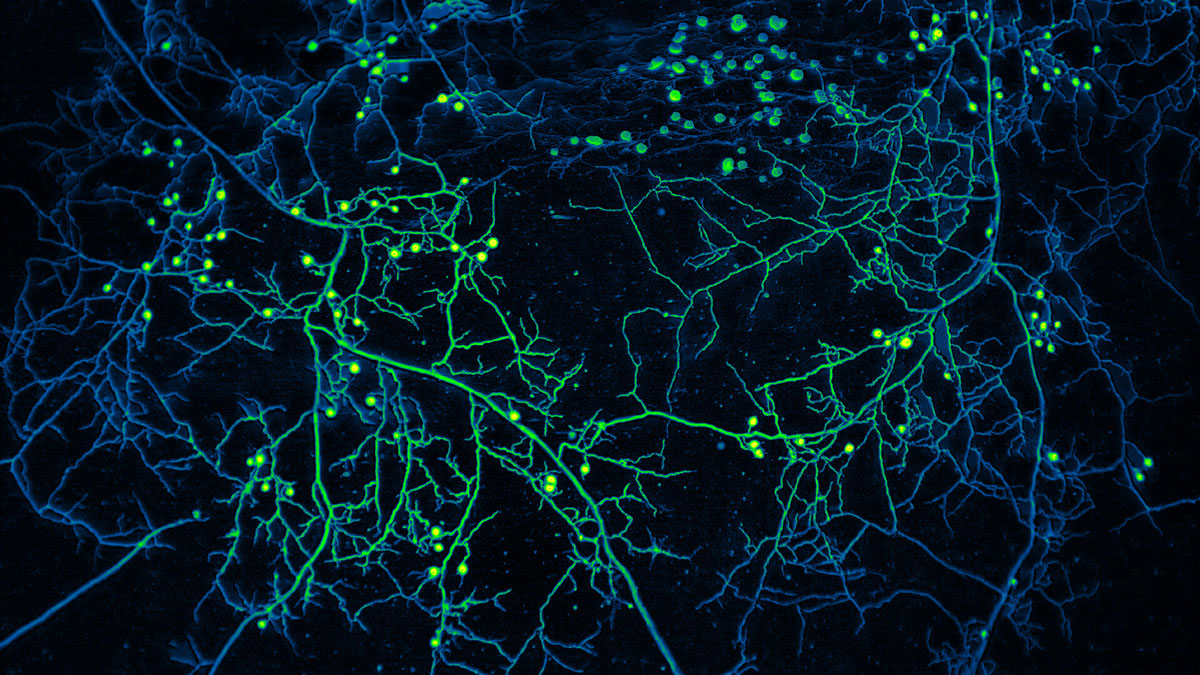
How Plant-Fungi Friendships Are Changing
A new framework shows how much carbon plants allocate to their endosymbionts and how that amount might change in the face of warming soil and rising carbon dioxide levels.