


Researchers have developed a new mathematical model to more accurately capture how irregularities in Earth’s atmosphere interrupt signals from Global Navigation Satellite Systems.
2021 AGU
Posted inResearch Spotlights
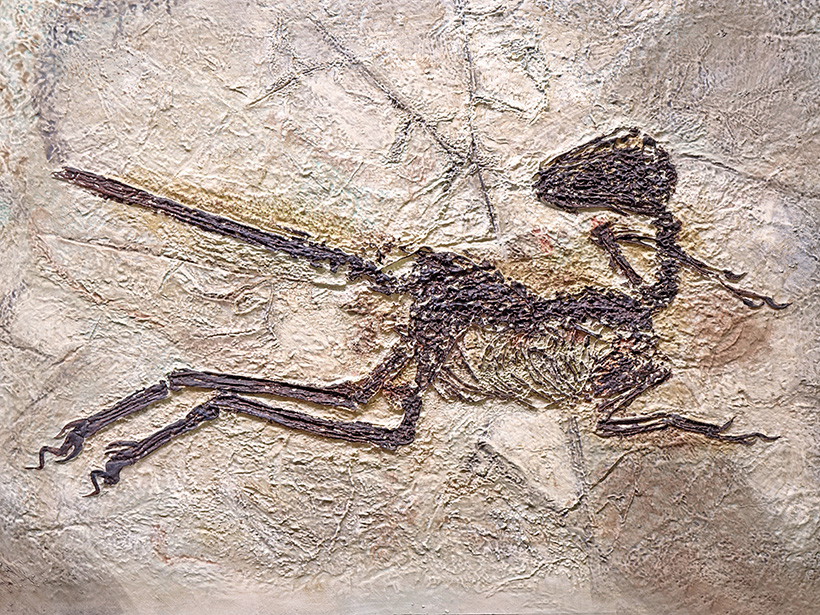
Cool Oasis for Cretaceous Feathered Dinosaurs
A new study found that the Jehol Biota had chilly temperatures and high altitudes when feathered dinosaurs roamed the slopes.

Posted inENGAGE, News
How Do You Know If You’ve Experienced Global Warming?

Answering this question can help policymakers, scientists, and climate communicators develop more effective strategies to reach skeptics and deniers.

Posted inAGU News
2021 Class of AGU Fellows Announced
Fifty-nine individuals have been elected to the 2021 Class of Fellows.

Posted inResearch Spotlights
Long-Term Sea Level Cycle Affects Predictions of Future Rise
New research confirms the existence of a regular, long-term fluctuation in sea level, perhaps caused by processes in Earth’s core.
Science Adviser Profile
Ellyn Enderlin Biography Ellyn Enderlin is an assistant professor in the Department of Geosciences at Boise State University in Idaho. Ellyn is a glaciologist who is primarily interested in understanding variations in the sensitivity of glaciers to climate change. Her research utilizes a wide variety of datasets, with a focus on remotely-sensed observations so that she […]

Posted inAGU News
Winter’s Melting Point

Around the world, the seasonal snowpack is changing. Eos’s October issue looks at how we study winter weather, adapt to climate changes, and even fight for the snow we love.

Posted inENGAGE, Features
How the Ski Industry Stopped Worrying and Learned to Love Climate Activism

A cultural shift is underway to transform outdoor buffs into stalwarts for climate action. Will it come soon enough to save their sport?

Posted inResearch Spotlights
Earthly Lava Tubes May Offer Insights into Extraterrestrial Life

New research finds that Actinobacteria in lava caves fix carbon and survive independent of surface inputs, offering a fresh perspective in the search for life beyond Earth.
Posted inResearch Spotlights
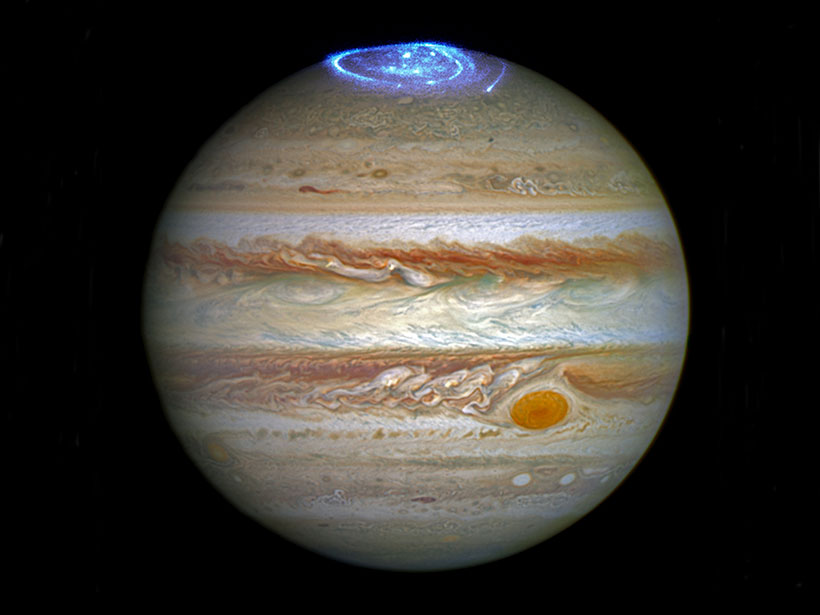
Could Low-Altitude Reconnection Power Jupiter’s Polar Aurorae?
Magnetic reconnection events less than 2 Jovian radii above the planet’s cloud tops could explain why Juno has yet to observe a source for Jupiter’s polar aurore.