• About
  • Special Reports
  • Topics
    • Climate
    • Earth Science
    • Oceans
    • Space & Planets
    • Health & Ecosystems
    • Culture & Policy
    • Education & Careers
    • Opinions
  • Projects
    • Postcards From the Field
    • ENGAGE
    • Editors’ Highlights
    • Editors’ Vox
    • Eos en Español
    • Eos 简体中文版
    • Print Archive: 2015–2025
  • Policy Tracker
  • Blogs
    • Research & Developments
    • The Landslide Blog
  • Newsletter
  • Submit to Eos
  • AGU.org
  • Career Center
  • Join AGU
  • Give to AGU
  • About
  • Special Reports
  • Topics
    • Climate
    • Earth Science
    • Oceans
    • Space & Planets
    • Health & Ecosystems
    • Culture & Policy
    • Education & Careers
    • Opinions
  • Projects
    • Postcards From the Field
    • ENGAGE
    • Editors’ Highlights
    • Editors’ Vox
    • Eos en Español
    • Eos 简体中文版
    • Print Archive: 2015–2025
  • Policy Tracker
  • Blogs
    • Research & Developments
    • The Landslide Blog
  • Newsletter
  • Submit to Eos
Skip to content
  • AGU.org
  • Career Center
  • Join AGU
  • Give to AGU
Eos

Eos

Science News by AGU

Support Eos
Sign Up for Newsletter
  • About
  • Special Reports
  • Topics
    • Climate
    • Earth Science
    • Oceans
    • Space & Planets
    • Health & Ecosystems
    • Culture & Policy
    • Education & Careers
    • Opinions
  • Projects
    • Postcards From the Field
    • ENGAGE
    • Editors’ Highlights
    • Editors’ Vox
    • Eos en Español
    • Eos 简体中文版
    • Print Archive: 2015–2025
  • Policy Tracker
  • Blogs
    • Research & Developments
    • The Landslide Blog
  • Newsletter
  • Submit to Eos

2021 AGU

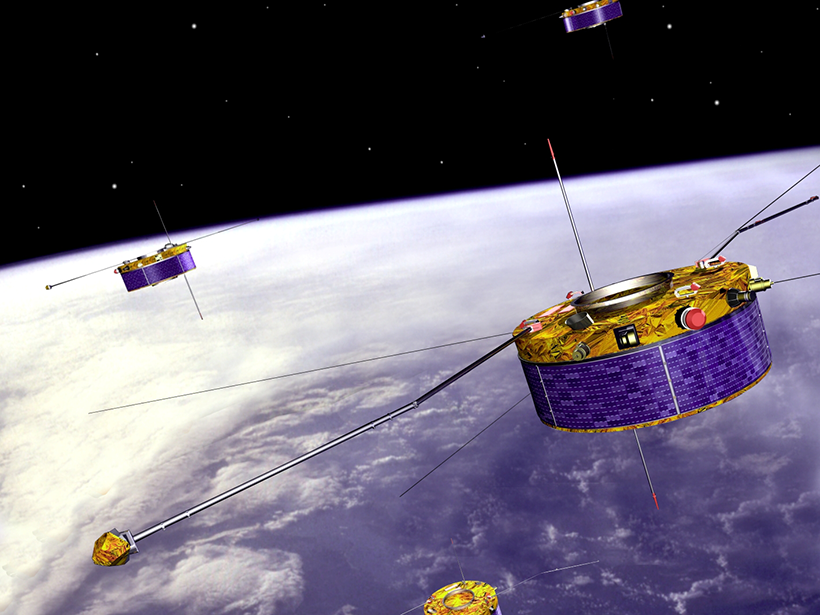
An artist’s conception of the Cluster satellites in orbit around Earth
Posted inResearch Spotlights

Understanding Aurora Formation with ESA’s Cluster Mission

by Morgan Rehnberg 7 September 202129 September 2021

Over 2 decades, Cluster has shed light on the auroral acceleration region, where parallel electric fields send charged particles on a collision course with the atmosphere.

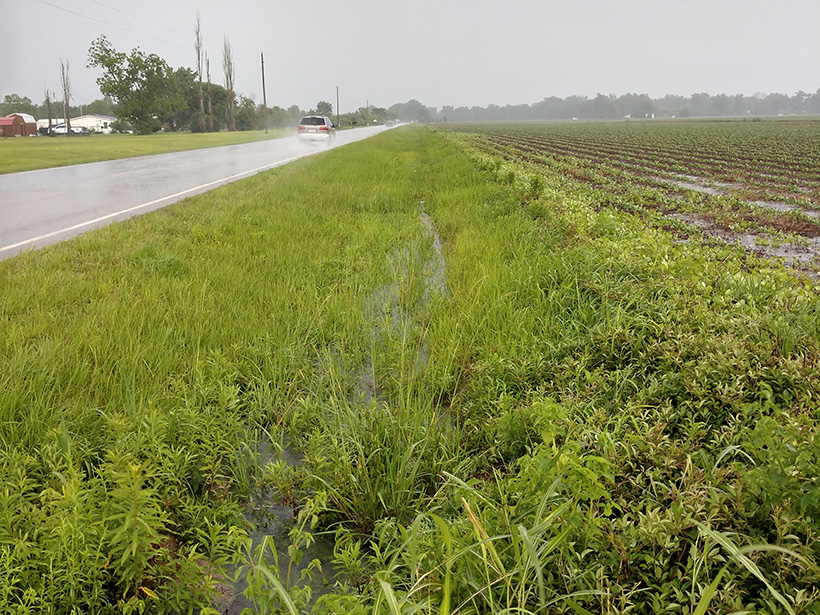
路边的沟渠可以在水进入水道之前有效地将水中的氮去除。图片来源: Corianne Tatariw
Posted inENGAGE, Research Spotlights

路边沟渠可有效脱氮

Sarah Derouin, Science Writer by Sarah Derouin 7 September 202129 March 2023

研究人员比较了那些为森林、城市和农业用地排水的沟渠中微生物的脱氮潜力,发现路边沟渠是去除养分的重要区域。

A view of ice covering Ngoring Lake, which is the largest freshwater lake (610 square kilometers) on the Tibetan Plateau.
Posted inResearch Spotlights

Tibetan Plateau Lakes as Heat Flux Hot Spots

Kate Wheeling, freelance science writer by Kate Wheeling 3 September 202126 October 2021

Freshwater lakes on the highest plateau in the world act like lenses that accumulate heat from the intense solar radiation, accelerating ice cover melt and affecting land-atmosphere fluxes.
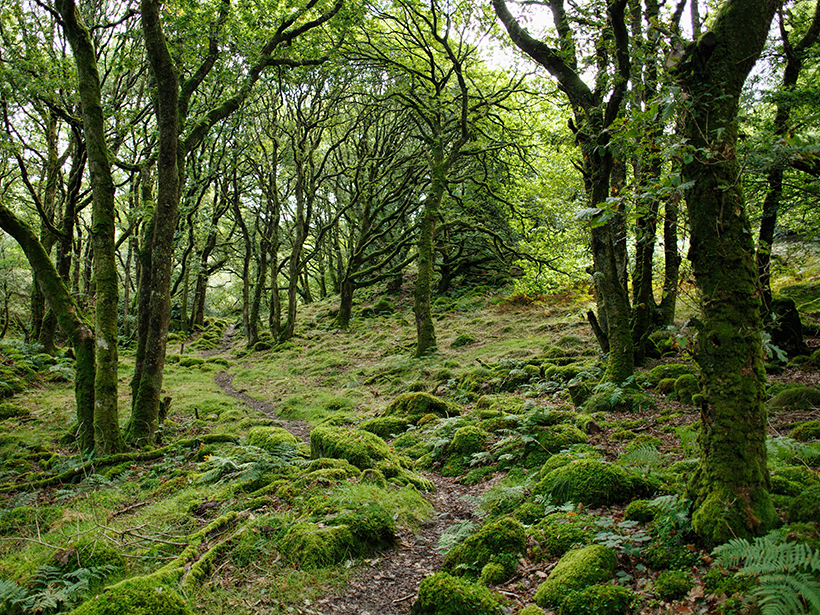
Green mossy forest
Posted inENGAGE, News

How the “Best Accidental Climate Treaty” Stopped Runaway Climate Change

Jenessa Duncombe, Staff Writer by Jenessa Duncombe 2 September 20213 June 2024

The Montreal Protocol halted the destruction of the ozone layer. In the process, it saved one of Earth’s most important carbon sinks.
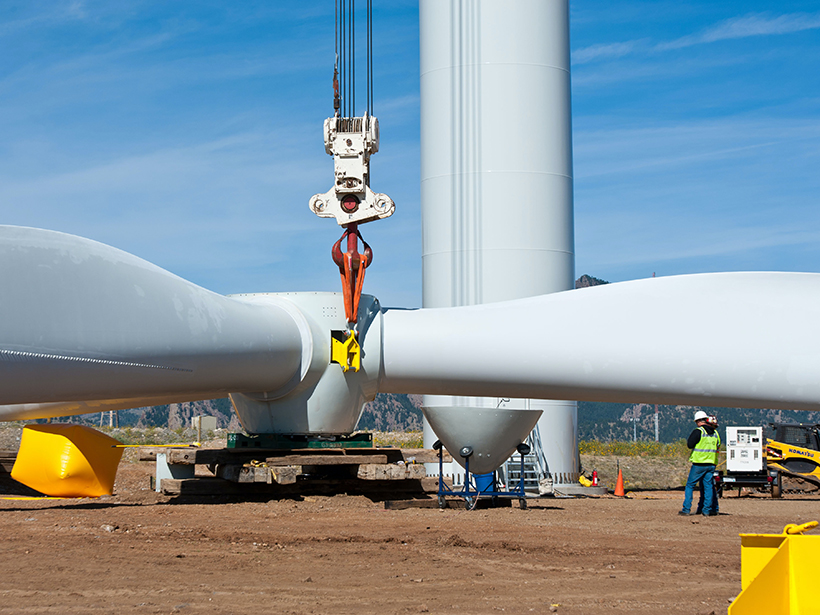
A wind turbine is assembled.
Posted inNews

Forecast: 8 Million Energy Jobs Created by Meeting Paris Agreement

Jenessa Duncombe, Staff Writer by Jenessa Duncombe 1 September 202124 April 2026

Quickly switching to renewables will create 5 million more jobs by 2050 than sticking to fossil fuels will, according to projections.
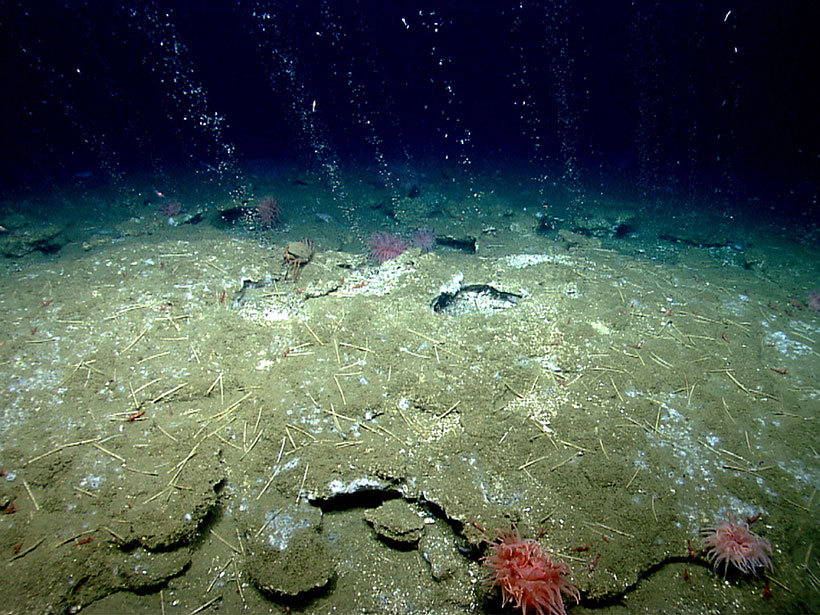
Methane streams arising from the seafloor at a cold seep site offshore of Virginia
Posted inResearch Spotlights

Does the Priming Effect Happen Underwater? It’s Complicated

by Morgan Rehnberg 1 September 202129 September 2021

A new meta-analysis finds evidence that adding fresh organic material can increase decomposition rates, but when and why that happens remain unclear.

A smoking clearing after a forest fire in Brazil.
Posted inENGAGE, Research Spotlights

Amazon Deforestation and Fires are a Hazard to Public Health

Elizabeth Thompson by Elizabeth Thompson 27 August 202130 March 2023

Deforestation in the Amazon has dropped since the early 2000s, but it is slowly climbing again. A new study shows the impact of that climb on public health—and how much worse conditions could be.
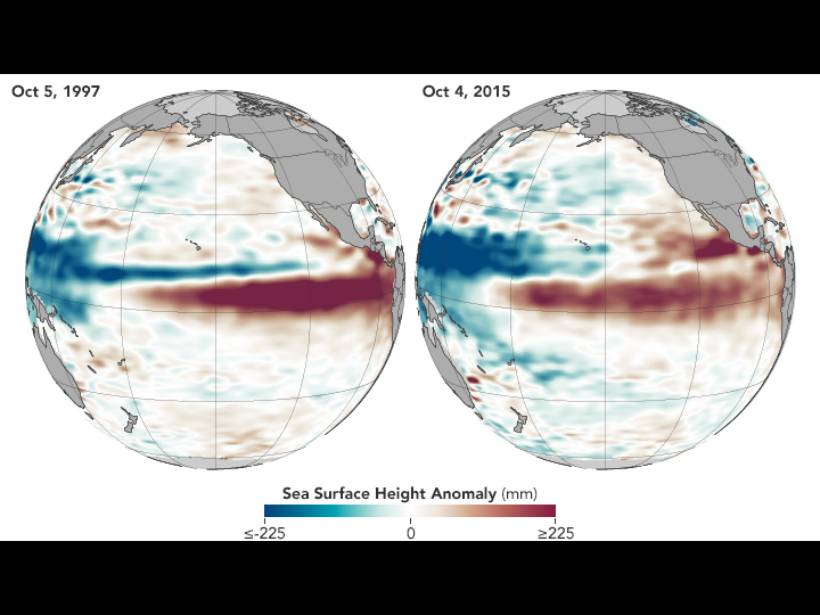
The heat surface of El Niño in 2015 looks like El Niño in 1997.
Posted inResearch Spotlights

Explaining Thermal Tides in the Upper Atmosphere During the 2015 El Niño

by David Shultz 26 August 202116 March 2023

Increased tropospheric heating and reduced dissipation combine to explain an anomalously large thermal tide.

Elk wade in the East Fork of Bitterroot River in Montana during a wildfire in August 2000.
Posted inENGAGE, News

Climate Change and Extreme Weather Linked in U.N. Climate Report

Jenessa Duncombe, Staff Writer by Jenessa Duncombe 25 August 202130 March 2023

A major scientific assessment of global climate science found a much stronger connection between climate change and extreme weather than ever before.

流经西伯利亚的额尔齐斯河
Posted inResearch Spotlights

300万年前,额尔齐斯河推动了北极海冰的扩张

by David Shultz 25 August 202129 September 2021

西伯利亚河的形成导致大量淡水流入喀拉海,从根本上改变了北冰洋和地球的气候。

Posts pagination

Newer posts 1 2 3 4 5 … 23 Older posts
Over a dark blue-green square appear the words Special Report: The State of the Science 1 Year On.

Features from AGU Publications

Research Spotlights

Improving Eddy Tower Evapotranspiration Estimates

20 May 202620 May 2026
Editors' Highlights

Recycled Rocks Reveal Subduction Zone Dynamics Off Baja California

21 May 202621 May 2026
Editors' Vox

The Impact of Advocacy: American Geophysical Union’s Days of Action

14 May 202613 May 2026
Eos logo at left; AGU logo at right

About Eos
ENGAGE
Awards
Contact

Advertise
Submit
Career Center
Sitemap

© 2026 American Geophysical Union. All rights reserved Powered by Newspack