


New research finds that Arctic rivers currently transport limited permafrost-derived dissolved organic carbon, which has implications for understanding the region’s changing carbon cycle—and its potential to accelerate climate change.
2021 AGU
Eos Submission Guidelines
Eos is the science news magazine published by AGU. Scientists write for Eos to share the importance of their research with the wider public. This audience wants to read engaging behind-the-scenes descriptions of how research gets done, insights into the scientific questions and why they matter, and opinions on how scientific culture should progress so […]

Posted inAGU News
Congratulations to the 2021 AGU Union Medal, Award, and Prize Recipients
AGU awards its highest honors for excellence in scientific research, education, communication, and outreach.
Posted inResearch Spotlights
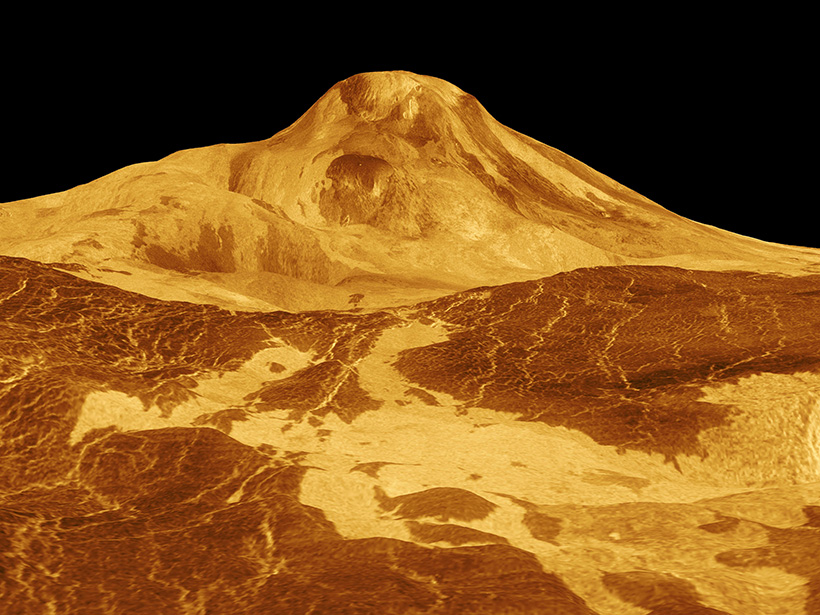
Is Venus Volcanically Active? New Approach Could Provide an Answer

A strategy that combines geologic mapping with data on how the planet’s surface emits and absorbs microwave radiation could potentially identify recent lava flows.
Posted inResearch Spotlights
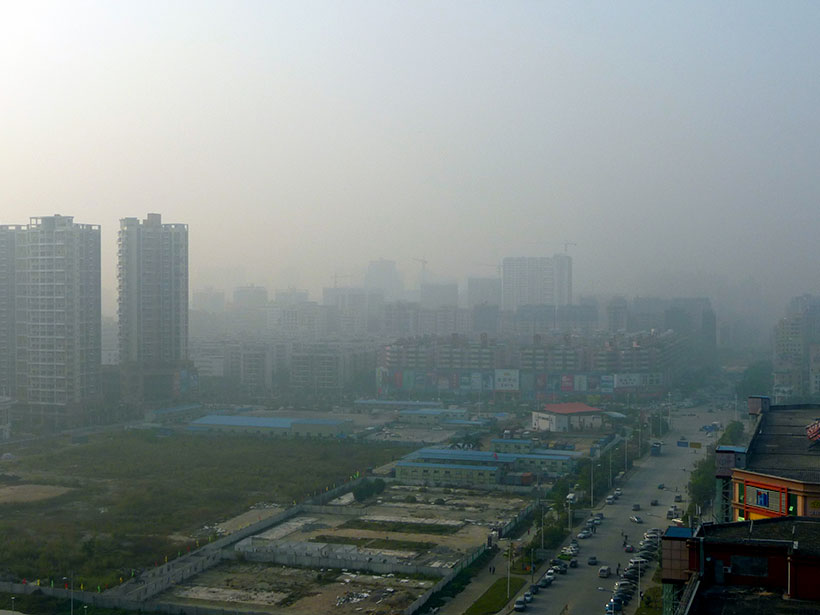
Los beneficios para la salud y el clima de reducir la contaminación del aire

En un nuevo estudio, investigadores aplicaron un modelo global del sistema Tierra para estimar los impactos de las reducciones de emisiones por sector.
Posted inENGAGE, News
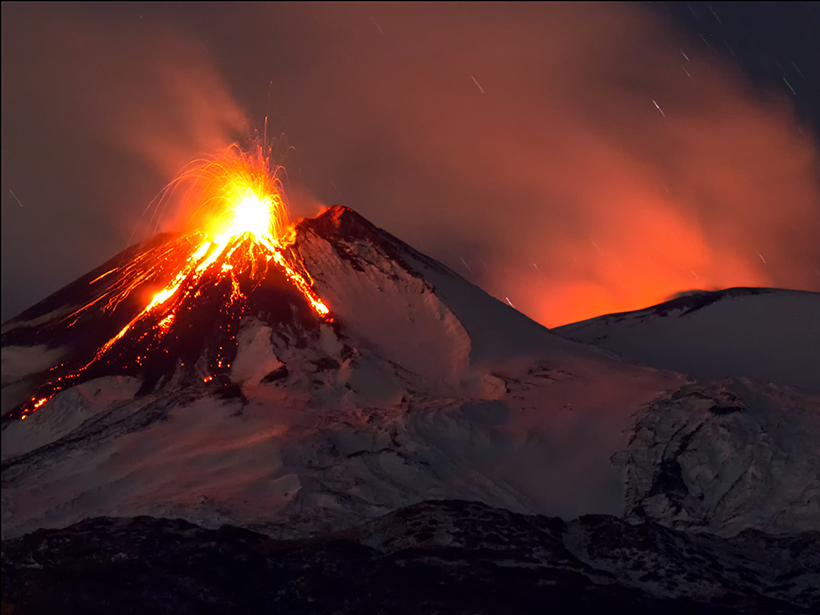
Etna Under Pressure: Does Gas Buildup Foreshadow Eruption?

Pressure from both magma and gas can trigger eruptions. Monitoring degassing can help predict eruptions but only if the magma system is well understood first.
Posted inResearch Spotlights
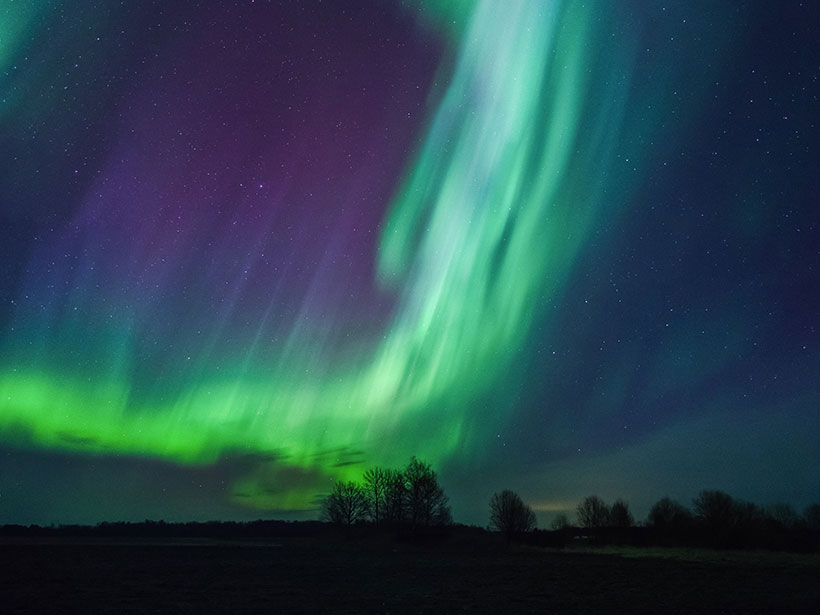
Filling the Gaps in the SuperDARN Archive
Researchers present a new pattern-finding technique to better estimate missing data on ionospheric plasma velocities.

Posted inResearch Spotlights
How Long Do Black Carbon Particles Linger in the Atmosphere?

Researchers uncover how black carbon evolves from hydrophobic particles to cloud nucleation sites, eventually removing the heat-absorbing particles from the sky.
Posted inAGU News
2021 AGU Section Awardees and Named Lecturers
Congratulations to the 2021 section award recipients and named lecturers!