
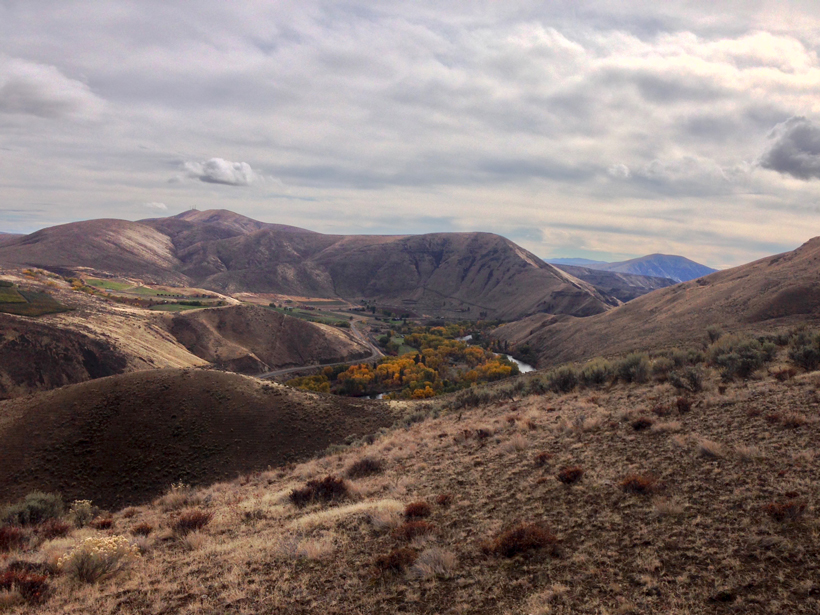

Fault geometry and slip rate analyses show deformation in the Yakima Fold Province accelerated in the Pleistocene and has remained elevated, offering new insights into earthquake recurrence intervals.
CC BY-NC-ND 2018
Posted inFeatures
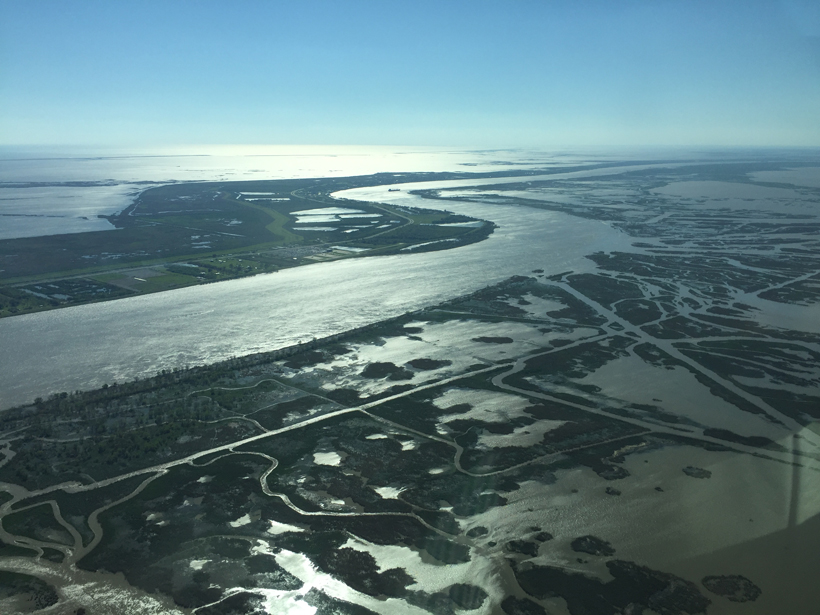
Rethinking the River
The Mississippi River and its delta and plume provide insights into research-informed approaches to managing river-dominated coastal zones.

Posted inAGU News
AGU Launches Its Centennial Celebration

For the next 18 months, AGU will amplify stories of achievement in the Earth and space sciences, build connections with society, and mobilize scientists to communicate their science.

Posted inResearch Spotlights
Studying Soil from a New Perspective
Cosmic ray neutrons probe soil moisture in the Great Plains.
Posted inResearch Spotlights
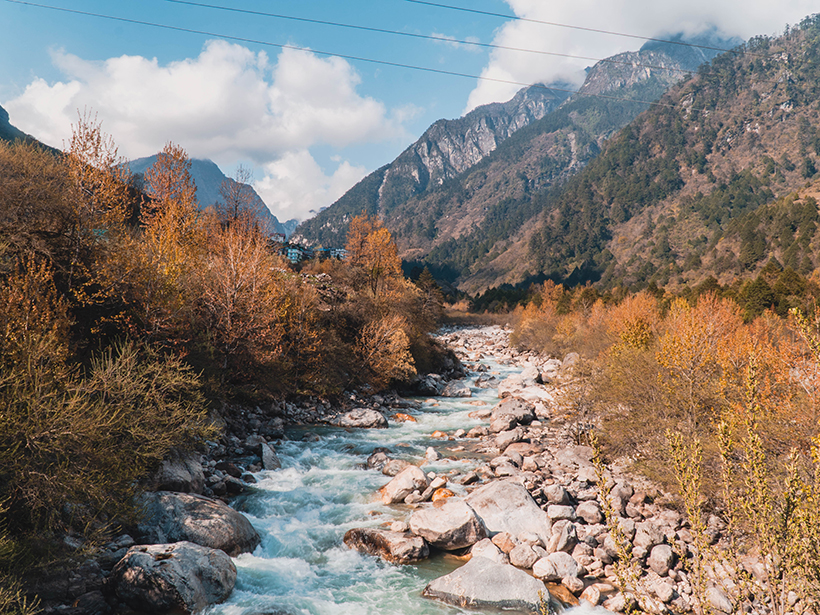
A Closer Look at Turbulent Transport in Gravel Streambeds

Lab-built streams reveal new insights into turbulence-driven exchange of dissolved substances between stream water and sediments below.

Posted inResearch Spotlights
Life and Death in the Deepest Depths of the Seafloor
Lacking light and energy, under-seafloor microbes rely on ancient organic materials to survive.
Posted inNews
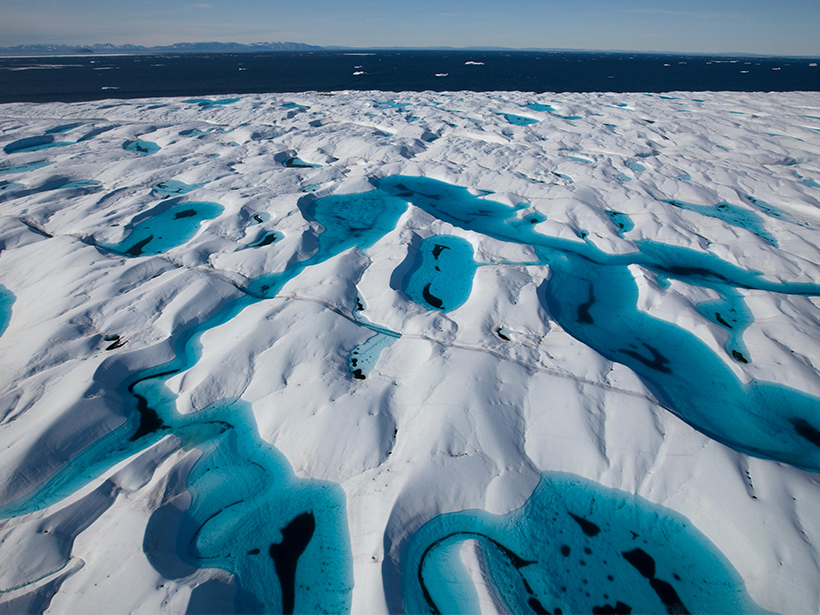
Rare Glacial River Drains Potentially Harmful Lakes

Antarctic lakes have contributed to ice shelf breakup in the past, but a glacier in Greenland appears safe from a similar fate, thanks to a river that drains away water.

Posted inEditors' Vox
Going with the Flow in Outer Space
Near-Earth space is a dynamic electric environment containing different types of current that are continually changing over time and space.

Posted inNews
Does Your Institution Foster a Culture of Sexual Harassment?

A new report outlines how academic institutions create a culture in which sexual harassment can run rampant. Here are some questions, drawn from the report, to help gauge your institution’s culture.

Posted inNews
Emperor Penguins’ Huddles Change in Response to Weather

How quickly the penguins huddled when weather worsened provided clues about their feeding success and how climate change may alter the Antarctic biosphere, according to scientists.