


In areas of low or no flood monitoring, archival coverage of historical flooding can help scientists make better risk predictions.
CC BY-NC-ND 2020
Posted inFeatures
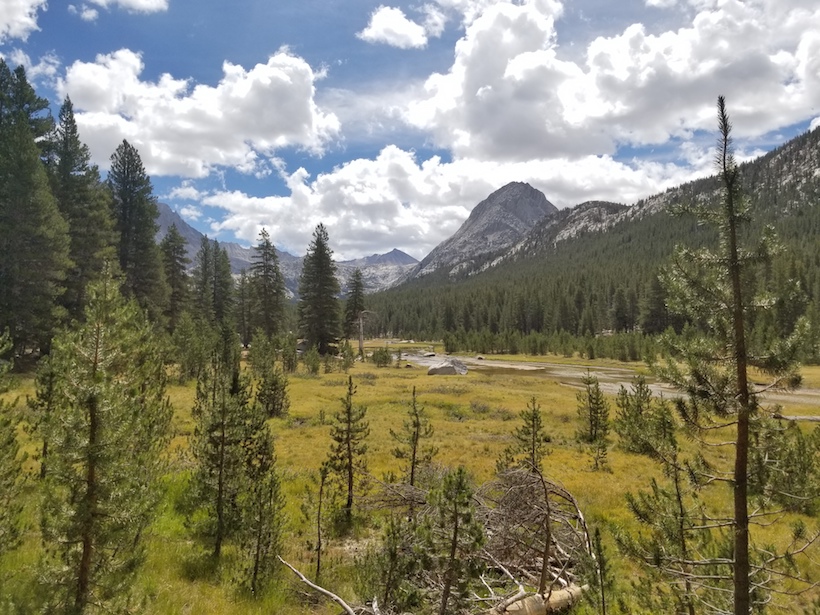
Traversing the High Sierra on the People’s Paths

Living in Geologic Time: Backpacking through the past, present, and future of fire on the John Muir Trail.
Posted inEditors' Highlights
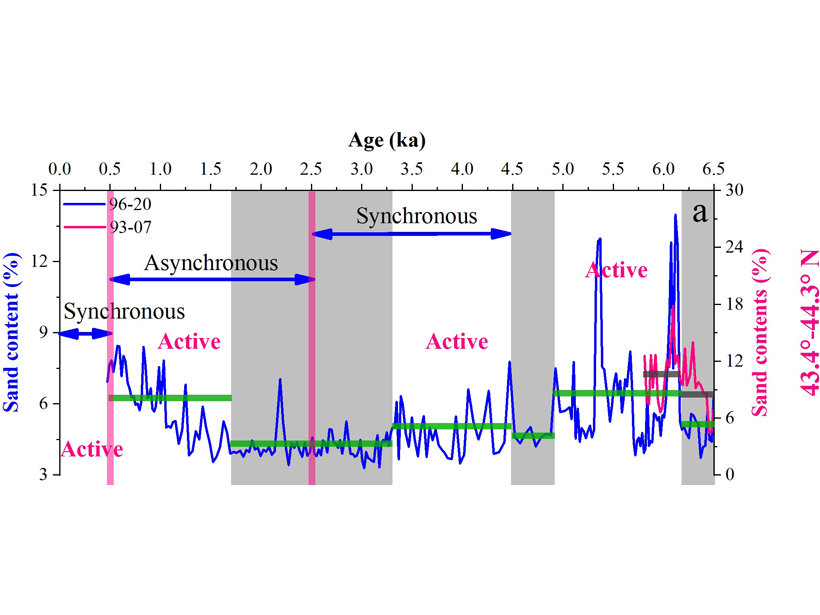
Abrupt Climate Shifts Change the Latitudes of Storm Activity
A new 6500-year construction of storms combined with other paleo-storm records finds abrupt changes in the Atlantic Ocean circulation impact the latitudinal preference of storm activity.

Posted inNews
Rethinking Darwin’s Theory of Atoll Formation

Atolls have a long and complex history related to seafloor evolution, and Darwin’s model is only the beginning of the story.

Posted inEditors' Highlights
The Deepest Layers of the South-West Atlantic Ocean are Warming
A unique temperature time series observed over the past decade in the bottom layers of the south-west Atlantic Ocean shows significant variability with long-term warming trends.
Posted inNews
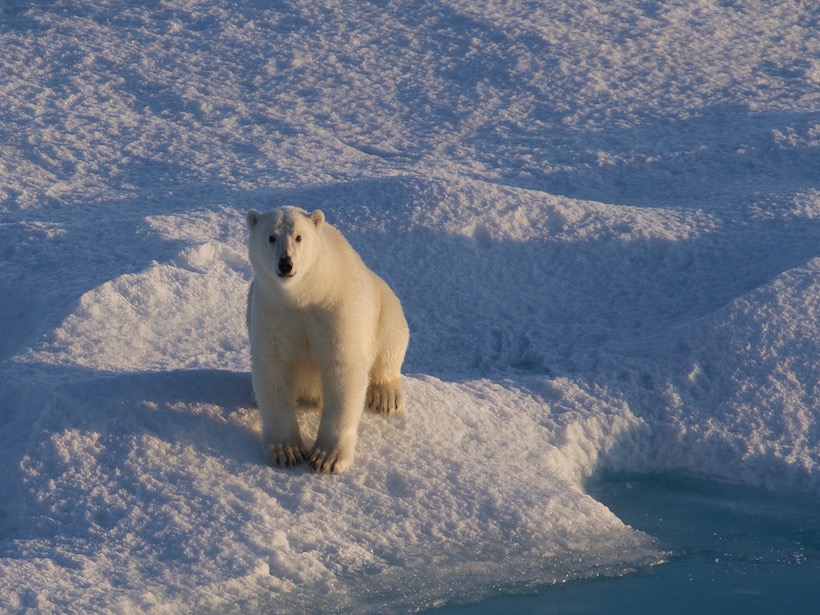
Polar Bears to Vanish from Most of the Arctic This Century

A “timelines of risk” model shows when and where population collapse begins as sea ice wanes in our warming future.
Posted inEditors' Vox
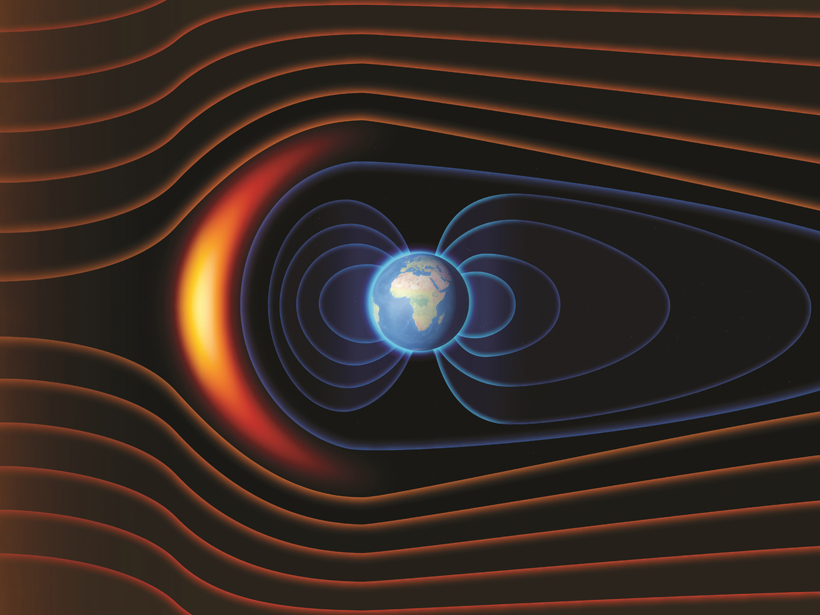
New Results Concerning Solar Wind Entry into the Magnetosphere
A new book describes recent results defining the many pathways and foreshock, bow shock, magnetosheath, and magnetopause phenomena connecting the solar wind to the dayside magnetosphere.
Posted inNews
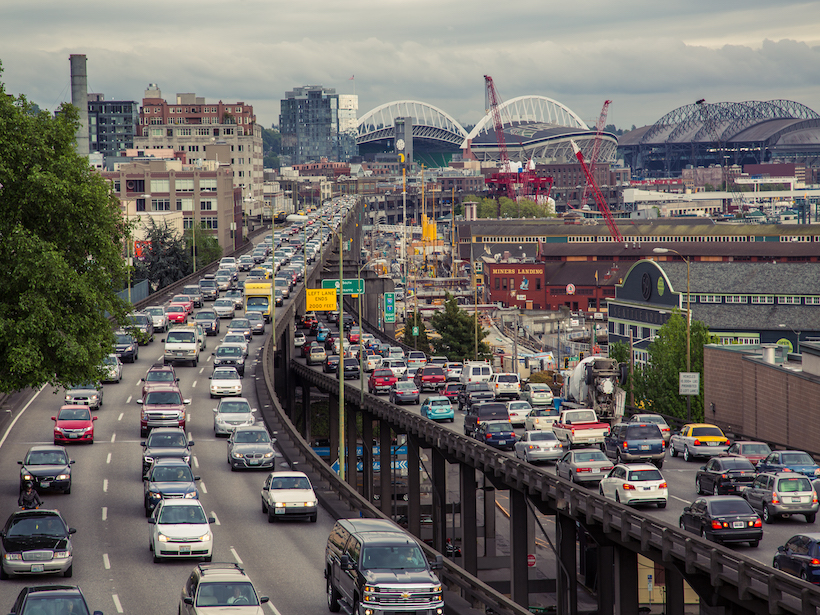
Global North Is Responsible for 92% of Excess Emissions

The United States and European Union bear disproportionate liability for emitting to the atmospheric commons, new research argues.

Posted inEditors' Highlights
Post-Tropical Cyclones Influence on European Windstorm Risk
Comparing the importance of midlatitude cyclones and post-tropical cyclones on European windstorms during the Atlantic hurricane season using ERA-5 reanalysis.
Posted inNews
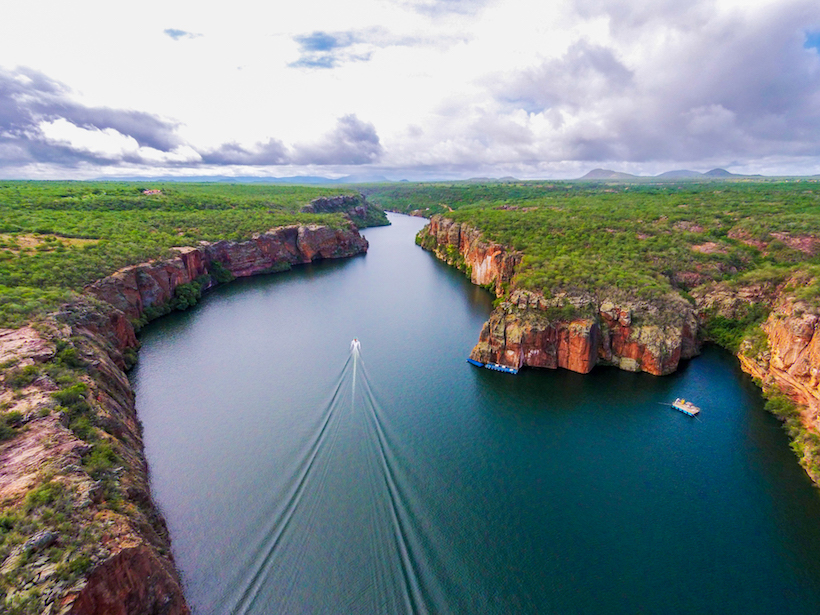
Urbanization, Agriculture, and Mining Threaten Brazilian Rivers
Harder to analyze and quantify, diffuse pollution is often overlooked when it comes to water quality assessments.