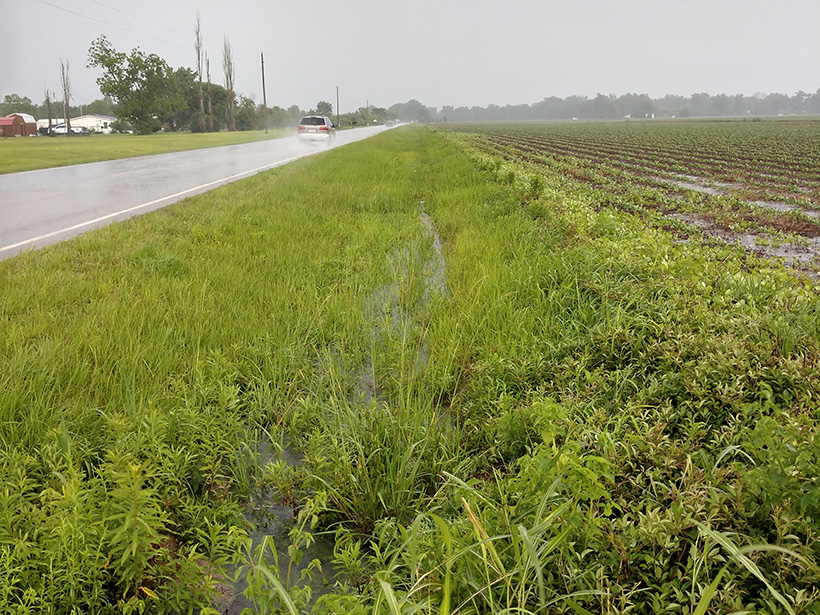
Warfare exacerbates the impacts of drought to produce food insecurity crises that last long after the drought has passed, new research documents.
ENGAGE

Posted inENGAGE, News
Small Climate Changes Could Be Magnified by Natural Processes

A new study uses modeling techniques to uncover how small incidents of warming may be turned into hyperthermal events lasting thousands of years.
Posted inENGAGE, News
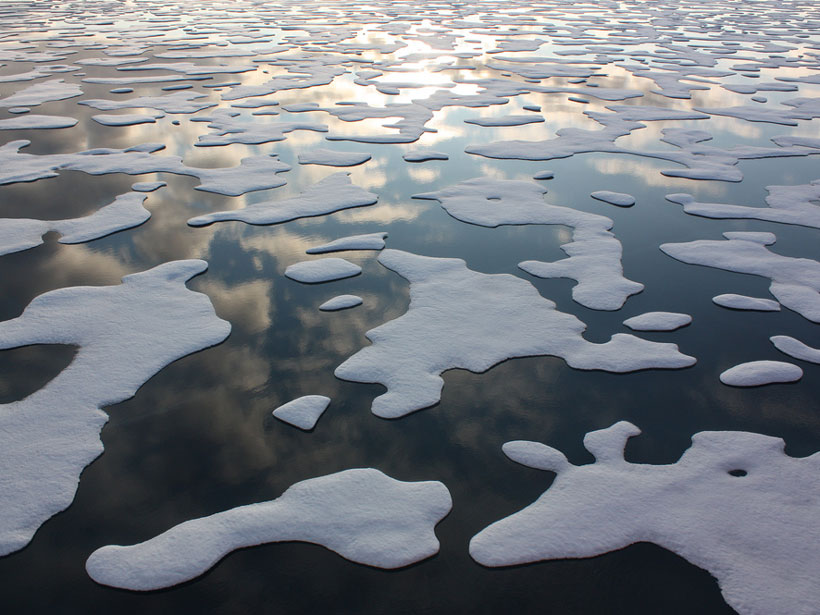
When Wild Weather Blew Old Sea Ice South
Last winter, an unprecedented high-pressure system over the Arctic drove nearly a quarter of old sea ice into warmer waters, putting it at greater risk of melting.
Posted inENGAGE, News
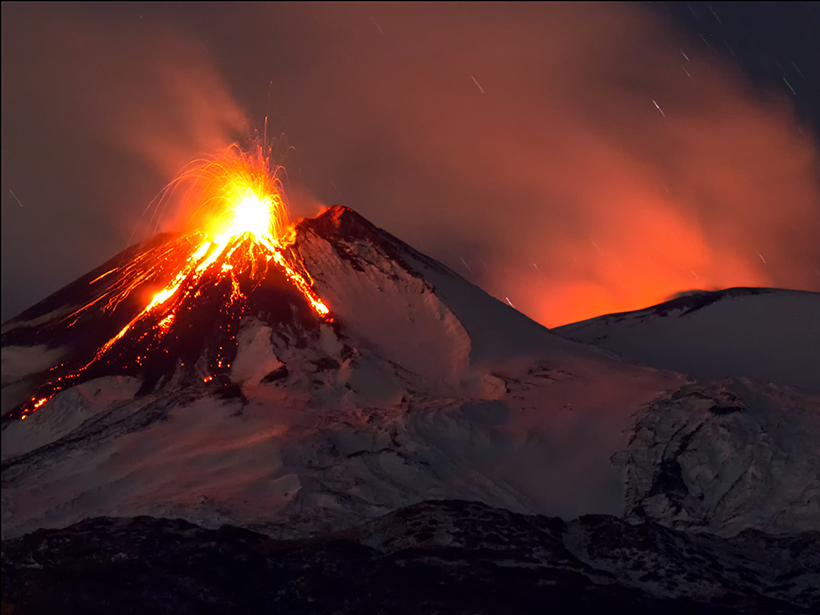
Etna Under Pressure: Does Gas Buildup Foreshadow Eruption?

Pressure from both magma and gas can trigger eruptions. Monitoring degassing can help predict eruptions but only if the magma system is well understood first.
Posted inENGAGE, News
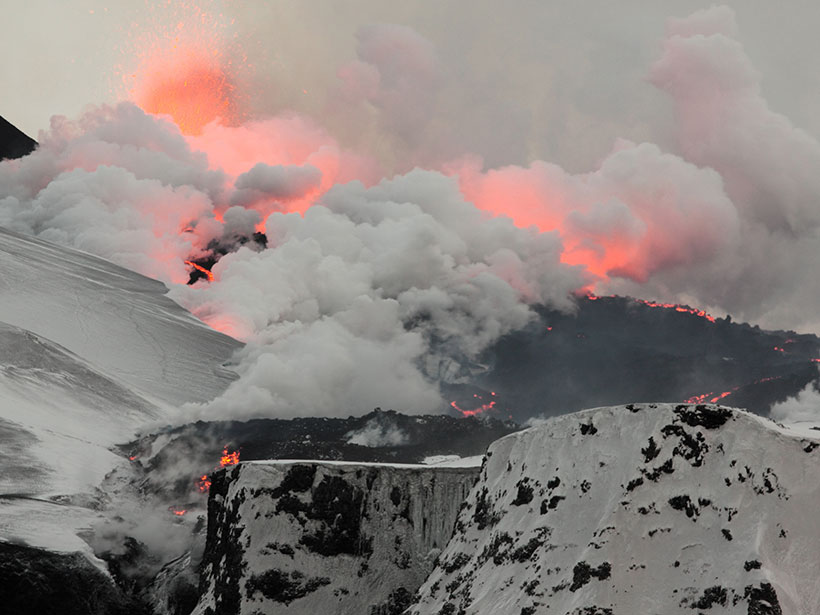
The Understudied Risks of Low-Magnitude Eruptions

Volcanologists have historically focused on the risks of large-scale eruptions, but new research highlights how small eruptions can combine with human-made vulnerabilities to cause catastrophic impacts.
Posted inENGAGE, News
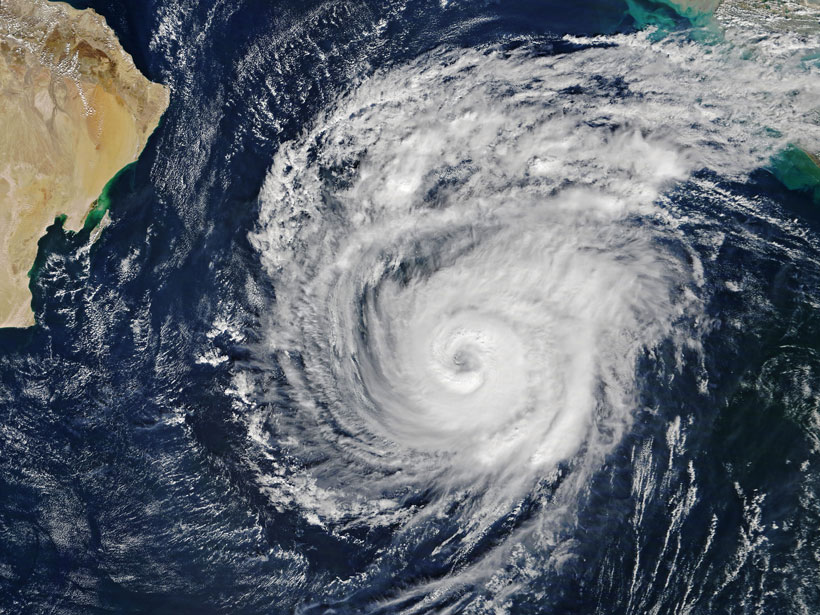
Climate Change Is Making India’s West Coast More Vulnerable to Cyclones

A new study found significant increases in the intensity, frequency, and duration of cyclonic storms over the Arabian Sea. Is the west coast prepared?
Posted inENGAGE, News
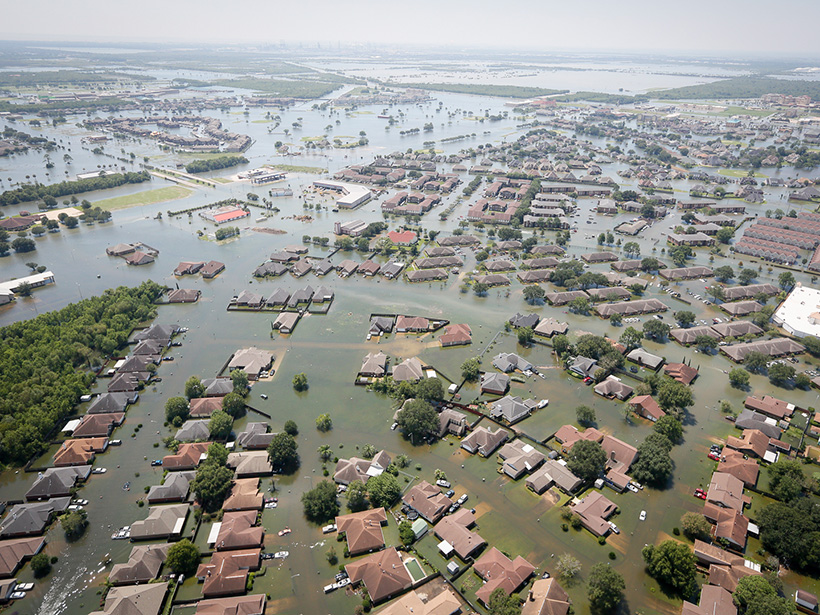
When Rivers Are Contaminated, Floods Are Only the First Problem
As floods increase in frequency and intensity, chemicals buried in river sediments become “ticking time bombs” waiting to activate.
Posted inENGAGE, Research Spotlights
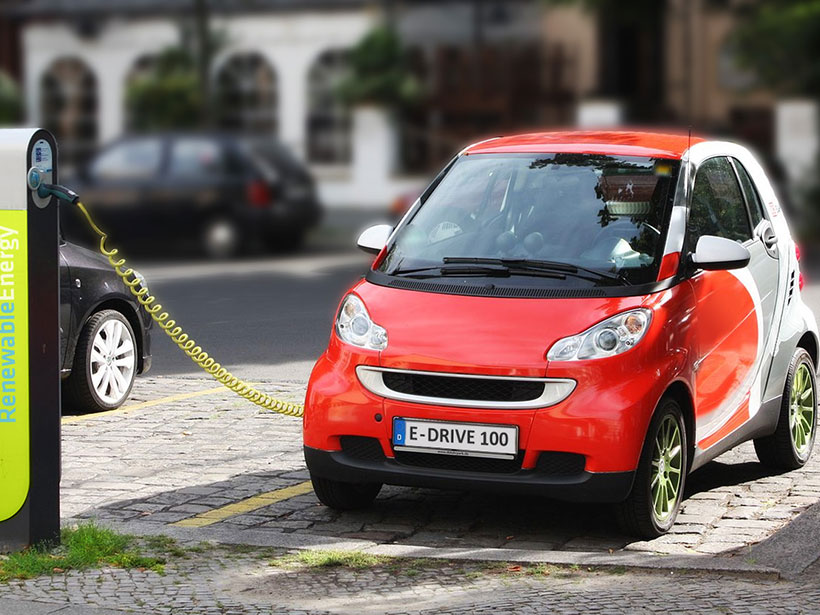
La Captura de Carbono No Puede Resolver el Problema Climático Sin Acciones Individuales

Las elecciones individuales, como la adopción de vehículos eléctricos, serán un factor importante en el cumplimiento de los objetivos climáticos del Acuerdo de París.

Posted inENGAGE, News
State-of-the-Art Technology, Serendipity, and Secrets of Stonehenge

The first comprehensive analysis of what the sarsen stones are made of came about with new technology—and good old-fashioned luck.