• About
  • Sections
  • Topics
    • Climate
    • Earth Science
    • Oceans
    • Space & Planets
    • Health & Ecosystems
    • Culture & Policy
    • Education & Careers
    • Opinions
  • Projects
    • ENGAGE
    • Editors’ Highlights
    • Editors’ Vox
    • Eos en Español
    • Eos 简体中文版
    • Print Archive
  • Science Policy Tracker
  • Blogs
    • Research & Developments
    • The Landslide Blog
  • Newsletter
  • Submit to Eos
  • AGU.org
  • Career Center
  • Join AGU
  • Give to AGU
  • About
  • Sections
  • Topics
    • Climate
    • Earth Science
    • Oceans
    • Space & Planets
    • Health & Ecosystems
    • Culture & Policy
    • Education & Careers
    • Opinions
  • Projects
    • ENGAGE
    • Editors’ Highlights
    • Editors’ Vox
    • Eos en Español
    • Eos 简体中文版
    • Print Archive
  • Science Policy Tracker
  • Blogs
    • Research & Developments
    • The Landslide Blog
  • Newsletter
  • Submit to Eos
Skip to content
  • AGU.org
  • Career Center
  • Join AGU
  • Give to AGU
Eos

Eos

Science News by AGU

Support Eos
Sign Up for Newsletter
  • About
  • Sections
  • Topics
    • Climate
    • Earth Science
    • Oceans
    • Space & Planets
    • Health & Ecosystems
    • Culture & Policy
    • Education & Careers
    • Opinions
  • Projects
    • ENGAGE
    • Editors’ Highlights
    • Editors’ Vox
    • Eos en Español
    • Eos 简体中文版
    • Print Archive
  • Science Policy Tracker
  • Blogs
    • Research & Developments
    • The Landslide Blog
  • Newsletter
  • Submit to Eos

aquifers

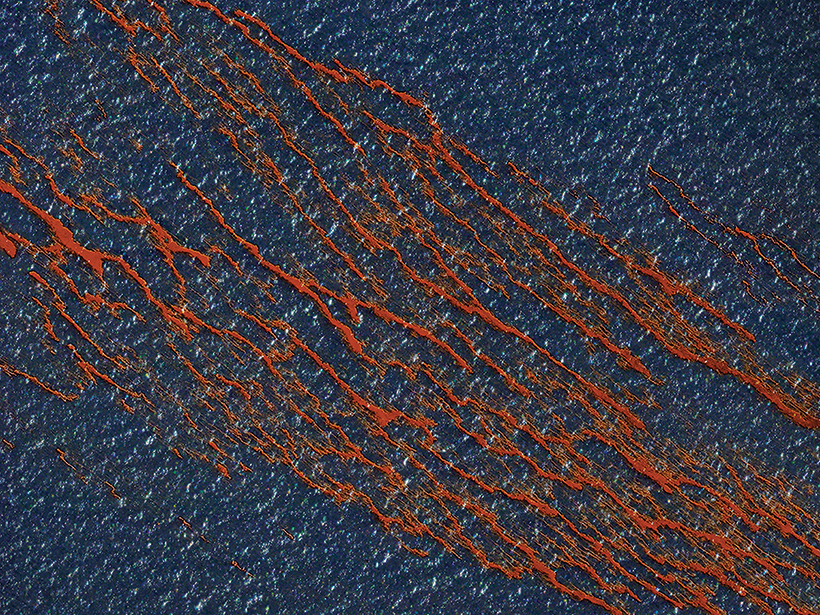
Oil from the Deepwater Horizon disaster floats in the Gulf of Mexico in April 2010.
Posted inFeatures

Modeling Under Pressure

Mark Betancourt, Freelance Journalist by Mark Betancourt 25 March 202019 August 2022

At a critical moment in the effort to end one of the world’s worst oil spills, one scientist holed up in his office and pulled an all-nighter to calculate the well’s aquifer support.

Various charts relating to the data in this paper
Posted inEditors' Highlights

Remotely Monitoring Groundwater Using Standard Techniques

by G. P. Hayes 3 February 202013 January 2022

Novel use of standard, single-station seismological techniques can be used to remotely monitor aquifer systems.
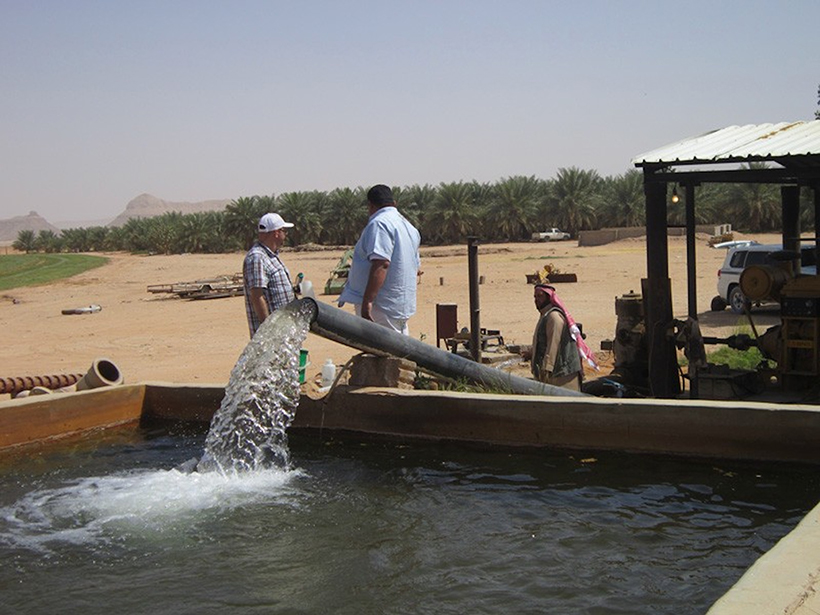
Water flows from a pipe at an oasis in the Saudi desert.
Posted inNews

Arid Arabian Peninsula Is Tapping into Vast Groundwater Reserves

Mary Caperton Morton, Science Writer by Mary Caperton Morton 5 November 201925 August 2022

A new, multipronged study sheds light on an ancient aquifer system.
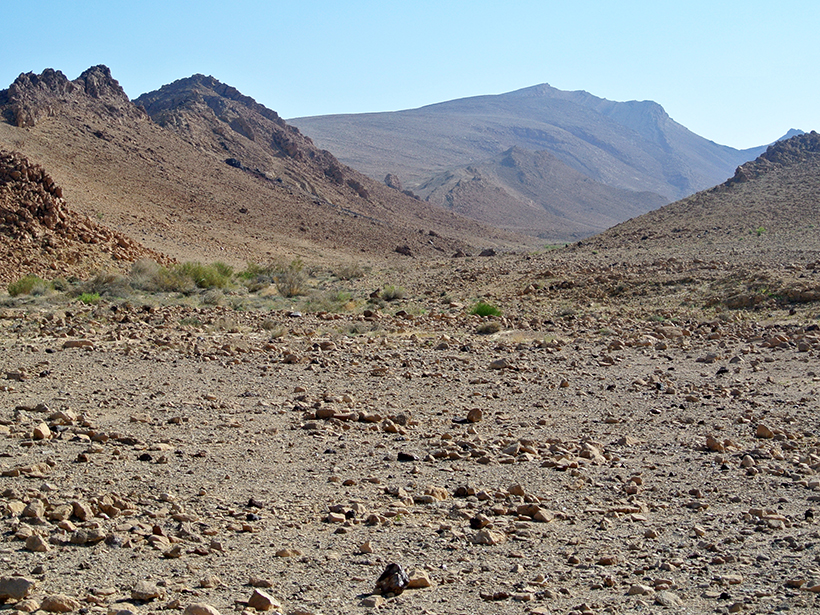
Rocky, steep-sided desert valley
Posted inNews

The Dawning of the Age of Old Aquifers

Sarah Derouin, Science Writer by Sarah Derouin 21 August 201919 July 2022

A new technique using 81Kr can measure the age of old groundwater in arid regions. The method can be used as a proxy for past climates and weather patterns.

Photo of a destroyed seawall with Japanese writing
Posted inNews

Earthquakes Shake Up Groundwater Systems

Mary Caperton Morton, Science Writer by Mary Caperton Morton 13 August 201911 May 2022

Increased permeability temporarily boosts water flow.

Photo of a jetty and ocean beach
Posted inNews

Huge Aquifer Imaged off the Atlantic Coast

Mary Caperton Morton, Science Writer by Mary Caperton Morton 30 July 20193 November 2021

Offshore aquifers may be a common feature along passive continental margins around the world.

Man collects water from a pipe to put in a test tube.
Posted inNews

Ancient Water Underlies Arid Egypt

Mary Caperton Morton, Science Writer by Mary Caperton Morton 18 June 20196 February 2023

A hidden trove of groundwater is left over from the last ice age.

Helheim Glacier Greenland and surrounding icy landscape
Posted inResearch Spotlights

Modeling the Subsurface Hydrology of the Greenland Ice Sheet

Aaron Sidder, freelance science writer by Aaron Sidder 7 June 201923 March 2023

Firn aquifers—pockets of meltwater beneath the surface of an ice sheet—could have far-reaching impacts on subglacial hydrology, a new study finds.

Posted inEditors' Highlights

Pumping Offshore Groundwater Resources Has Consequences on Land

by M. Bayani Cardenas 22 March 201917 June 2025

While vast volumes of fresh groundwater are located offshore, pumping these reserves can also deplete on-shore aquifers and cause land subsidence.

A woman draws water from a well in northern India, where unsustainable aquifers are vulnerable to drought conditions.
Posted inResearch Spotlights

A Closer Look at the Sustainability of Our Groundwater Aquifers

by L. Strelich 19 October 20186 February 2023

Researchers use a new approach to assessing the world’s largest aquifers in hopes of improving groundwater management during drought periods.

Posts pagination

Newer posts 1 2 3 4 5 Older posts
A view of a bridge, with the New Orleans skyline visible in the distance between the bridge and the water. A purple tint, a teal curved line representing a river, and the text “#AGU25 coverage from Eos” overlie the photo.

Features from AGU Publications

Research Spotlights

Understanding Flux, from the Wettest Ecosystems to the Driest

24 November 202524 November 2025
Editors' Highlights

Using Lightning-Induced Precipitation to Estimate Electron Belt Decay Times

3 December 20252 December 2025
Editors' Vox

Hydrothermal Circulation and Its Impact on the Earth System

3 December 20253 December 2025
Eos logo at left; AGU logo at right

About Eos
ENGAGE
Awards
Contact

Advertise
Submit
Career Center
Sitemap

© 2025 American Geophysical Union. All rights reserved Powered by Newspack