
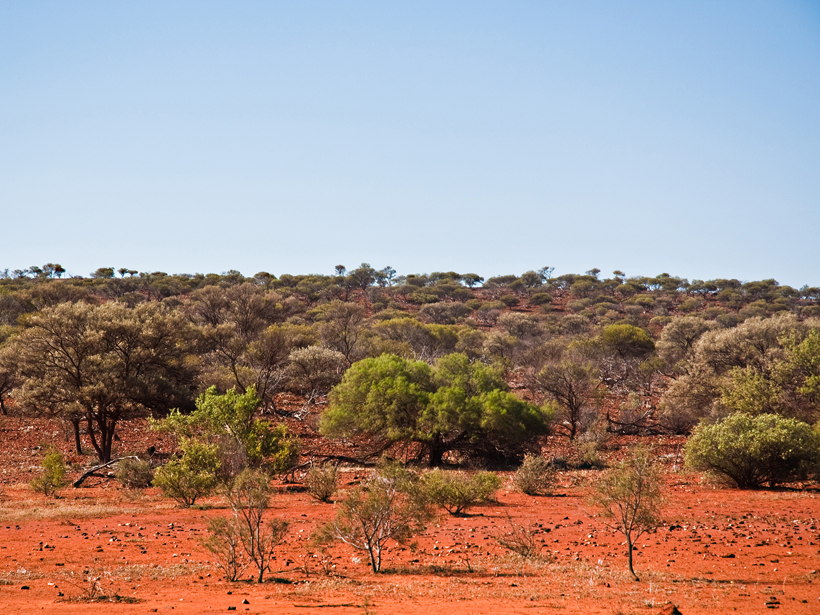

Satellite measurements of atmospheric carbon dioxide provide insights into how droughts and floods influence the carbon cycle on the semiarid continent of Australia.
carbon cycle
Posted inNews
Iron Fertilization Might Not Make Oceans Better Carbon Sinks
New research suggests more iron during the last ice age did not mean more algae production in the equatorial Pacific, pointing to possible futility of a controversial geoengineering idea.

Posted inResearch Spotlights
Conservation Farming Shown to Protect Carbon in Soil
A closer look at cultivated land informs actions to protect the vitality of our soil.

Posted inResearch Spotlights
High Methane Emissions Detected During Subarctic Lake Melt

A spike detected in surface methane released from a seasonally ice-covered lake in northern Sweden coincides with the spring thaw and lake overturn.
Posted inNews
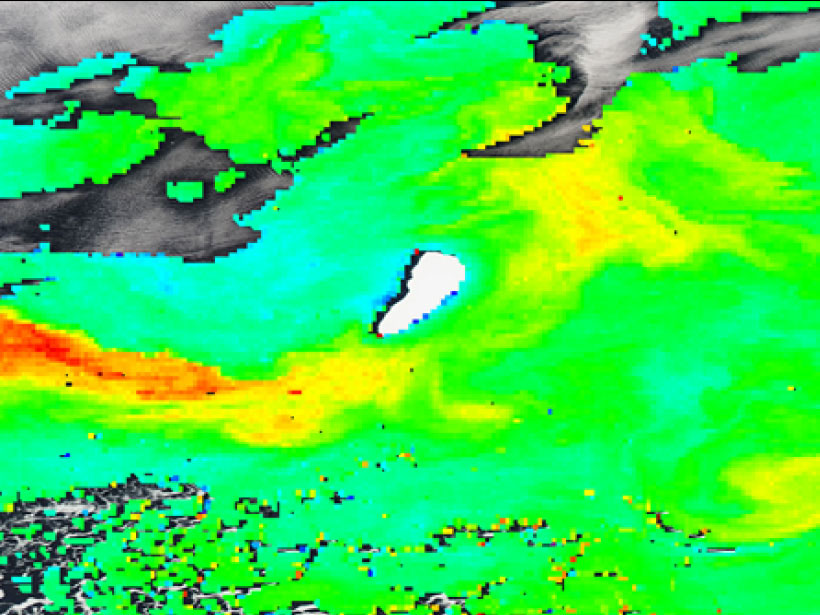
Icebergs Fertilize Southern Ocean, Sequester Carbon

Huge, drifting ice rafts (the white spot on the satellite image below ) shed minerals as they melt, painting trails of nutrients, teeming phytoplankton, and chlorophyll across hundreds of kilometers of ocean.
Posted inNews
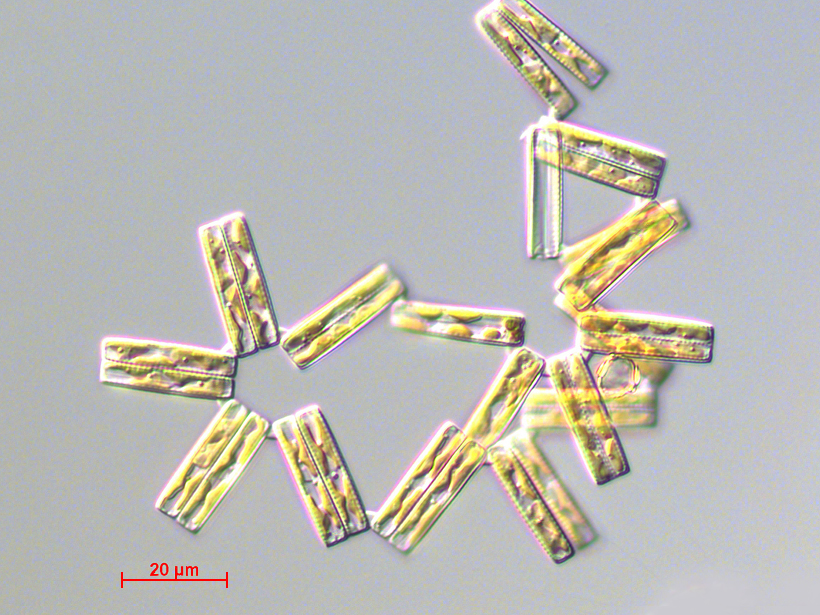
Plankton Reveal New Secrets About Ancient CO2 Levels
An analysis of phytoplankton shells doubles previous estimates of the amount of carbon dioxide in the atmosphere 11 million years ago.
Posted inNews
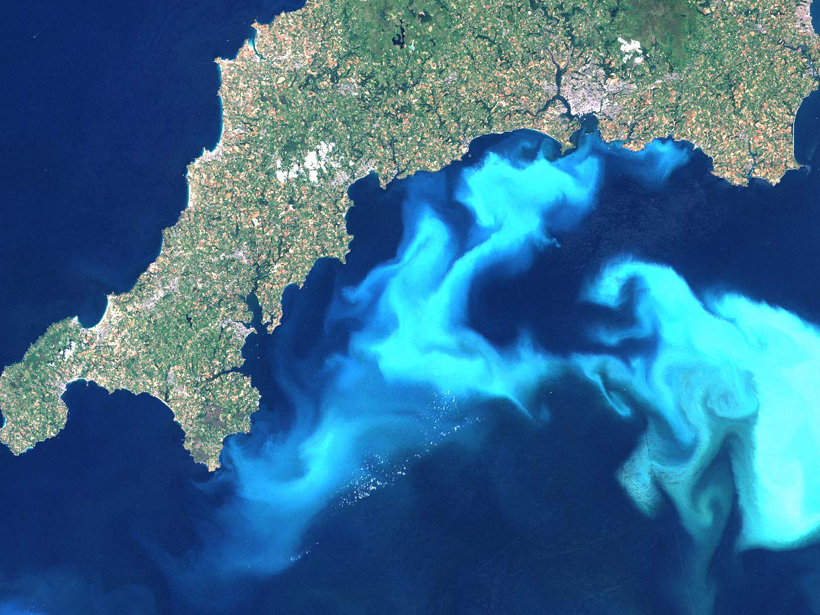
Salty Secret Might Aid Carbon Impact of Restored Wetlands

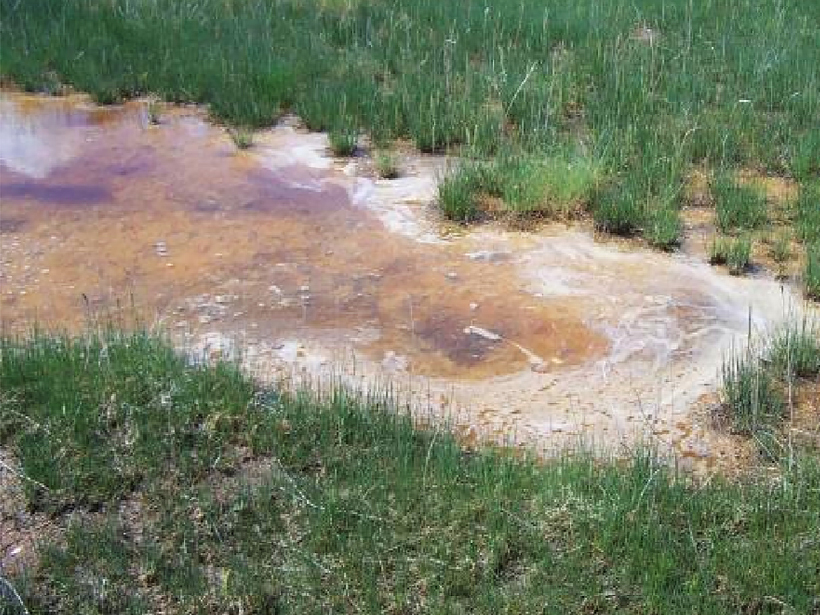
Research on a surprising way rainfall affected the salinity of a boreal peatland might help restorers of such wetlands wrecked by tar sands mining maximize carbon absorption of reclaimed marshes.
Posted inNews
Michael R. Raupach (1950–2015)
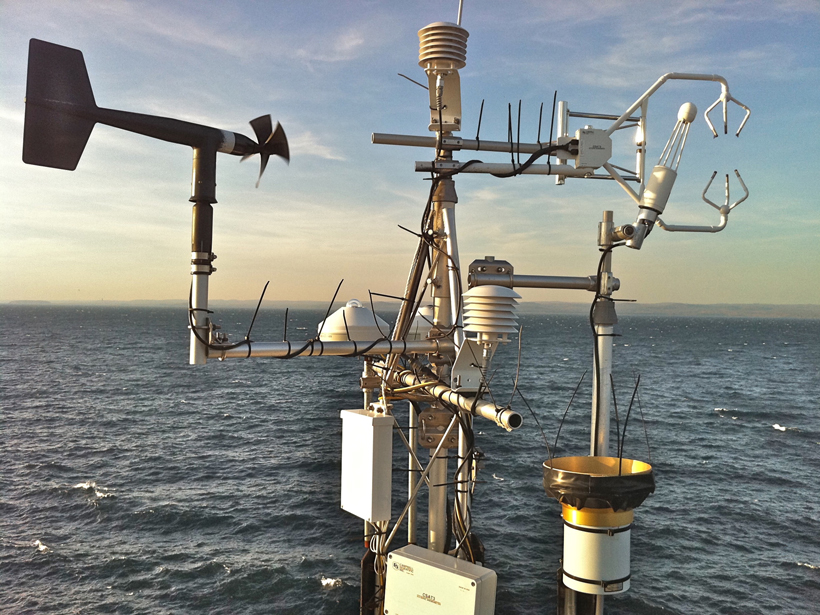
A pioneer in fields ranging from plant-atmosphere interactions to the carbon cycle, this Australian climate scientist transformed modern micrometeorology and cofounded the Global Carbon Project.
Posted inOpinions
Managing the Carbon Cycle Requires Strong Science
For future climate change mitigation strategies to be effective, carbon cycle science must receive a major boost.
Posted inResearch Spotlights
Climate Variability Across Scales Affects Ecosystems over Time

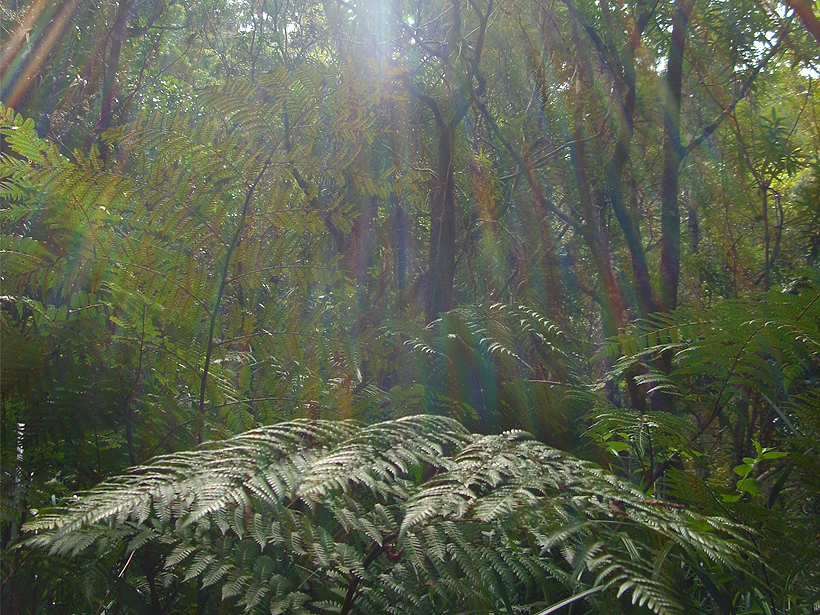
Given enough time, short-term variations in temperature, precipitation, and solar radiation influence the fluxes of water and carbon through ecosystems.