• About
  • Special Reports
  • Topics
    • Climate
    • Earth Science
    • Oceans
    • Space & Planets
    • Health & Ecosystems
    • Culture & Policy
    • Education & Careers
    • Opinions
  • Projects
    • Postcards From the Field
    • ENGAGE
    • Editors’ Highlights
    • Editors’ Vox
    • Eos en Español
    • Eos 简体中文版
    • Print Archive: 2015–2025
  • Policy Tracker
  • Blogs
    • Research & Developments
    • The Landslide Blog
  • Newsletter
  • Submit to Eos
  • AGU.org
  • Career Center
  • Join AGU
  • Give to AGU
  • About
  • Special Reports
  • Topics
    • Climate
    • Earth Science
    • Oceans
    • Space & Planets
    • Health & Ecosystems
    • Culture & Policy
    • Education & Careers
    • Opinions
  • Projects
    • Postcards From the Field
    • ENGAGE
    • Editors’ Highlights
    • Editors’ Vox
    • Eos en Español
    • Eos 简体中文版
    • Print Archive: 2015–2025
  • Policy Tracker
  • Blogs
    • Research & Developments
    • The Landslide Blog
  • Newsletter
  • Submit to Eos
Skip to content
  • AGU.org
  • Career Center
  • Join AGU
  • Give to AGU
Eos

Eos

Science News by AGU

Support Eos
Sign Up for Newsletter
  • About
  • Special Reports
  • Topics
    • Climate
    • Earth Science
    • Oceans
    • Space & Planets
    • Health & Ecosystems
    • Culture & Policy
    • Education & Careers
    • Opinions
  • Projects
    • Postcards From the Field
    • ENGAGE
    • Editors’ Highlights
    • Editors’ Vox
    • Eos en Español
    • Eos 简体中文版
    • Print Archive: 2015–2025
  • Policy Tracker
  • Blogs
    • Research & Developments
    • The Landslide Blog
  • Newsletter
  • Submit to Eos

carbon emissions

Figure showing modeled atmospheric carbon dioxide concentrations over an image of Earth’s surface, with warmer colors representing higher concentrations
Posted inFeatures

Simpler Presentations of Climate Change

by John Aber and Scott V. Ollinger 13 September 20221 June 2023

The basics of climate change science have been known for a long time, and the predicted impact of a doubling of atmospheric carbon dioxide on global temperature hasn’t changed much in 100 years.

Green building with many windows and white AC fans near each window
Posted inNews

Major Investment in Air-Conditioning Needed to Address Future Heat Waves

by Jennifer Schmidt 9 September 20221 June 2023

More than 80% of urban residents will need AC by the 2050s, but many of the world’s poorer countries may struggle to meet that demand.
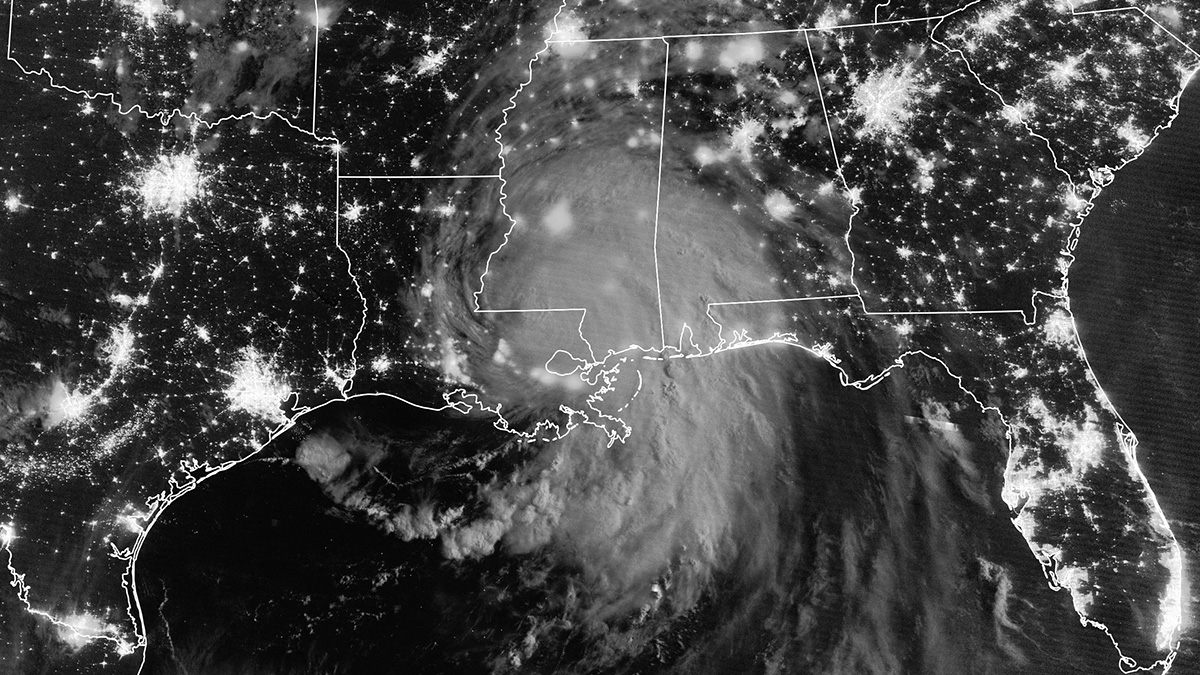
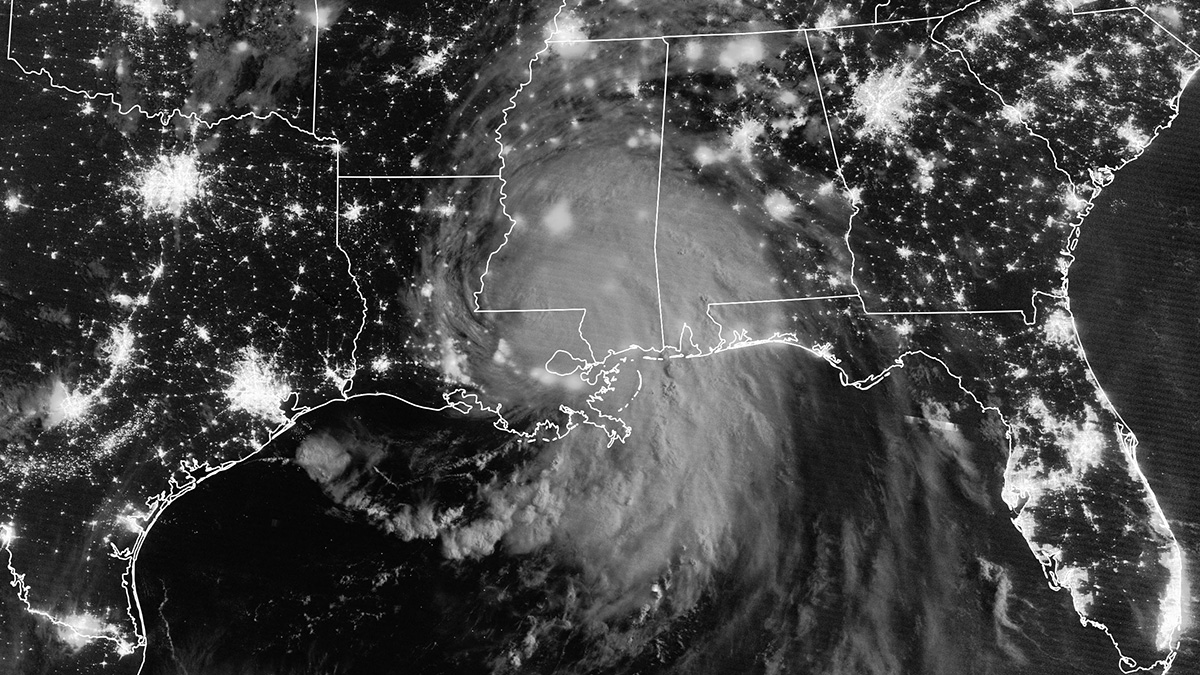
Aerial image of a spiral storm over the southern United States
Posted inNews

A New Approach to an Unresolved Mystery in Climate Economics

Jenessa Duncombe, Staff Writer by Jenessa Duncombe 2 September 202226 October 2022

Do shifts in temperature have enduring economic impacts? A “clever” trick identifying climate trends gets us one step closer to addressing this long-standing question in climate economics.
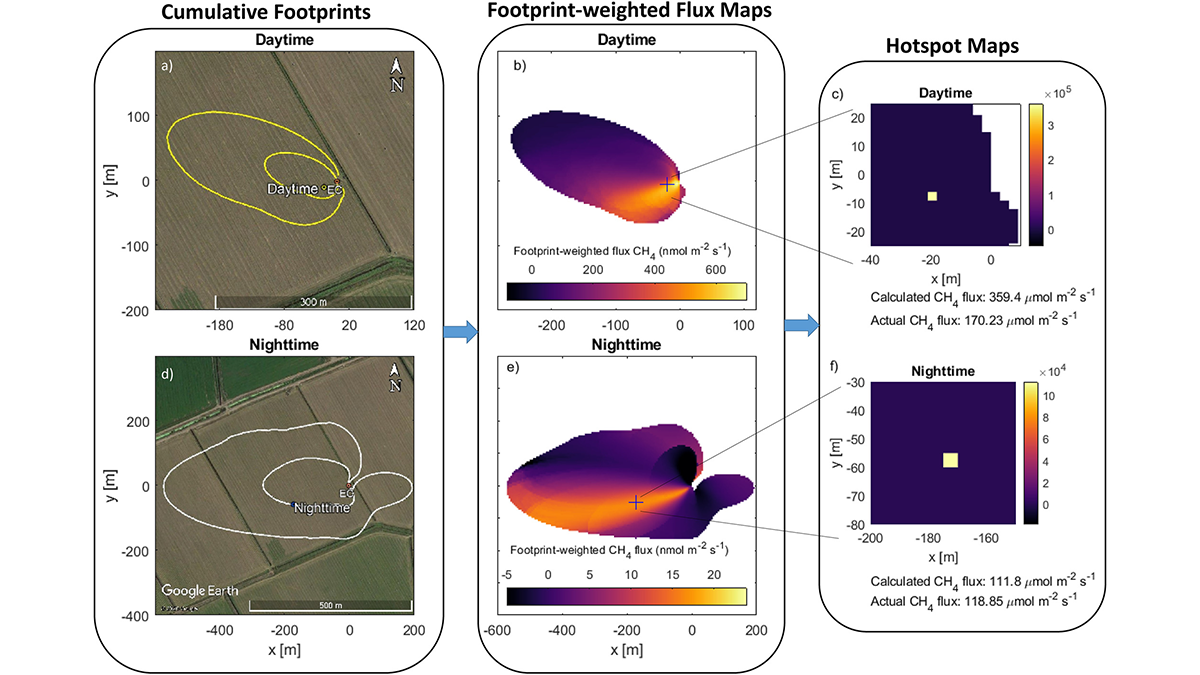
Diagrams showing footprint, flux maps and hotspot maps.
Posted inEditors' Highlights

Sleuthing for Culprits of Greenhouse Gas Emissions

by Ankur R. Desai 23 August 202228 September 2022

A new approach to detect hot spots of methane emissions with eddy covariance flux towers proves to be a worthy contender.

Three scientists discuss around a map on a table.
Posted inFeatures

How an Unlikely Friendship Upended Permafrost Myths

Jenessa Duncombe, Staff Writer by Jenessa Duncombe 19 August 202220 September 2023

“Beautifully long arguments” between an American scientist and a Russian researcher helped clarify several fundamental assumptions about permafrost thaw.

Anesthesiologists can help reduce greenhouse gas emissions by replacing inhaled anesthetics with intravenous ones.
Posted inENGAGE, News

Should Inhaled Anesthetics Be Swapped for IVs?

by Robin Donovan 29 July 202224 March 2023

Using intravenous anesthetics instead of volatile ones could help curb greenhouse gas emissions, but there are challenges to making the switch.

Photo of tubes of rock samples on a laboratory table with a microscope in the background.
Posted inNews

Stretching Crust Explains Earth’s 170,000-Year-Long Heat Wave

by Jennifer Schmidt 27 July 202227 July 2022

During a brief period in Earth’s past, a massive emission of carbon abruptly raised global temperatures, acidified oceans, and stamped out species. New data may help explain how it happened.

Three field photographs showing different vegetation types.
Posted inEditors' Highlights

It’s Cool to be Short When You’re in the Arctic Permafrost

by Ankur R. Desai 15 July 202225 July 2022

Extensive ground temperature measurements complicate our understanding of how vegetation cover, snow duration, and microtopography influence the pace of permafrost thaw in a changing climate.

A ship sails through sea ice.
Posted inNews

Arctic Shipping Routes Are Feeling the Heat

Jenessa Duncombe, Staff Writer by Jenessa Duncombe 6 July 202218 October 2022

Climate science and the global shipping industry collide in an ice-poor Arctic.

Audrey Goeckner gathering sediment samples from a stormwater pond in Florida.
Posted inNews

Stormwater Ponds Are Carbon Sources, Not Sinks

by Robin Donovan 22 June 202222 June 2022

New research from Florida tracks carbon dioxide and methane emissions from human-created waterways.

Posts pagination

Newer posts 1 … 8 9 10 11 12 … 24 Older posts
Over a dark blue-green square appear the words Special Report: The State of the Science 1 Year On.

Features from AGU Publications

Research Spotlights

The Speedy Particles That Could Help Us Learn More About Uranus

18 June 202618 June 2026
Editors' Highlights

Where Methane is Emitted Matters for Global Burden

18 June 202616 June 2026
Editors' Vox

Small-Scale Indian Ocean Dynamics Underpin Marine Ecology and Climate

4 June 20263 June 2026
Eos logo at left; AGU logo at right

About Eos
ENGAGE
Awards
Contact

Advertise
Submit
Career Center
Sitemap

© 2026 American Geophysical Union. All rights reserved Powered by Newspack