
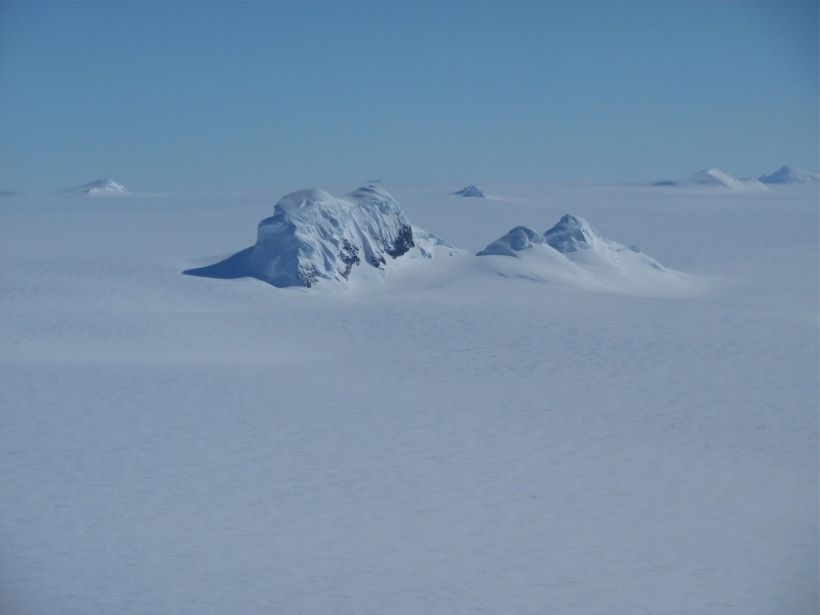
Scientists are still seeking an explanation for the Mid-Pleistocene Transition when ice ages became longer in duration and exploring what it may mean for future climate change.
Climate Change

Posted inNews
Testing on the Tundra: NASA Snow Program Heads North
With infrastructure, experience, and a slice of the world’s largest snow biomes, Alaska is an essential research destination for NASA’s multiyear SnowEx campaign.

Posted inEditors' Highlights
Tropical Cyclone Induced Increase in Ocean Primary Production
A positive trend in tropical cyclone induced ocean mixing and primary production is compensating the overall decline in global primary production due to anthropogenic climate change.
Posted inEditors' Vox
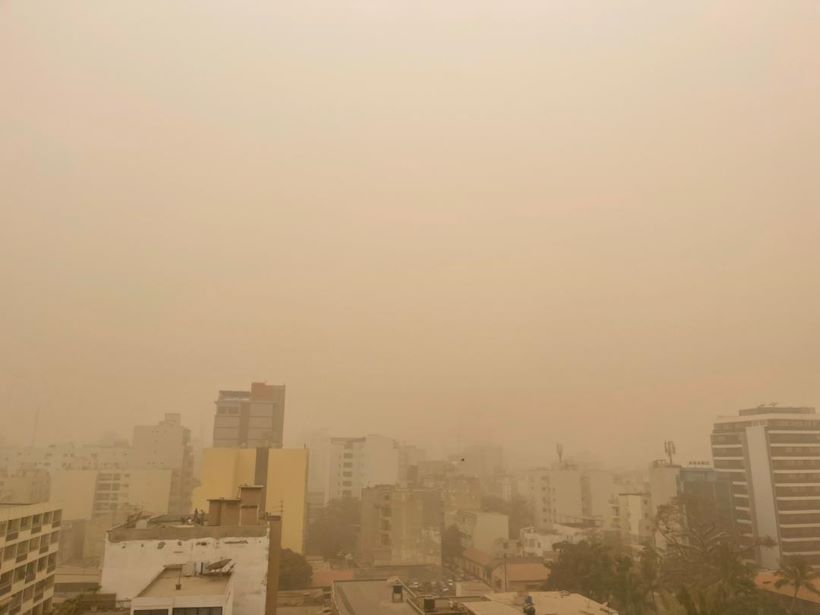
The Intersections of Environment, Health, and COVID-19 in Africa
A new special collection in GeoHealth seeks papers examining the link between environmental conditions and human health in Africa.

Posted inNews
Climate Litigation Has a Big Evidence Gap

Climate-related lawsuits don’t often quantitatively link the defendant’s greenhouse gas emissions to the impacts on the plaintiff. Better lines of communication between climate scientists and climate lawyers could help bridge that gap.

Posted inNews
A Road Map for Climate Retreat

Scientists say managed retreat from climate-related dangers has to start now, and they are exploring potential guidelines for response and adaptation.
Posted inEditors' Highlights
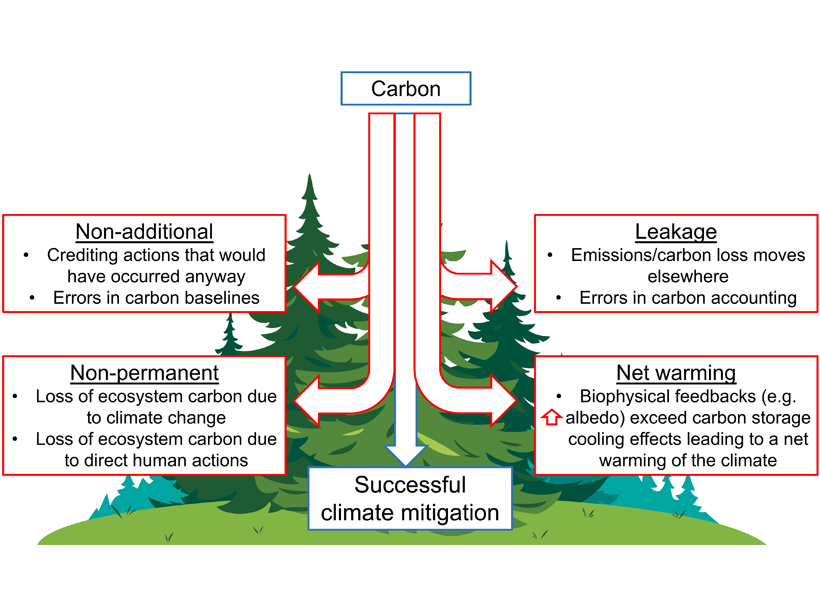
Permanence of Nature-Based Climate Solutions at Risk

Conserving native ecosystems helps sequester carbon and mitigate climate change, but new statistical modeling questions the permanence of California’s carbon-rich forests with climate change.

Posted inNews
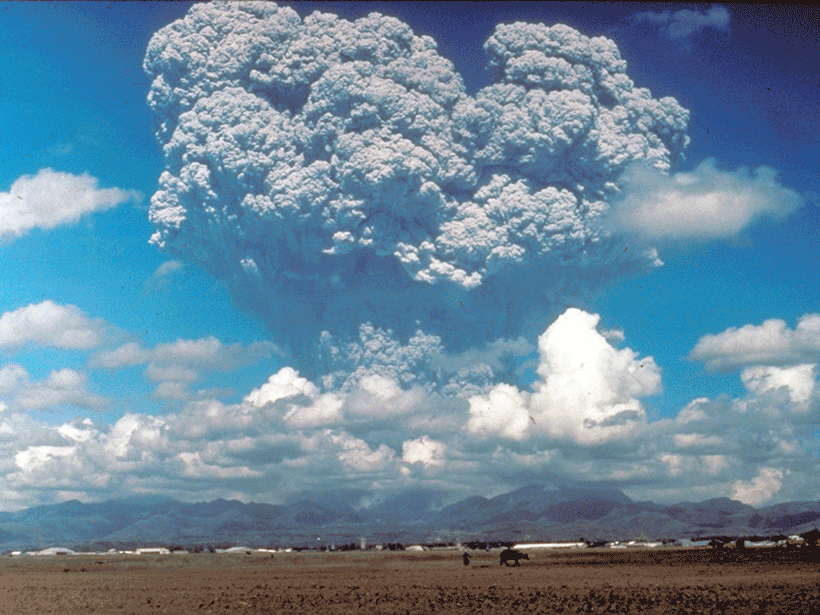
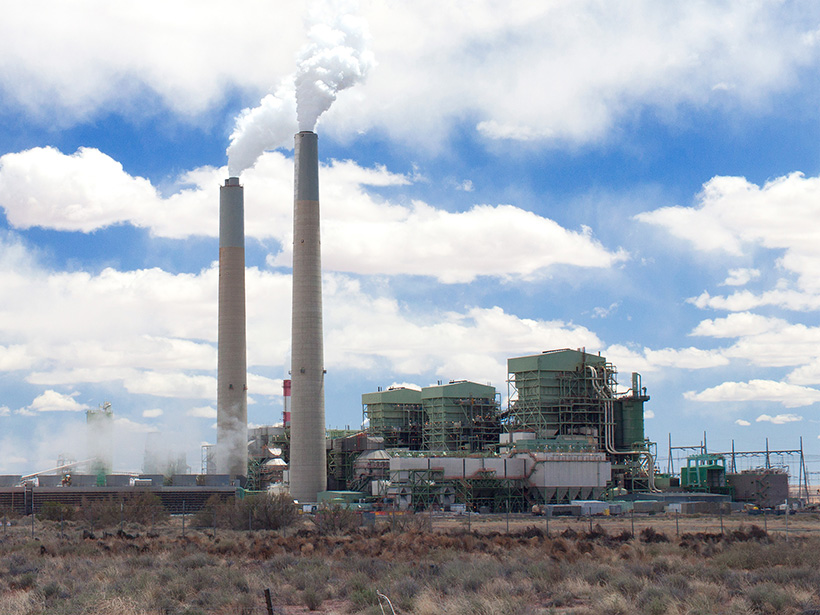
New Marine Ecology Tool Corrects for Effects of Fossil Fuel Emissions

Standardizing these corrections will help scientists understand ocean ecosystems.

Posted inResearch Spotlights
Half of U.S. Tidal Marsh Areas Vulnerable to Rising Seas

Adaptation appears possible in some areas, with northerly marshes having a greater capacity to form new soil and gain elevation, whereas some southerly marshes can migrate inland.