
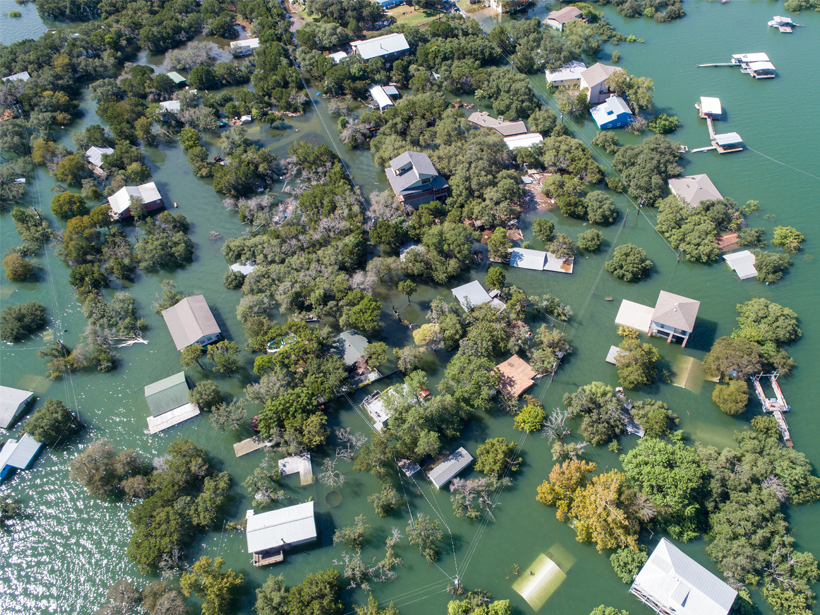

Experts call for more tools to help communities mitigate and adapt to climate change to curb the impacts and costs of natural disasters.
Climate Change

Posted inNews
Sea Caves Hold Clues to Ancient Storms

Sediments dug up from sea caves help reconstruct past climate, contributing to better storm predictions.
Posted inFeatures
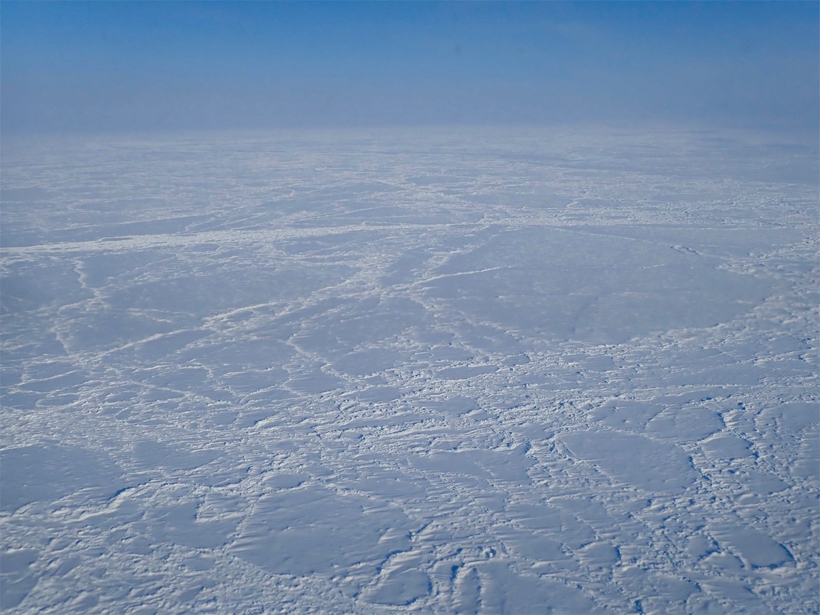
Three Times Tectonics Changed the Climate

Fifty years after the birth of modern plate tectonics theory, a group of researchers highlights three key examples of how our planet’s shape-shifting outer layer has altered our climate.
Posted inScience Updates
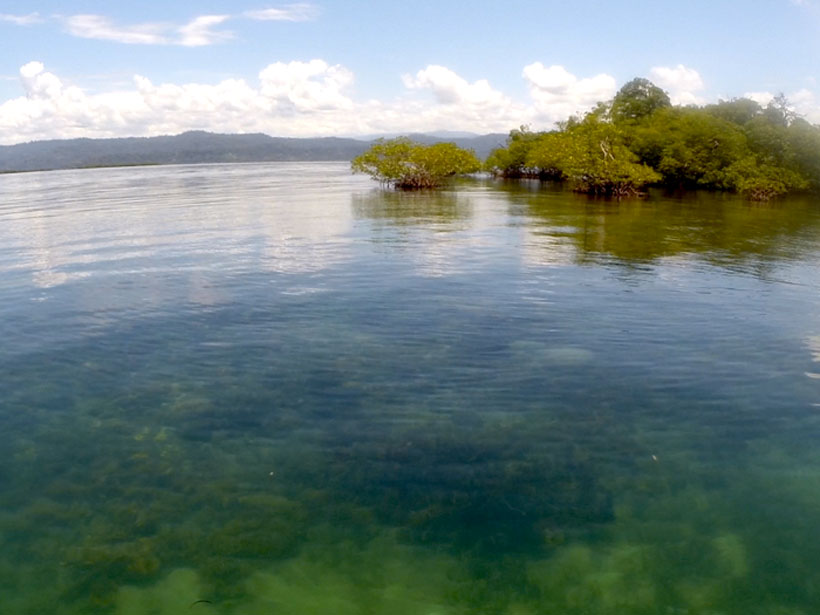
Integrating Global Seagrass and Mangrove Ecosystem Observations
Coordinating the Implementation of Mangrove and Seagrass Essential Observations: A joint GOOS/MBON community outreach workshop to implement EOV/EBVs (Sea Plants Workshop), Consortium for Ocean Leadership; Washington, D.C., 10–11 June 2019

Posted inResearch Spotlights
Ship-Based Measurements Overestimate Southern Ocean Carbon Sink

New research suggests that combining ship- and float-based observations provides a more accurate measure of how much carbon the Southern Ocean absorbs.

Posted inNews
Fugitive Gas Abetted by Barometric Pressure

Barometric pressure, in addition to factors such as lithology and the depth of the water table, can influence patterns of natural gas that escapes to subsurface soils.

Posted inNews
Climate Change Will Make Us Sicker and Lose Work Hours

Experts have given the United States a warning: Reduce greenhouse gas emissions, or suffer the consequences of lower productivity and a sicker population for generations to come.

Posted inNews
Plankton Biodiversity Mapped Globally

A team of scientists sailed around the world to catalog the diversity of plankton species in the ocean. Their findings have important economic implications as climate warms.
Posted inScience Updates
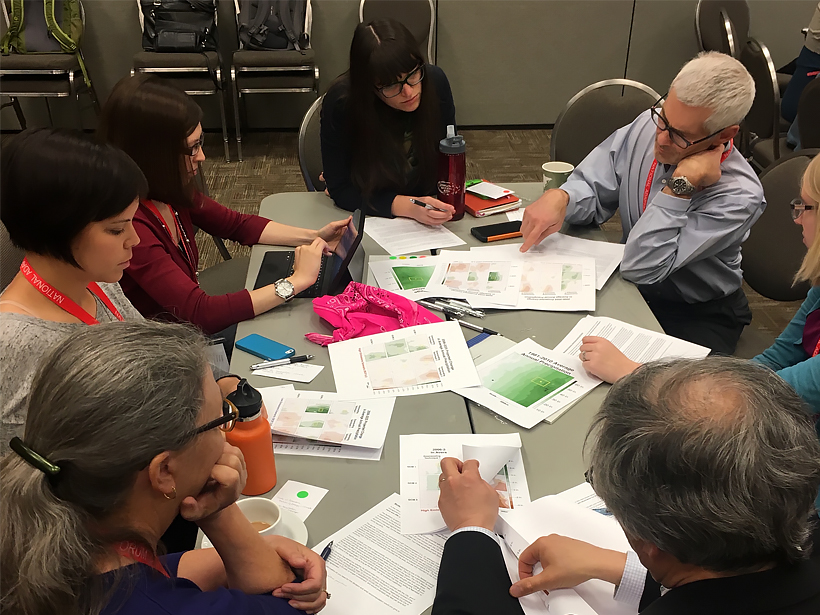
Making Sense of Local Climate Projections
Hands-on training, collaboration with scientists, and practice using real-world challenges give planners and decision-makers confidence to work with climate model information.

Posted inNews
Peatlands Are Drying Out Across Europe
Peatlands are some of the world’s largest reservoirs of soil carbon, but new research finds that in Europe they are drying out, putting them at risk of turning from carbon sinks to carbon sources.