


Ricardo Galvão was fired from the institute that monitors deforestation in the Amazon. Now he and other scientists are speaking out against attacks on science.
Climate Change

Posted inOpinions
Investing in Science to Improve Climate Risk Management
Integrating Earth science research and observations into adaptation planning helps identify effective strategies to manage climate risks.

Posted inNews
Lawsuit Challenges Trump Administration’s Emissions Rollbacks

The suit argues that the administration is failing to curb carbon dioxide emissions as required under the Clean Air Act.
Posted inOpinions
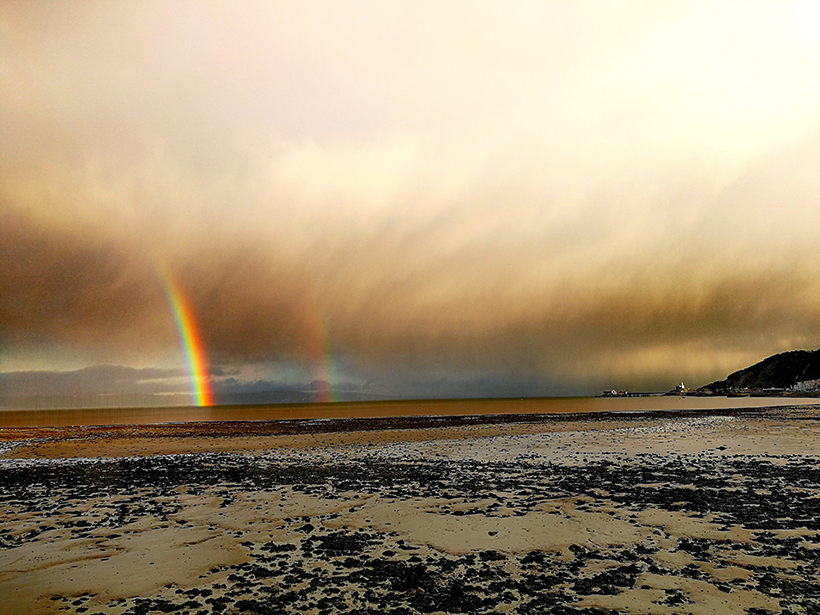
When Does Weather Become Climate?
Flexible definitions of the word “climate” may impede policy discussions on climate change. Closing apparent gaps between “climate” and “weather” may help reduce the ambiguity.

Posted inResearch Spotlights
Past Climate Sensitivity Not Always Key to the Future

New research suggests that changes in continental configuration, solar brightness, and background atmospheric carbon dioxide levels all conspire to drive Earth’s climate sensitivity over geologic time.
Posted inNews
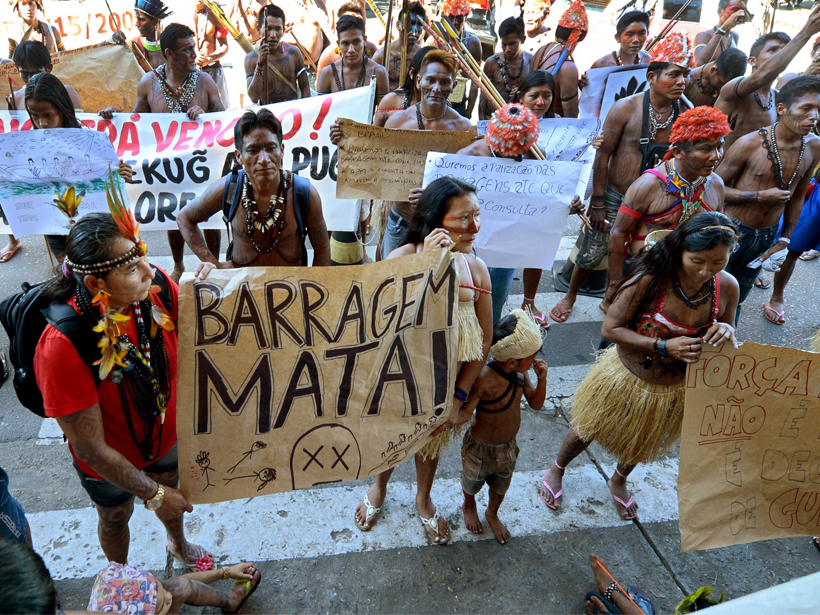
Murders of Environmentalists Have Doubled in 15 Years

Indigenous people defending their lands are particularly at risk, and watchdog groups warn that criminalization of environmental activism is also on the rise.

Posted inNews
July May Turn Out to Be the Hottest Month in Recorded History
If this year’s record-breaking trend continues, we’re on track for 2015–2019 to be the hottest 5 years on record.
Posted inNews
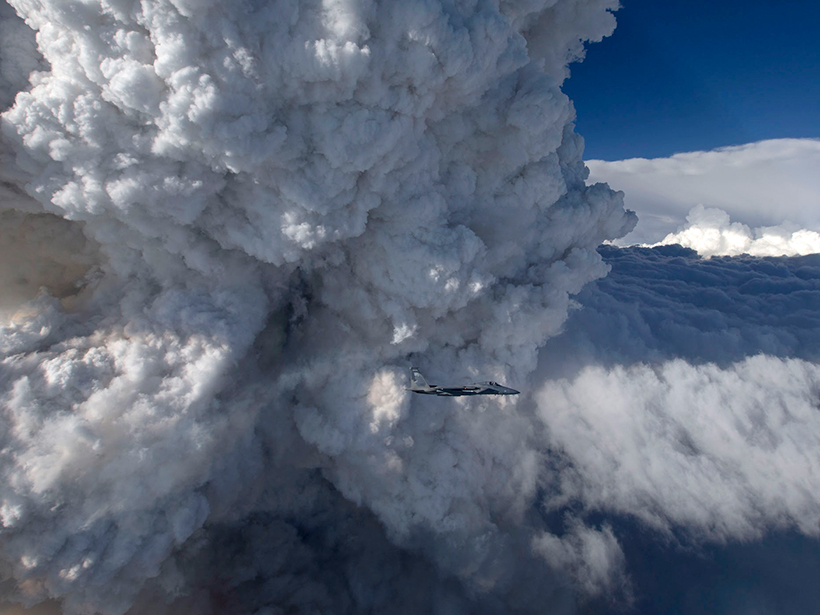
What Wildfire Smoke Tells Us About Nuclear Winter
A cloud of smoke from 2017 Canadian wildfires was so huge that it self-lofted and stayed in the atmosphere for 8 months. Scientists used it as an example for climate simulations of nuclear warfare.
Posted inNews
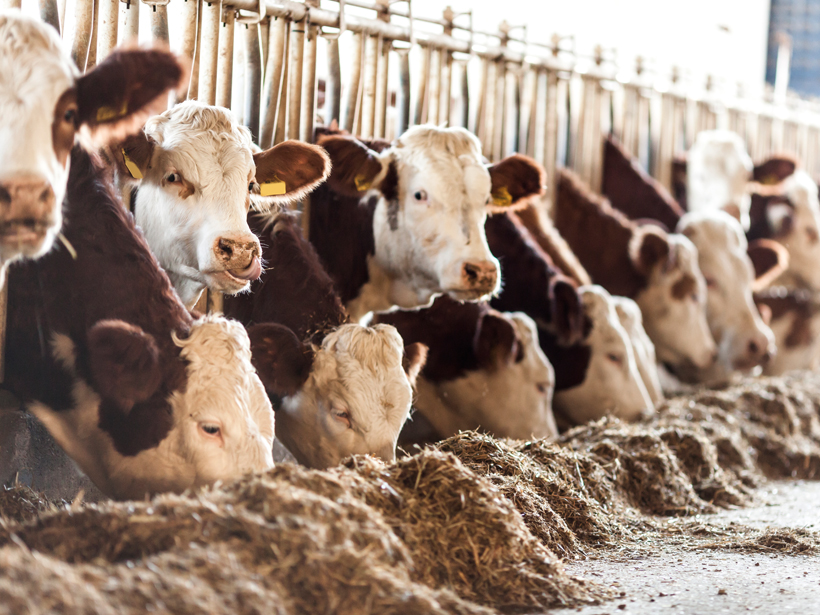
Climate Change Pressures Land and Food Resources, Report Warns
There is a window of time to act now before threats increase further and solutions become less effective, a new report from the Intergovernmental Panel on Climate Change states.
Posted inScience Updates
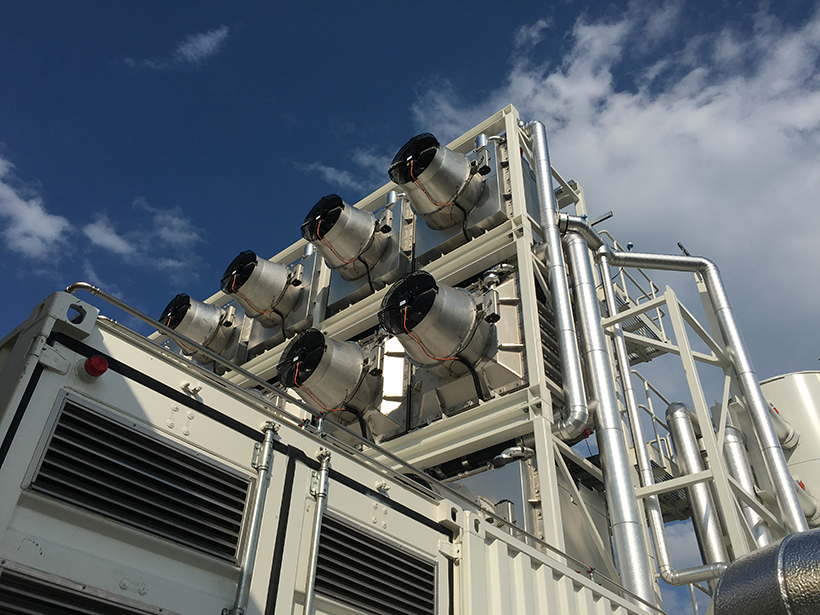
Studying the Societal Dimensions of Atmospheric Carbon Removal
Workshop on Human/Societal Dimensions of a New Carbon Economy with Carbon180; Washington, D.C., 13 February 2019