

Understanding the small-scale processes underlying mixed-phase clouds' response to climate change will help scientists strengthen climate models.
Climate Change
Posted inResearch Spotlights
Climate Models Predict Diverse Arctic Ocean Shipping Routes
As ice melts, multiple models yield more detailed route predictions than any single model alone.
Posted inResearch Spotlights
Tracking Long-Term Changes in Global Sea Level Extremes
Large-scale climate change may drive trends in extreme sea level events.

Posted inNews
Scientists Discover a New Source of Atmospheric Carbon Dioxide

In an African region where continental crust is pulling apart and fracturing—the East African Rift zone—the area's many faults are slowly releasing a large amount of carbon dioxide.
Posted inScience Updates
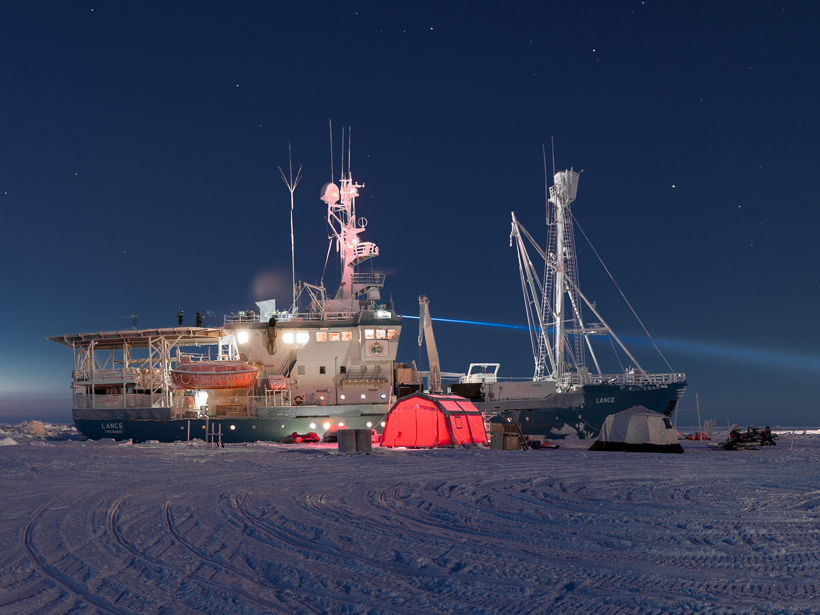
Arctic Research on Thin Ice: Consequences of Arctic Sea Ice Loss
Scientists embarked on a 6-month expedition in the Arctic Ocean to study the thinning sea ice cover, improve our understanding of sea ice loss effects, and help predict future changes.
Posted inEditors' Vox
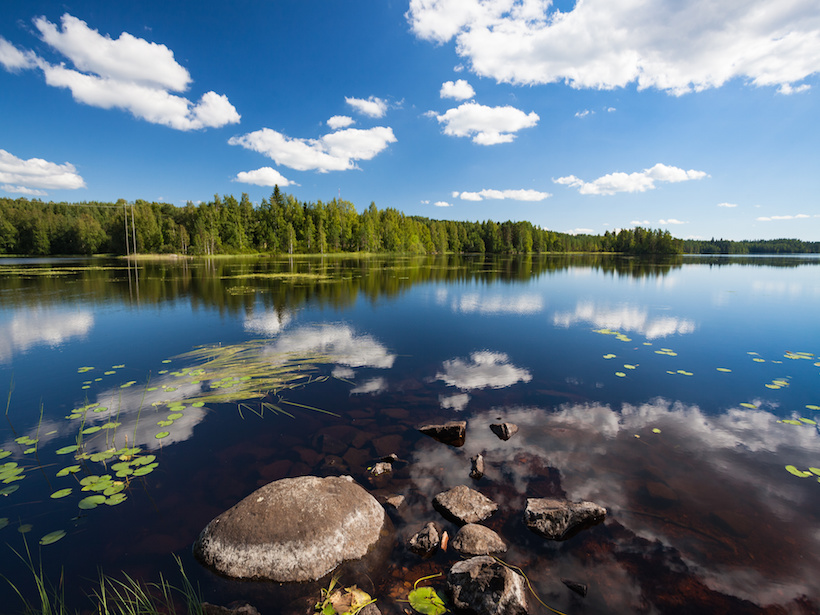
Challenges in Assembling and Managing Environmental Data Sets
Pulling together long-term data is increasingly important in assessing environmental changes, whether regionally or globally.
Posted inNews
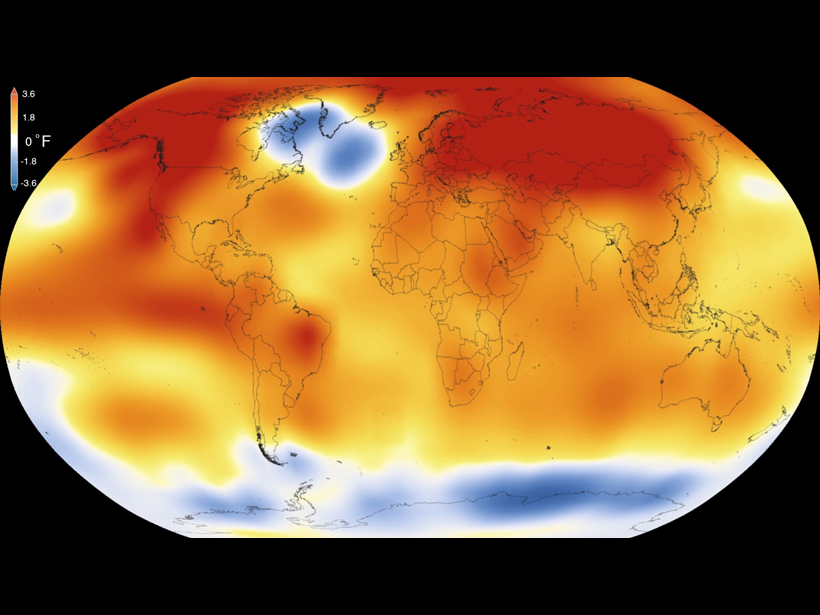
Record Global Warmth in 2015, but Some Places Bucked the Trend

As the planet's average surface temperature jumped to a new high last year, variations in ocean conditions on a smaller scale led to some distinct deviations from the overall pattern.
Posted inScience Updates
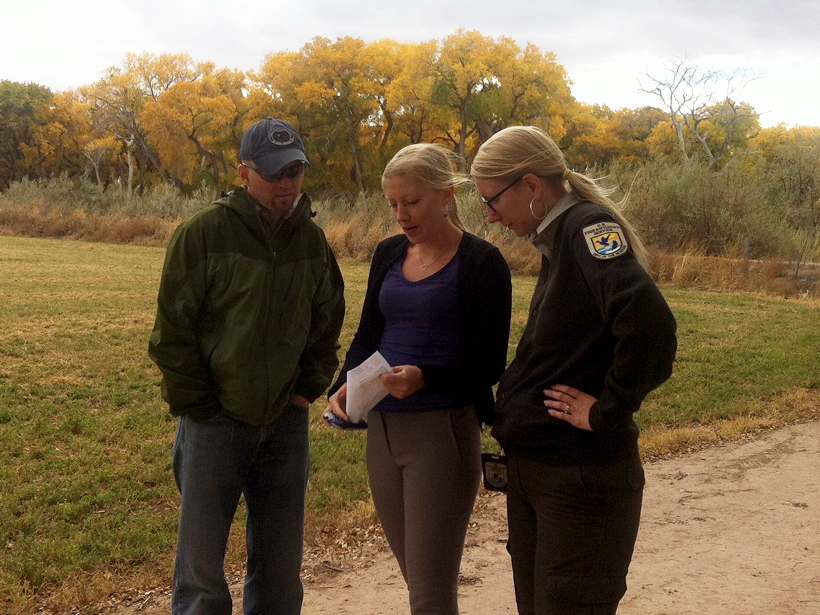
Ensuring Coordination Among Regional Climate Science Programs
National Adaptation Forum; St. Louis, Missouri, 12–14 May 2015
Posted inResearch Spotlights
A Big Climate Driver in a Small Ocean Basin

Scientists review Atlantic Ocean circulation variability and its applications for predicting decadal climate variation.

Posted inResearch Spotlights
Climate Change Drives Increasing Snowfall in Western Antarctica

Using ice core records from West Antarctica, researchers look back at the past 300 years of snowfall over the Amundsen Sea.