• About
  • Special Reports
  • Topics
    • Climate
    • Earth Science
    • Oceans
    • Space & Planets
    • Health & Ecosystems
    • Culture & Policy
    • Education & Careers
    • Opinions
  • Projects
    • Postcards From the Field
    • ENGAGE
    • Editors’ Highlights
    • Editors’ Vox
    • Eos en Español
    • Eos 简体中文版
    • Print Archive: 2015–2025
  • Policy Tracker
  • Blogs
    • Research & Developments
    • The Landslide Blog
  • Newsletter
  • Submit to Eos
  • AGU.org
  • Career Center
  • Join AGU
  • Give to AGU
  • About
  • Special Reports
  • Topics
    • Climate
    • Earth Science
    • Oceans
    • Space & Planets
    • Health & Ecosystems
    • Culture & Policy
    • Education & Careers
    • Opinions
  • Projects
    • Postcards From the Field
    • ENGAGE
    • Editors’ Highlights
    • Editors’ Vox
    • Eos en Español
    • Eos 简体中文版
    • Print Archive: 2015–2025
  • Policy Tracker
  • Blogs
    • Research & Developments
    • The Landslide Blog
  • Newsletter
  • Submit to Eos
Skip to content
  • AGU.org
  • Career Center
  • Join AGU
  • Give to AGU
Eos

Eos

Science News by AGU

Support Eos
Sign Up for Newsletter
  • About
  • Special Reports
  • Topics
    • Climate
    • Earth Science
    • Oceans
    • Space & Planets
    • Health & Ecosystems
    • Culture & Policy
    • Education & Careers
    • Opinions
  • Projects
    • Postcards From the Field
    • ENGAGE
    • Editors’ Highlights
    • Editors’ Vox
    • Eos en Español
    • Eos 简体中文版
    • Print Archive: 2015–2025
  • Policy Tracker
  • Blogs
    • Research & Developments
    • The Landslide Blog
  • Newsletter
  • Submit to Eos

Climate Change

Researchers aboard a ship prepare to deploy an instrument to collect organic carbon in the ocean.
Posted inResearch Spotlights

Revealing the Ocean’s Rare but Prolific Carbon Export Events

Sarah Stanley, Science Writer by Sarah Stanley 3 September 201927 September 2022

New findings suggest that rare events underlie a global inverse relationship between primary production of organic carbon in the upper ocean and the fraction that is exported to the deep sea.

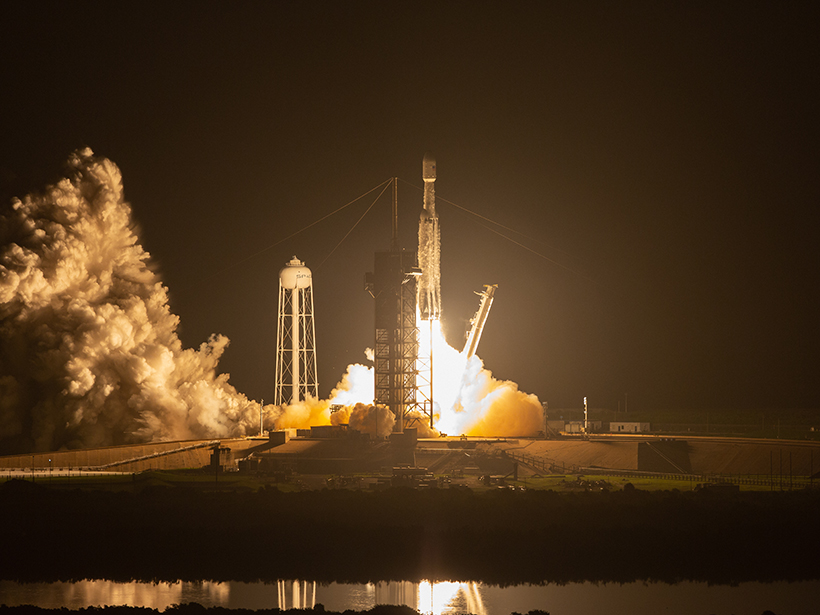
A SpaceX Falcon Heavy rocket carrying two dozen satellites launches from Cape Canaveral, Fla. on 25 June 2019.
Posted inScience Updates

Six New Satellites Watch the Atmosphere over Earth’s Equator

by R. Anthes and W. Schreiner 30 August 20193 March 2023

The FORMOSAT-7/COSMIC-2 constellation, launched this June, will provide the most accurate data yet on tropical weather, climate, and space weather.
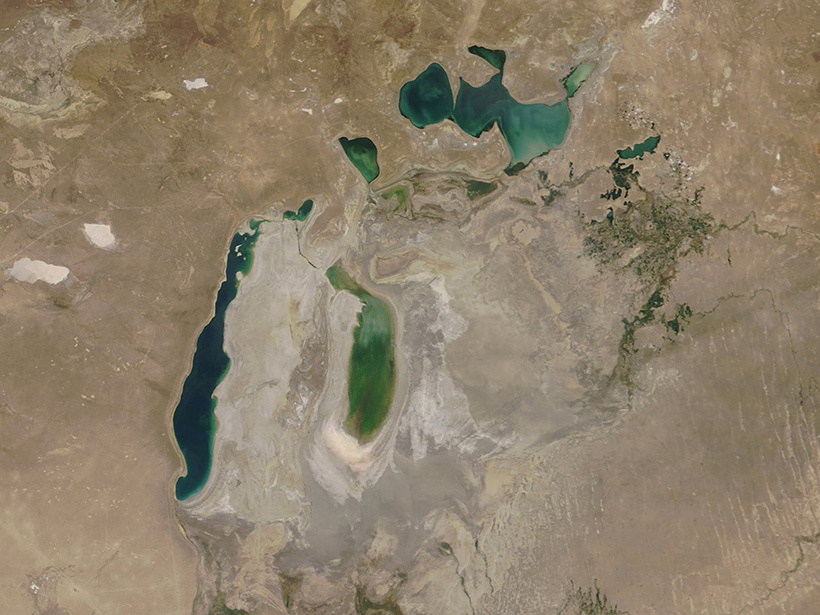
Satellite view of what remains of the Aral Sea, as well as the vast area formerly covered by the sea that now is considered the Aralkum desert
Posted inScience Updates

Scientists Share Results of Dust Belt Research

by D. Althausen, S. Abdullaev and J. Hofer 28 August 20199 May 2023

Central Asian Dust Conference; Dushanbe, Tajikistan, 8–12 April 2019
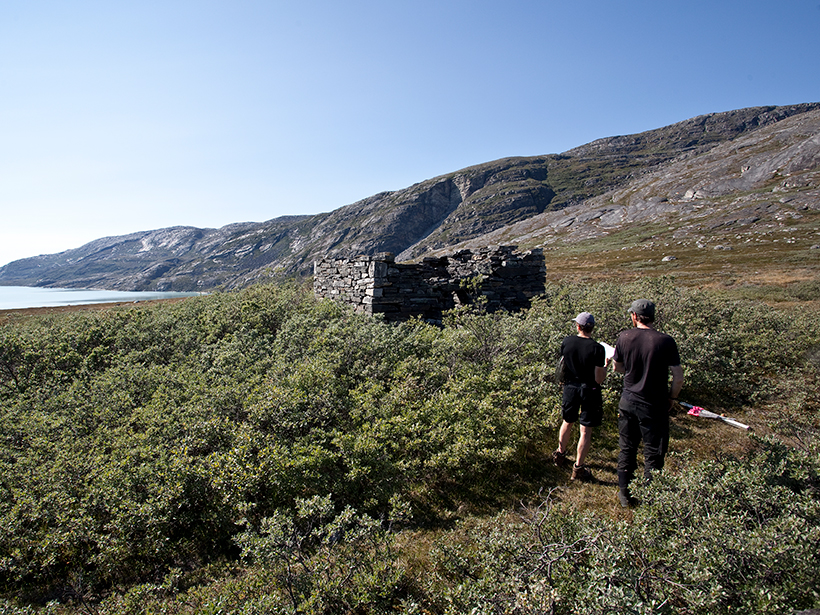
Photograph of an ancient Norse archeological site, called Anavik, in western Greenland
Posted inNews

Global Warming Is Conquering the Vikings

Lucas Joel by L. Joel 27 August 201916 December 2021

Ancient Arctic artifacts are disappearing as warming unfurls.
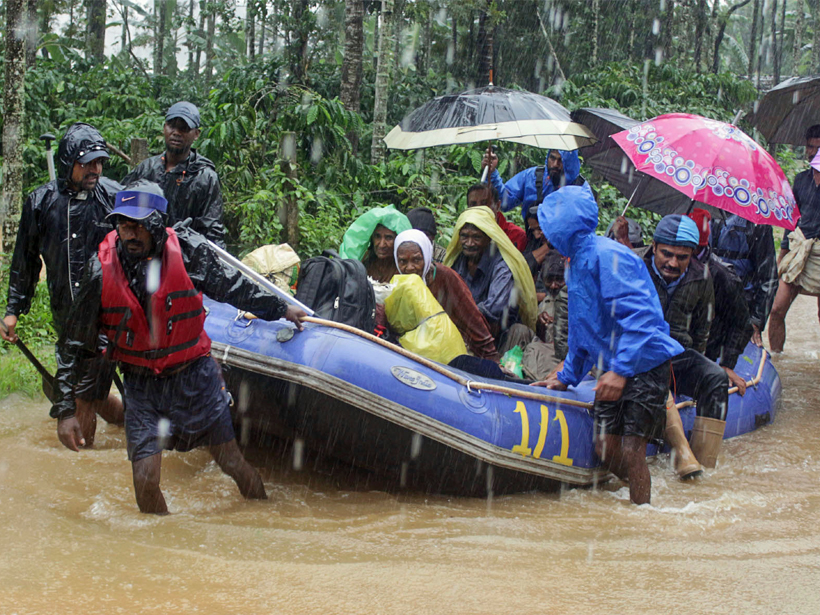
Flood victims are transported in an inflated raft as rain falls.
Posted inNews

Devastating Floods Hit India for the Second Year in a Row

Jenessa Duncombe, Staff Writer by Jenessa Duncombe 26 August 20198 March 2022

The deadly floods raise questions of land use and extreme precipitation trends.

A multicolored coral reef with blue settlement tiles pinned to it
Posted inNews

Tropical Corals Are Migrating Away from Warming Waters

Rachel Crowell, Science Writer by Rachel Crowell 23 August 201914 December 2023

In the first global assessment of its kind, researchers discovered that coral recruitment is declining globally and throughout the tropics while increasing in the subtropics.
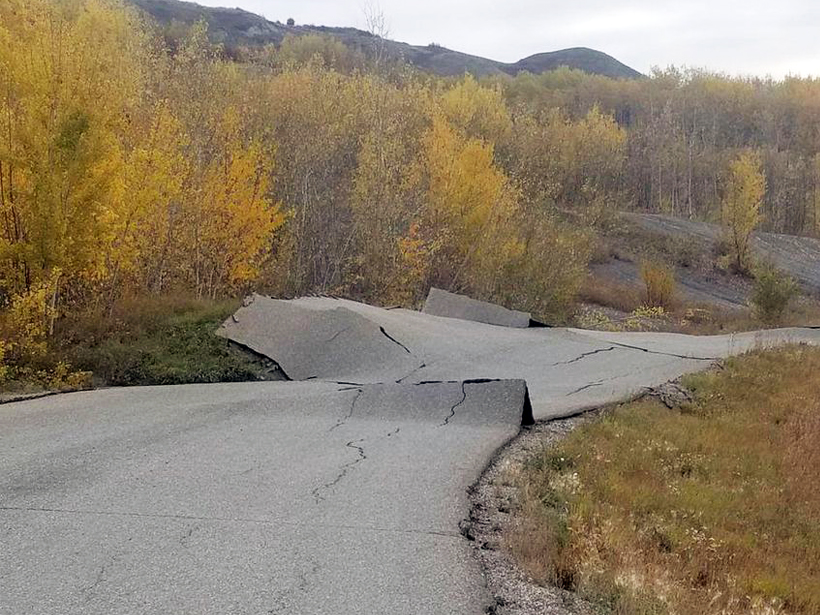
Buckled asphalt caused by a slow-moving landslide
Posted inNews

Rainfall Kick-Starts Slow-Moving Landslides

Katherine Kornei, Science Writer by Katherine Kornei 22 August 20195 October 2021

A census of hundreds of slow-moving landslides in Northern California reveals an uptick in the number and speed of landslides in 2017, the second-wettest year on record.
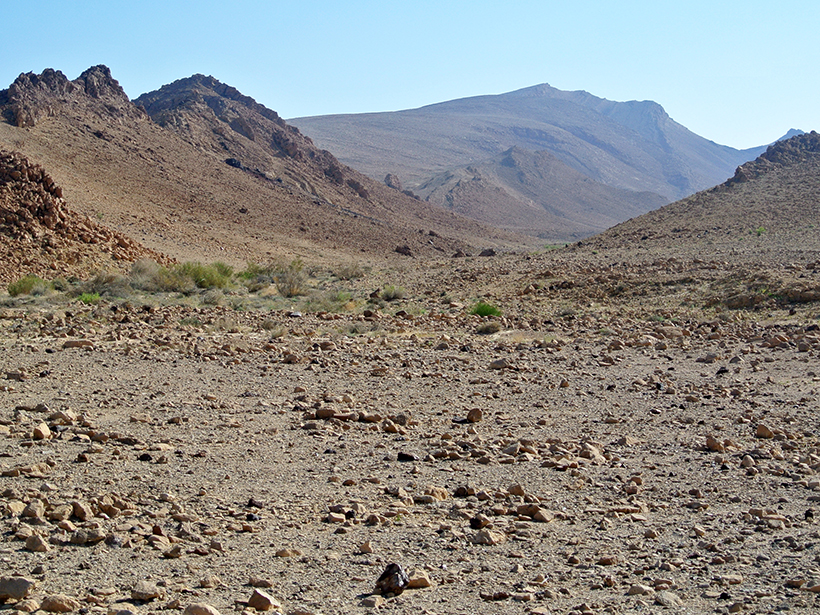
Rocky, steep-sided desert valley
Posted inNews

The Dawning of the Age of Old Aquifers

Sarah Derouin, Science Writer by Sarah Derouin 21 August 201919 July 2022

A new technique using 81Kr can measure the age of old groundwater in arid regions. The method can be used as a proxy for past climates and weather patterns.

Aerial photo of a thick rain forest being logged
Posted inNews

Ousted Head of Science Agency Criticizes Brazil’s Denial of Deforestation Data

by Randy Showstack 20 August 20196 December 2021

Ricardo Galvão was fired from the institute that monitors deforestation in the Amazon. Now he and other scientists are speaking out against attacks on science.

The Norfolk skyline as seen from across the Elizabeth River in 2016
Posted inOpinions

Investing in Science to Improve Climate Risk Management

by V. Srikrishnan, R. Alley and K. Keller 16 August 20191 March 2023

Integrating Earth science research and observations into adaptation planning helps identify effective strategies to manage climate risks.

Posts pagination

Newer posts 1 … 163 164 165 166 167 … 267 Older posts
Over a dark blue-green square appear the words Special Report: The State of the Science 1 Year On.

Features from AGU Publications

Research Spotlights

What Triggered an Ancient Magma Surge in the North Cascades?

6 November 20266 November 2026
Editors' Highlights

Trash to Treasure? Increased Soil Phosphorus in Farmed Urban Soils

5 November 20264 November 2026
Editors' Vox

Announcing the New AGU Publications Editors-in-Chief Starting in 2027

6 November 20266 November 2026
Eos logo at left; AGU logo at right

About Eos
ENGAGE
Awards
Contact

Advertise
Submit
Career Center
Sitemap

© 2026 American Geophysical Union. All rights reserved Powered by Newspack