
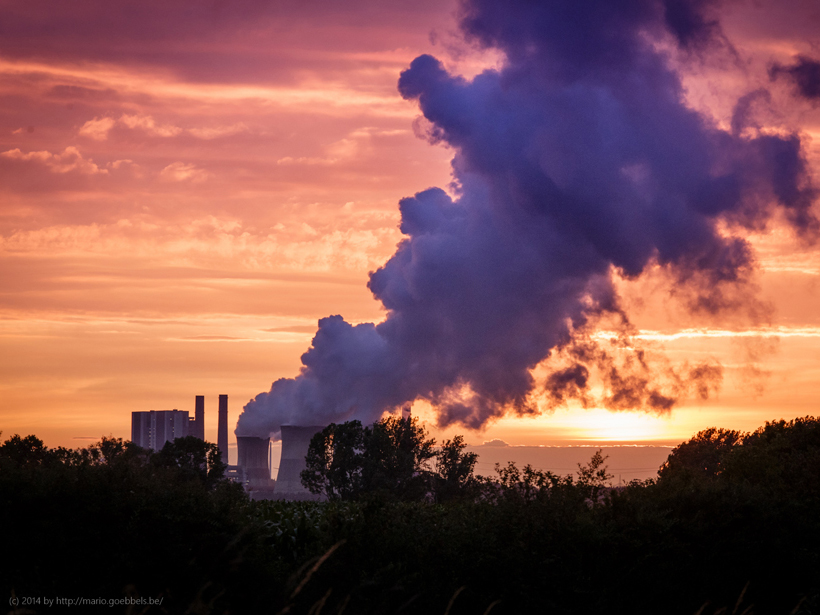
Researchers construct a world where nuclear energy everywhere is replaced with coal, with stark consequences for human health and the environment.
Climate Change

Posted inResearch Spotlights
How Oceans Could Change If We Reverse Anthropogenic Warming
A computer simulation shows a net increase in primary production by phytoplankton if climate change were mitigated by 2200 but also indicates big changes in the makeup of those species.

Posted inResearch Spotlights
The North Atlantic Ocean's Missing Heat Is Found in Its Depths

In the 2000s, the North Atlantic stopped absorbing as much atmospheric warmth. However, the ocean lost only a little heat—the rest was held deeper below the surface by altered circulation patterns.

Posted inResearch Spotlights
Characterizing Interglacial Periods over the Past 800,000 Years
Researchers identified 11 different interglacial periods over the past 800,000 years, but the interglacial period we are experiencing now may last an exceptionally long time.

Posted inNews
More Acidic Oceans Could Reduce Fertility for Algae Eaters

New research shows that increased levels of carbon dioxide in the oceans cause changes that alter key nutrients essential to the reproduction of animals low on the food web.

Posted inNews
Dirty Water: Unintended Consequence of Climate Resiliency

Scientists testing the quality of floodwater in a Florida city find potentially harmful bacteria.
Posted inResearch Spotlights
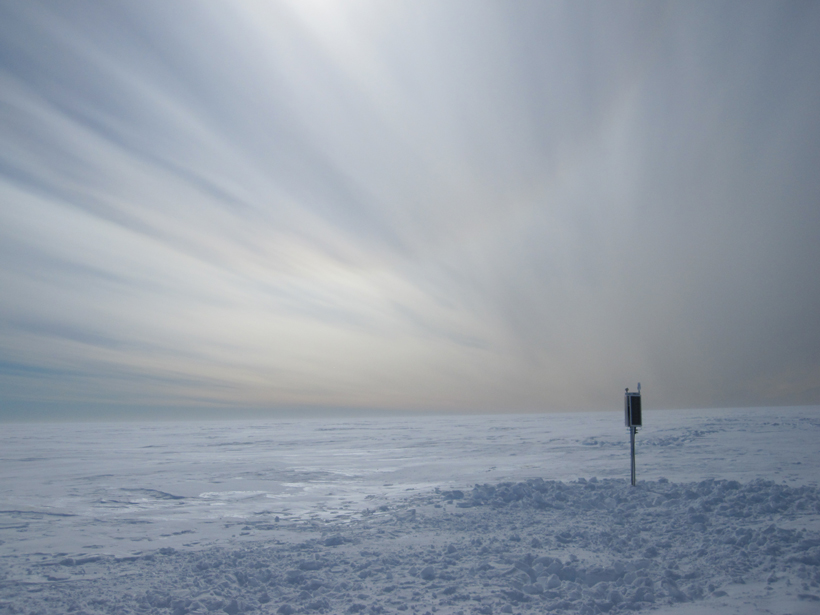
Ocean Waves Vibrating the Ross Ice Shelf

Scientists use seismic stations to study ice shelf vibrations generated by ocean waves to better understand their impact on the integrity of the Ross Ice Shelf.
Posted inResearch Spotlights
New Methods Measure How Vertical Land Motion Affects Sea Level
Researchers demonstrate the value of combining GPS and satellite data on vertical motion of the Earth's surface with tide gauge measurements to track rising sea levels.

Posted inEditors' Vox
Watch Your Language
Legacy words and the search of a new human-environment dynamic

Posted inNews
Climate Change Freezes Mountain Wildflower Reproduction
New research provides evidence that plants that flower earlier in the year because of climate warming experience more frost damage and have less reproductive success.