
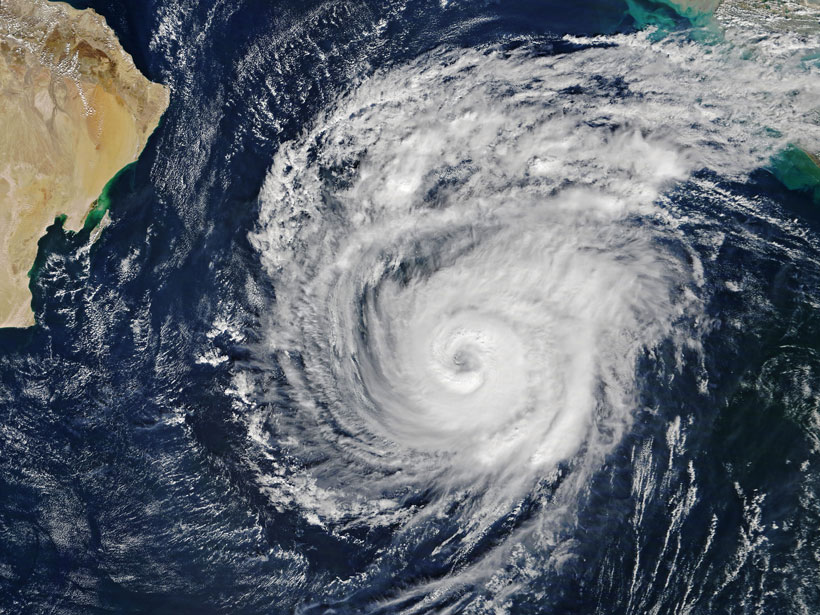

A new study found significant increases in the intensity, frequency, and duration of cyclonic storms over the Arabian Sea. Is the west coast prepared?
climate

Posted inResearch Spotlights
Tibetan Plateau Lakes as Heat Flux Hot Spots

Freshwater lakes on the highest plateau in the world act like lenses that accumulate heat from the intense solar radiation, accelerating ice cover melt and affecting land-atmosphere fluxes.
Posted inENGAGE, News
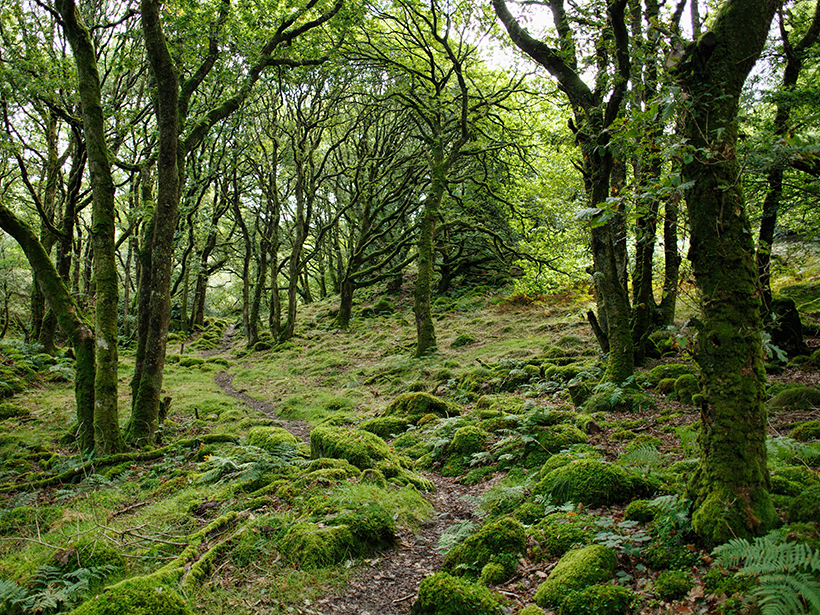
How the “Best Accidental Climate Treaty” Stopped Runaway Climate Change

The Montreal Protocol halted the destruction of the ozone layer. In the process, it saved one of Earth’s most important carbon sinks.

Posted inScience Updates
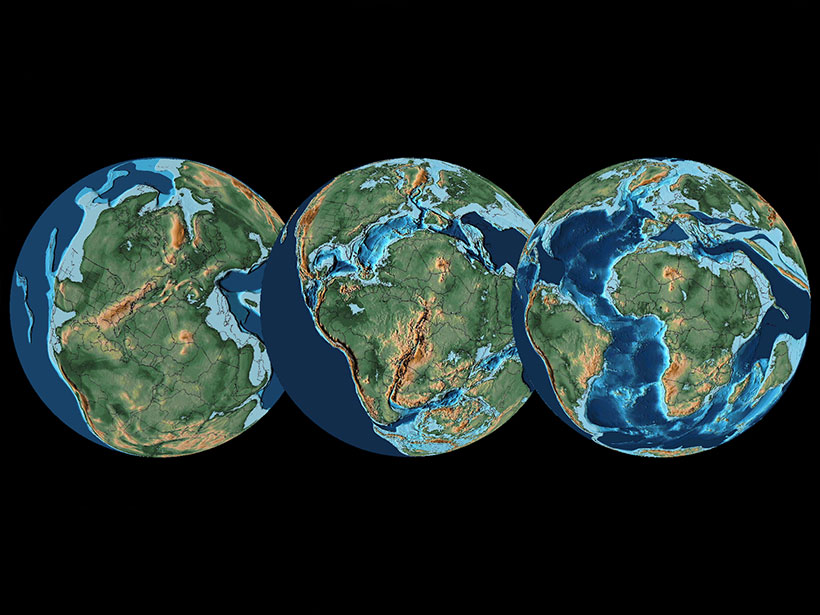
Anticipating Climate Impacts of Major Volcanic Eruptions
NASA’s rapid response plan for gathering atmospheric data amid major volcanic eruptions, paired with efforts to improve eruption simulations, will offer better views of these events’ global effects.

Posted inENGAGE, Research Spotlights
Amazon Deforestation and Fires are a Hazard to Public Health

Deforestation in the Amazon has dropped since the early 2000s, but it is slowly climbing again. A new study shows the impact of that climb on public health—and how much worse conditions could be.

Posted inENGAGE, News
New View of Expanding Perspectives in the Geosciences
Earth and environmental sciences have some of the least diverse racial and ethnic representation in academia. To face profound future challenges, the fields need to address the inequities of the past and how they inform the present.
Posted inResearch Spotlights
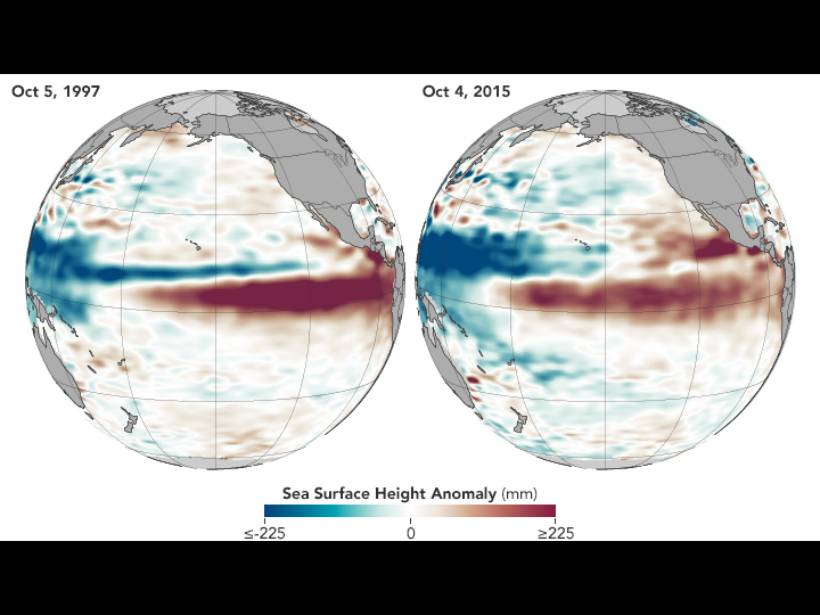
Explaining Thermal Tides in the Upper Atmosphere During the 2015 El Niño
Increased tropospheric heating and reduced dissipation combine to explain an anomalously large thermal tide.

Posted inENGAGE, News
Climate Change and Extreme Weather Linked in U.N. Climate Report
A major scientific assessment of global climate science found a much stronger connection between climate change and extreme weather than ever before.
Posted inNews
An Ancient Meltwater Pulse Raised Sea Levels by 18 Meters

Meltwater pulse 1A, a period of rapid sea level rise after the last deglaciation, was powered by melting ice from North America and Scandinavia, according to new research.