
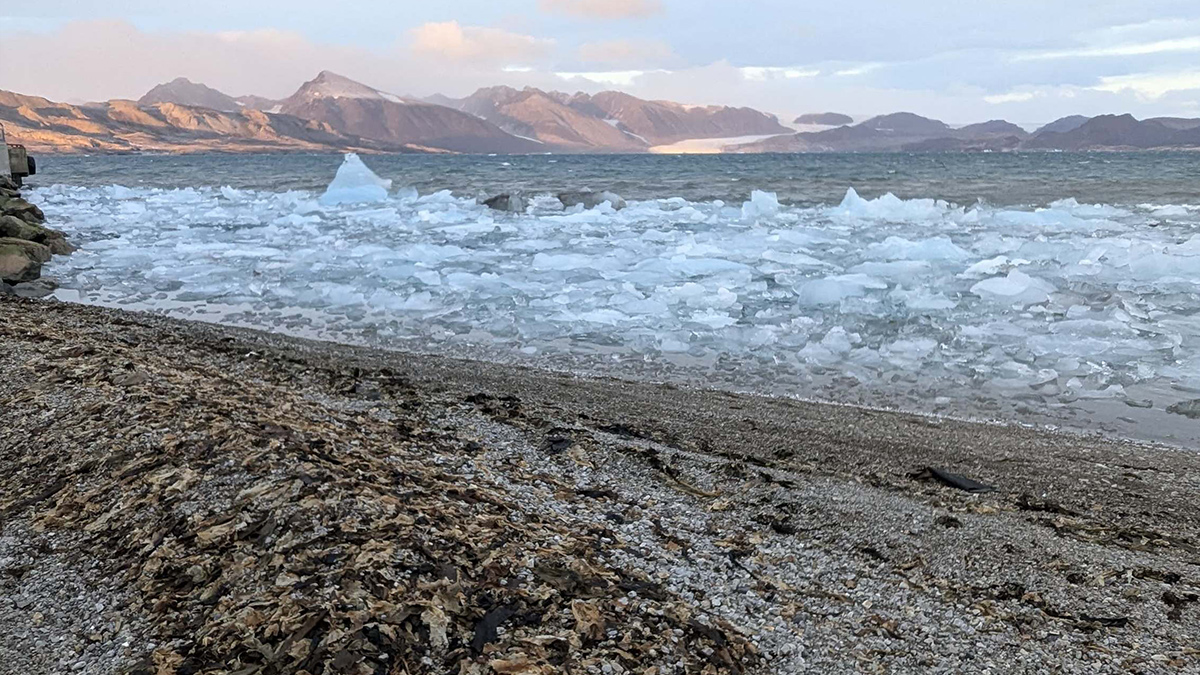

Climate change–accelerated seaweed growth could cause seaweed-dependent microbes to proliferate and consume more oxygen, leading to a rise in oxygen-starved zones.
climate
Posted inEditors' Highlights
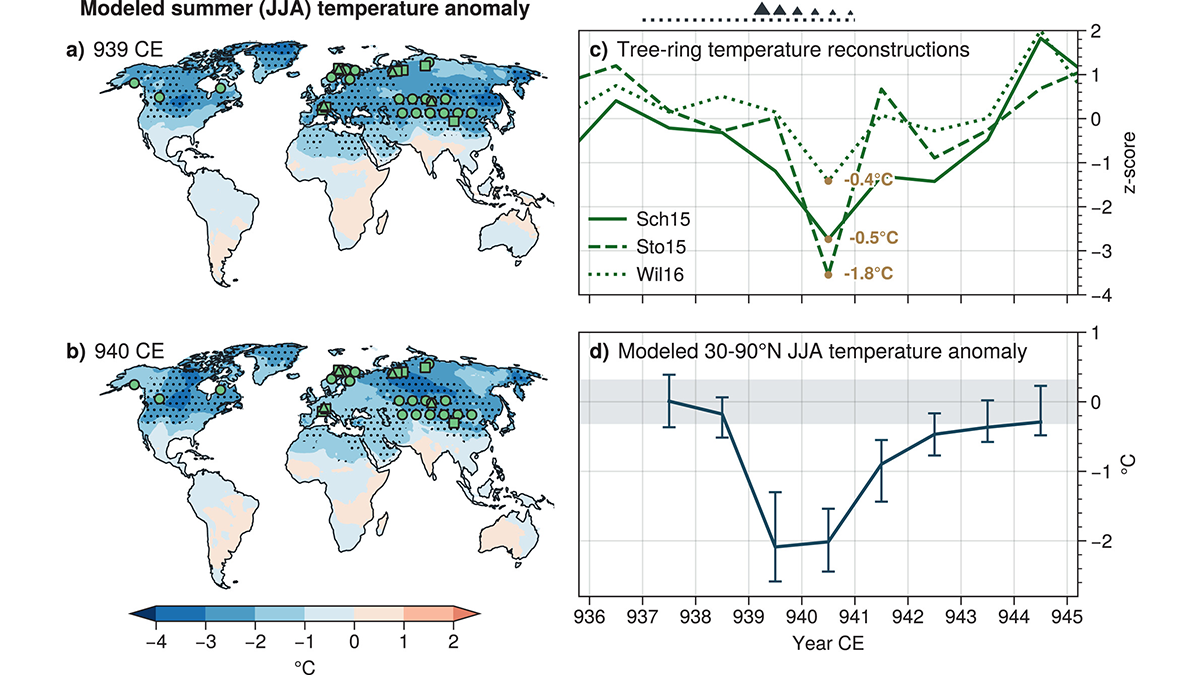
Revised Emissions Show Higher Cooling in 10th Century Eruption
The associated cooling from the Eldgjá eruption is larger than previously predicted and better matches tree-ring temperature reconstructions based on updated estimated emissions.
Posted inResearch Spotlights
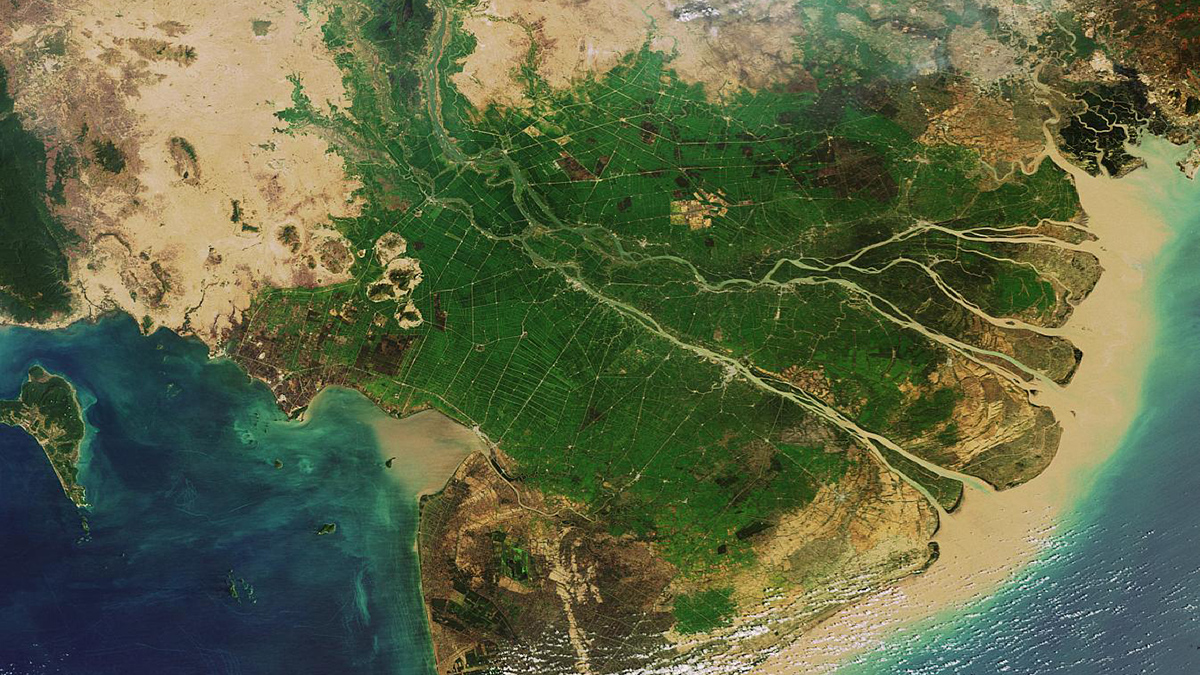
New Global River Map Is the First to Include River Bifurcations and Canals
GRIT provides a much more detailed look at how rivers merge and split, which could enhance hydrological modeling, flood forecasting, and water management efforts.
Posted inResearch Spotlights
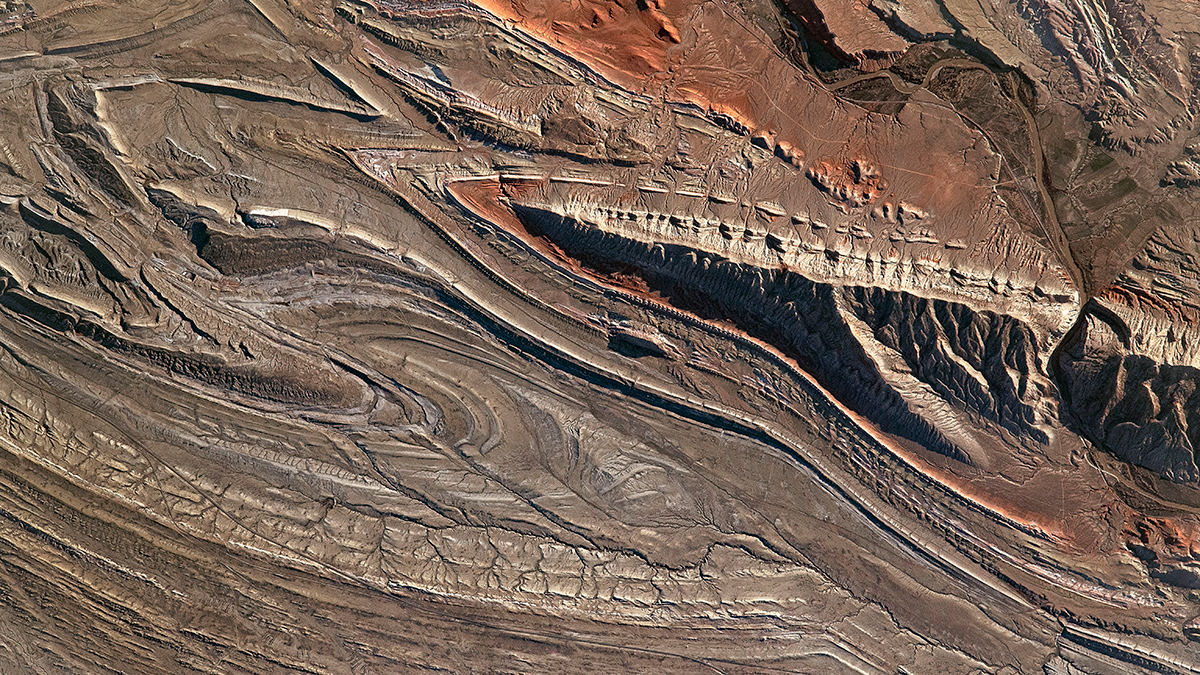
An Ancient Warming Event May Have Lasted Longer Than We Thought
New research on the Paleocene-Eocene Thermal Maximum used probabilistic analysis to learn more about its duration and how long modern warming could affect the carbon cycle.

Posted inNews
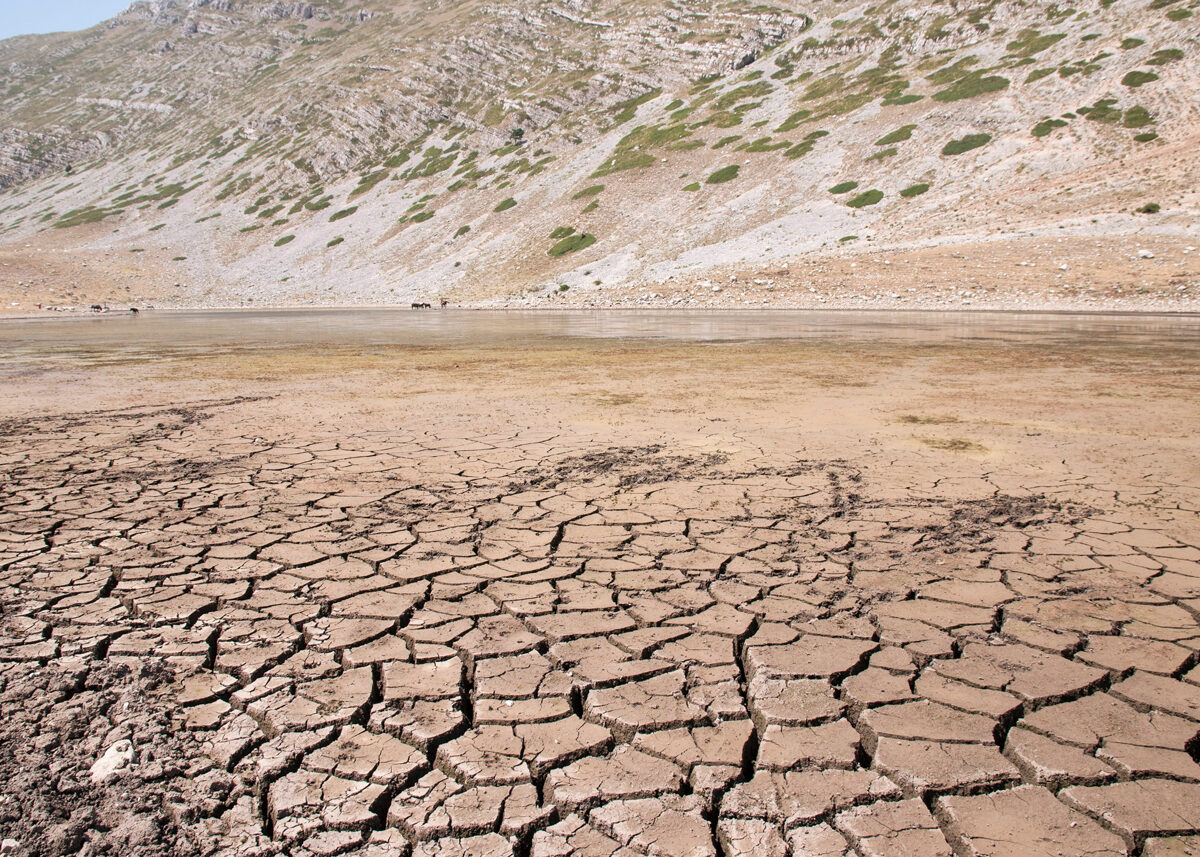
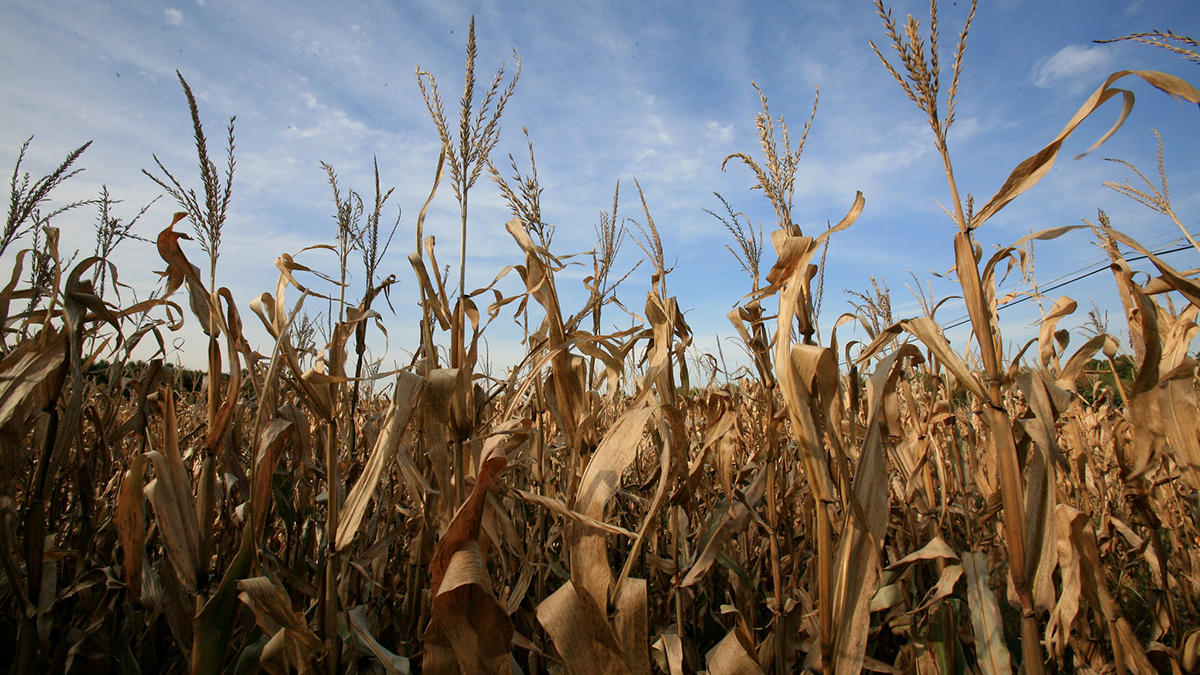
Can Desalination Quench Agriculture’s Thirst?
Miles away from the ocean, projects are afoot to clean up salty groundwater and use it to grow crops. Some say it’s a costly pipe dream, others say it’s part of the future.

Posted inEditors' Highlights
Old Forests in a New Climate

It’s usually cooler under a forest than outside the forest, but that natural temperature buffering didn’t make global warming any less strong during the last 45 years in an old-growth forest of Oregon.
Posted inEditors' Highlights
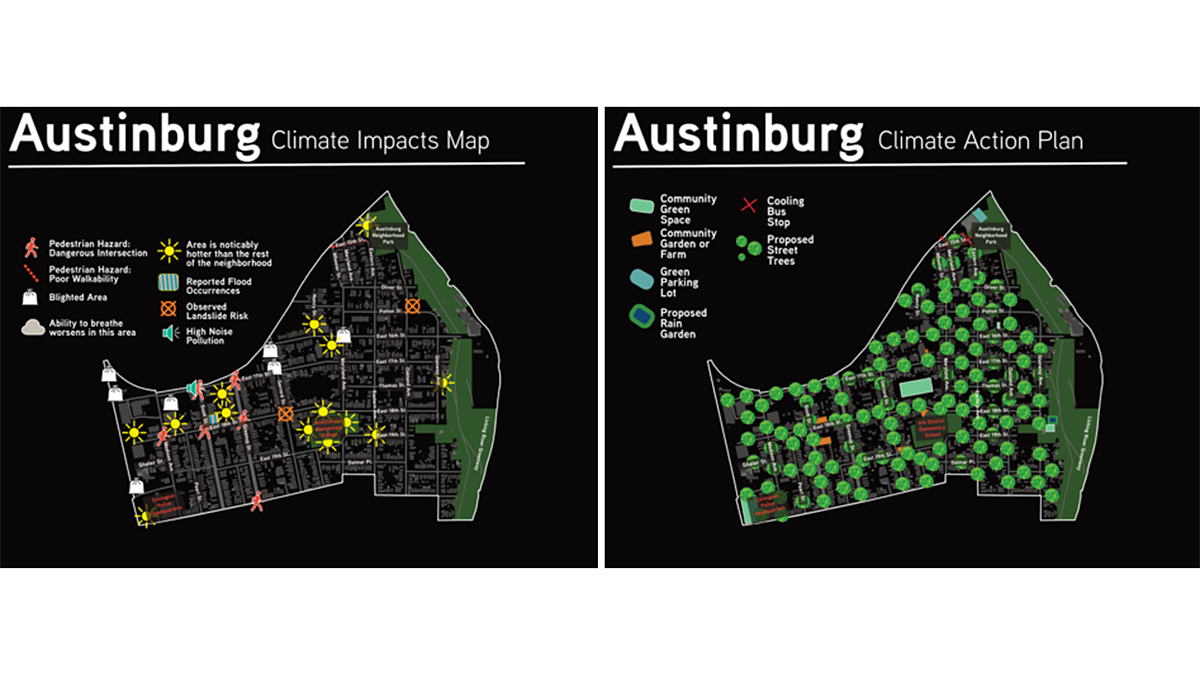
Resilient Solutions Involve Input and Data from the Community
Data dashboards assist in understanding a community’s vulnerability to climate impacts, but input from the communities themselves helps identify and support actionable solutions.

Posted inResearch Spotlights
Heat and Pollution Events Are Deadly, Especially in the Global South
Researchers found that the combination of heat waves and high PM2.5 pollution led to nearly 700,000 premature deaths in the past 30 years—most of which occurred in the Global South.
Posted inResearch Spotlights
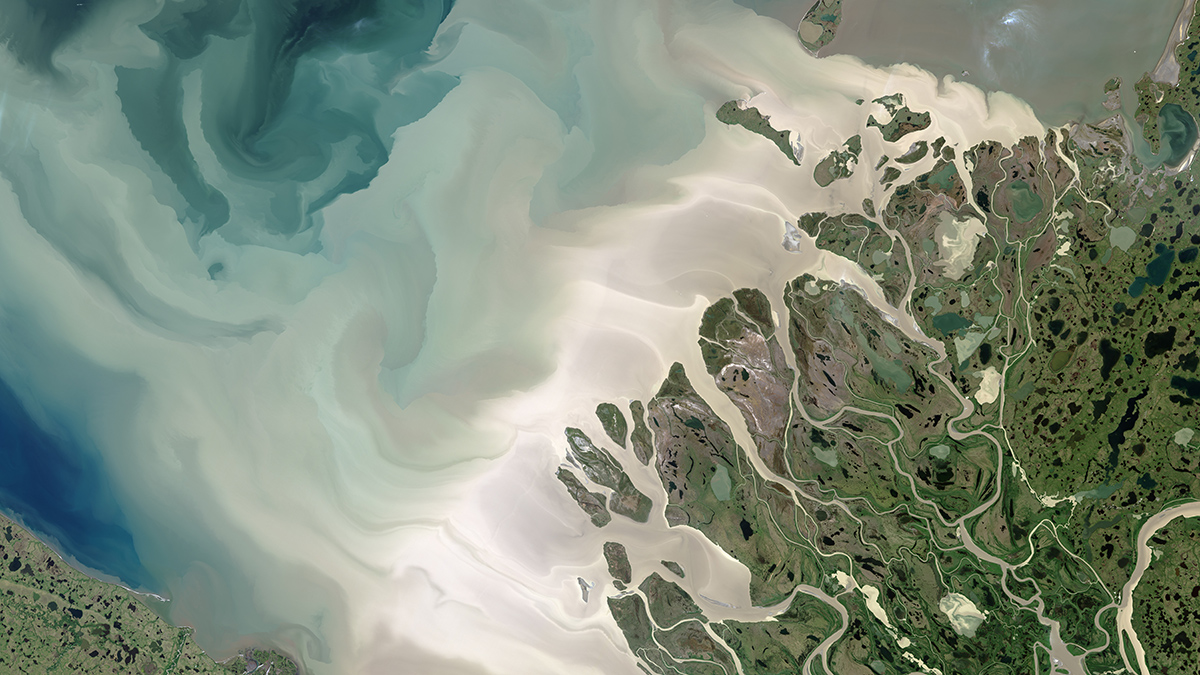
The Uncertain Fate of the Beaufort Gyre
Climate models produce widely varying predictions for what will happen to this influential ocean current, but most models predict it will weaken or stop.