• About
  • Special Reports
  • Topics
    • Climate
    • Earth Science
    • Oceans
    • Space & Planets
    • Health & Ecosystems
    • Culture & Policy
    • Education & Careers
    • Opinions
  • Projects
    • Postcards From the Field
    • ENGAGE
    • Editors’ Highlights
    • Editors’ Vox
    • Eos en Español
    • Eos 简体中文版
    • Print Archive: 2015–2025
  • Policy Tracker
  • Blogs
    • Research & Developments
    • The Landslide Blog
  • Newsletter
  • Submit to Eos
  • AGU.org
  • Career Center
  • Join AGU
  • Give to AGU
  • About
  • Special Reports
  • Topics
    • Climate
    • Earth Science
    • Oceans
    • Space & Planets
    • Health & Ecosystems
    • Culture & Policy
    • Education & Careers
    • Opinions
  • Projects
    • Postcards From the Field
    • ENGAGE
    • Editors’ Highlights
    • Editors’ Vox
    • Eos en Español
    • Eos 简体中文版
    • Print Archive: 2015–2025
  • Policy Tracker
  • Blogs
    • Research & Developments
    • The Landslide Blog
  • Newsletter
  • Submit to Eos
Skip to content
  • AGU.org
  • Career Center
  • Join AGU
  • Give to AGU
Eos

Eos

Science News by AGU

Support Eos
Sign Up for Newsletter
  • About
  • Special Reports
  • Topics
    • Climate
    • Earth Science
    • Oceans
    • Space & Planets
    • Health & Ecosystems
    • Culture & Policy
    • Education & Careers
    • Opinions
  • Projects
    • Postcards From the Field
    • ENGAGE
    • Editors’ Highlights
    • Editors’ Vox
    • Eos en Español
    • Eos 简体中文版
    • Print Archive: 2015–2025
  • Policy Tracker
  • Blogs
    • Research & Developments
    • The Landslide Blog
  • Newsletter
  • Submit to Eos

climate

The Taj Mahal is cloaked in a haze of pollution, making the edges of buildings and vegetation blurry.
Posted inResearch Spotlights

Heat and Pollution Events Are Deadly, Especially in the Global South

Sarah Derouin, Science Writer by Sarah Derouin 14 May 202514 May 2025

Researchers found that the combination of heat waves and high PM2.5 pollution led to nearly 700,000 premature deaths in the past 30 years—most of which occurred in the Global South.

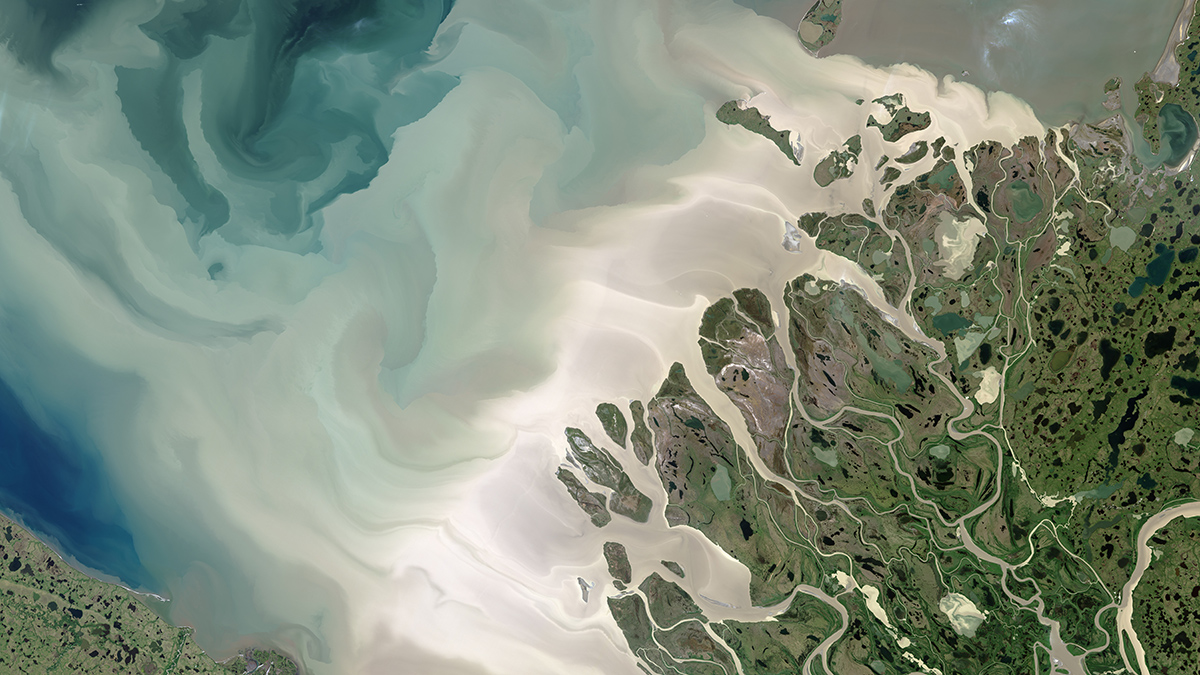
A satellite image of a river flowing into the ocean. The area where it meets the ocean is cloudy.
Posted inResearch Spotlights

The Uncertain Fate of the Beaufort Gyre

by Saima May Sidik 13 May 202513 May 2025

Climate models produce widely varying predictions for what will happen to this influential ocean current, but most models predict it will weaken or stop.
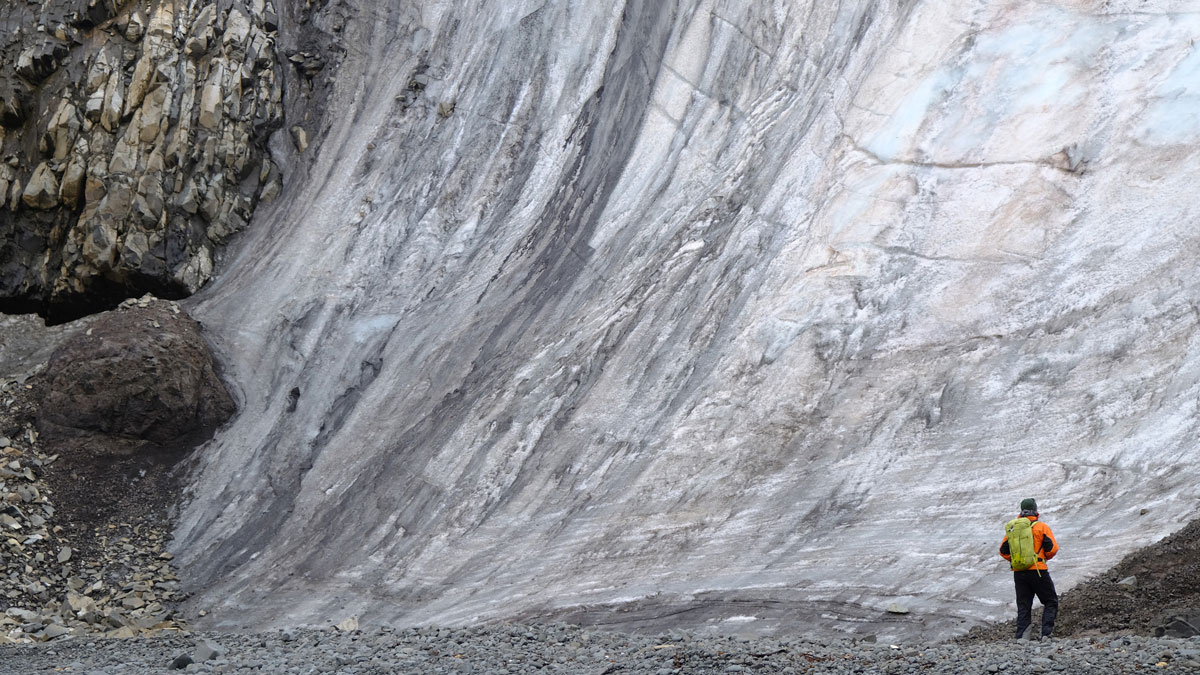
Tall glacier face with layered ice wall meeting rocky terrain, with a person in bright-colored clothing at the base.
Posted inNews

Newly Discovered Algae May Speed Melting of Antarctic Ice

by Andrew Chapman 9 May 20259 May 2025

Purple pigmentation in a diverse array of algae absorbs heat and creates a feedback loop responsible for 2% of total daily melting.
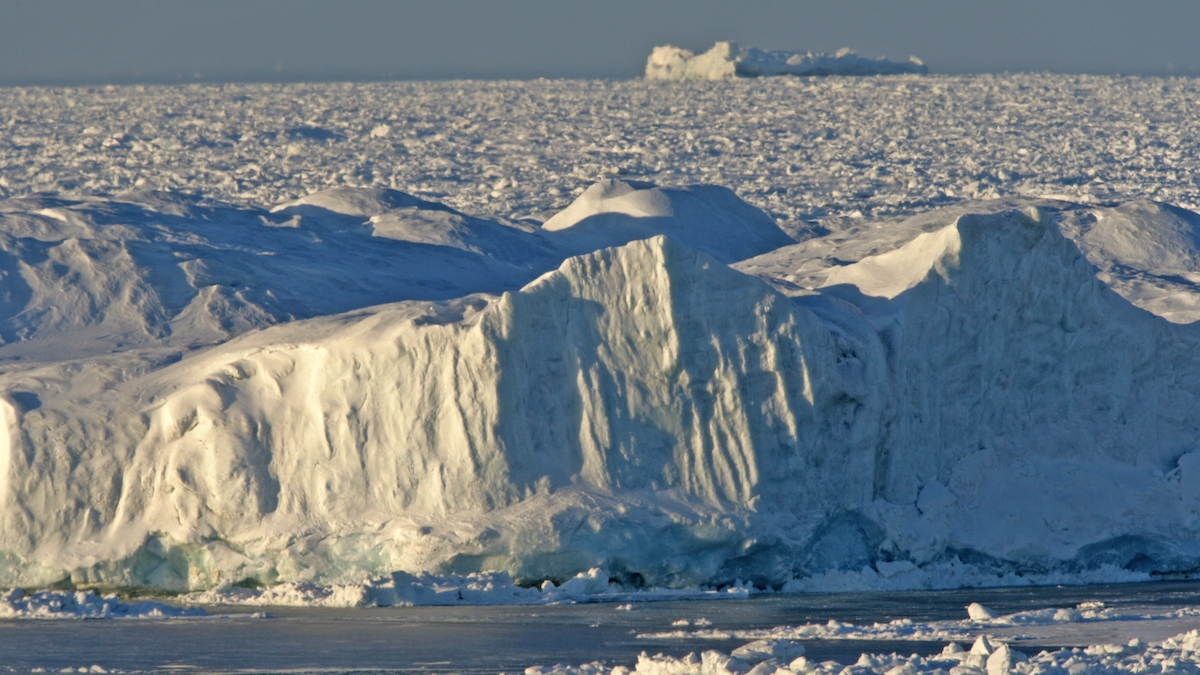
A large iceberg floats in the sea.
Posted inResearch & Developments

NOAA Halts Maintenance of Key Arctic Data at National Snow and Ice Data Center

by Grace van Deelen 8 May 20258 May 2025

The National Snow and Ice Data Center (NSIDC) may no longer actively maintain or update some of its snow and ice data products after losing support from NOAA’s National Centers for Environmental Information, according to a 6 May announcement.
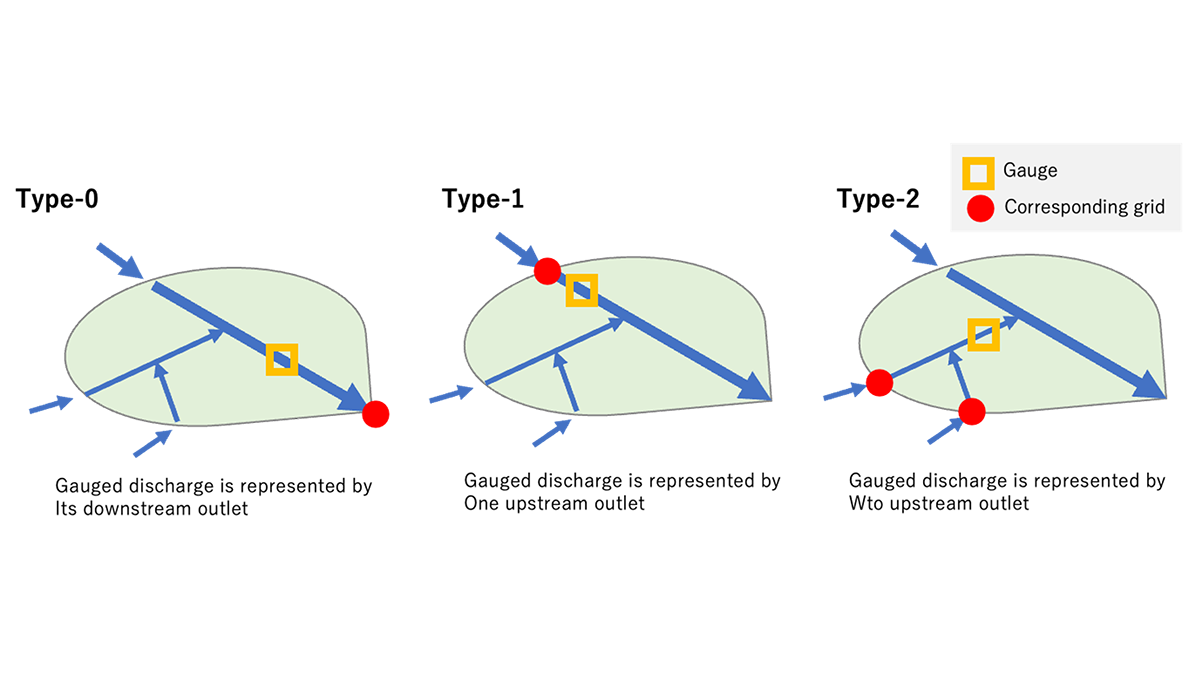
Diagram from the study.
Posted inEditors' Highlights

First Benchmarking System of Global Hydrological Models

by Kei Yoshimura 7 May 20257 May 2025

A benchmarking framework for global hydrological models, essential for Earth System Model evaluations, has finally been proposed.

Photo of a rice paddy.
Posted inEditors' Vox

Decoding Crop Evapotranspiration

by Rangjian Qiu 6 May 20256 May 2025

The intricate factors influencing cropland evapotranspiration is uncovered in a new article, from stressors to diverse management practices, and reveals critical insights into changing climates.
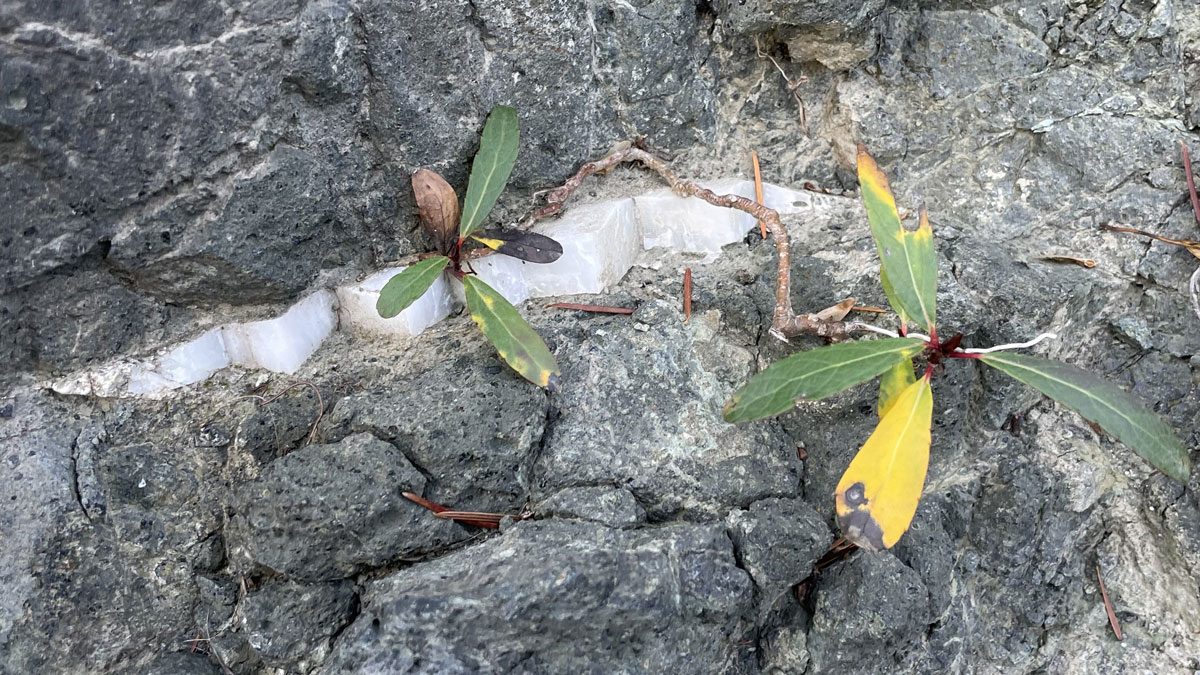
Close-up view of a white vein of calcite in gray basalt rock with a small plant on the rock.
Posted inOpinions

Real Climate Solutions Are Beneath Us

by Peter Reiners 2 May 202526 February 2026

It’s time to accept that durable subsurface carbon storage, along with emissions reductions, must be part of the plan to mitigate the effects of climate change—and geoscience must play a central role.
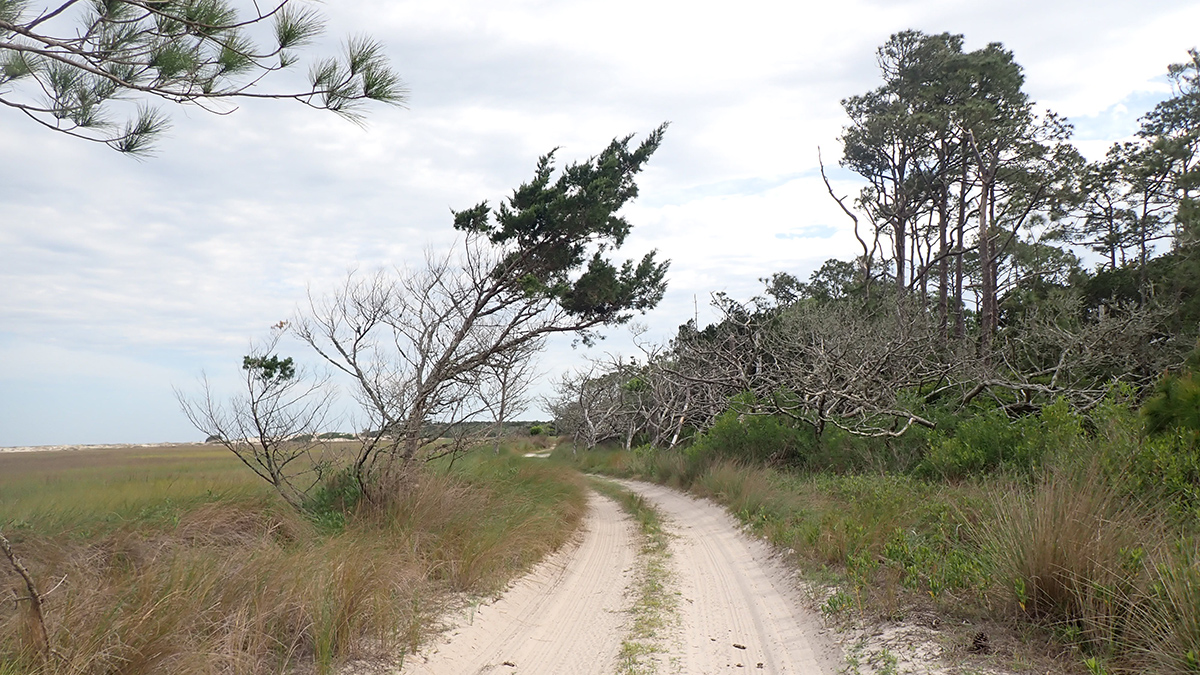
A dirt road curves into the distance. On either side are trees and brush.
Posted inResearch Spotlights

Flood Prediction Could Boost Road Resilience off Georgia’s Coast

Sarah Derouin, Science Writer by Sarah Derouin 2 May 20252 May 2025

Researchers and community members worked together to develop recommendations for how Little Cumberland Island can mitigate flooding hazards.
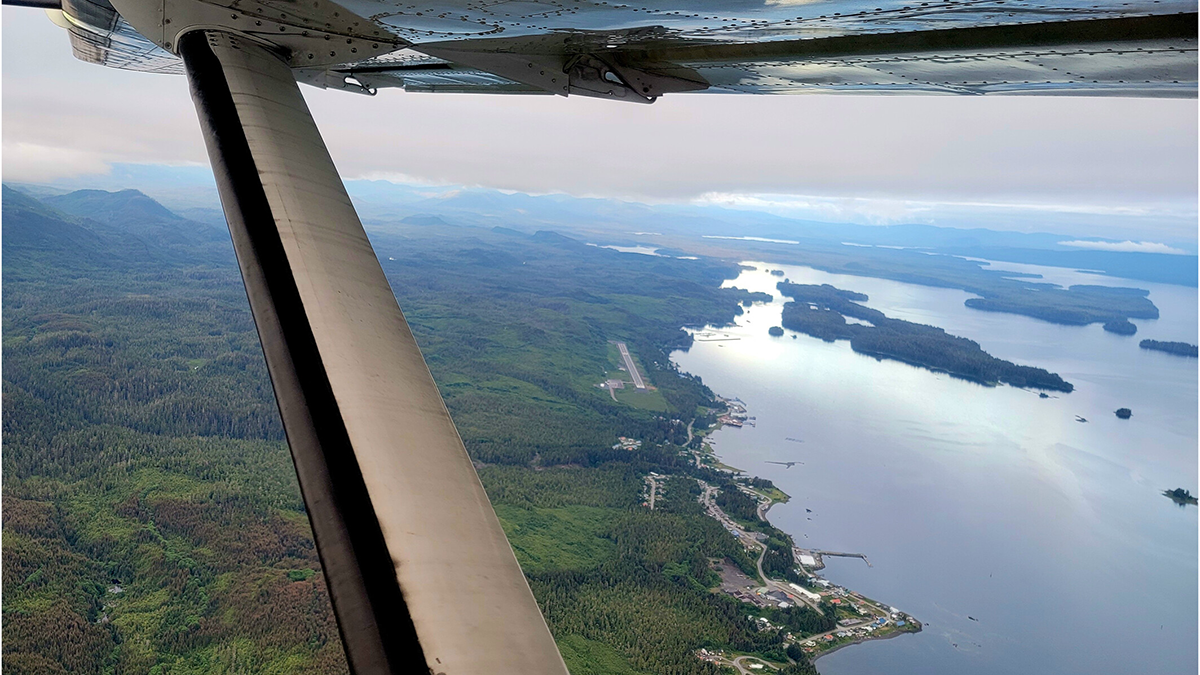
Photo taken from a plane of a small community by a body of water.
Posted inEditors' Highlights

Work with Indigenous Communities Advances Community Science

by Raj Pandya 2 May 20251 May 2025

Drawing from climate co-production work with the community of Kake in Alaska, two new studies offer insights for doing community science—especially, but not only, with Indigenous communities.
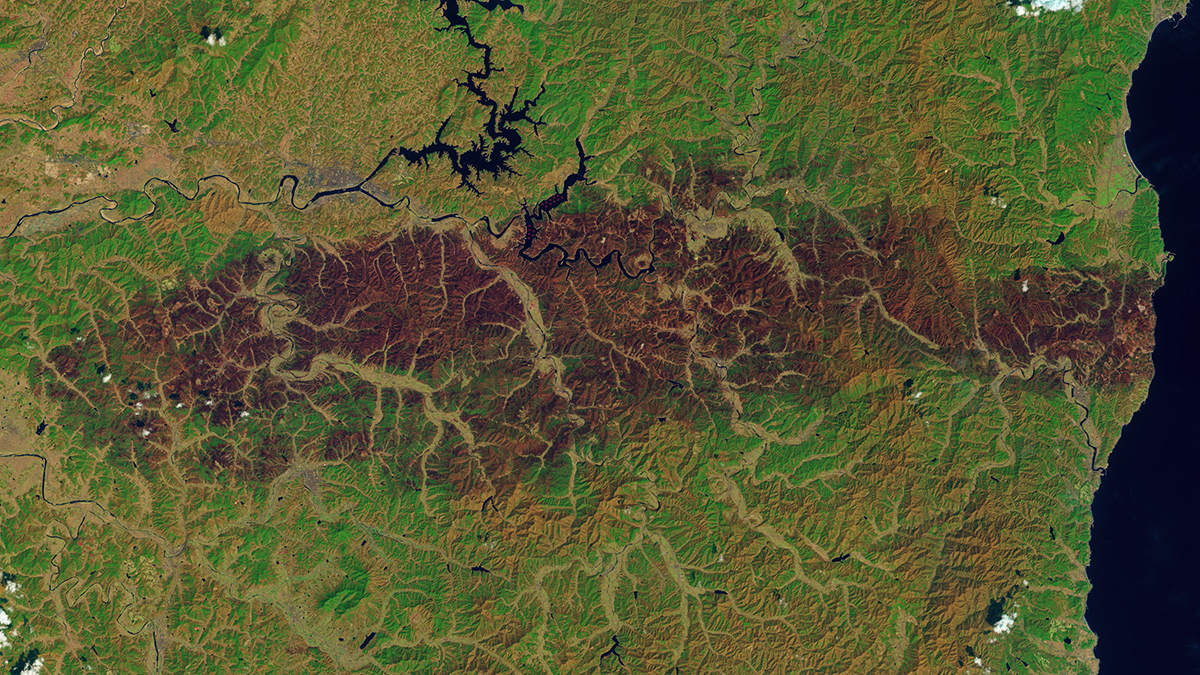
A satellite image of South Korea shows the area that burned in the March 2025 wildfires.
Posted inNews

Climate Change Heightened Conditions of South Korean Fires

by Emily Dieckman 30 April 202530 April 2025

Unusually low rainfall and humidity, combined with windier days, made the catastrophic wildfires more likely.

Posts pagination

Newer posts 1 … 28 29 30 31 32 … 128 Older posts
Over a dark blue-green square appear the words Special Report: The State of the Science 1 Year On.

Features from AGU Publications

Research Spotlights

The Speedy Particles That Could Help Us Learn More About Uranus

18 June 202618 June 2026
Editors' Highlights

Where Methane is Emitted Matters for Global Burden

18 June 202616 June 2026
Editors' Vox

Small-Scale Indian Ocean Dynamics Underpin Marine Ecology and Climate

4 June 20263 June 2026
Eos logo at left; AGU logo at right

About Eos
ENGAGE
Awards
Contact

Advertise
Submit
Career Center
Sitemap

© 2026 American Geophysical Union. All rights reserved Powered by Newspack