
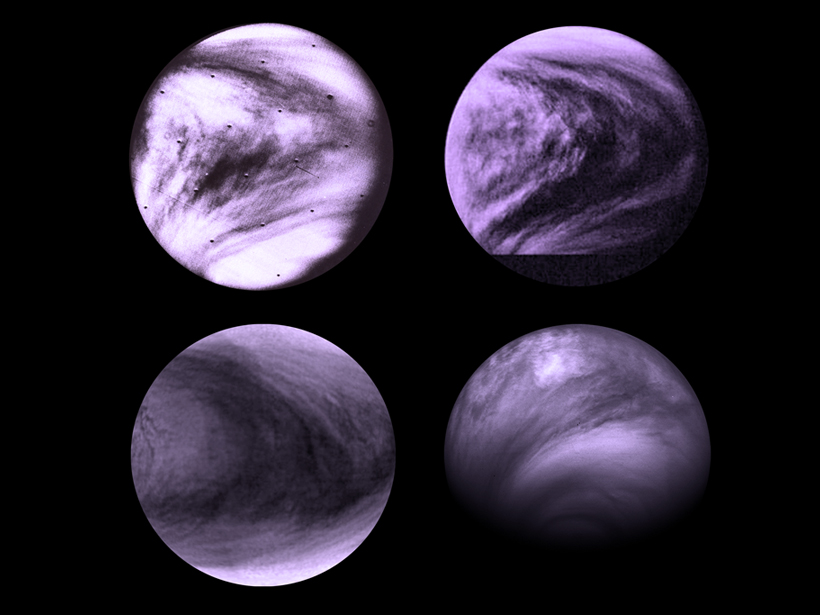
A novel model suggests that a new wave may be responsible for Venus's iconic Y pattern.
clouds
Posted inAGU News
Lu Receives the 2015 James R. Holton Junior Scientist Award
Chunsong Lu will receive the 2015 James R. Holton Junior Scientist Award at the 2015 American Geophysical Union Fall Meeting, to be held 14–18 December in San Francisco, Calif. The award recognizes "outstanding research contributions by a junior atmospheric scientist within three years of his or her Ph.D."
Posted inResearch Spotlights
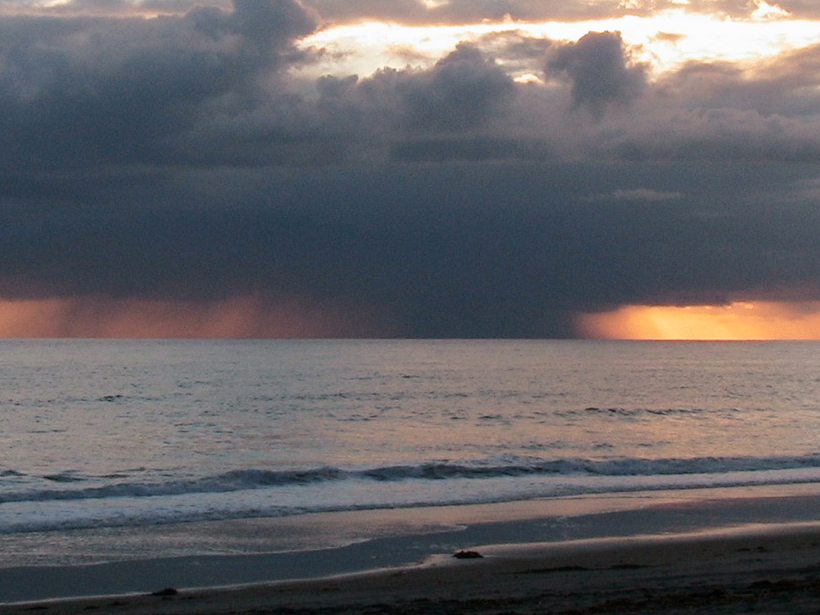
Cool Downdrafts in Large Thunderstorms Captured by Satellite
Orbiting scatterometers can reveal patterns of cool air in mesoscale convective systems.
Posted inResearch Spotlights
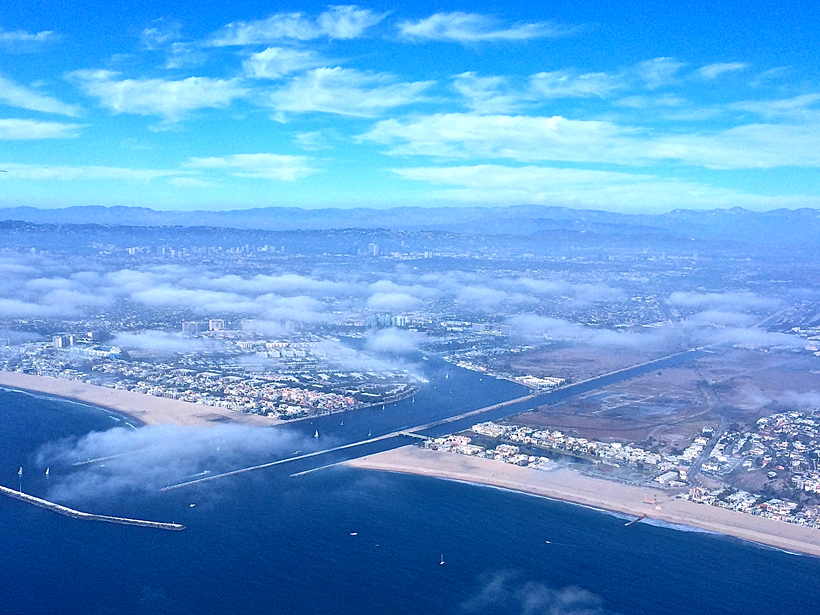
Urbanization Threatens Drought-Reducing Clouds in California
Since the mid-20th century, increased urbanization along the southern California coast has raised nighttime temperatures, resulting in less morning fog and cloud cover.

Posted inScience Updates
Dispelling Clouds of Uncertainty
How do you build a climate model that accounts for cloud physics and the transitions between cloud regimes? Use MAGIC.
Posted inResearch Spotlights
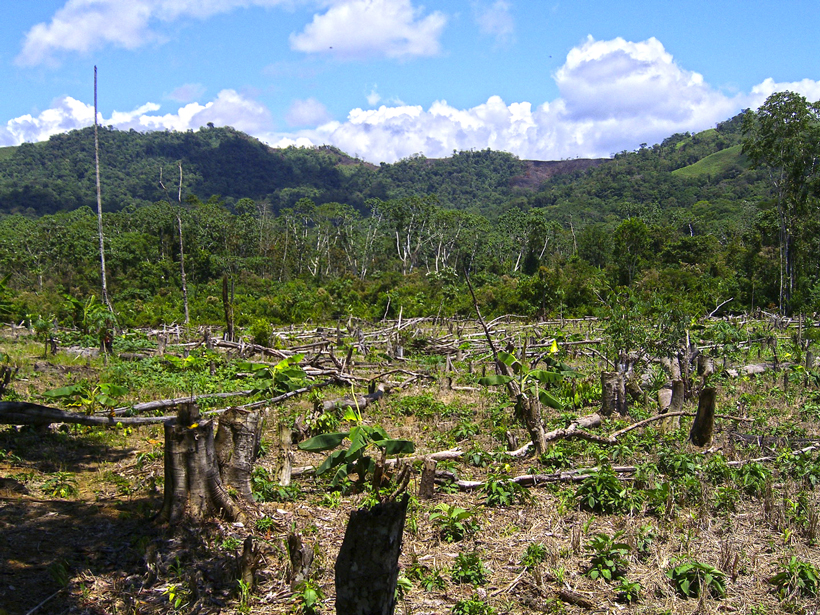
Could Amazonian Deforestation Increase Cloudiness and Rain?
In trading trees for pastures, patchwork differences in vegetation heights increase cloudiness in downwind regions.
Posted inResearch Spotlights
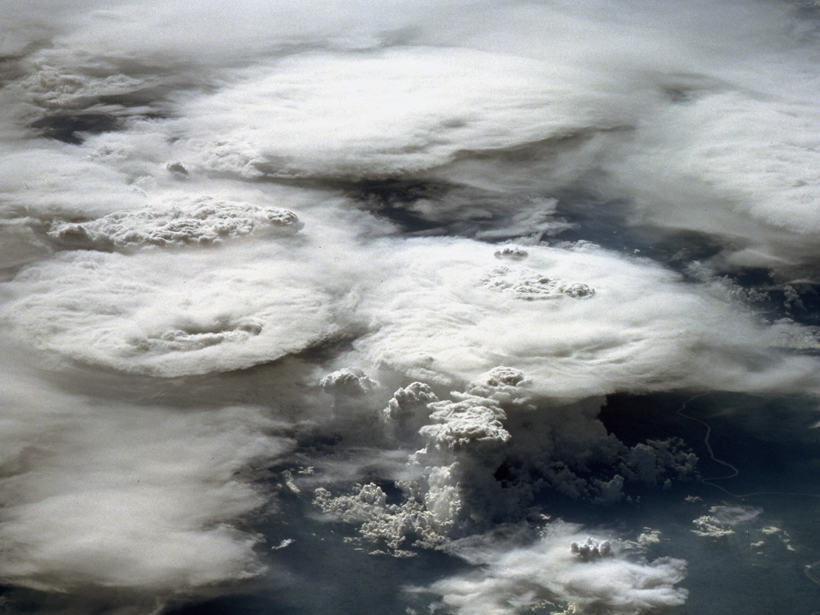
Researchers Roll Clouds into Climate Modeling
As computational power grows thanks to improving techniques and technology, scientists are working toward incorporating complex systems such as clouds into global and regional climate models.
Posted inResearch Spotlights
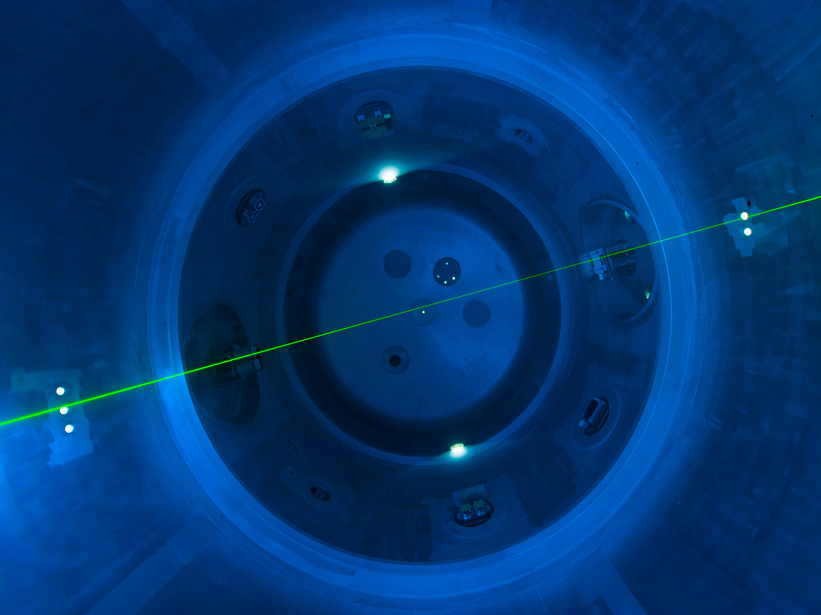
Precooled Aerosols Are Better Raindrop Nuclei
Cooling inorganic and organic aqueous solutions makes the particles into more robust seeds of clouds.
Posted inResearch Spotlights
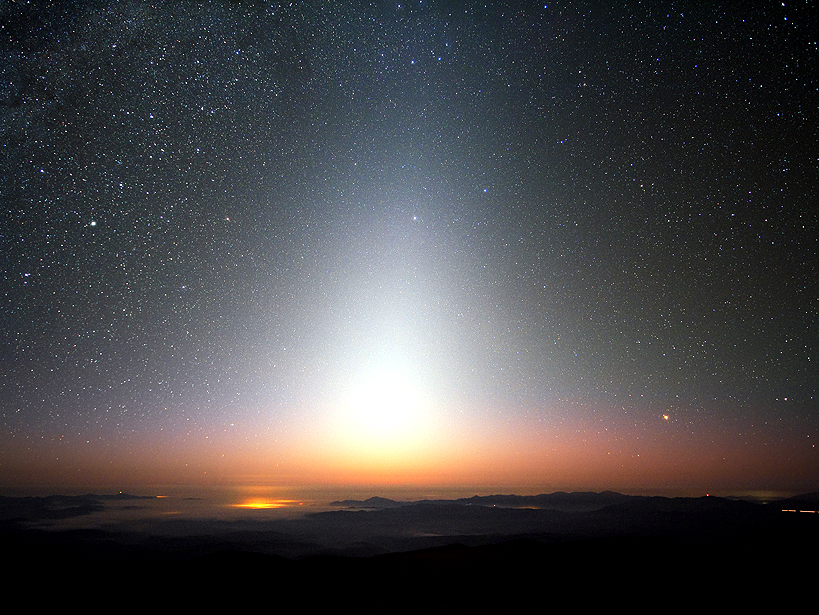
Shooting Stars and Cosmic Dust Help Form Clouds, Fertilize Plankton
Tons of cosmic dust enter Earth’s atmosphere each day, triggering a range of phenomena that scientists are only just beginning to understand.

Posted inFeatures
Coastal Fog, Climate Change, and the Environment
To climate scientists, marine fog's physical opacity symbolizes how much remains to be discovered about the atmospheric phenomenon.