• About
  • Special Reports
  • Topics
    • Climate
    • Earth Science
    • Oceans
    • Space & Planets
    • Health & Ecosystems
    • Culture & Policy
    • Education & Careers
    • Opinions
  • Projects
    • Postcards From the Field
    • ENGAGE
    • Editors’ Highlights
    • Editors’ Vox
    • Eos en Español
    • Eos 简体中文版
    • Print Archive: 2015–2025
  • Policy Tracker
  • Blogs
    • Research & Developments
    • The Landslide Blog
  • Newsletter
  • Submit to Eos
  • AGU.org
  • Career Center
  • Join AGU
  • Give to AGU
  • About
  • Special Reports
  • Topics
    • Climate
    • Earth Science
    • Oceans
    • Space & Planets
    • Health & Ecosystems
    • Culture & Policy
    • Education & Careers
    • Opinions
  • Projects
    • Postcards From the Field
    • ENGAGE
    • Editors’ Highlights
    • Editors’ Vox
    • Eos en Español
    • Eos 简体中文版
    • Print Archive: 2015–2025
  • Policy Tracker
  • Blogs
    • Research & Developments
    • The Landslide Blog
  • Newsletter
  • Submit to Eos
Skip to content
  • AGU.org
  • Career Center
  • Join AGU
  • Give to AGU
Eos

Eos

Science News by AGU

Support Eos
Sign Up for Newsletter
  • About
  • Special Reports
  • Topics
    • Climate
    • Earth Science
    • Oceans
    • Space & Planets
    • Health & Ecosystems
    • Culture & Policy
    • Education & Careers
    • Opinions
  • Projects
    • Postcards From the Field
    • ENGAGE
    • Editors’ Highlights
    • Editors’ Vox
    • Eos en Español
    • Eos 简体中文版
    • Print Archive: 2015–2025
  • Policy Tracker
  • Blogs
    • Research & Developments
    • The Landslide Blog
  • Newsletter
  • Submit to Eos

dinosaurs

Yellow and orange swirls color a chunk of Navajo sandstone in Grand Staircase.
Posted inFeatures

When Climate Ruled the Dinosaurs of Grand Staircase

Mary Caperton Morton, Science Writer by Mary Caperton Morton 30 December 20219 May 2023

Living in Geologic Time: Navigate the prolific boneyards and shifting boundaries of Grand Staircase-Escalante and Bears Ears National Monuments.

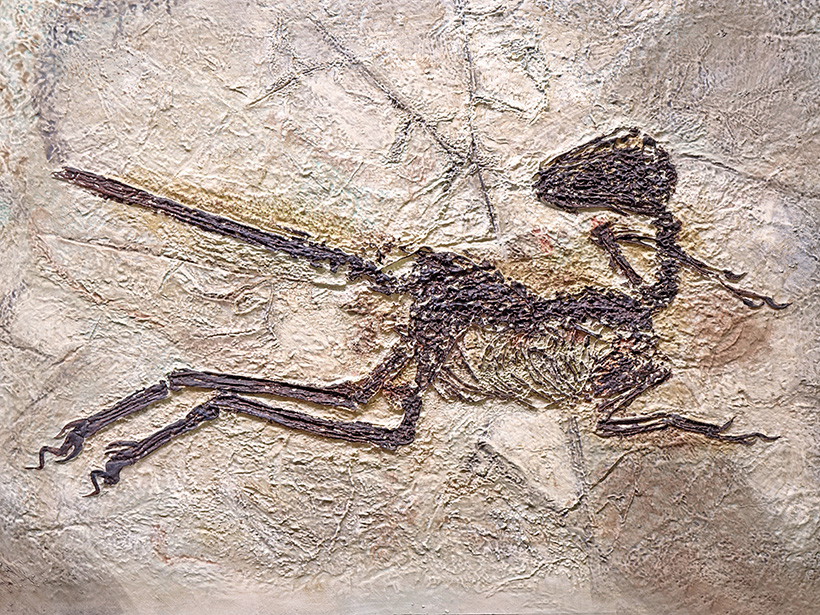
A fossil of Zhenyuanlong suni, a feathered dinosaur from the Early Cretaceous
Posted inResearch Spotlights

Cool Oasis for Cretaceous Feathered Dinosaurs

by Rebecca Dzombak 1 October 202111 January 2022

A new study found that the Jehol Biota had chilly temperatures and high altitudes when feathered dinosaurs roamed the slopes.
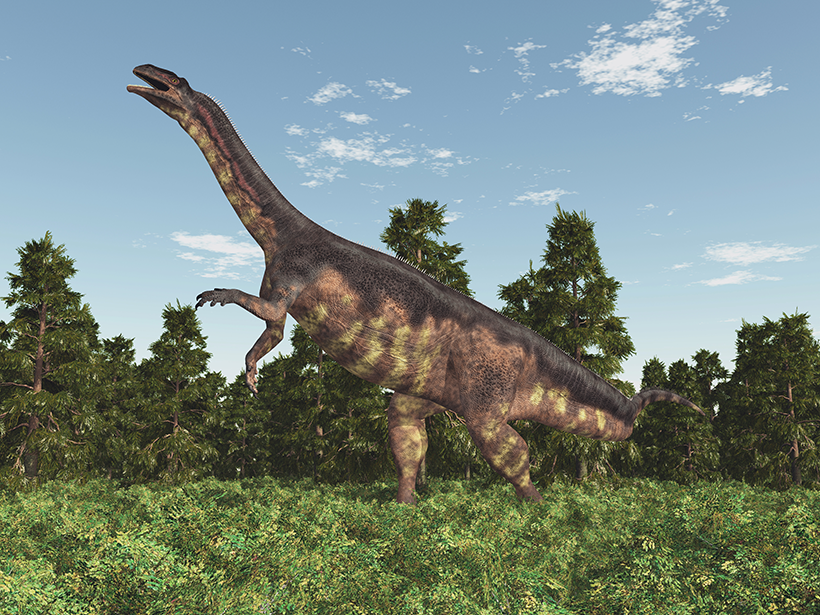
Image of a long-necked dinosaur with trees in the background.
Posted inNews

A Dip in Atmospheric Carbon May Have Facilitated Dinosaur Dispersal

Katherine Kornei, Science Writer by Katherine Kornei 23 March 20212 September 2022

Herbivorous dinosaurs migrated north across Pangea beginning about 214 million years ago, coincident with a downturn in atmospheric carbon dioxide levels.
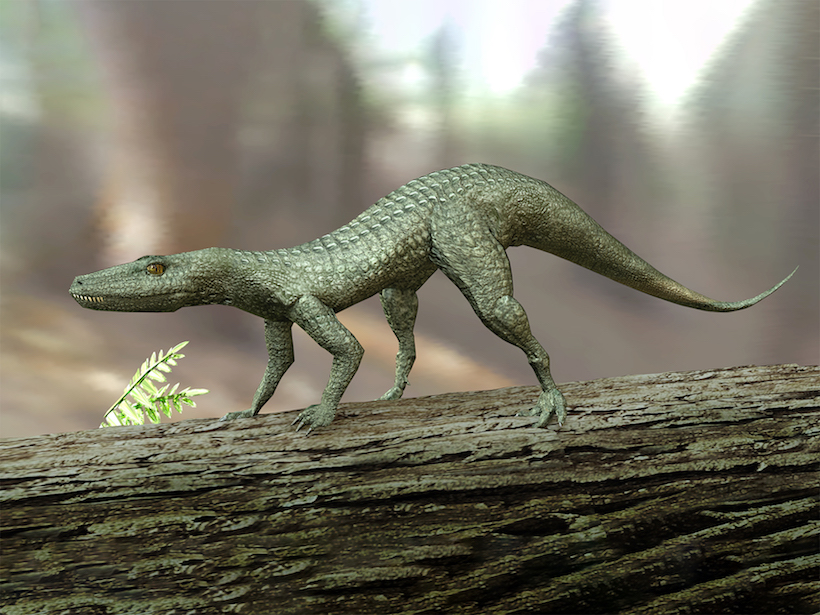
A 3D computer illustration of Hesperosuchus, an extinct genus of crocodylomorph reptiles
Posted inNews

A Little-Known Mass Extinction and the “Dawn of the Modern World”

by S. Norris 9 November 202027 October 2022

Volcanic eruptions in what is now western Canada may have triggered a million years of rain and a mass extinction that launched the reign of the dinosaurs.
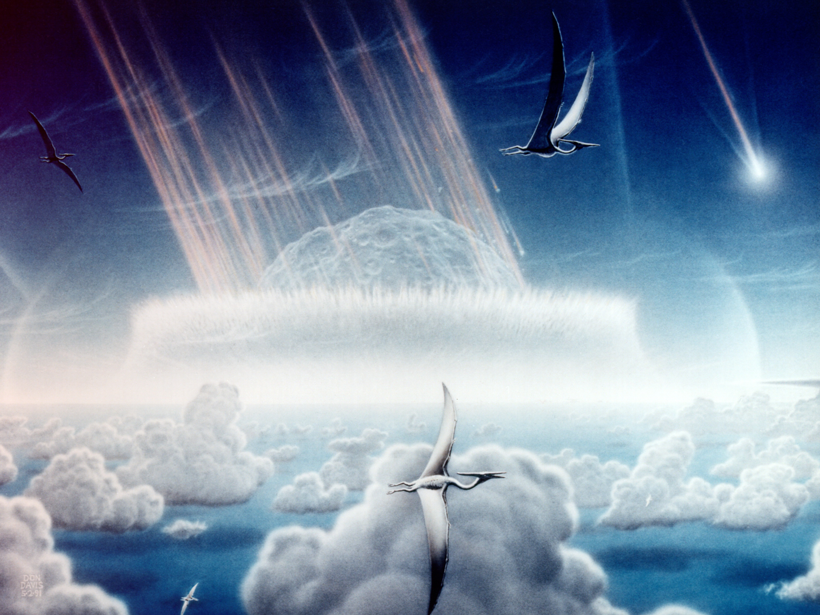
The Chicxulub impact event, framed by fluffy clouds and flying pterosaurs
Posted inNews

Asteroid Impact, Not Volcanism, Likely Spelled Dinosaurs’ End

Katherine Kornei, Science Writer by Katherine Kornei 21 July 202010 November 2021

Using climate and habitat modeling, researchers show that solar dimming caused by an asteroid impact would have plunged the world into an “impact winter” and decimated dinosaur habitats.
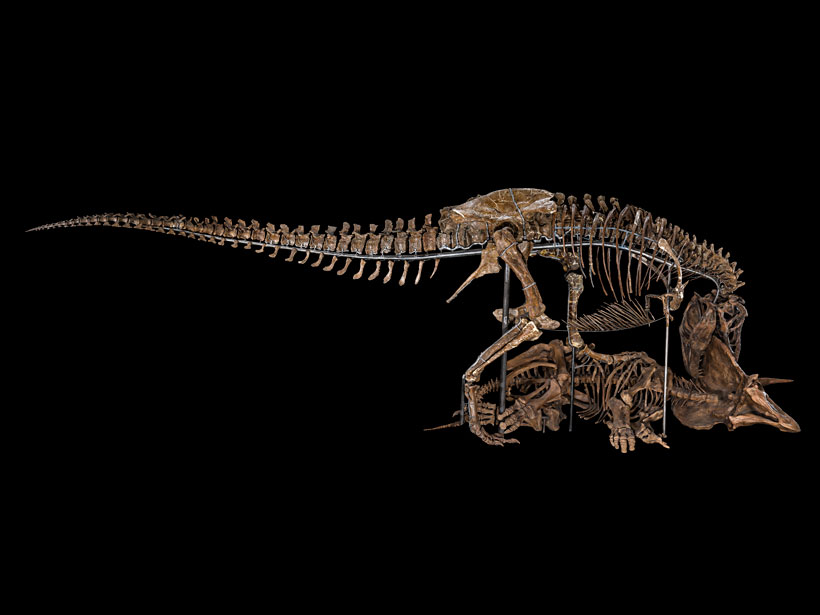
Photo of a fossil display of T. rex chomping down on Triceratops
Posted inNews

Dinosaurs Roar Again, Now Including a Focus on Climate Change

by Randy Showstack 4 June 201915 April 2022

The newly renovated fossil hall at the Smithsonian’s National Museum of Natural History features spectacular fossils and includes a theme of human impact on life on Earth.

A white man in a fedora looks into the gaping maw of a T. rex fossil.
Posted inNews

King of the Tyrannosaurs Goes on Display

Mary Caperton Morton, Science Writer by Mary Caperton Morton 10 April 20194 October 2022

The biggest, oldest T. rex found to date shows how big tyrannosaurs could get.
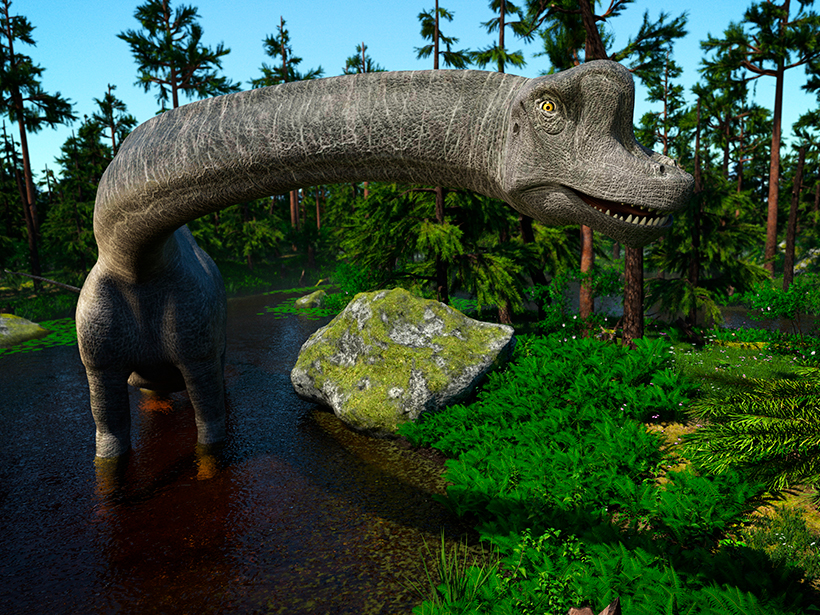
A computer rendering of a Brachiosaurus. Herbivores like brachiosaurs likely helped distribute nutrients through their poop.
Posted inNews

Signatures of Dinosaur Poop Found in Cretaceous Coal Seams

Katherine Kornei, Science Writer by Katherine Kornei 31 October 20174 October 2021

Coal analysis suggests that plant-eating dinosaurs, by walking kilometers between their picnic areas and their toilets, distributed important nutrients widely and boosted ecosystem health.

Asteroid strikes Earth 65 million years ago
Posted inNews

Cores from Crater Tied to Dinosaur Demise Validate Impact Theory

JoAnna Wendel, freelance science writer and illustrator by JoAnna Wendel 17 November 201628 January 2022

Drilling into the famous, deeply buried Chicxulub crater off Mexico, researchers found deformed and porous granite that opens new avenues of research.
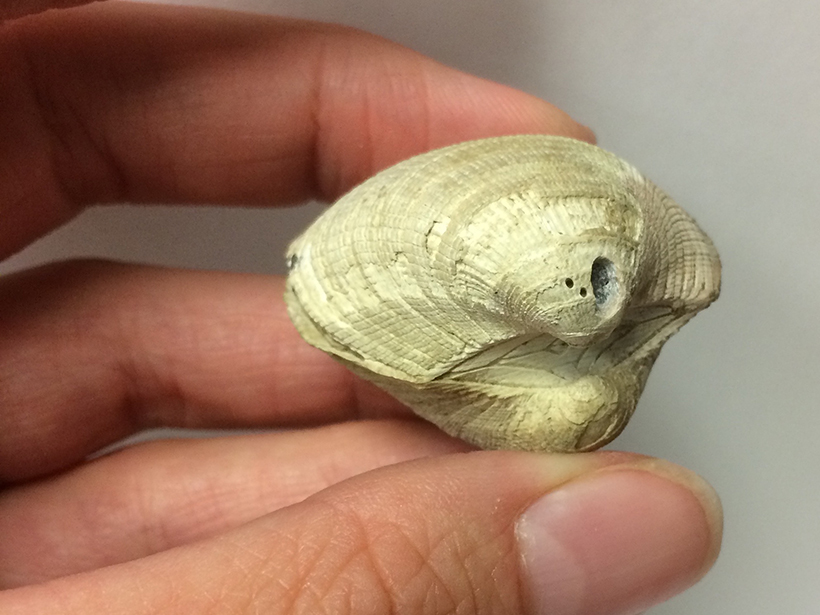
Mollusk shells reveal ocean warming episodes.
Posted inNews

Climate Warming May Have Helped Kill the Dinosaurs

Amy Coombs by A. Coombs 14 July 20162 March 2023

New evidence indicates ancient warming spells that coincided with prodigious volcanism and a powerful meteorite impact, both seen as possible causes of mass extinctions about 66 million years ago.

Posts pagination

Newer posts 1 2
Over a dark blue-green square appear the words Special Report: The State of the Science 1 Year On.

Features from AGU Publications

Research Spotlights

Mangroves May Be Losing Their Grip on Carbon Storage as Sea Levels Rise

5 June 20263 June 2026
Editors' Highlights

Pre-Existing Structure and Stress Shape Geothermal-Induced Seismicity

2 June 20261 June 2026
Editors' Vox

Small-Scale Indian Ocean Dynamics Underpin Marine Ecology and Climate

4 June 20263 June 2026
Eos logo at left; AGU logo at right

About Eos
ENGAGE
Awards
Contact

Advertise
Submit
Career Center
Sitemap

© 2026 American Geophysical Union. All rights reserved Powered by Newspack