
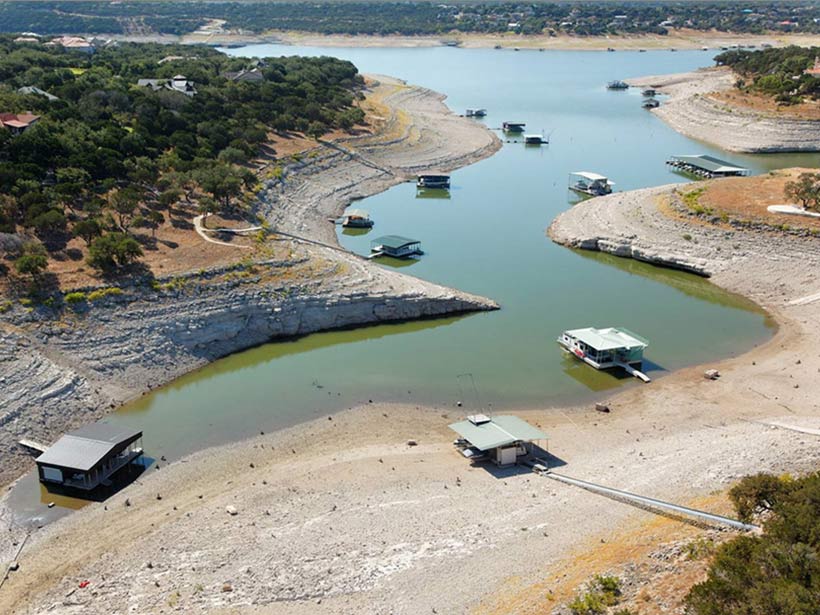
Preparing for High Consequence, Low Probability Events: Heat, Water & Energy in the Southwest; Tucson, Arizona, 28–29 September 2015
disaster preparedness
Posted inNews
Science of Tying Some Extreme Weather to Climate Change Advances

A report from the National Academies of Sciences, Engineering, and Medicine says attribution of some classes of extreme events can provide policy makers with better information about future risks.

Posted inNews
USGS Budget Plan to Advance Earth Observations, Hazards Measures
The request for across-the-board increases in fiscal year 2017 also seeks to improve water monitoring and terrain mapping, downsize infrastructure, and grow operations in support of scientific work.

Posted inNews
White House Showcases Earthquake Alerts, Federal Quake Readiness
A prototype ShakeAlert early warning system approaches alert-ready status as the administration issues an executive order on federal earthquake standards.
Posted inResearch Spotlights
Solar Storms Are More Predictable Than Hurricanes
An encouraging new study finds that solar storms don't propagate chaotically like hurricanes—their arrivals are more predictable, which should make it easier for our planet to prepare for them.
Posted inScience Updates
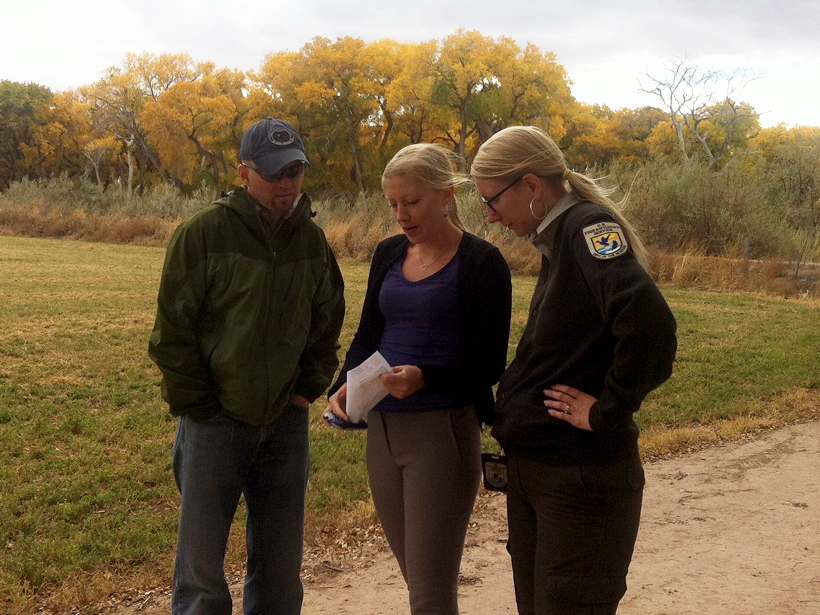
Ensuring Coordination Among Regional Climate Science Programs
National Adaptation Forum; St. Louis, Missouri, 12–14 May 2015
Posted inScience Updates
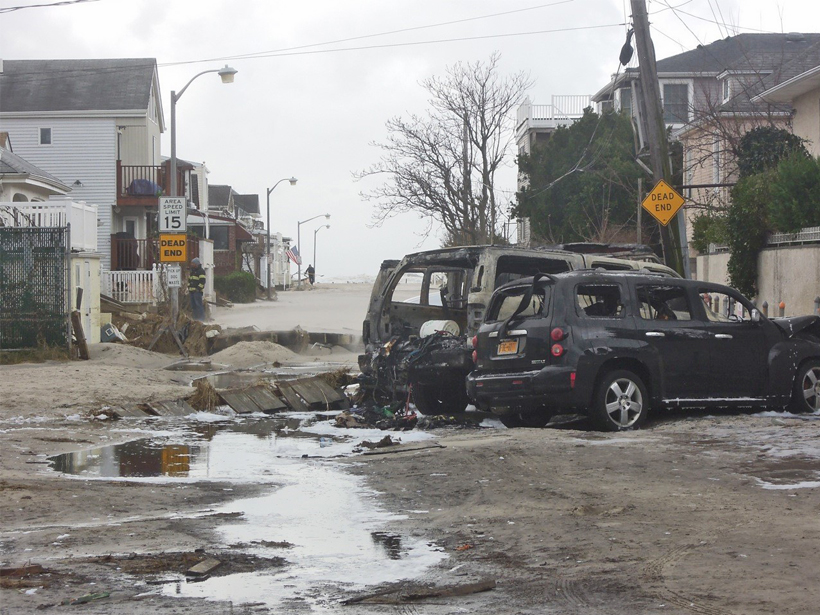
Communicating Hurricane Risks: Challenges and Recommendations
NOAA/Sea Grant Coastal Storm Awareness Program (CSAP ) Final Workshop; Newark, New Jersey, 26–27 May 2015
Posted inAGU News
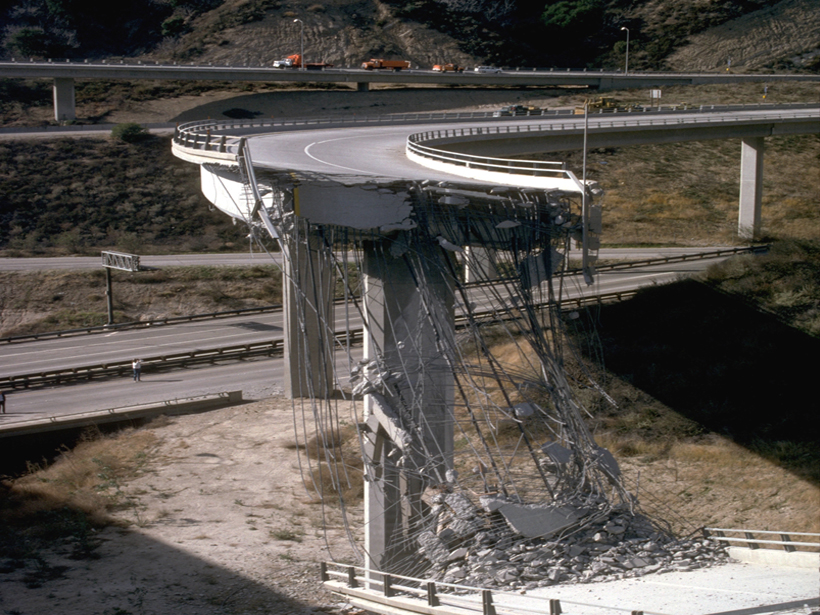
Position Statement on Hazards: Call for Comments

Feedback sought from American Geophysical Union members until 30 September on draft statement emphasizing partnering of scientists, policy makers, and stakeholders to improve hazards resilience.
Posted inOpinions
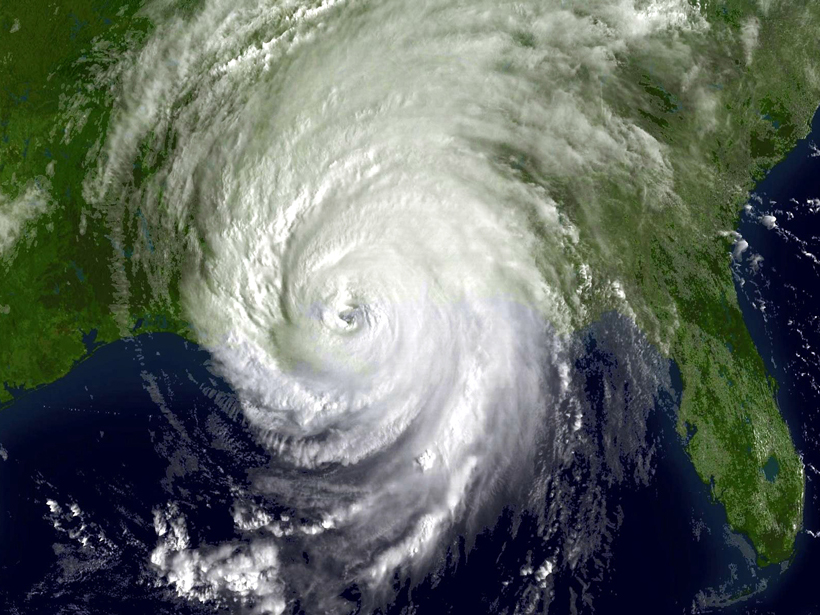
Ten Years After Katrina: What Have We Learned?
One mitigation strategy—relocating people and sensitive infrastructure to higher ground—eventually will need to be considered as sea level rise accelerates.

Posted inNews
Weak Shaking Lessened Nepal Earthquake Impact
Modest ground motion for such a big quake and some prior training in earthquake preparedness averted worse death and destruction, earthquake scientists say.