

Cross-correlations of ambient seismic noise are combined with well log data to image shallow crustal basement features in the Ebro Basin in Spain.
Earth science
Posted inNews
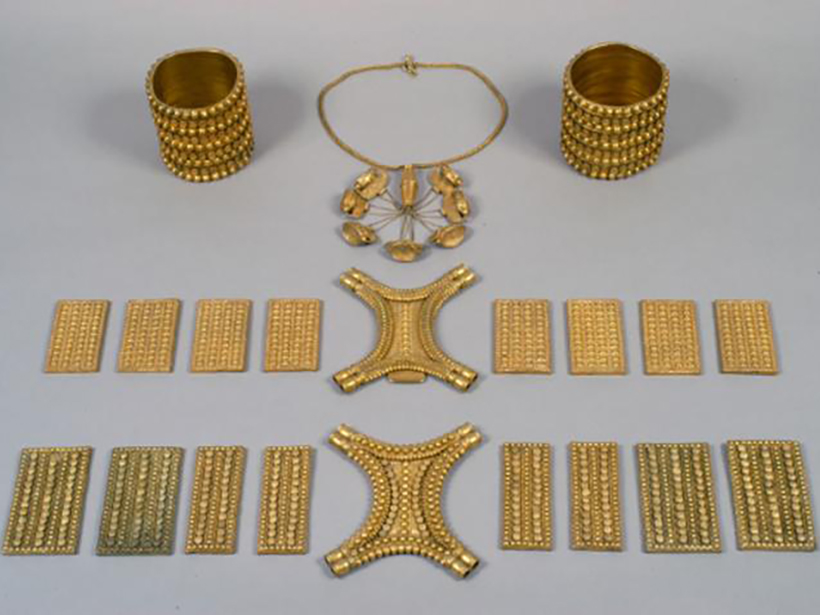
Fresh Take on a Gold Treasure’s Origins Using Geochemistry

Blending geoscience and archaeology, researchers apply a new technique to pinpoint where ancient and unique gold artifacts were crafted.

Posted inNews
NSF and Air Force Plan to Better Coordinate Research Projects

A newly released letter of intent sets up a new partnership that could benefit both agencies. Initial focus areas for consideration include space operations and geosciences.
Posted inResearch Spotlights
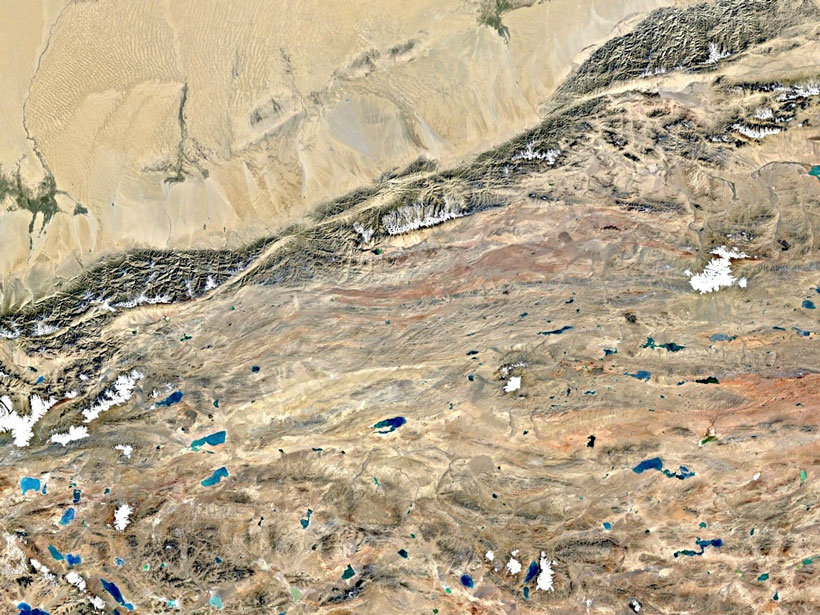
New Insights into Continental Deformation in Northwestern Tibet

A new surface velocity map shows strain localized along major strike-slip features, suggesting the central Tibetan Plateau is not deforming as a fluid in response to gravitational collapse.
Posted inNews
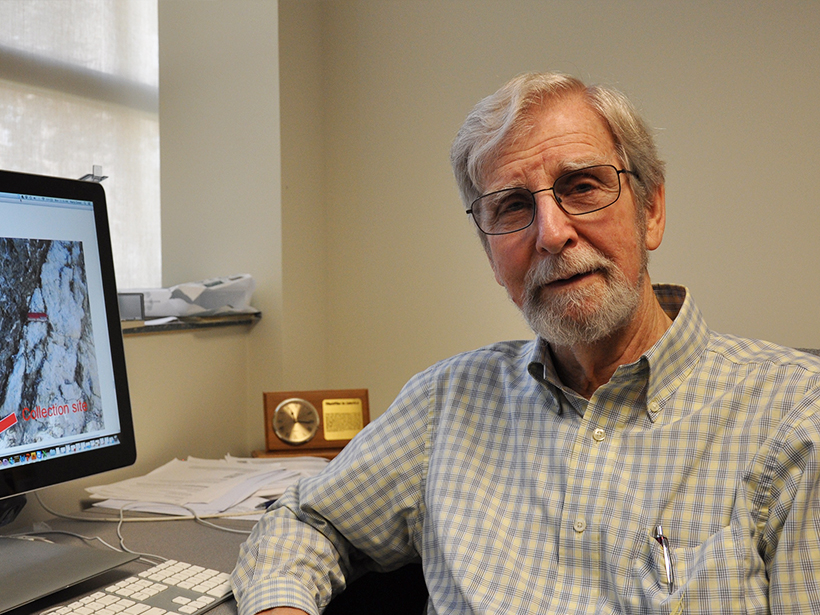
Harry W. Green II (1940–2017)
By keenly probing mantle rheology, interactions of deformations and phase transitions, and microscopic features, he made major contributions to petrology, mineralogy, and earthquake science.
Posted inScience Updates
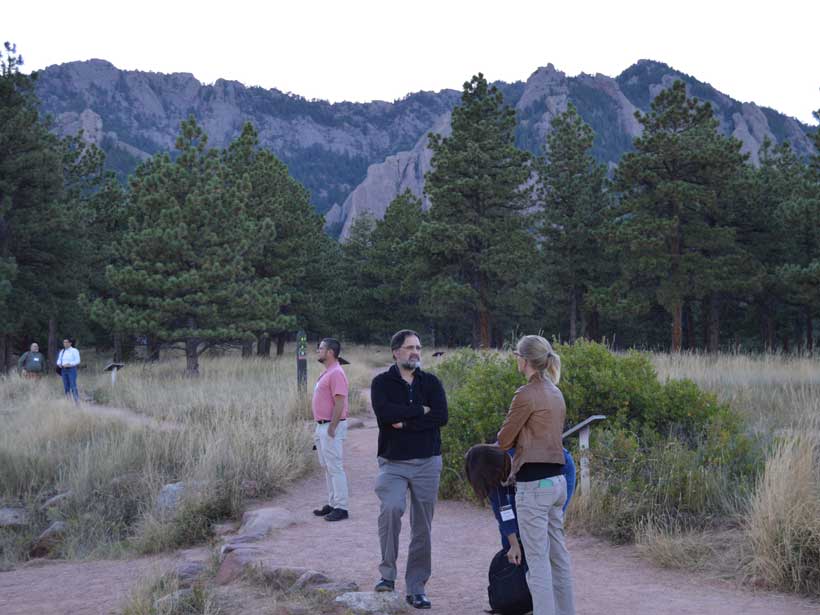
Focusing on Leadership to Improve Diversity in the Geosciences
Sparks for Change Institute; Boulder, Colorado, 18–20 September 2017
Posted inEditors' Vox
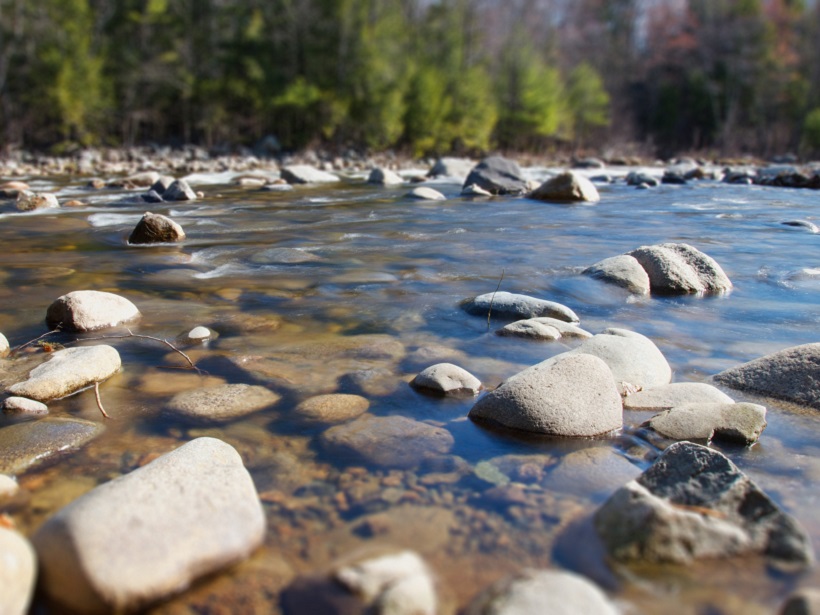
On Integrating Sedimentology and Hydrogeology in Streambeds
A new modeling blueprint seeks to unify sedimentology, hydrology, and hydrogeology in the modeling of streambeds.

Posted inScience Updates
Welcoming Women into the Geosciences
Early results of a program to foster the careers of women entering the geosciences demonstrate the effectiveness of several specific factors.

Posted inAGU News
Virtual Mentoring Rewards Scientists at All Career Stages

Five geoscience organizations recently established an online global mentoring service for their disciplines.
Posted inNews
An NSF Geosciences Road Map to Be Revised with Community Input
The agency requests comments by 15 April.