
Bruno Faria received the 2017 Africa Award for Research Excellence in Earth Science at the American Geophysical Union Fall Meeting Honors Ceremony, held on 13 December 2017 in New Orleans, La. The award honors an early-career scientist from the African continent for “completing significant work that shows the focus and promise of making outstanding contributions to research in Earth or ocean sciences.”
Earth science
Posted inAGU News
Hook Hua Receives 2017 Charles S. Falkenberg Award
Hook Hua was awarded the 2017 Charles S. Falkenberg Award at the American Geophysical Union Fall Meeting Honors Ceremony, held on 13 December 2017 in New Orleans, La. The award is for “an early- to middle-career scientist who has contributed to the quality of life, economic opportunities and stewardship of the planet through the use of Earth science information and to the public awareness of the importance of understanding our planet.”
Posted inAGU News
Bahr, Duce, and Somerville Receive 2017 Ambassador Awards
Jean M. Bahr, Robert A. Duce, and Richard C. J. Somerville were awarded the 2017 Ambassador Award at the American Geophysical Union Fall Meeting Honors Ceremony, held on 13 December 2017 in New Orleans, La. The award is in recognition for “outstanding contributions to one or more of the following areas: societal impact, service to the Earth and space community, scientific leadership, and promotion of talent/career pool.”
Posted inScience Updates
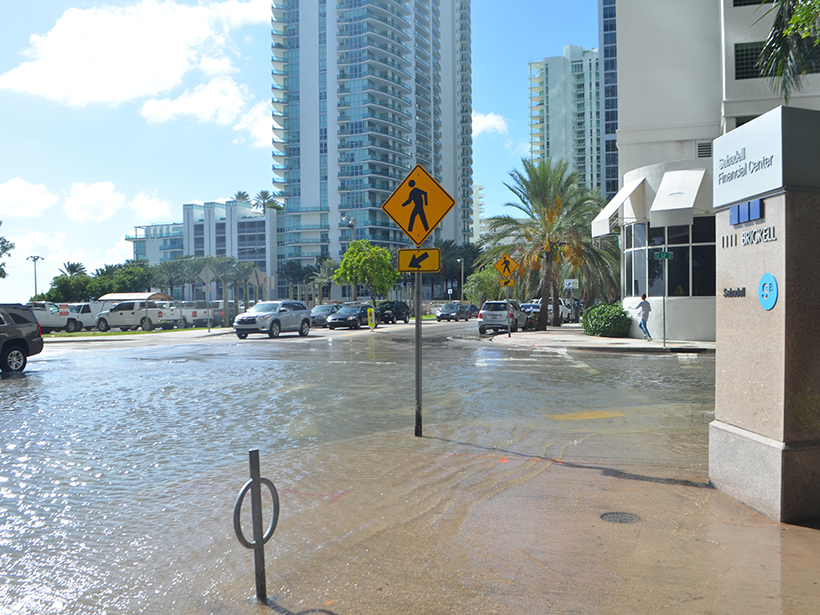
Integrating Water Science and Culture for Urban Sustainability
Workshop on Water and Environmental Global Challenges: International Water Infrastructures and Security; Miami, Florida, 23–25 May 2017
Posted inNews
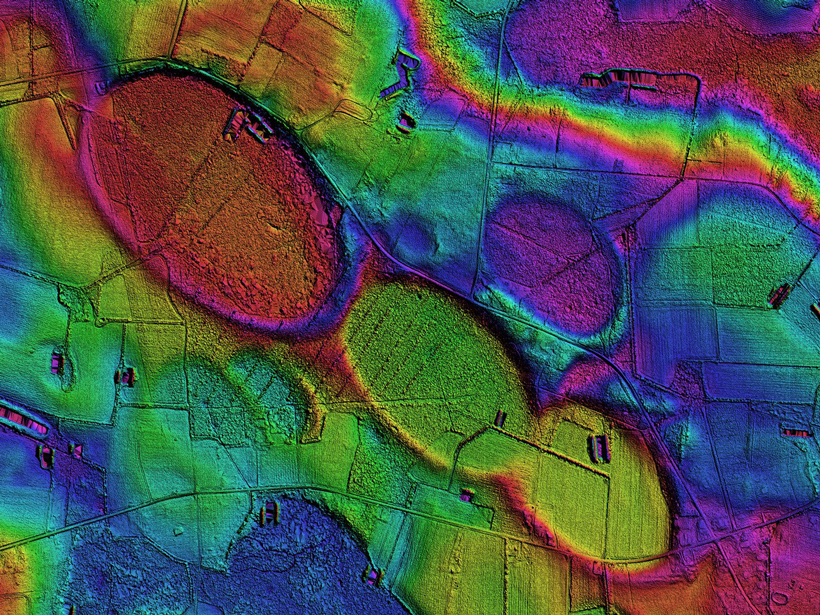
Four Planetary Landscapes That Scientists Can’t Explain

These are just a handful of the hundreds of mysterious features across our solar neighborhood that beg to be studied closer.
Posted inAGU News
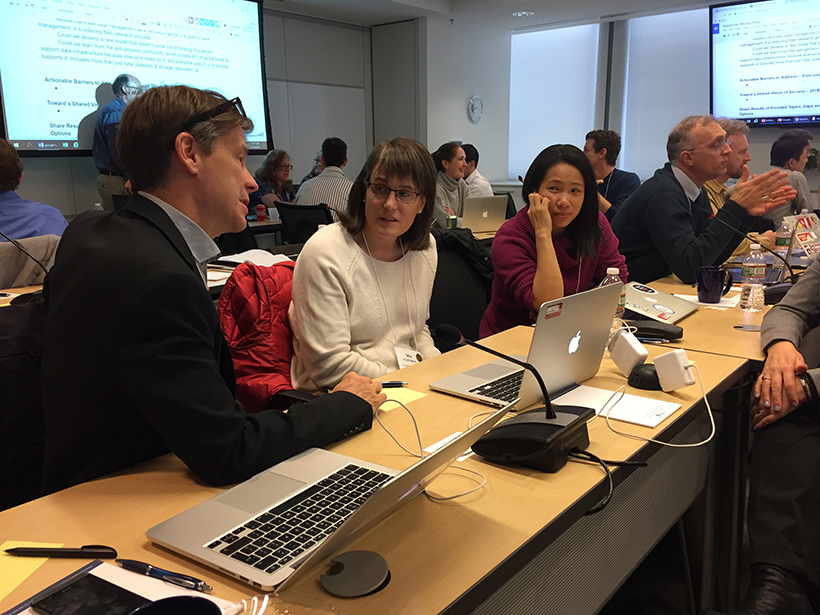
Enabling FAIR Data Across the Earth and Space Sciences
Data experts from publishers, repositories, and other organizations met last month to kick off a project to promote open and Findable, Accessible, Interoperable, and Reusable (FAIR) data principles.

Posted inNews
Group Touts “Beneficial” Coal Ash Recycling

An industry group says recycling coal ash, the second-largest U.S. waste stream, helps the environment and economy. Recycling has a role but also raises concerns, environmentalists argue.

Posted inScience Updates
Exploring the Restless Floor of Yellowstone Lake
Yellowstone Lake, far from any ocean, hosts underwater hot springs similar to those on mid-ocean ridges. A research team is investigating the processes that drive the lake’s hydrothermal systems.
Posted inNews
Richard J. O’Connell (1941–2015)
This son of a Montana sheriff discovered the fundamental rules underlying complex geophysical phenomena, and he taught others to do the same.
Posted inNews
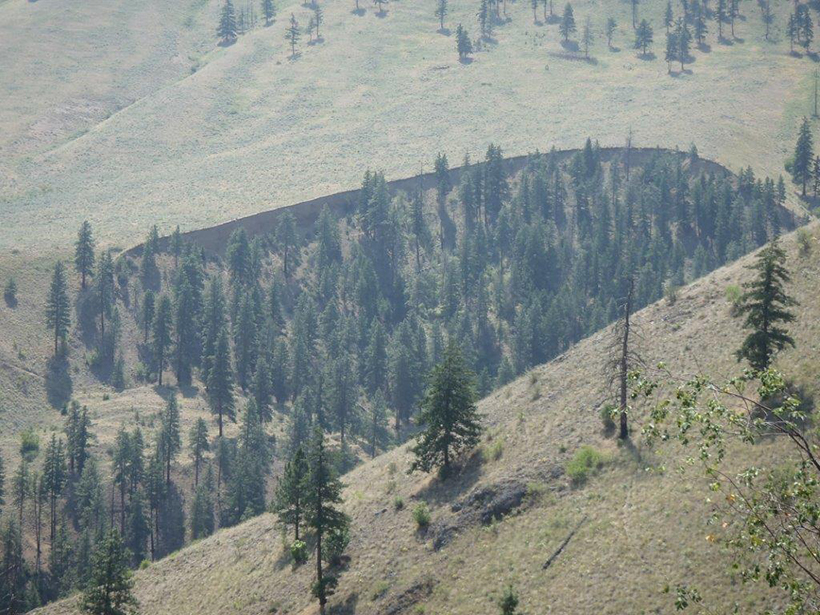
Mystery Quakes May Be Among World’s Longest-Lived Aftershocks

New evidence about where a major earthquake struck central Washington State 145 years ago raises the possibility that today’s unusually frequent quakes in the area still echo that 1872 event.