
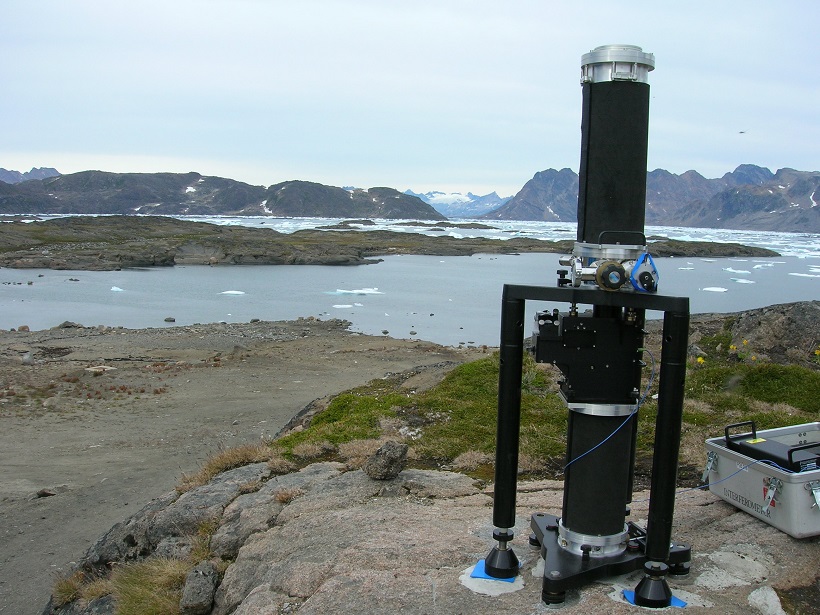
A recent article in Reviews of Geophysics examined terrestrial techniques for measuring changes in gravity over time and their application to the geosciences.
Earth science

Posted inScience Updates
Sounding the Black Smoker Plumes
Imaging sonar, an emerging technique for monitoring heat from seafloor hydrothermal vents, gives scientists a new look at interacting systems off the coast of Canada.
Posted inScience Updates
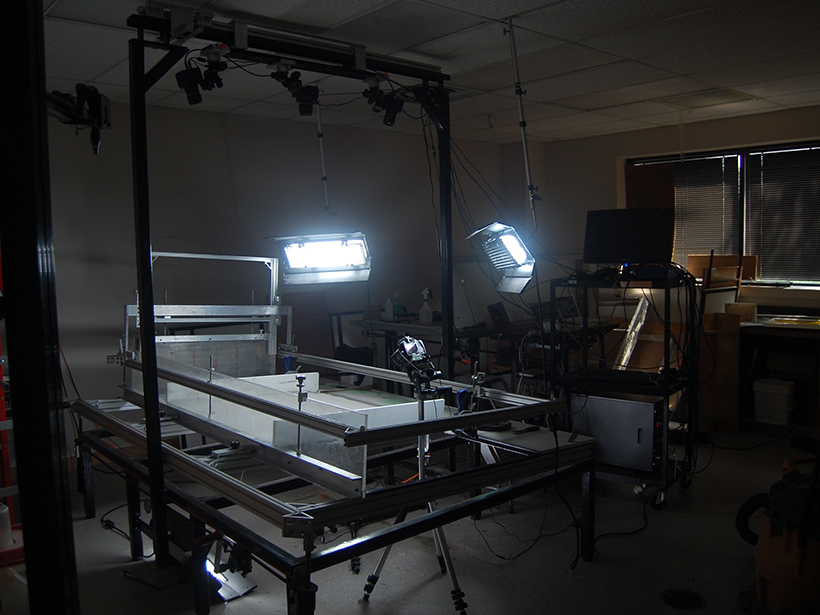
Analog Modeling Recreates Millions of Years in a Few Hours
Second Workshop on Analog Modeling of Tectonic Processes; Austin, Texas, 17–19 May 2017

Posted inEditors' Vox
Future Looks Drier as Drylands Continue to Expand
A recent article in Reviews of Geophysics examined the areas of land globally that are classified as drylands and the impact of their growth on human communities.
Posted inEditors' Vox
Ethics Crucial for the Future of the Geosciences
A new AGU Special Publication provides a policy and practice overview of where we are and where we need to be regarding scientific integrity and ethics in the geosciences.
Posted inFeatures
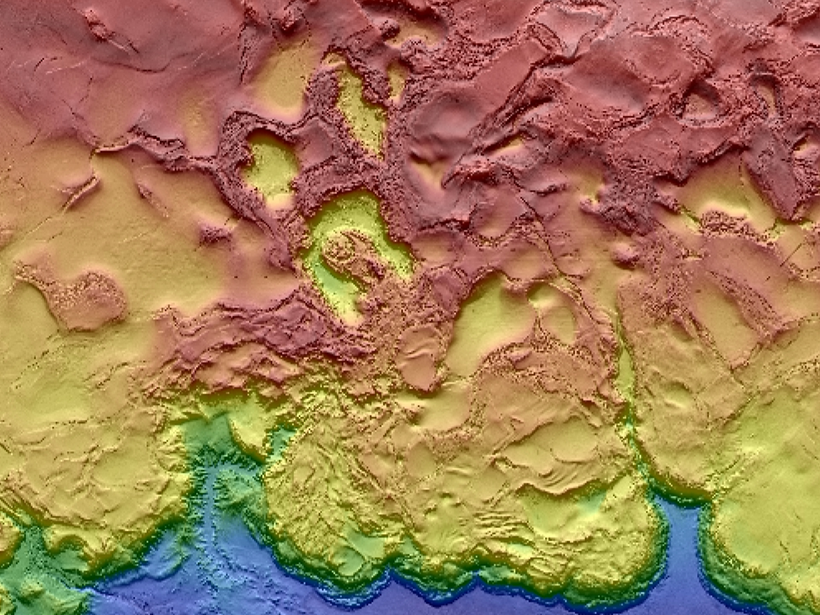
Ten Mesmerizing Geophysical Maps That Double as Works of Art


From tiny seafloor features in the Gulf of Mexico to craters pocking the surface of Mars, the details on these maps captivate and fascinate.

Posted inFeatures
Thirteen Innovative Ways Humans Use Drones
From the bottom of acid lakes to up in the sky, autonomous vehicles are changing the way scientists view and study Earth.
Posted inScience Updates
Early-Career Scientists Discuss Paleoscience, Future Challenges
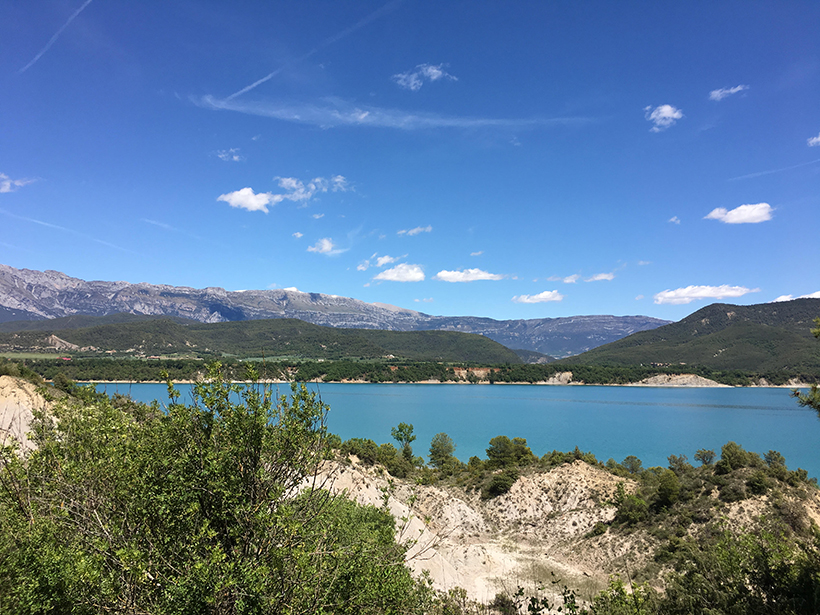
3rd PAGES Young Scientists Meeting; Morillo de Tou, Spain, 7–9 May 2017

Posted inOpinions
When Less Is More: Opening the Door to Simpler Climate Models
Earth system models are resource intensive and complex. To cut through this complexity, the Community Earth System Model project will now be embracing a hierarchy of simpler climate models.
Posted inOpinions
Three Steps to Successful Collaboration with Data Scientists
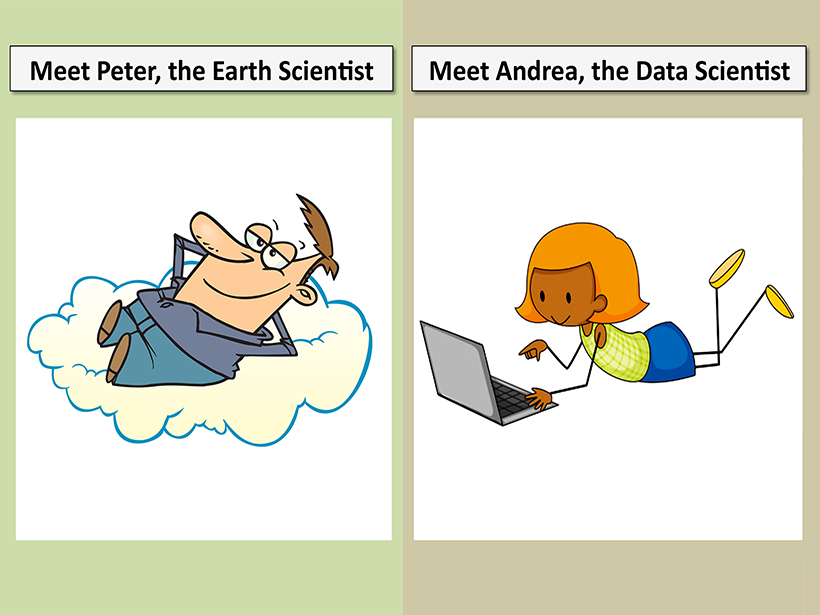
A step-by-step cartoon guide to efficient, effective collaboration between Earth scientists and data scientists.