
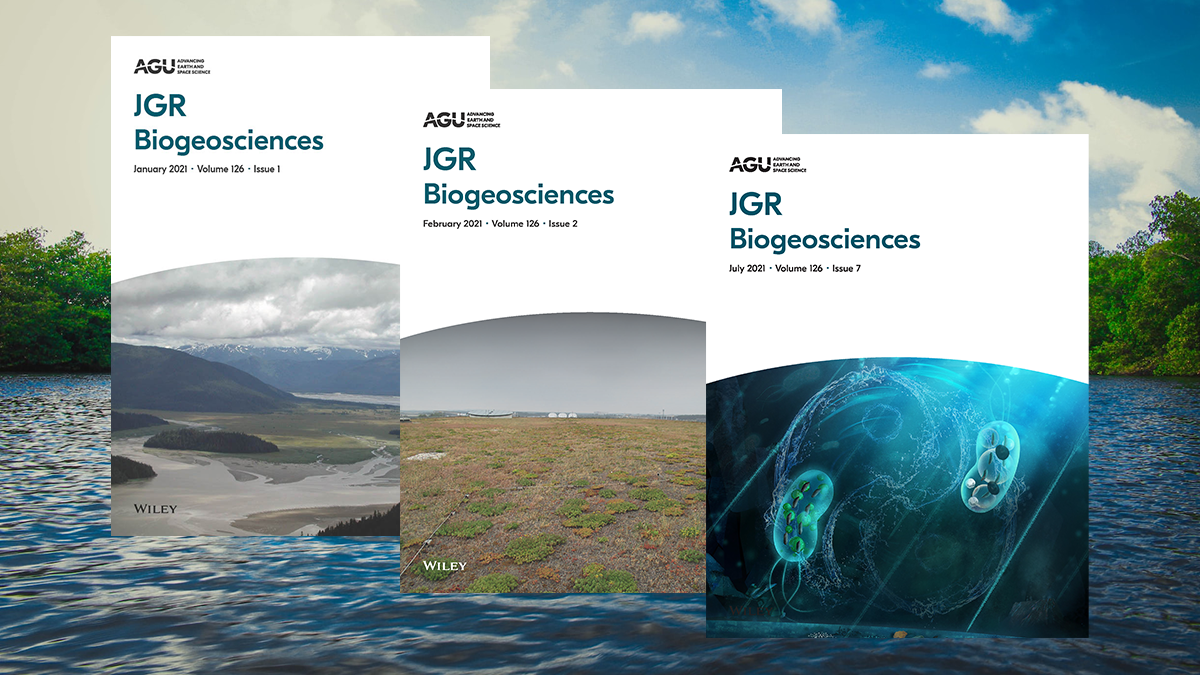
A new special collection invites review papers to mark the 20th anniversary of the Journal of Geophysical Research: Biogeosciences with a focus on what we have learned and what is still unknown.
Earth science
Posted inEditors' Highlights
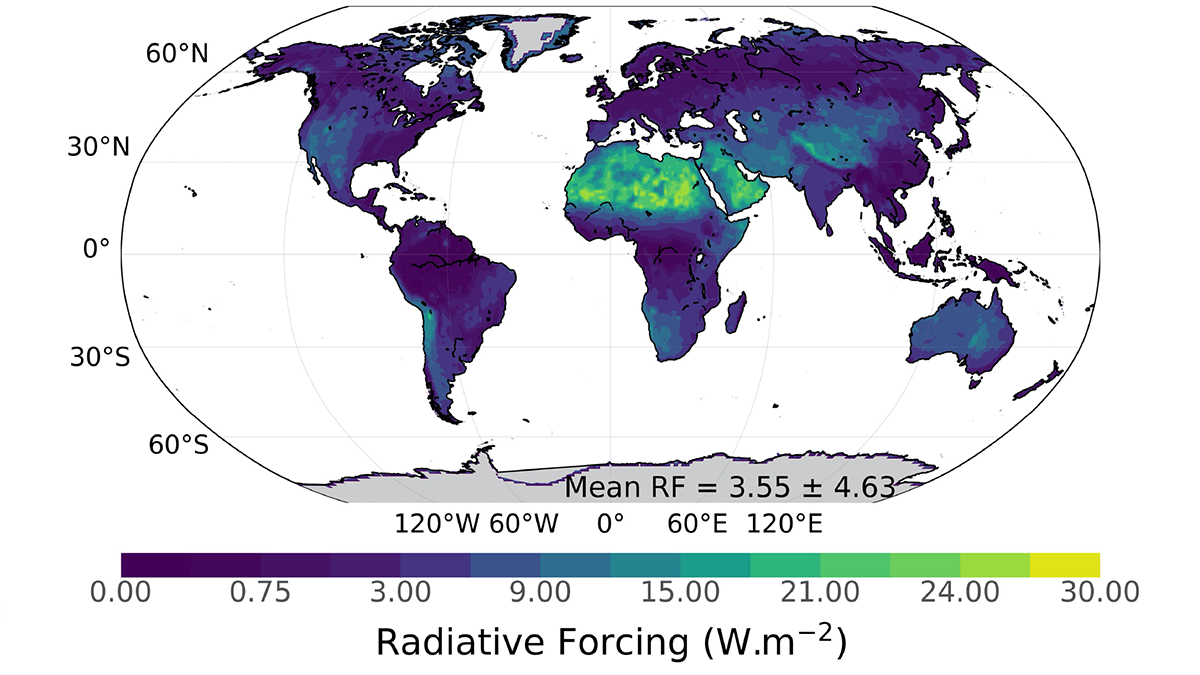
Sensing the Color of Soil for Climate Modeling

The color of soil reflecting the Sun’s rays affects the Earth’s climate and water cycle. Using satellite data that senses many wavelengths improves soil reflectivity estimates, especially in deserts.
Posted inNews
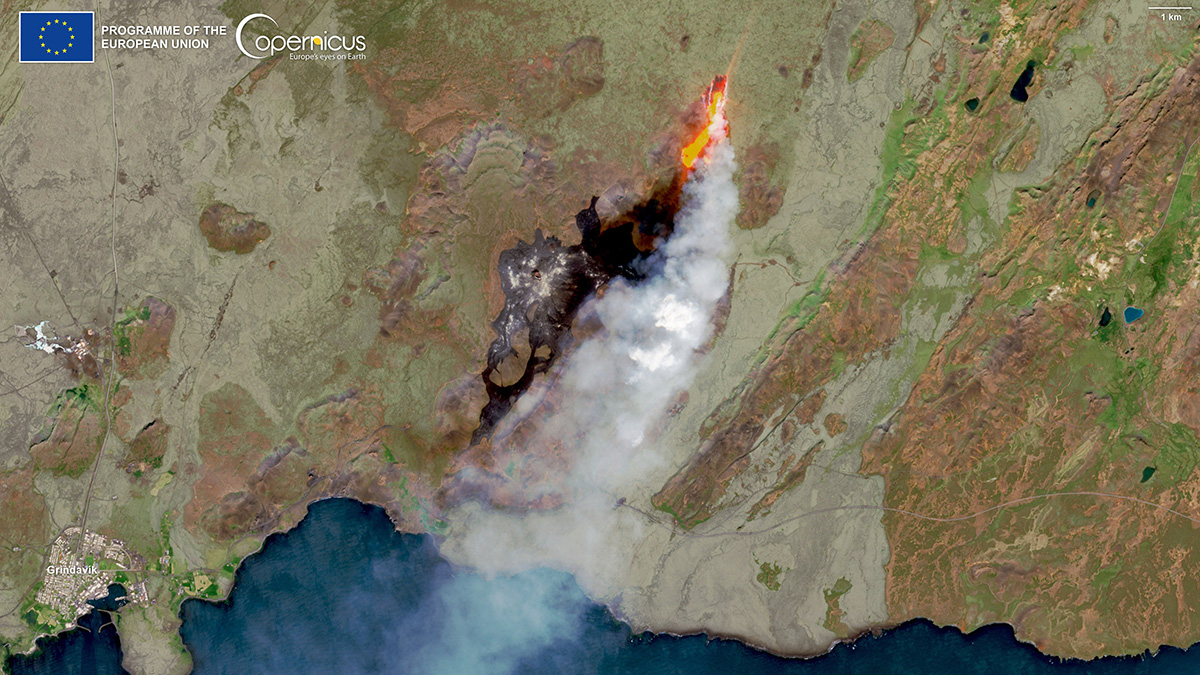
Third Time’s the Charm for Iceland’s Fagradalsfjall

The volcanic region, which erupted in both 2021 and 2022 after more than 7 centuries of dormancy, is at it again.

Posted inNews
Soil Fungi May Be a Carbon Pool
New research suggests that mycorrhizal fungi take in 13 billion tons of carbon dioxide annually, playing a prominent role in Earth’s carbon cycle.


Posted inResearch Spotlights
Specious Timescales from Sedimentary Layers
Changing environments can dramatically change how quickly layers form in sedimentary rocks, leading to incorrect time estimates.
Posted inEditors' Highlights
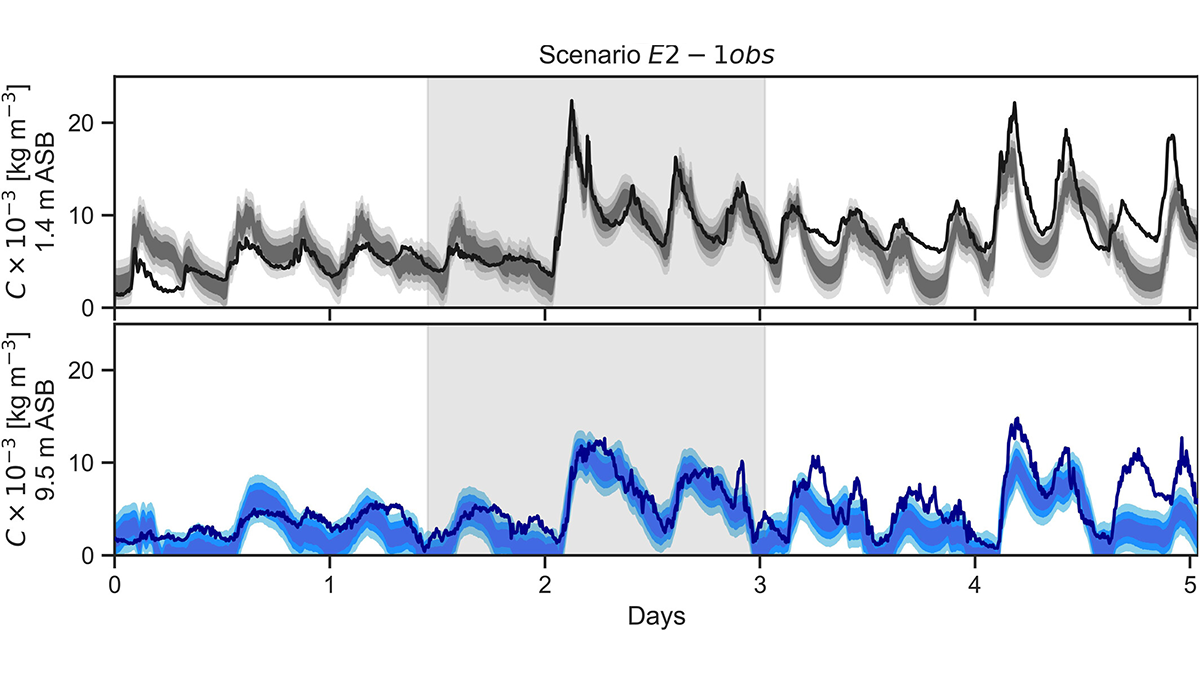
Using Bayesian Inference to Improve Sediment-Transport Models
A new Bayesian approach is used for the estimation and uncertainty quantification of unobservable parameters required to model tracer evolution in ocean sediment transport and tracer concentrations.
Posted inEditors' Vox
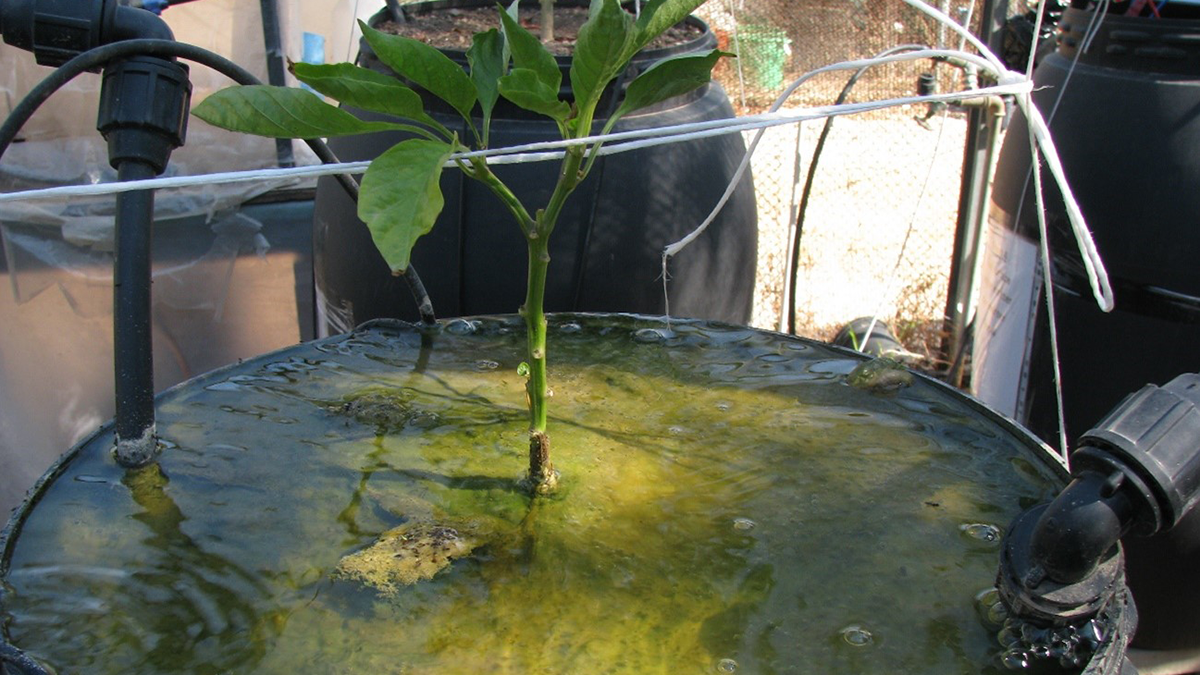
Air Flow Dynamics in Wet Soils: Challenges and Knowledge Gaps
Modeling air flow in wet porous media relies on quantifying the combined role of fluid and media properties and flow dynamics on the microscale displacement mechanisms and macroscale unstable flow.

Posted inNews
Stone Chemistry Records Pacific Migration
Scientists used the chemistry of stone artifacts to trace human migration in the Pacific, revealing evidence of long voyages and cultural exchange.
Posted inEditors' Vox
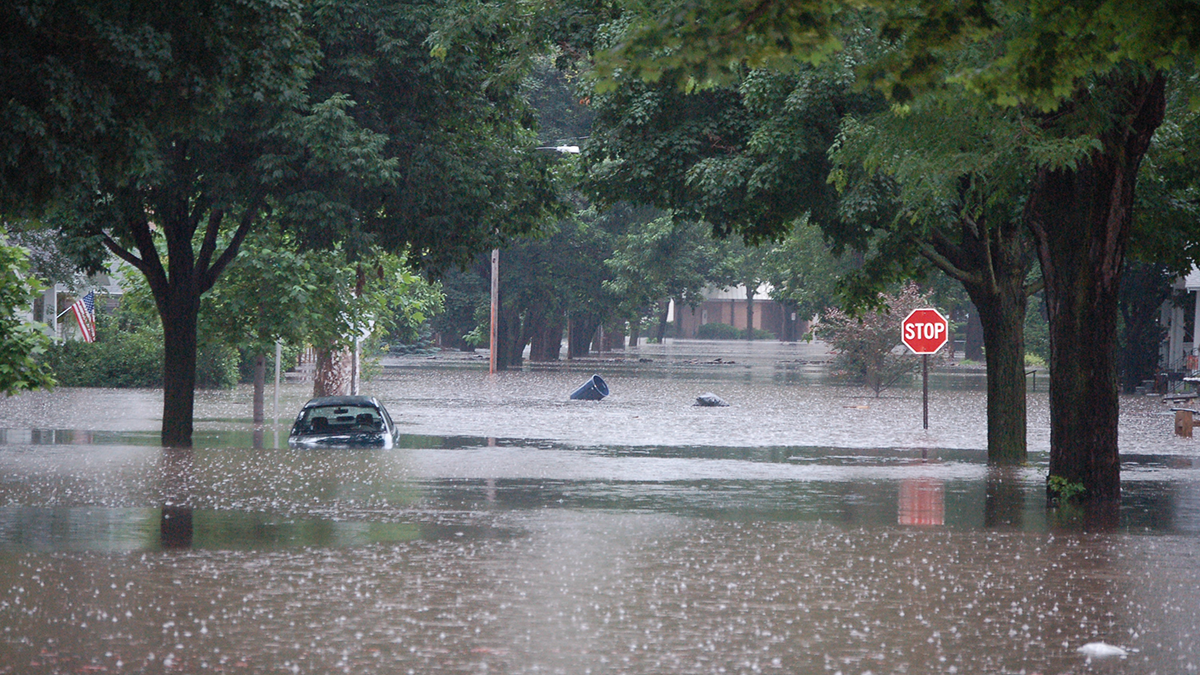
Unlocking the Secrets of Floods: Breakthroughs in Riverine and Coastal Modeling
To enhance flood modeling, it is imperative to gain a comprehensive understanding of the causative mechanisms and cutting-edge models and tools, while also acknowledging their uncertainties.