

The disappearance of the ephemeral lake has made earthquakes along the San Andreas Fault even more unpredictable.
Earth science

Posted inNews
How to Find a Volcanic Diamond Mine
New 3D modeling illustrates the mechanism behind the intriguing volcanic eruptions that bring diamonds to the surface.
Posted inResearch Spotlights
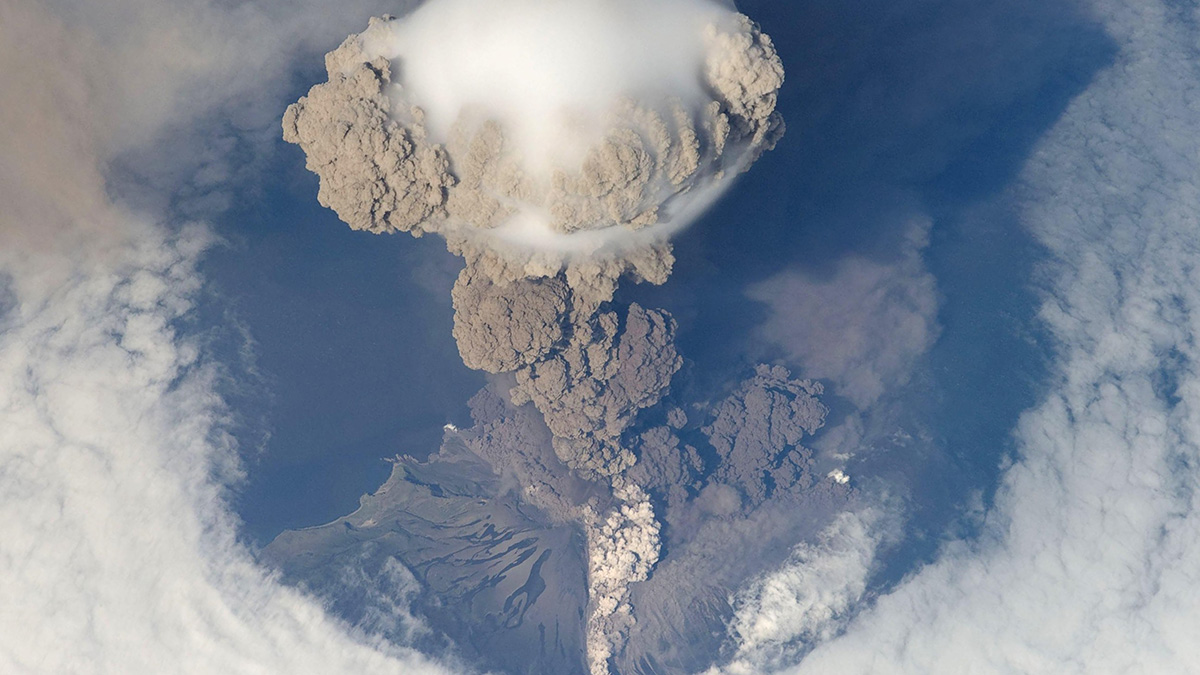
Volcanoes’ Future Climate Effects May Exceed Standard Estimates

Future releases of sulfur dioxide from volcanoes will likely be higher than the reconstructed historical levels currently used for climate predictions.
Posted inNews
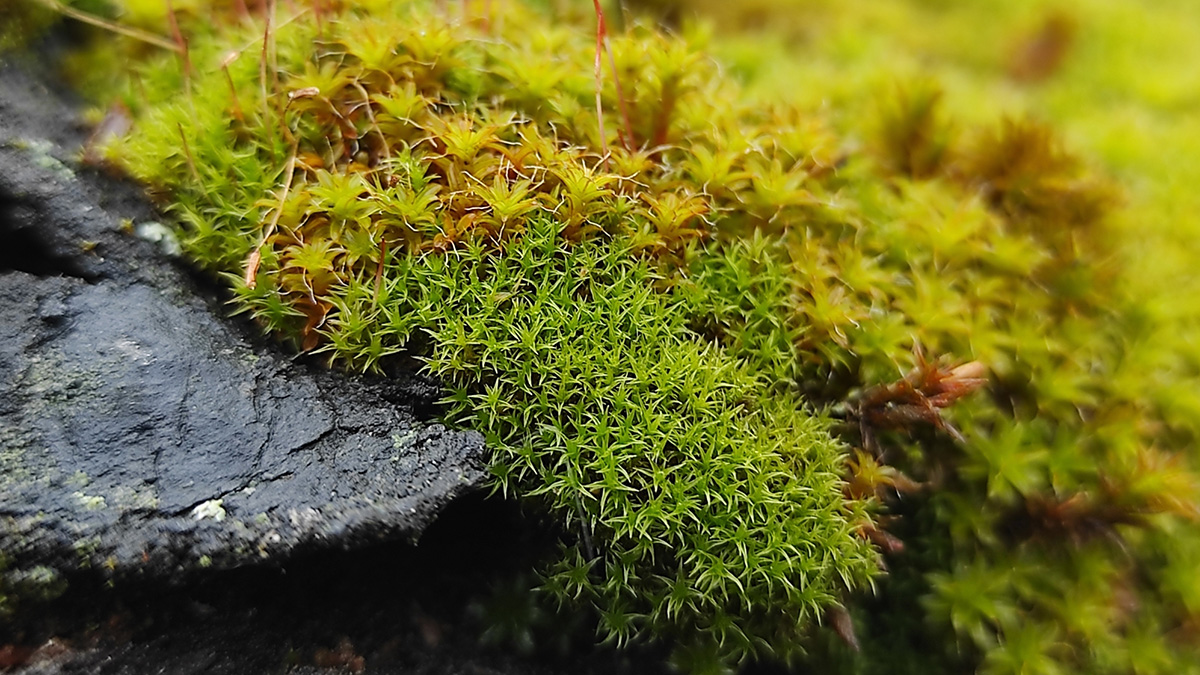
Mosses Play Key Roles in Ecosystems from Tropics to Tundra
A global survey of mosses growing on soil found that the somewhat underappreciated plants cover a vast area and perform tasks such as sequestering carbon.
Posted inENGAGE, News
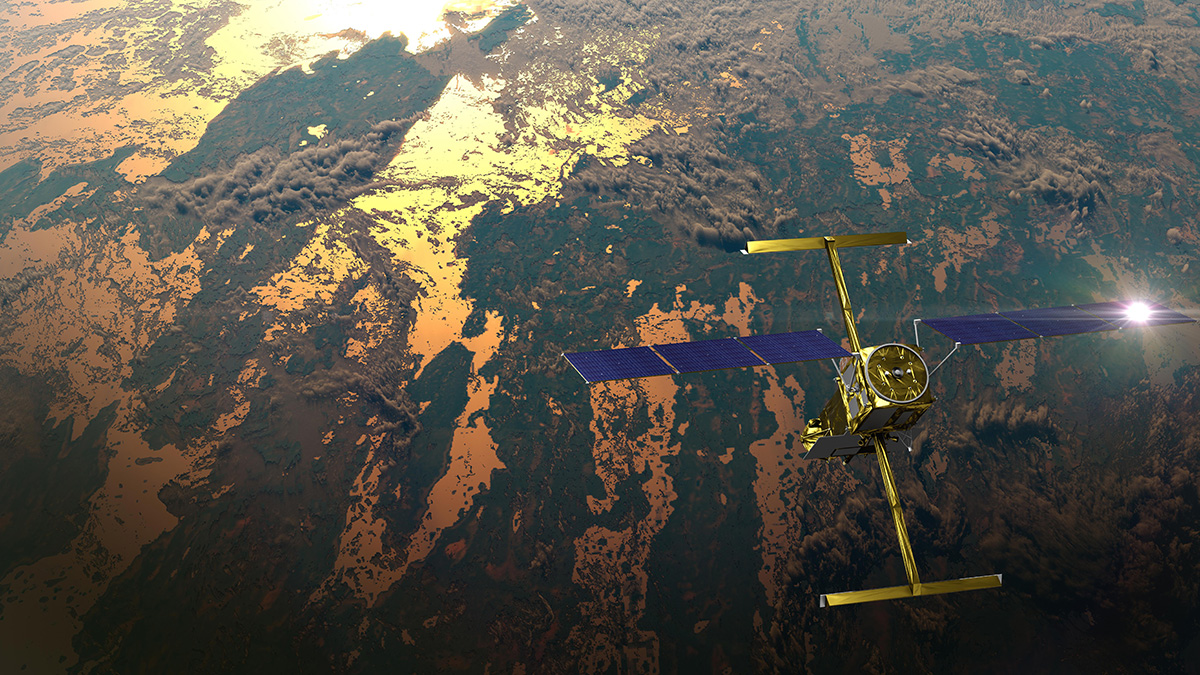
Major Lakes Have Suffered Major Water Losses over the Past Few Decades

A new study shows that losses are global in both arid and humid regions and could have significant impacts on a quarter of Earth’s population.
Posted inFeatures
WMO Weathered the Cold War, but Can It Survive Capitalism?
After 150 years of international cooperation, meteorology’s “vast machine” is adapting to private weather forecasting.
Posted inEditors' Highlights
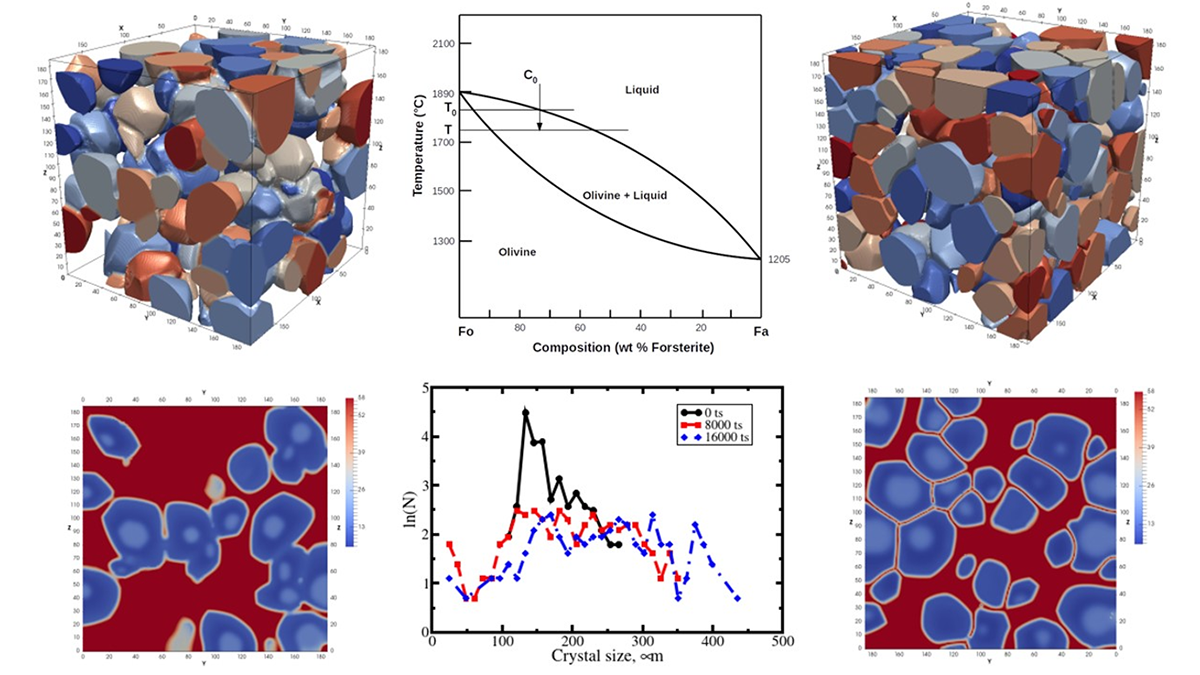
Deciphering the History of a Rock’s Crystallization
By combining a phase field function approach with bulk thermodynamics of mineral phases, the thermal history of a rock can now be deciphered from its distribution of mineral phases.
Posted inNews
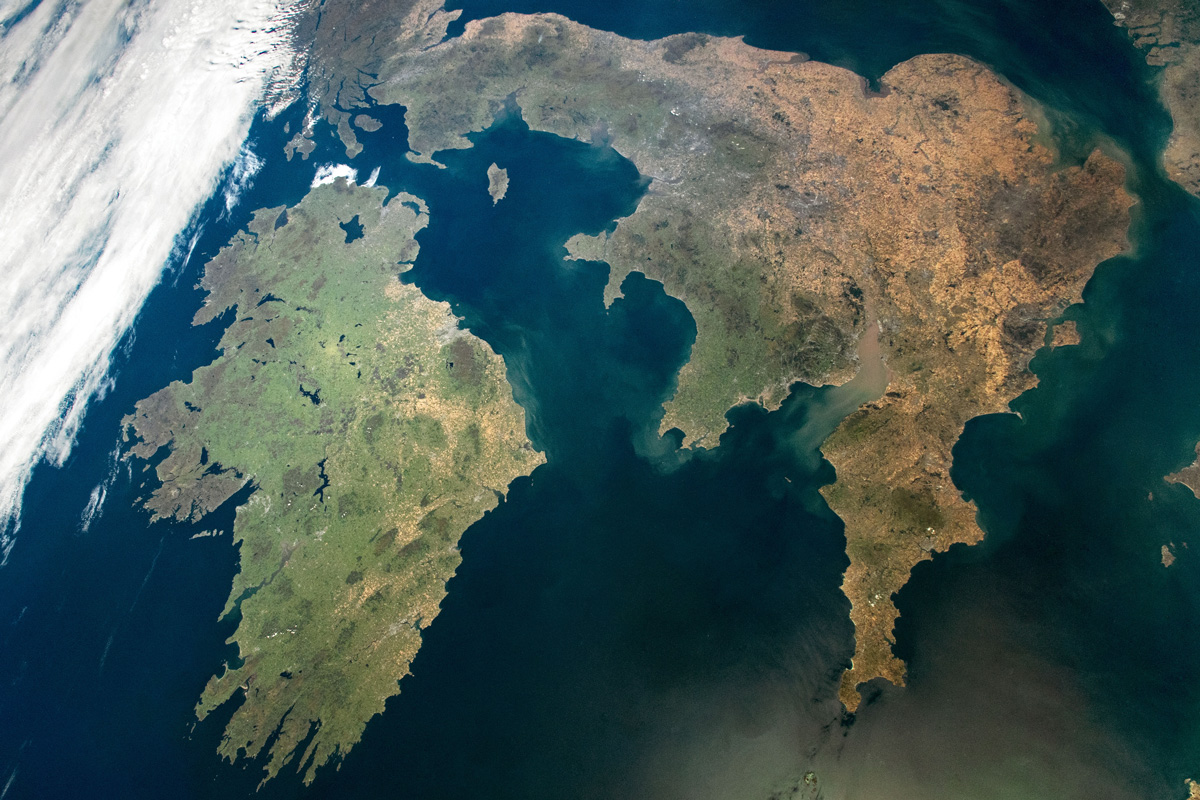
The Mysterious Case of Ireland’s Missing Earthquakes
The Emerald Isle has far fewer earthquakes than neighboring Britain. Now scientists think they know why.

Posted inEditors' Highlights
A New Workflow to Image the 3D Structure of Active Faults
A new approach to illuminate 3D fault structures using earthquake hypocenters may improve our understanding of earthquake propagation and arrest across step overs.

Posted inFeatures
Fixing the Flawed Colorado River Compact
The 1922 Colorado River Compact ignored available science and overallocated the river’s water, a decision whose effects reverberate today. Now there’s an opportunity to get things right.