

Debate still swirls around what killed ancient Romans during the 79 CE eruption. A study of wood charred by the event suggests a brief, but searing, flow of volcanic gas and debris.
Earth science
Posted inEditors' Highlights
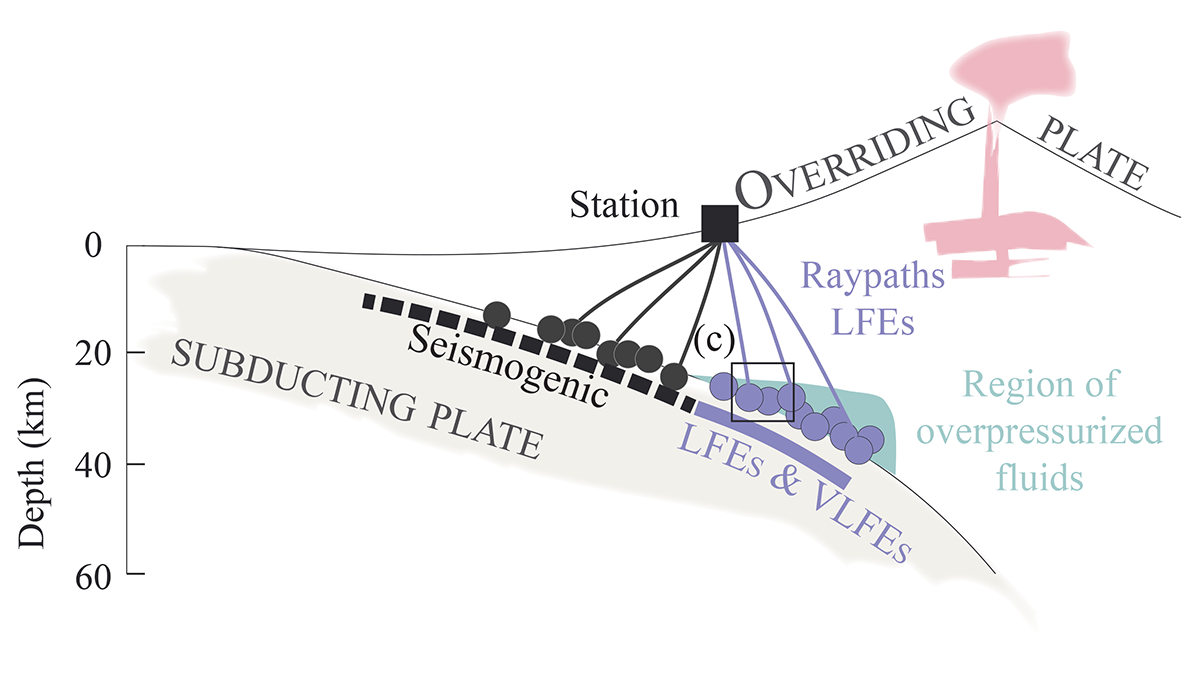
Are Low-Frequency Earthquakes Just Slow Slip?
Tests of seismic attenuation show fluid saturation and high pressure near a seismic source reduce high-frequency content, challenging the idea of slow slip as the cause of low-frequency earthquakes.
Posted inResearch Spotlights
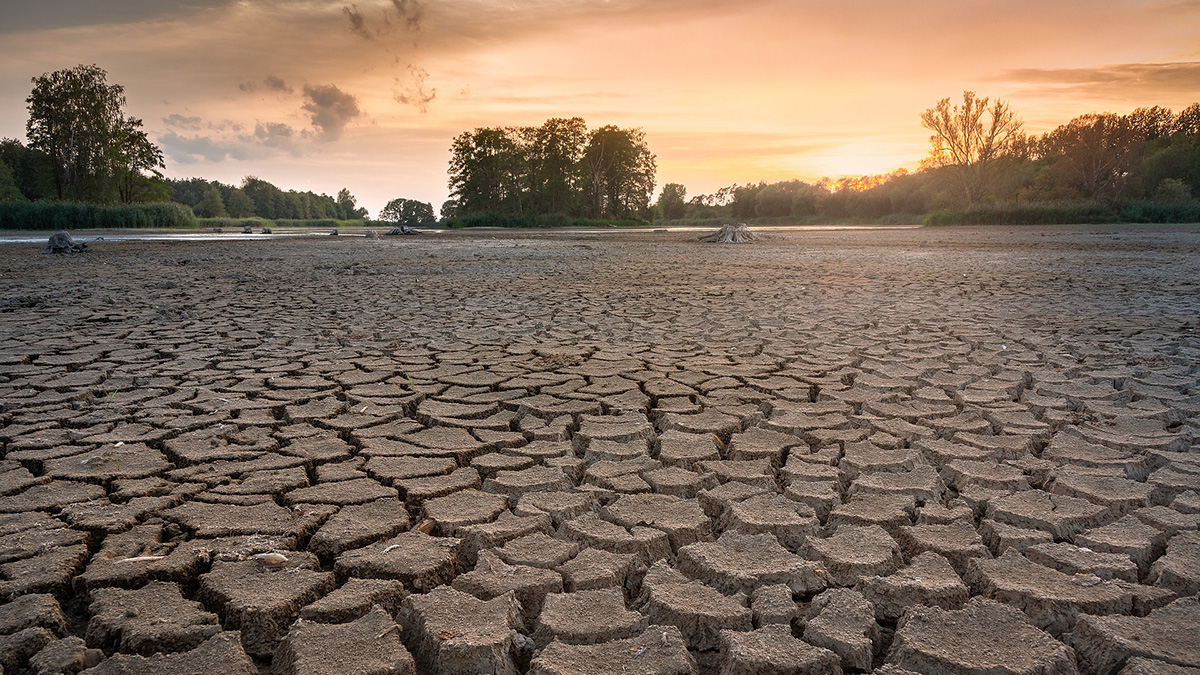
Climate Change Is Drying Out Earth’s Soils

Earth’s land is drying as it warms, but it is not clear how dry is too dry.

Posted inNews
Concientizando sobre los riesgos a las faldas de uno de los volcanes más peligrosos del mundo
A la sombra de una erupción letal en el 2021, estudiantes en Goma, República Democrática del Congo, están aprendiendo sobre futuros riesgos.

Posted inENGAGE, News
Spain’s Seafaring Sports See Fewer Calm Days

Knowing the best days for calm or active water activities can strengthen the local economy and help tourists optimize their trips.
Posted inEditors' Highlights
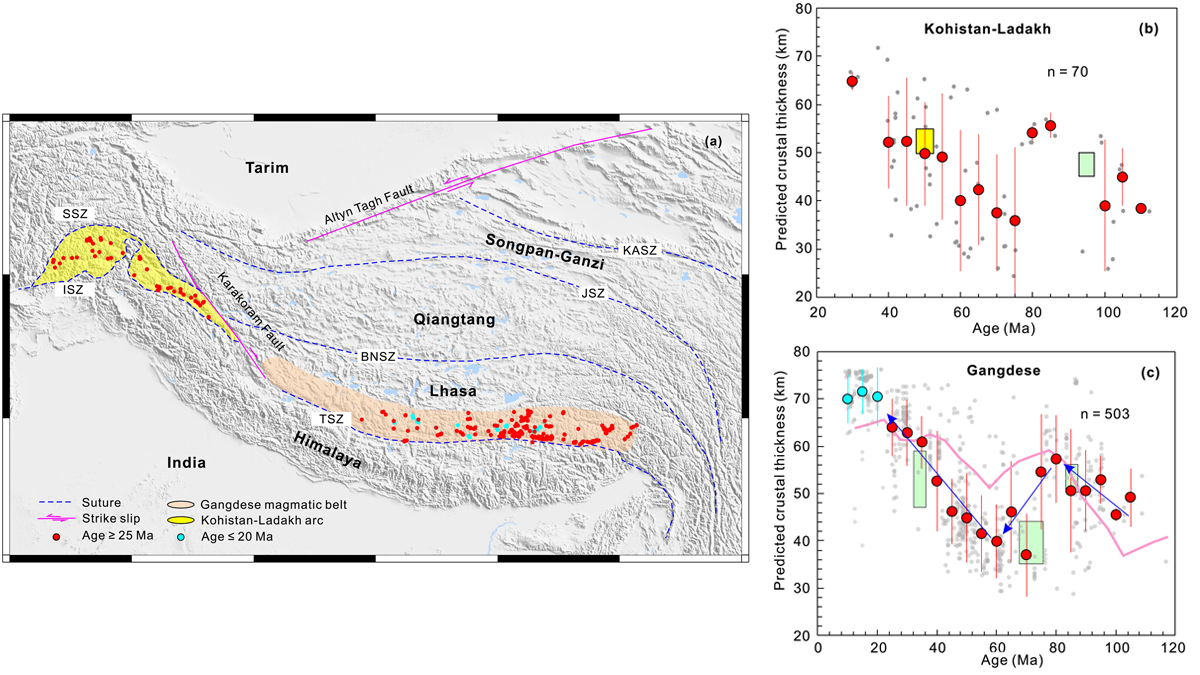
Machine Learning Helps Constrain the Thickness of Ancient Crust
A machine learning model trained using data on the chemical composition of magmatic rocks yields comparable, if not better, results to previously developed geochemical proxies.

Posted inResearch Spotlights
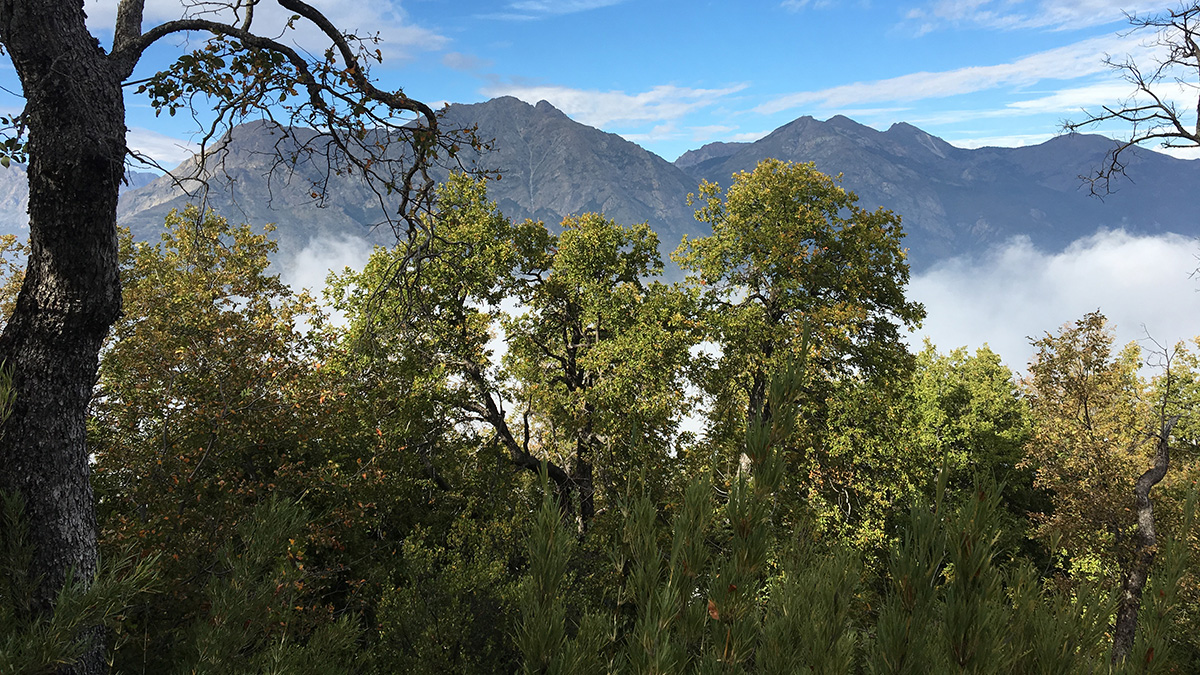
Short-Lived Solutions for Tall Trees in Chile’s Megadrought
Some southern beeches in the Andes have plumbed deeper for moisture as the surface has dried up. But doing so may deplete resources and undermine the trees’ future health.

Posted inNews
Outlook: Normal Atlantic Hurricane Season Expected

Atmospheric and oceanic features are simultaneously strengthening and suppressing hurricane activity this year.
Posted inEditors' Highlights
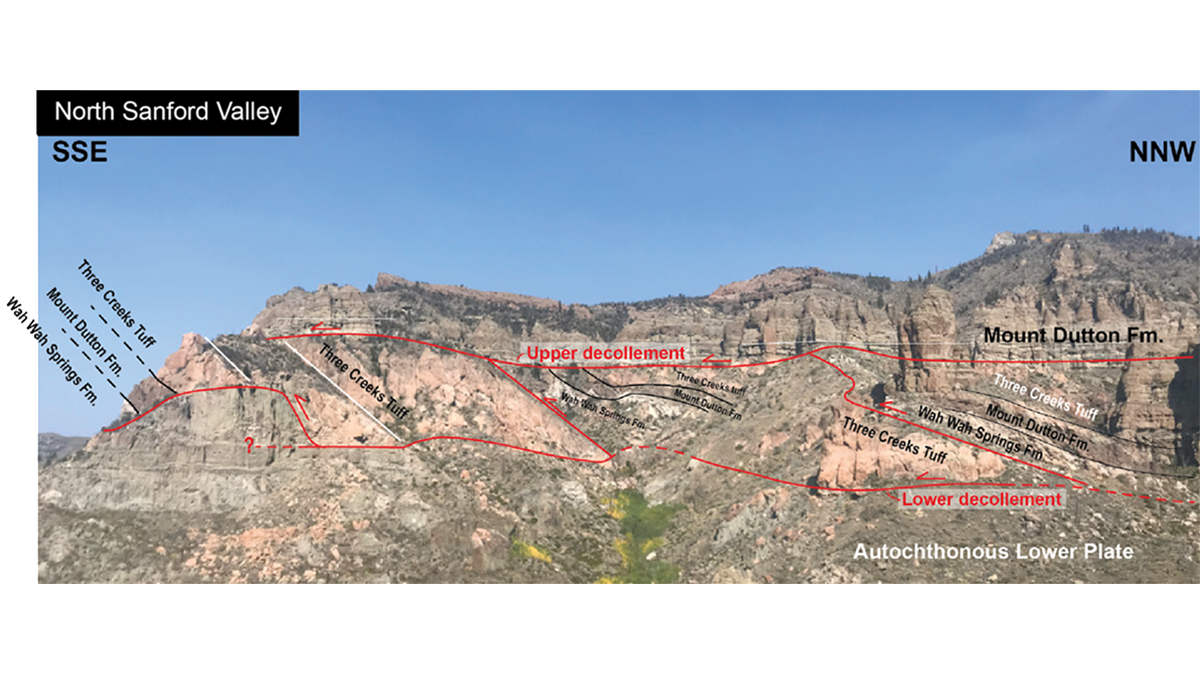
A Giant Rockslide on a Bed of Steam
Detailed observations of the giant Sevier gravity slide in Utah show that the exceedingly low basal friction required for its rapid emplacement was developed by trapped thermally pressurized fluids.