
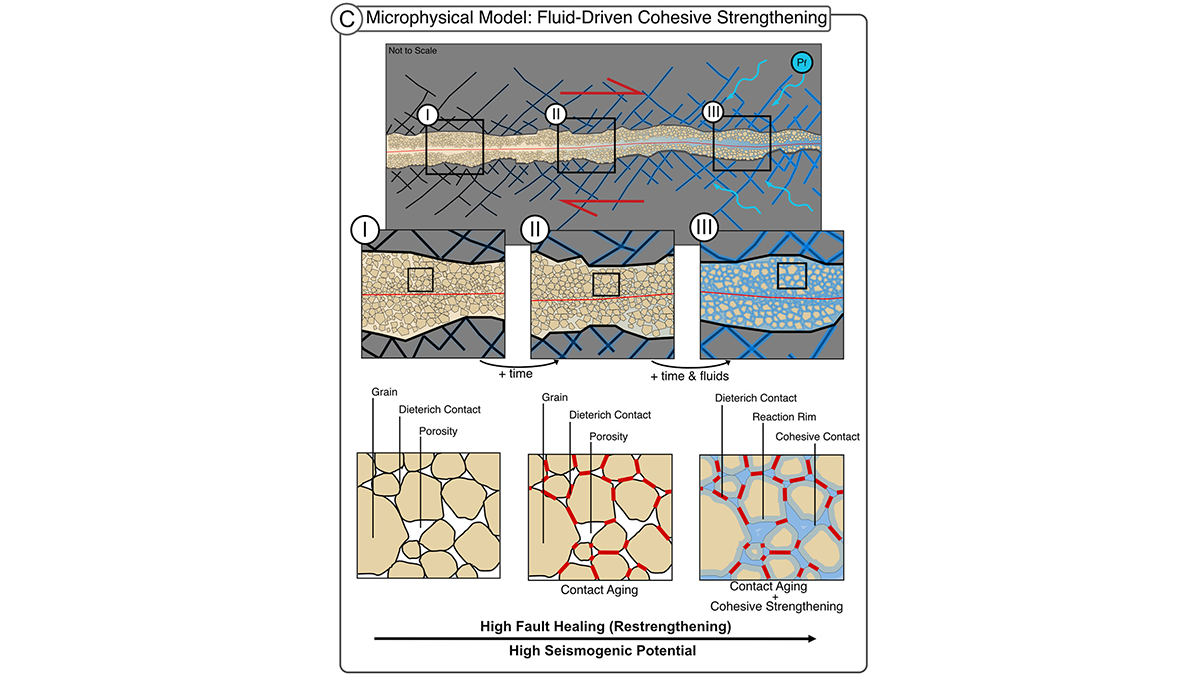
In fault gouge, fluids drive chemical healing by cementing grains, a mechanism for seismic slip in rocks frictionally expected to creep. This cohesion matters for fault stability.
earthquakes
Posted inEditors' Highlights
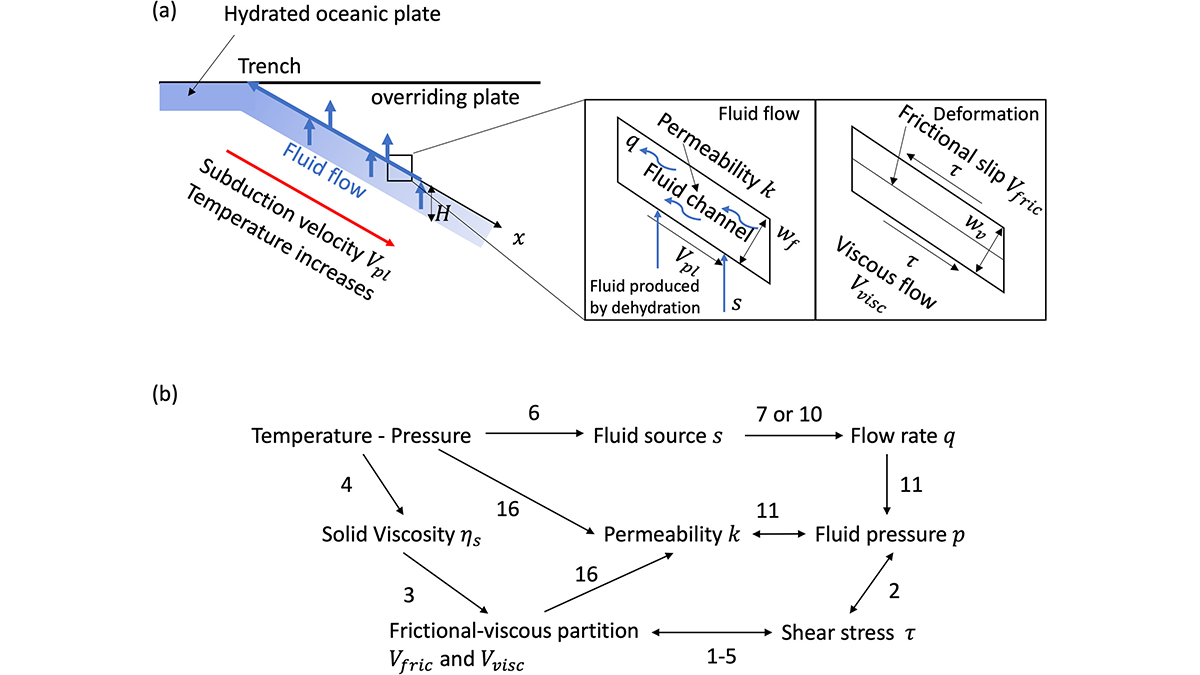
How Dehydration-Driven Fluid Pressure Shapes Megathrust Slip Modes
By modeling dehydration-driven fluid pressure, a new study links deep fluids to where megathrust earthquakes end and slow slip begins.
Posted inResearch & Developments
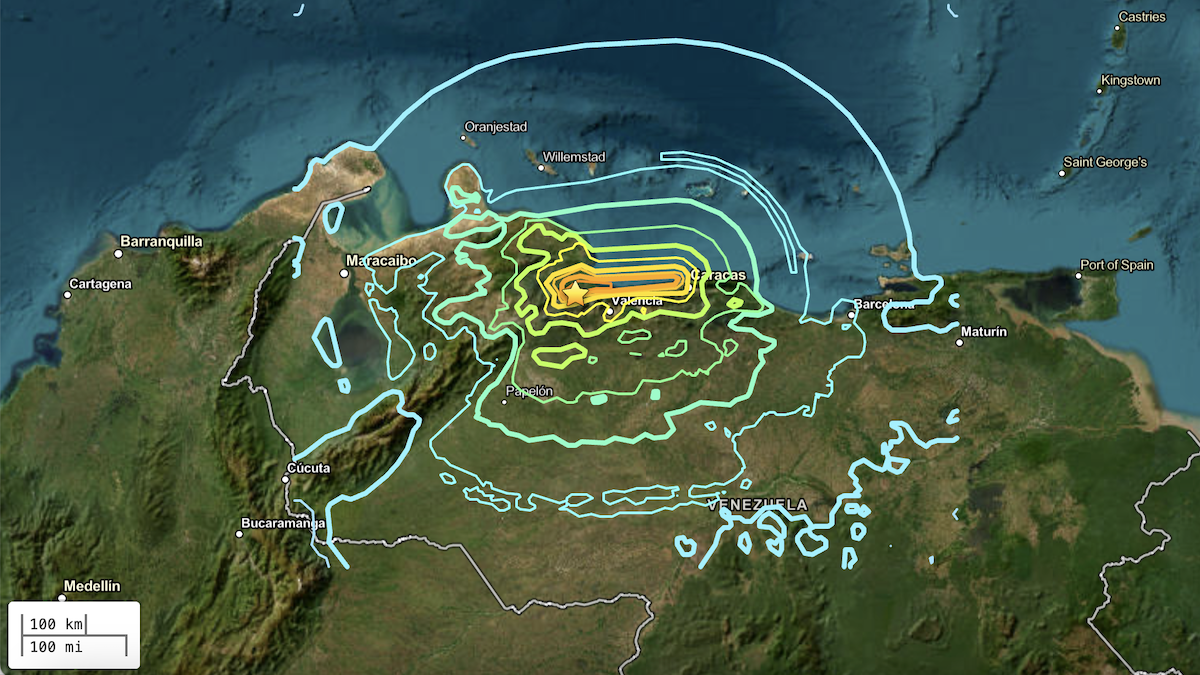
Venezuelan Earthquakes Struck in a Complex Zone of Faults

Two powerful earthquakes hit Venezuela within less than a minute on the evening of 24 June, causing widespread damage to buildings, likely spurring landslides, and killing at least 164 people, though the full extent of the damage is still being assessed.
Posted inThe Landslide Blog
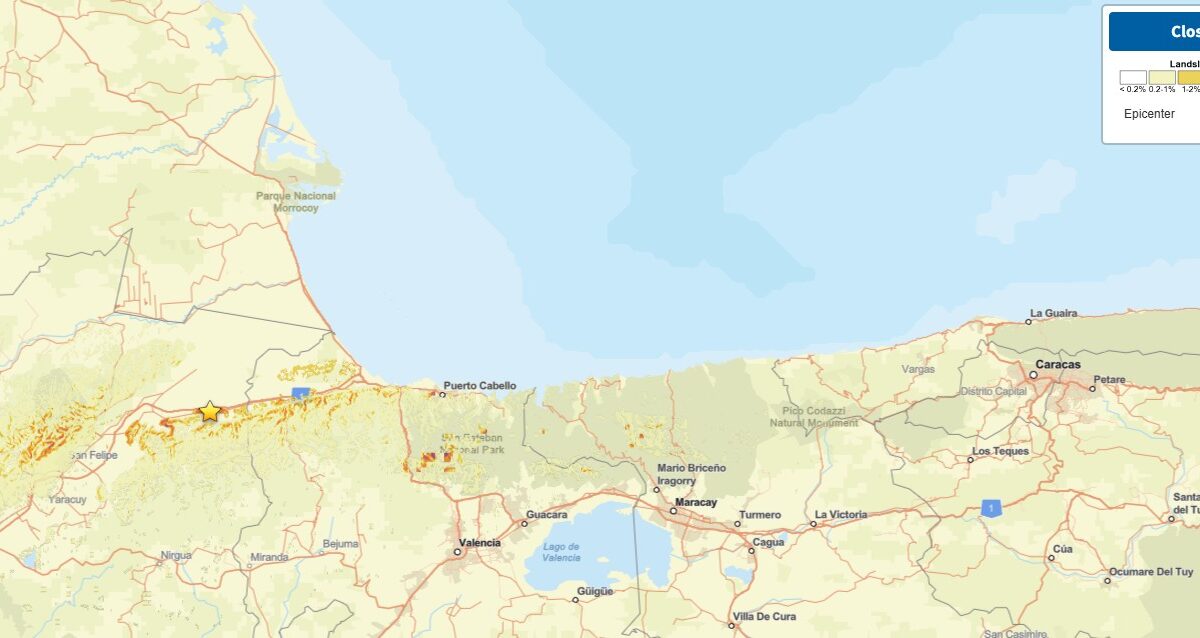
Landslides and liquefaction from the 24 June 2026 “double tap” earthquakes in Venezuela
The Landslide Blog is written by Dave Petley, who is widely recognized as a world leader in the study and management of landslides. The news this morning of the “double tap” M=7.2 and M=7.5 earthquakes in Venezuela late on 24 June 2026 is grim. These are large earthquakes in their own right occurring at a […]
Posted inThe Landslide Blog
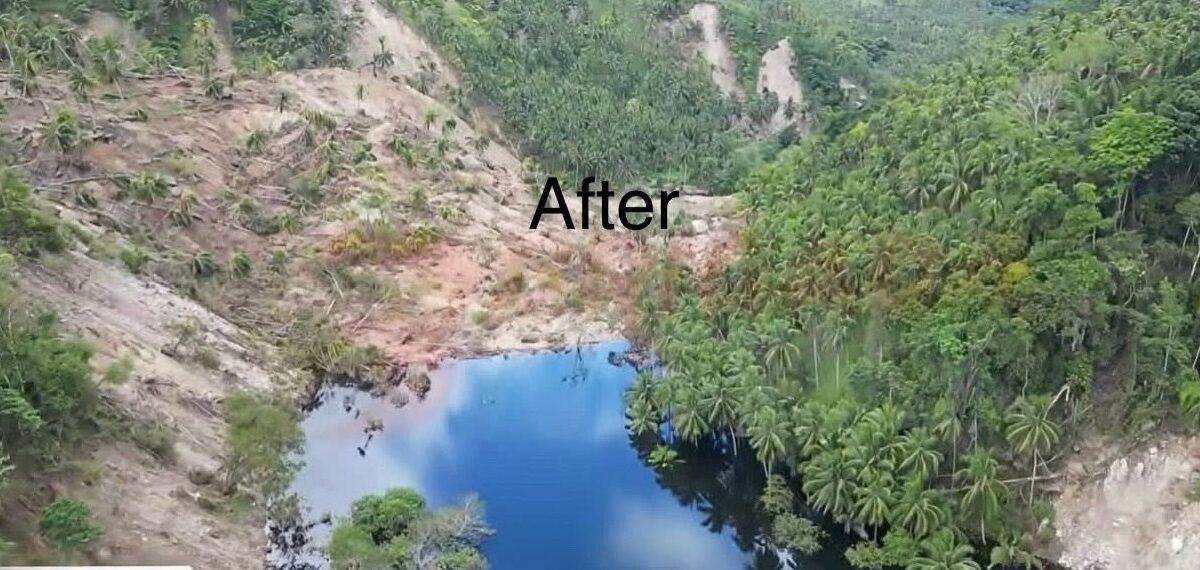
The valley blocking landslide between barangays San Isidro and Nuing in Mindanao
A significant “quake lake” has developed in a remote area of the Philippines, threatening four communities located downstream. In the aftermath of the 8 June 2026 M=7.8 earthquake in the Philippines, a major challenge has developed in the Jose Abad Santos region of Mindanao. Here, a landslide has blocked the valley between barangays (villages) San […]
Posted inThe Landslide Blog
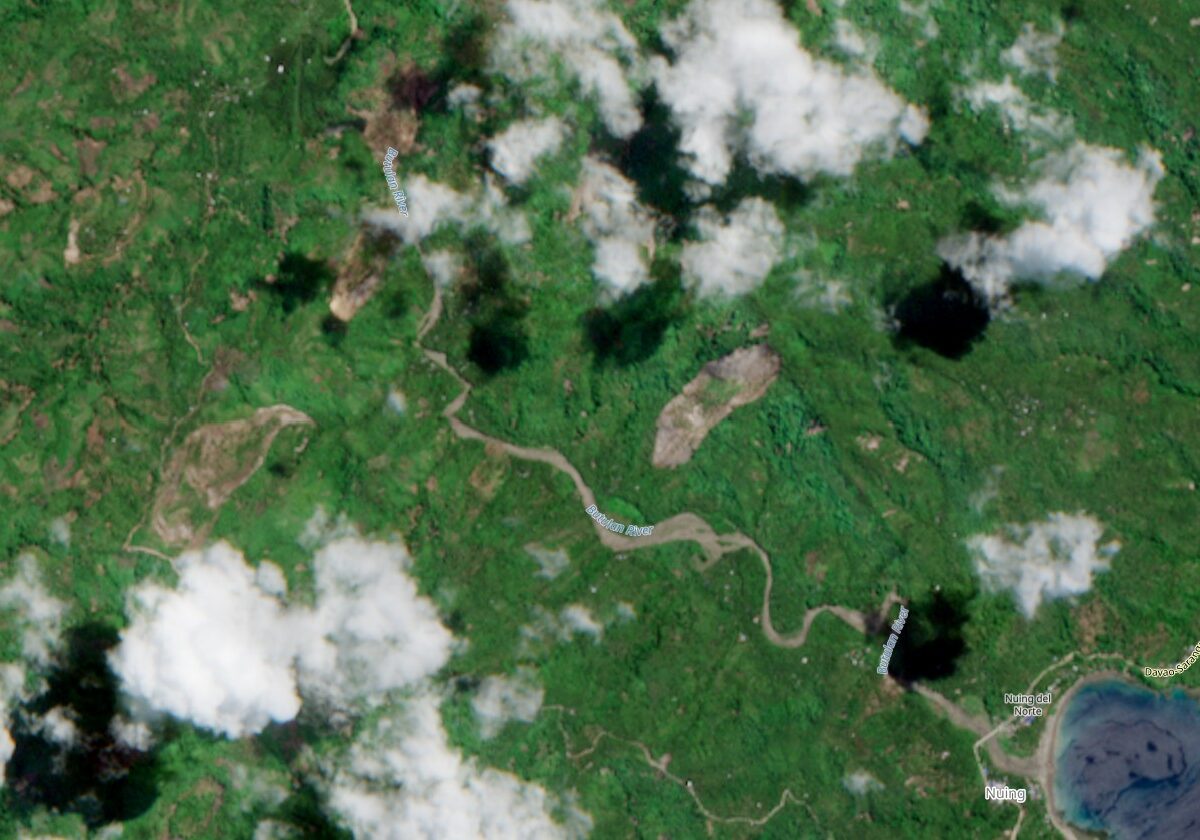
An update on landslides from the 8 June 2026 M=7.8 earthquake offshore Mindanao in the Philippines
It is now clear that more than half the fatalities from last week’s earthquake in the Philippines were caused by landslides. In the areas of the Philippines affected by the 8 June 2026 M=7.8 earthquake offshore Mindanao, operations have shifted from rescue to recovery. Inquirer has an interesting report about information provided by an official […]
Posted inEditors' Highlights
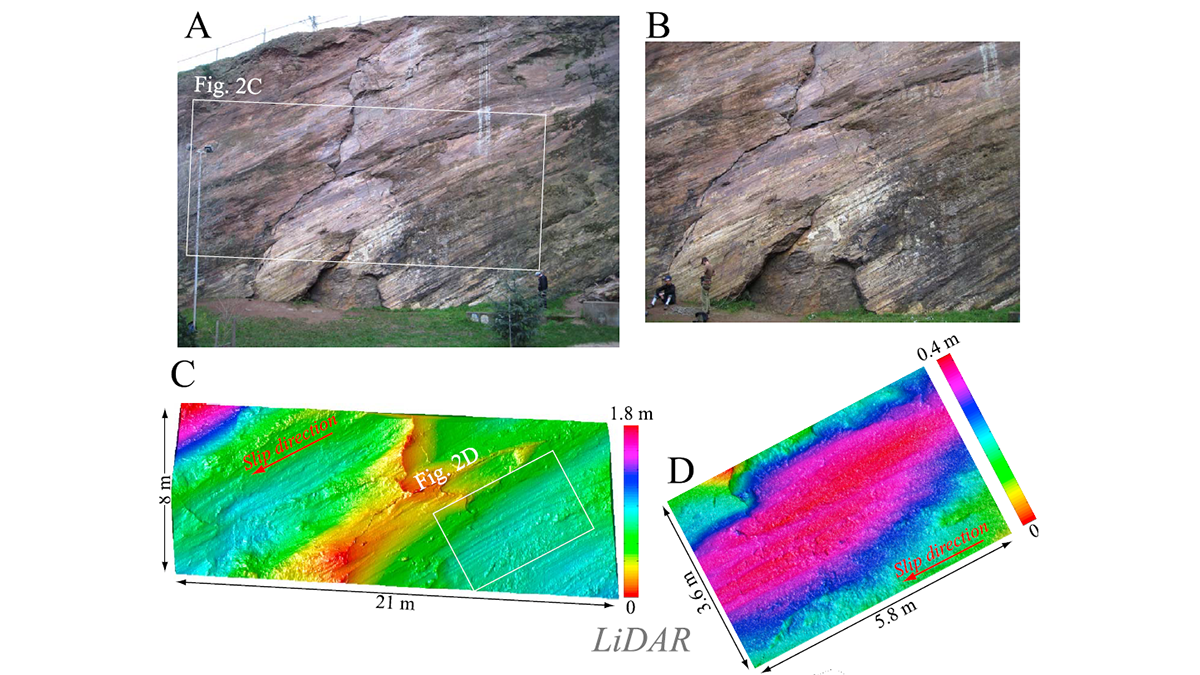
Multi-Scale Fault Roughness Encapsulated in a Friction Law
A new rate- and roughness-dependent friction law incorporates multi-scale fault processes to reproduce earthquake fracture energy scaling.
Posted inThe Landslide Blog
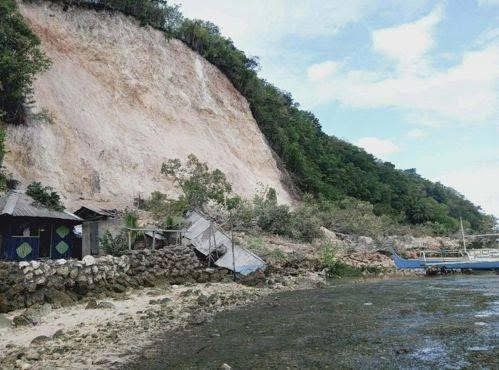
Reports of landslides triggered by the 8 June 2026 M=7.8 earthquake offshore Mindanao in the Philippines
To date news reports suggest two fatal landslides with a combined toll of 17 people. There are various news reports trickling in about the landslides triggered by the 8 June 2026 M=7.8 earthquake offshore Mindanao in the Philippines. As usual, the remote locations of many of the landslides means that the information is a bit […]
Posted inThe Landslide Blog
Potential landslides and liquefaction from the 8 June 2026 M=7.8 earthquake offshore Mindanao in the Philippines
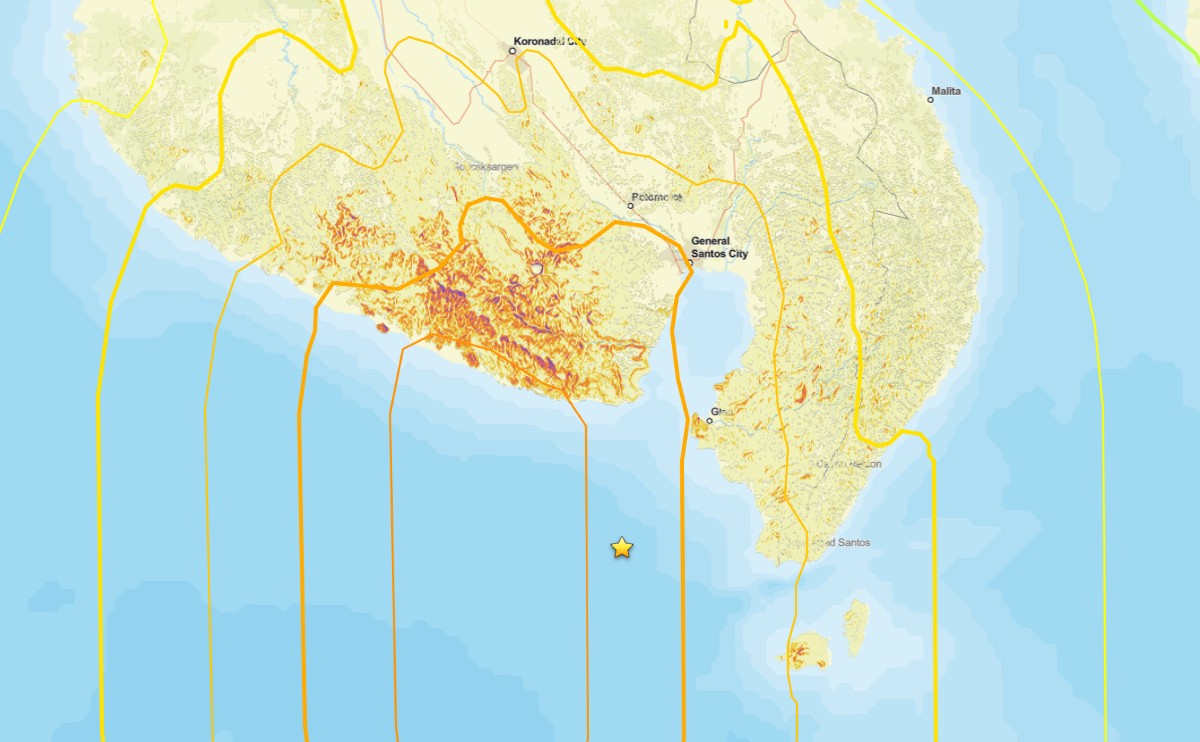
Initial analyses suggest that the earthquake this morning has the potential to have triggered significant numbers of landslides and areas of liquefaction. At the time of writing, the impacts of the M=7.8 earthquake that occurred offshore the south coast of Mindanao in the Philippines remain unclear. Initial reports in the local press suggest 15 fatalities […]
Posted inEditors' Highlights
Pre-Existing Structure and Stress Shape Geothermal-Induced Seismicity
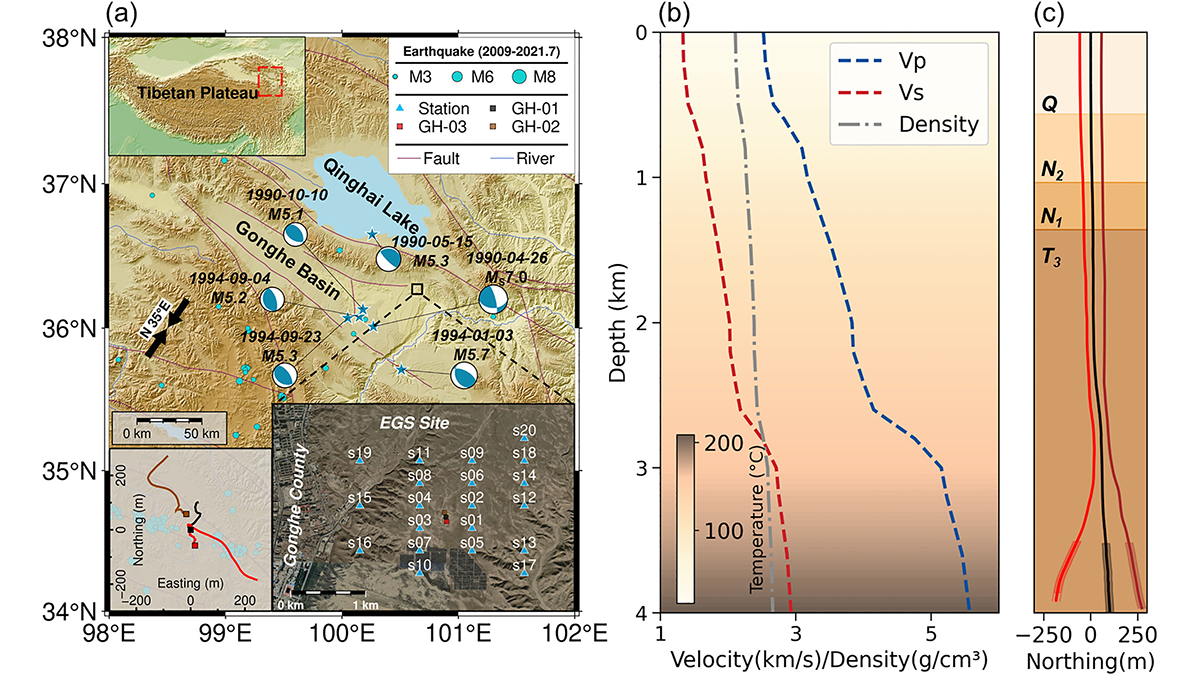
At China’s first Enhanced Geothermal System site, dense seismic observations, integrated with borehole data and stress modeling, reveal weak faults and scale-dependent control of stress and structure on induced seismicity.