• About
  • Special Reports
  • Topics
    • Climate
    • Earth Science
    • Oceans
    • Space & Planets
    • Health & Ecosystems
    • Culture & Policy
    • Education & Careers
    • Opinions
  • Projects
    • Postcards From the Field
    • ENGAGE
    • Editors’ Highlights
    • Editors’ Vox
    • Eos en Español
    • Eos 简体中文版
    • Print Archive: 2015–2025
  • Policy Tracker
  • Blogs
    • Research & Developments
    • The Landslide Blog
  • Newsletter
  • Submit to Eos
  • AGU.org
  • Career Center
  • Join AGU
  • Give to AGU
  • About
  • Special Reports
  • Topics
    • Climate
    • Earth Science
    • Oceans
    • Space & Planets
    • Health & Ecosystems
    • Culture & Policy
    • Education & Careers
    • Opinions
  • Projects
    • Postcards From the Field
    • ENGAGE
    • Editors’ Highlights
    • Editors’ Vox
    • Eos en Español
    • Eos 简体中文版
    • Print Archive: 2015–2025
  • Policy Tracker
  • Blogs
    • Research & Developments
    • The Landslide Blog
  • Newsletter
  • Submit to Eos
Skip to content
  • AGU.org
  • Career Center
  • Join AGU
  • Give to AGU
Eos

Eos

Science News by AGU

Support Eos
Sign Up for Newsletter
  • About
  • Special Reports
  • Topics
    • Climate
    • Earth Science
    • Oceans
    • Space & Planets
    • Health & Ecosystems
    • Culture & Policy
    • Education & Careers
    • Opinions
  • Projects
    • Postcards From the Field
    • ENGAGE
    • Editors’ Highlights
    • Editors’ Vox
    • Eos en Español
    • Eos 简体中文版
    • Print Archive: 2015–2025
  • Policy Tracker
  • Blogs
    • Research & Developments
    • The Landslide Blog
  • Newsletter
  • Submit to Eos

earthquakes

Posted inNews

White House Showcases Earthquake Alerts, Federal Quake Readiness

by Randy Showstack 22 February 20165 December 2022

A prototype ShakeAlert early warning system approaches alert-ready status as the administration issues an executive order on federal earthquake standards.

Posted inResearch Spotlights

Alaska's Semidi Segment Could Unleash a Devastating Tsunami

by Terri Cook 19 February 201616 August 2022

Study reveals structures along the Alaskan convergent margin capable of generating a powerful tsunami directed toward the United States's West Coast.

Posted inResearch Spotlights

Deep-Sea Microbes Can Leave Records of the Past

Cody Sullivan by C. Sullivan 9 February 201614 March 2023

Researchers use carbon signatures within sea sediments to identify microbial activity and also to date earthquakes.

Posted inResearch Spotlights

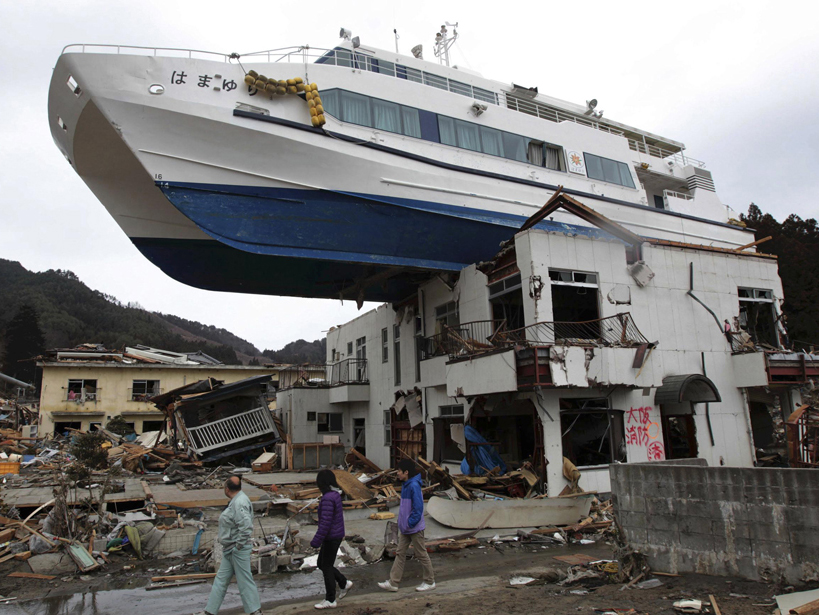
Plate Displacement Rate Offers Insight into 2011 Tohoku Quake

by L. Strelich 4 February 201624 January 2023

For the first time, scientists use GPS to measure the displacement rate of the subducting Pacific Plate near the source of disastrous shaking in 2011.
Posted inNews

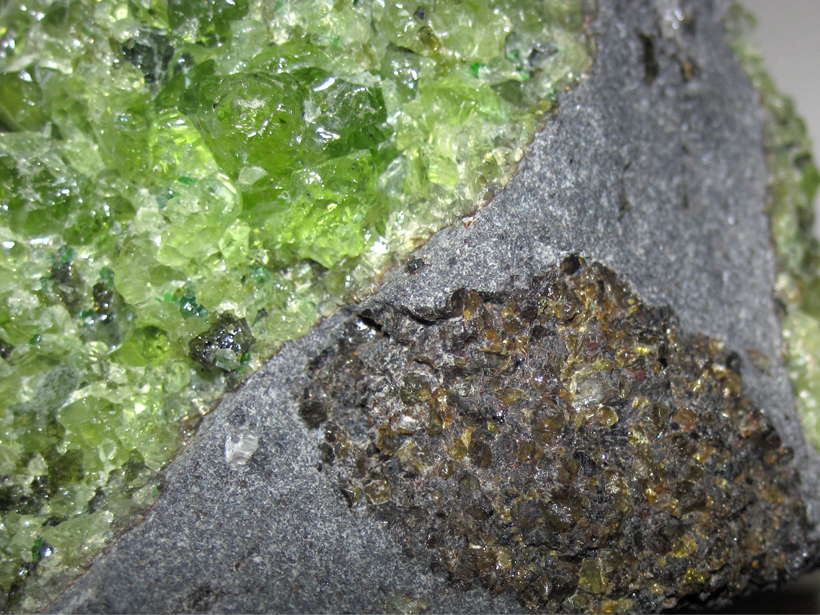
Subtle Seismic Movements May Help Forecast Large Earthquakes

JoAnna Wendel, freelance science writer and illustrator by JoAnna Wendel 1 February 20166 October 2021

Where a plate of Earth's crust slides under another and when frequent episodes of plate slippage occur without noticeable earthquakes, large temblors will more likely strike, a new study finds.
Posted inResearch Spotlights

P Wave Amplitude Decay Offers a Glimpse of Earth's Structure

by L. Strelich 22 January 201610 March 2022

Scientists look at deep earthquake signals to map how seismic waves lose energy in the upper mantle across the United States.

Posted inNews

Quake or Bomb? Seismic Waves Speak Truth, Even If Nations Don't

Cody Sullivan by C. Sullivan 15 January 201621 June 2023

When the Earth rumbles and no one knows why, seismologists can analyze the seismic event's waveforms to determine whether a hidden explosion or an earthquake caused the shaking.
Posted inResearch Spotlights

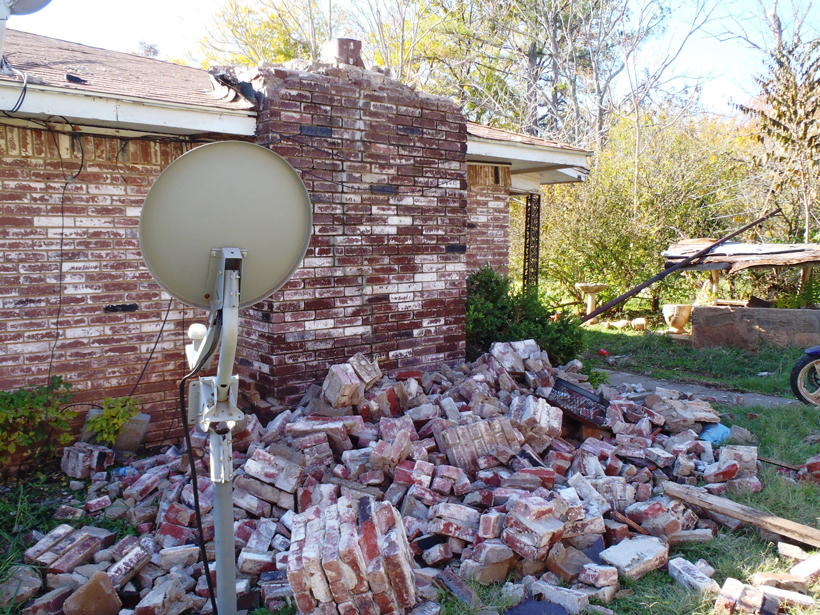
Oklahoma's Dormant Faults Hide Huge Seismic Risk Potential

by L. Strelich 15 January 20165 December 2022

Researchers look at induced seismicity data in Oklahoma to spot an increase of stress in faults that could cause even more damage than recent quakes.
Posted inNews

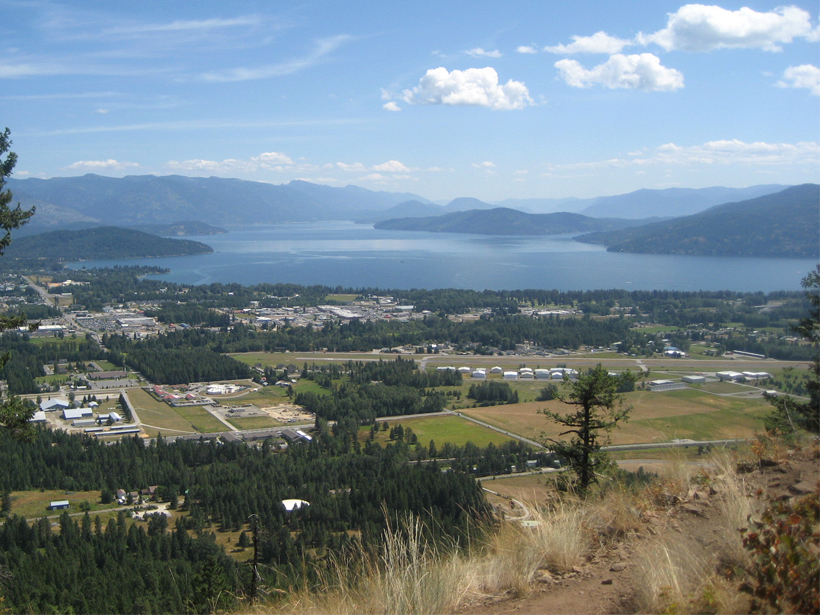
The Backwards Earthquakes

by E. E. A. Ross 15 December 20152 December 2022

Earthquakes in Idaho's panhandle are usually caused by the Earth's crust pulling apart. So why were earthquakes on 24 April pushing the crust together?

Posted inResearch Spotlights

Aftershocks of Old Quakes Still Shake New Madrid Seismic Zone

by L. Strelich 24 November 201518 October 2022

Geodetic data show that earthquakes in 1450 and 1811–1812 may be responsible for present-day seismic activity in the region.

Posts pagination

Newer posts 1 … 41 42 43 44 45 … 47 Older posts
Over a dark blue-green square appear the words Special Report: The State of the Science 1 Year On.

Features from AGU Publications

Research Spotlights

InSight into Seismology on the Red Planet

21 October 202621 October 2026
Editors' Highlights

The Geomagnetic Polarity Time Scale Revisited Once Again

22 October 202622 October 2026
Editors' Vox

Opening Access to Earth Observation Data for Disaster Mitigation

21 October 202620 October 2026
Eos logo at left; AGU logo at right

About Eos
ENGAGE
Awards
Contact

Advertise
Submit
Career Center
Sitemap

© 2026 American Geophysical Union. All rights reserved Powered by Newspack