
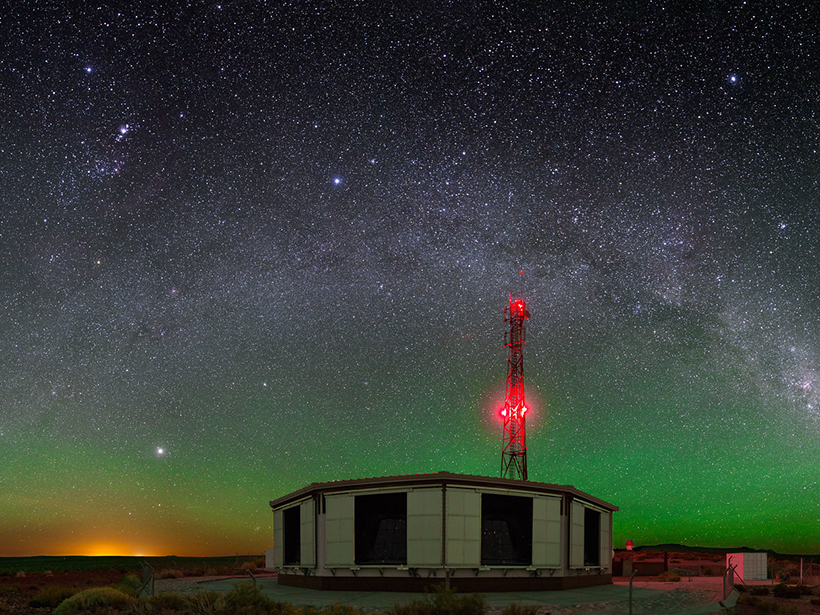
The world’s largest cosmic ray detector accidentally spotted elves, an unusual lightning phenomenon high in the atmosphere. Now it’s intentionally looking for more.
everything atmospheric

Posted inResearch Spotlights
Improving Atmospheric Forecasts with Machine Learning

An efficient, low-resolution machine learning model can usefully predict the global atmospheric state as much as 3 days out.

Posted inOpinions
All Hands on Deck for Ionospheric Modeling
Challenges to studying the ionosphere’s ability to conduct electrical currents undercut scientists’ efforts to improve space weather forecasting models. Let’s tackle them together.

Posted inResearch Spotlights
Tracking Tropospheric Ozone Since 1979
Stratospheric ozone depletion between 1979 and 2010 resulted in a slight decrease of ozone in the troposphere during that period despite increased ozone production from anthropogenic emissions.

Posted inScience Updates
Once Again into the Northwest Passage
After two unsuccessful tries, a hardy band of undergraduate students conducted a successful Arctic research and outreach expedition through the Northwest Passage.
Posted inResearch Spotlights
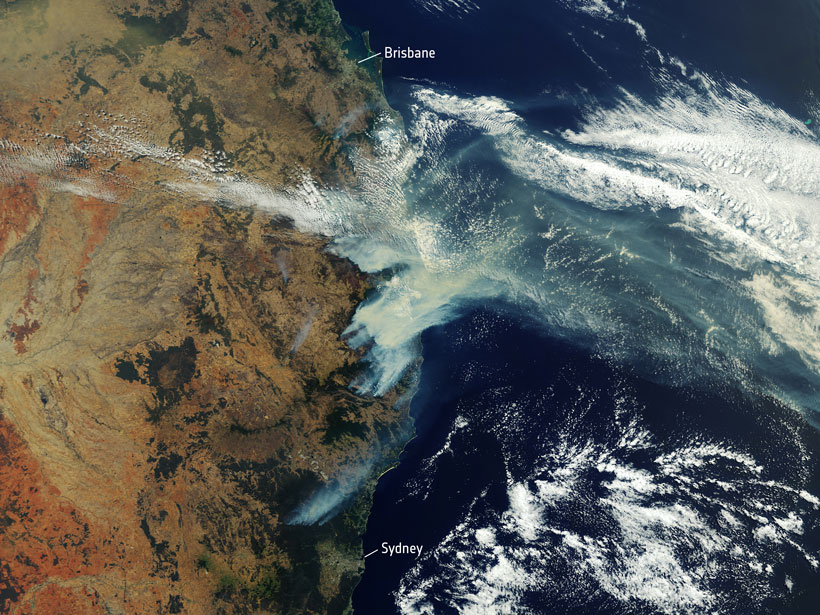
A Revised View of Australia’s Future Climate
The most recent generation of models of the Coupled Model Intercomparison Project better captures rainfall drivers, extreme heat events, and other facets of regional climate.

Posted inEditors' Highlights
How Does Convection Work Over the Tropics?
A new conceptual framework on how convection works in the tropics helps advance understanding of the contrast between land and ocean and how the tropics will respond to climate change.
Posted inResearch Spotlights
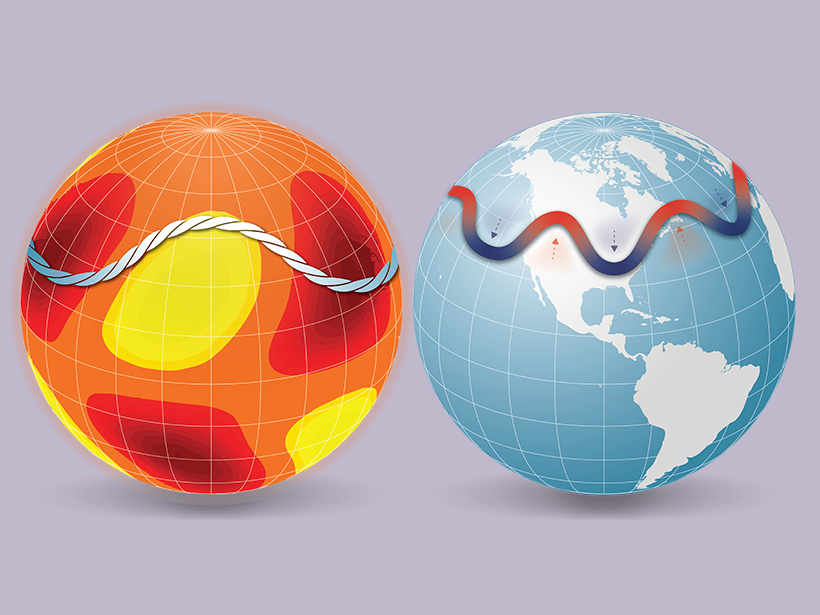
Space Weather Forecasting Takes Inspiration from Meteorology

Solar features analogous to major atmospheric waves on Earth could offer more advanced warning of harmful solar storms.
Posted inResearch Spotlights
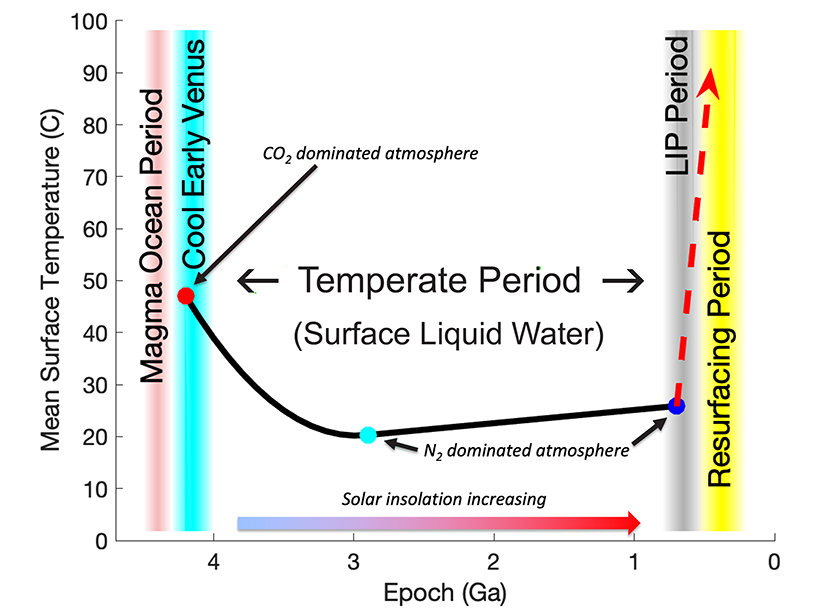
How Long Was Venus Habitable?
Climate simulations of Venus’s history could provide insights into the habitability of Earth and of exoplanets.

Posted inNews
Unprecedented Clear Skies Drove Remarkable Melting in Greenland

Scientists are concerned that current climate models do not fully account for the impact of atmospheric conditions on the Greenland Ice Sheet and, consequently, may dramatically underestimate melting.