
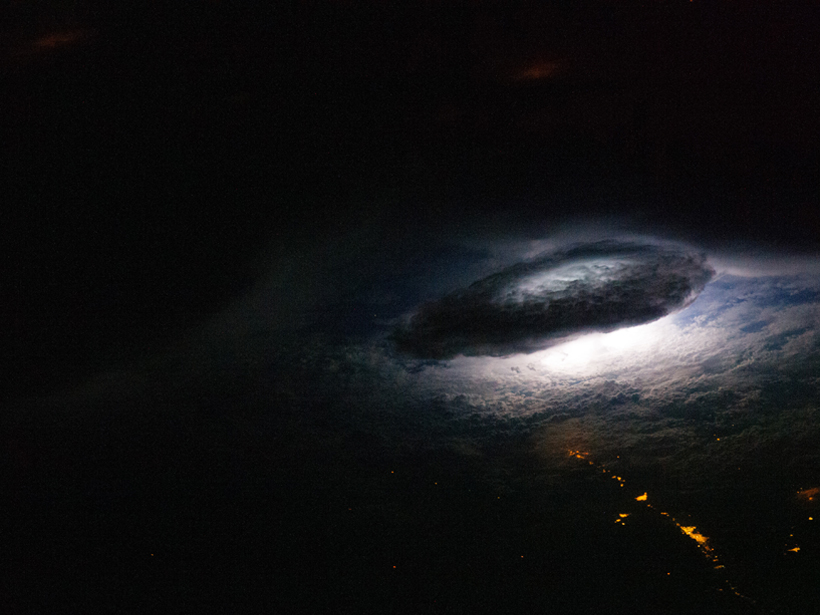

Charged by thunderstorms and other weather phenomena, the global electrical circuit connects the entire planet.
everything atmospheric
Posted inNews
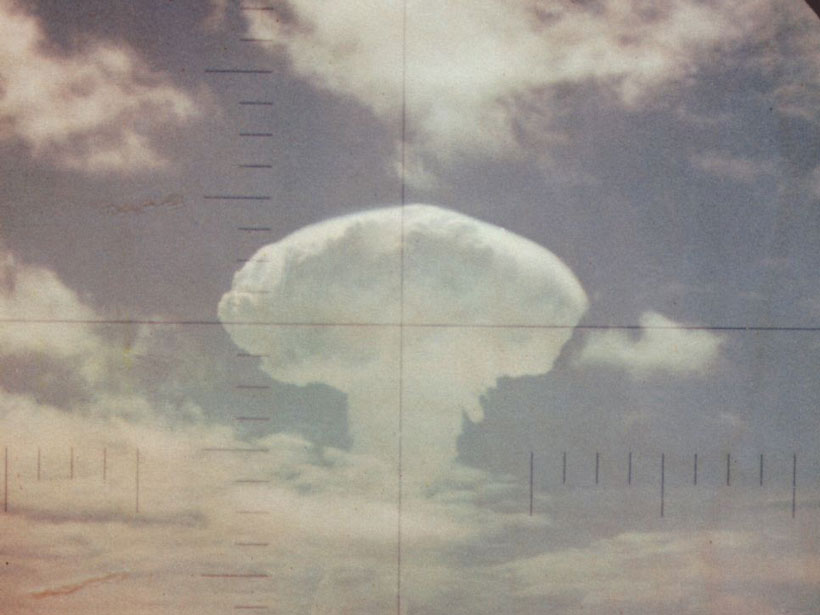
Una Guerra Nuclear Podría Generar un “Niño Nuclear”

Una sacudida al sistema climático provista por una guerra nuclear podría provocar un fenómeno de el Niño como nunca habíamos visto.
Posted inNews
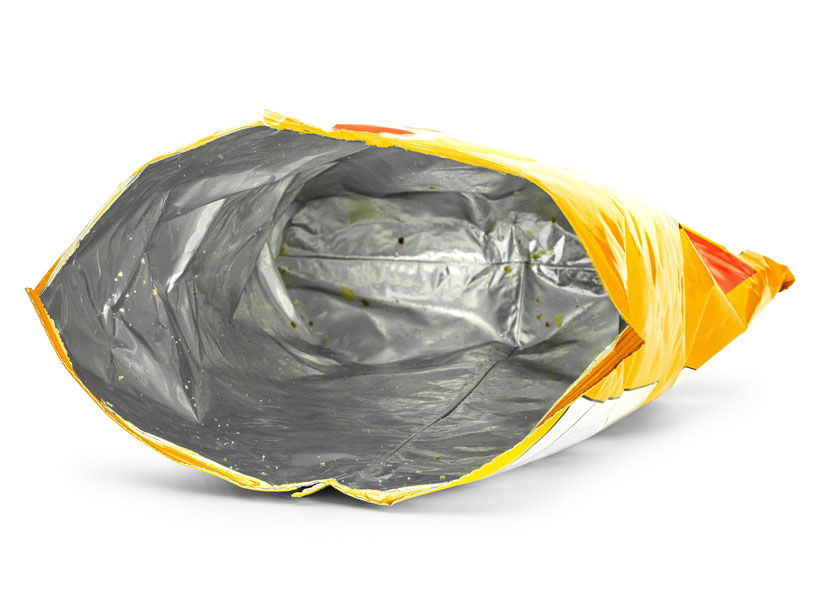
Tear, Don’t Cut, to Reduce Microplastics

Laboratory experiments reveal the numbers and types of microplastics produced by tearing, scissoring, and cutting everyday items.

Posted inFeatures
Planetary Lightning: Same Physics, Distant Worlds

Lightning on Earth needs just a few simple ingredients to generate a spark. Those ingredients exist throughout the solar system and beyond.
Posted inFeatures
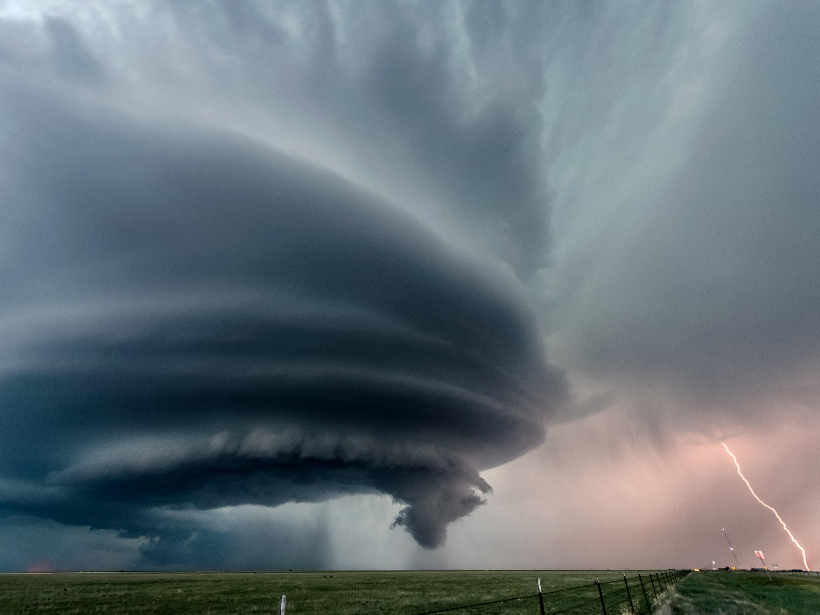
Lightning Research Flashes Forward

A greater understanding of lightning mechanisms is spurring the development of more accurate weather forecasting, increased public health precautions, and a more sophisticated understanding of lightning itself.
Posted inScience Updates
Returning Lightning Data to the Cloud
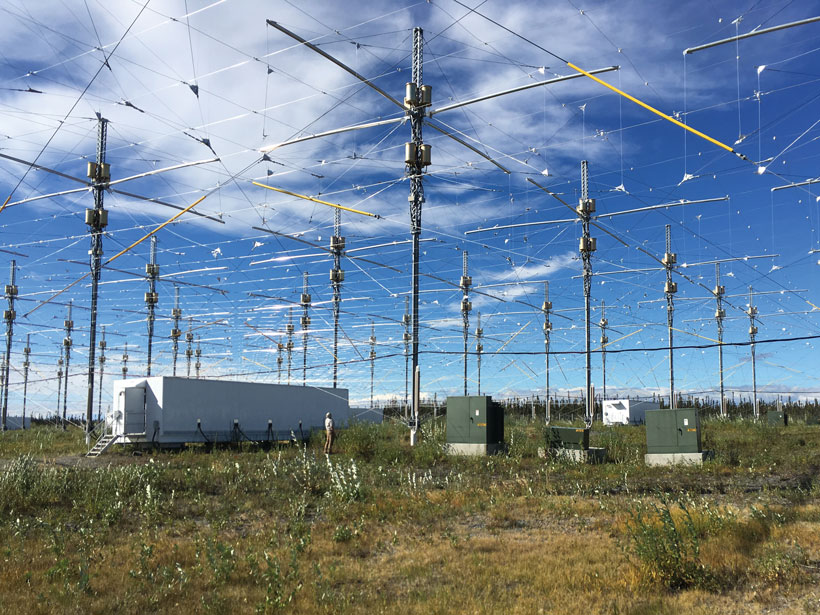
Scientists are assembling an online database with decades of low-frequency radio measurements collected worldwide to facilitate modern research about lightning, space weather, and more.
Posted inAGU News
Investigating the Spark
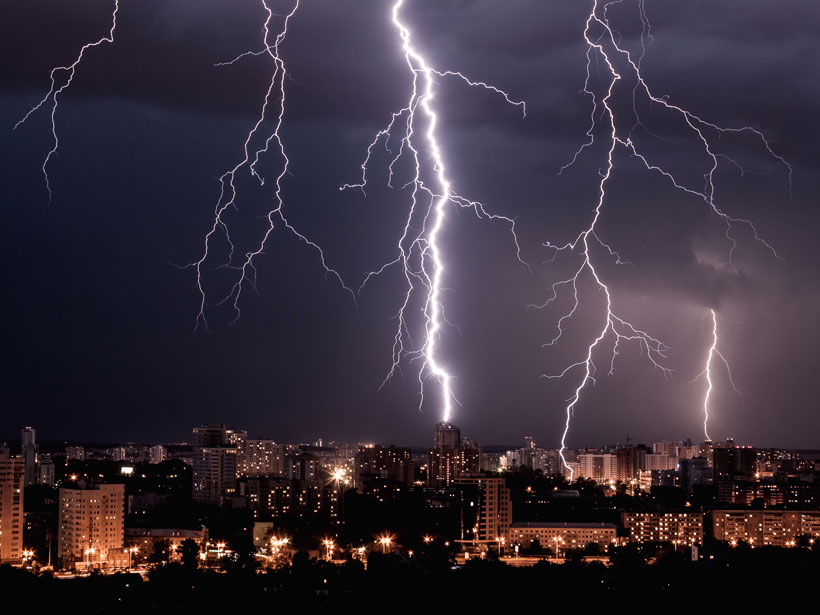
In May, we look at lightning—what it tells us about dangerous weather, how to find it on other planets, and what we might learn if we get all that data in one place.
Posted inNews
Record-Setting Winds on a Nearby Brown Dwarf
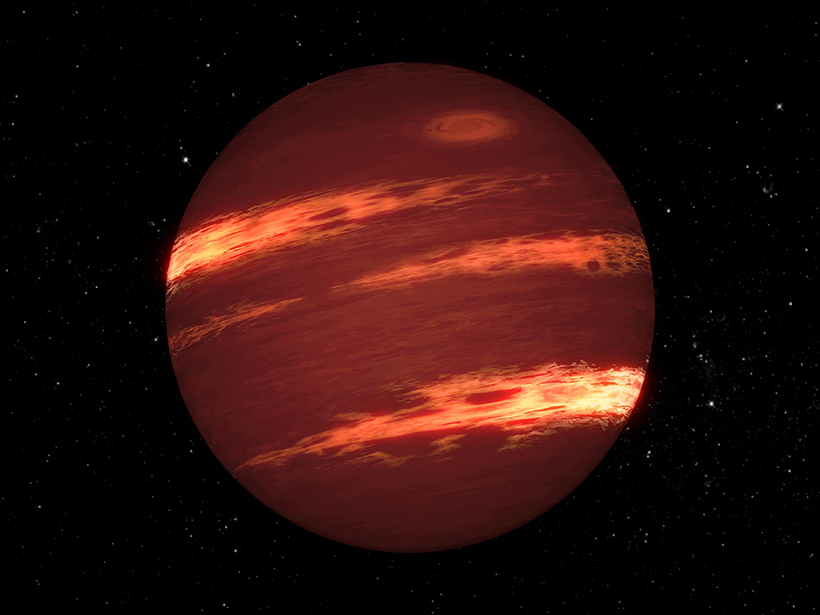
Infrared and radio observations reveal zonal winds moving faster than 2,000 kilometers per hour on a “failed star” in our celestial neighborhood.
Posted inEditors' Highlights
A New View of Old Clouds
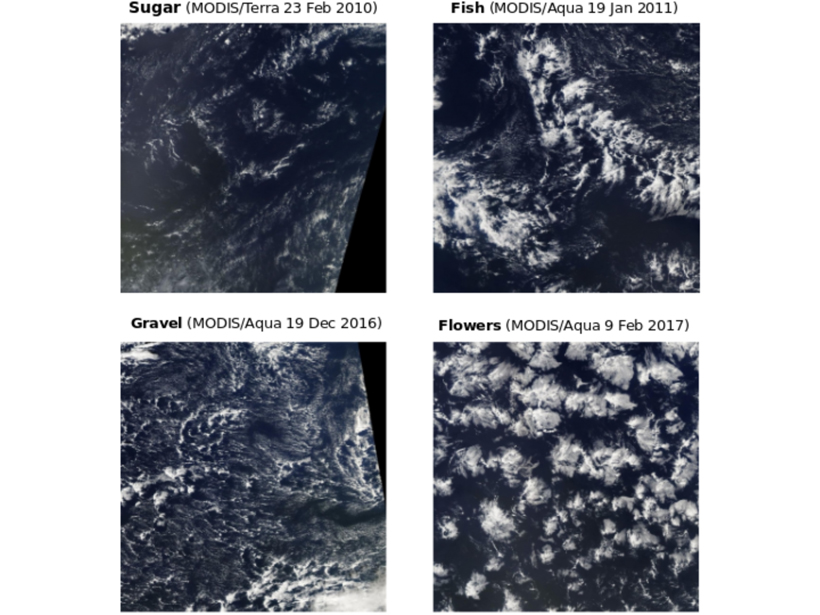
Satellite images of marine shallow clouds are objectively classified into four distinct types, illuminating new ways to tackle a long-standing problem in climate predictions.

Posted inNews
Atmospheric Scientists Show Resilience in the Face of Lockdowns

As businesses, schools, and entire cities shut down to prevent the spread of the coronavirus, scientists have been forced to adapt to radically altered working conditions and data collection techniques.