• About
  • Special Reports
  • Topics
    • Climate
    • Earth Science
    • Oceans
    • Space & Planets
    • Health & Ecosystems
    • Culture & Policy
    • Education & Careers
    • Opinions
  • Projects
    • Postcards From the Field
    • ENGAGE
    • Editors’ Highlights
    • Editors’ Vox
    • Eos en Español
    • Eos 简体中文版
    • Print Archive: 2015–2025
  • Policy Tracker
  • Blogs
    • Research & Developments
    • The Landslide Blog
  • Newsletter
  • Submit to Eos
  • AGU.org
  • Career Center
  • Join AGU
  • Give to AGU
  • About
  • Special Reports
  • Topics
    • Climate
    • Earth Science
    • Oceans
    • Space & Planets
    • Health & Ecosystems
    • Culture & Policy
    • Education & Careers
    • Opinions
  • Projects
    • Postcards From the Field
    • ENGAGE
    • Editors’ Highlights
    • Editors’ Vox
    • Eos en Español
    • Eos 简体中文版
    • Print Archive: 2015–2025
  • Policy Tracker
  • Blogs
    • Research & Developments
    • The Landslide Blog
  • Newsletter
  • Submit to Eos
Skip to content
  • AGU.org
  • Career Center
  • Join AGU
  • Give to AGU
Eos

Eos

Science News by AGU

Support Eos
Sign Up for Newsletter
  • About
  • Special Reports
  • Topics
    • Climate
    • Earth Science
    • Oceans
    • Space & Planets
    • Health & Ecosystems
    • Culture & Policy
    • Education & Careers
    • Opinions
  • Projects
    • Postcards From the Field
    • ENGAGE
    • Editors’ Highlights
    • Editors’ Vox
    • Eos en Español
    • Eos 简体中文版
    • Print Archive: 2015–2025
  • Policy Tracker
  • Blogs
    • Research & Developments
    • The Landslide Blog
  • Newsletter
  • Submit to Eos

experiments

Posted inNews

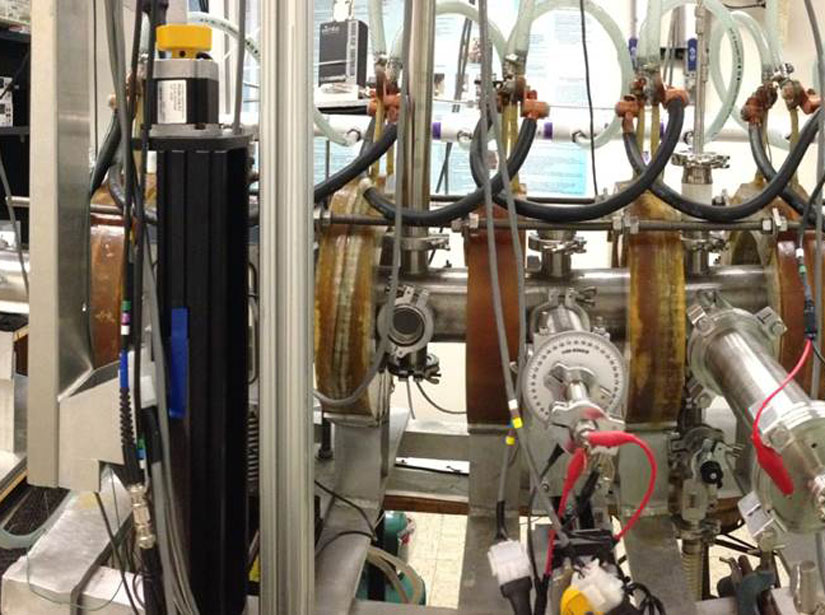
Experiment Captures First Image of Thunder

by Randy Showstack 19 May 201513 April 2023

Scientists can now visually capture the sound waves created by thunder, a technique that could lead to an increased understanding of how lightning forms and transmits energy.
Posted inResearch Spotlights

What Causes Broadband Electrostatic Noise in Space?

by J. Orwig 25 February 201519 January 2023

Factors that generate electrostatic noise involve how electric fields compress magnetized plasmas.
Posted inNews

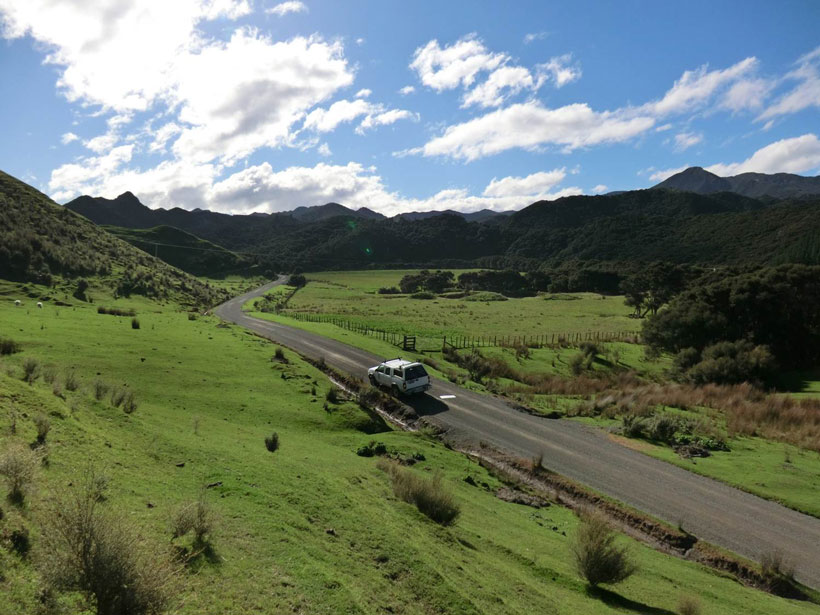
Pacific Plate's Underbelly Revealed Through Explosive Means

JoAnna Wendel, freelance science writer and illustrator by JoAnna Wendel 11 February 20155 October 2022

Scientists produce their own seismic waves—via explosives—to image the bottom region of the plate subducting under the New Zealand.
Posted inNews

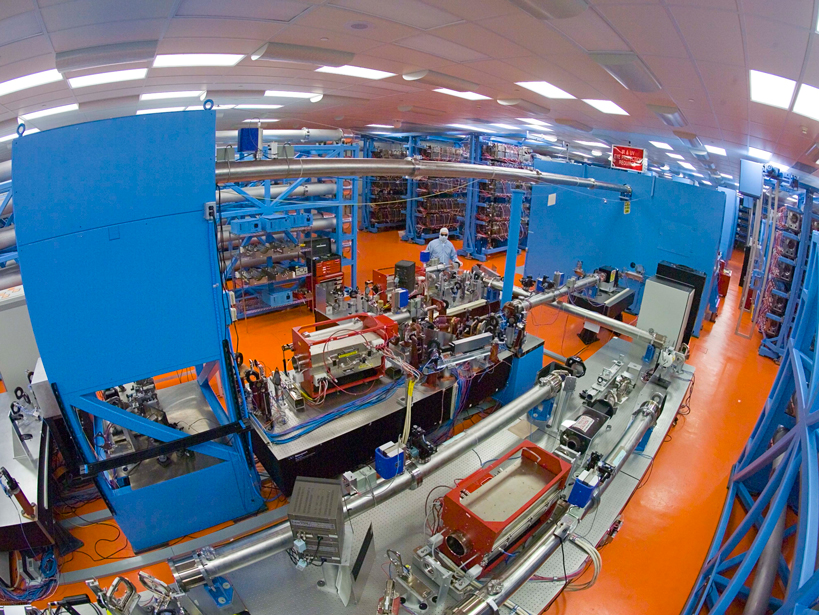
Probing Exoplanet Interiors Through Lab Simulations

JoAnna Wendel, freelance science writer and illustrator by JoAnna Wendel 28 January 201522 May 2023

Laser-driven experiments on silica help scientists learn more about planetary formation and evolution.

Posted inScience Updates

A Deep Cabled Observatory: Biology and Physics in the Abyss

by B. M. Howe and Faith Ishii 25 November 20143 February 2023

The ALOHA Cabled Observatory, located 100 kilometers north of Oahu, is enabling a variety of studies of the biology and physics of the deep ocean.

Posted inNews

Failed Rocket Payload Included Research Experiments

by Randy Showstack 4 November 201416 March 2023

Orbital Sciences’ Antares rocket and Cygnus cargo spacecraft, which failed on 28 October, included a number of student research projects along with other science experiments.

Posts pagination

Newer posts 1 … 4 5 6
Over a dark blue-green square appear the words Special Report: The State of the Science 1 Year On.

Features from AGU Publications

Research Spotlights

Our Ocean’s “Natural Antacids” Act Faster Than We Thought

30 January 202630 January 2026
Editors' Highlights

Visualizing and Hearing the Brittle–Plastic Transition

3 February 20263 February 2026
Editors' Vox

Tsunamis from the Sky

3 February 20263 February 2026
Eos logo at left; AGU logo at right

About Eos
ENGAGE
Awards
Contact

Advertise
Submit
Career Center
Sitemap

© 2026 American Geophysical Union. All rights reserved Powered by Newspack