• About
  • Special Reports
  • Topics
    • Climate
    • Earth Science
    • Oceans
    • Space & Planets
    • Health & Ecosystems
    • Culture & Policy
    • Education & Careers
    • Opinions
  • Projects
    • Postcards From the Field
    • ENGAGE
    • Editors’ Highlights
    • Editors’ Vox
    • Eos en Español
    • Eos 简体中文版
    • Print Archive: 2015–2025
  • Policy Tracker
  • Blogs
    • Research & Developments
    • The Landslide Blog
  • Newsletter
  • Submit to Eos
  • AGU.org
  • Career Center
  • Join AGU
  • Give to AGU
  • About
  • Special Reports
  • Topics
    • Climate
    • Earth Science
    • Oceans
    • Space & Planets
    • Health & Ecosystems
    • Culture & Policy
    • Education & Careers
    • Opinions
  • Projects
    • Postcards From the Field
    • ENGAGE
    • Editors’ Highlights
    • Editors’ Vox
    • Eos en Español
    • Eos 简体中文版
    • Print Archive: 2015–2025
  • Policy Tracker
  • Blogs
    • Research & Developments
    • The Landslide Blog
  • Newsletter
  • Submit to Eos
Skip to content
  • AGU.org
  • Career Center
  • Join AGU
  • Give to AGU
Eos

Eos

Science News by AGU

Support Eos
Sign Up for Newsletter
  • About
  • Special Reports
  • Topics
    • Climate
    • Earth Science
    • Oceans
    • Space & Planets
    • Health & Ecosystems
    • Culture & Policy
    • Education & Careers
    • Opinions
  • Projects
    • Postcards From the Field
    • ENGAGE
    • Editors’ Highlights
    • Editors’ Vox
    • Eos en Español
    • Eos 简体中文版
    • Print Archive: 2015–2025
  • Policy Tracker
  • Blogs
    • Research & Developments
    • The Landslide Blog
  • Newsletter
  • Submit to Eos

extreme events

Posted inResearch Spotlights

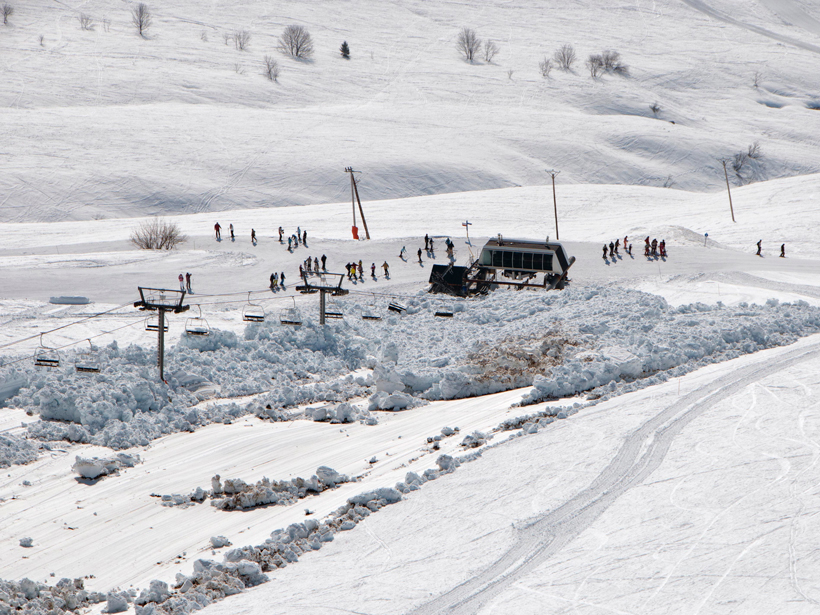
Slow-Moving Glide Avalanches Still Pack a Punch

by N. McGuire 20 November 201520 November 2015

Predicting glide avalanches and explaining how they work are difficult tasks, but the forces they exert can be calculated fairly well.

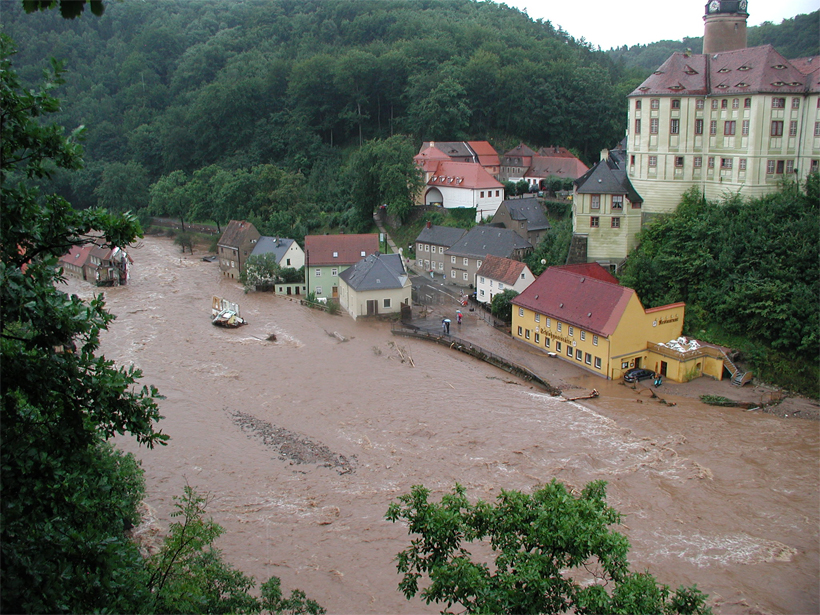
Image of flooding in the Ore Mountains in Germany from August 2002
Posted inResearch Spotlights

The Element of Surprise in Managing Flood Risk

by L. Strelich 12 November 20157 March 2024

A social science perspective on unpredictable flood risk systems may help us expect the unexpected and mitigate flood damage.
Posted inResearch Spotlights

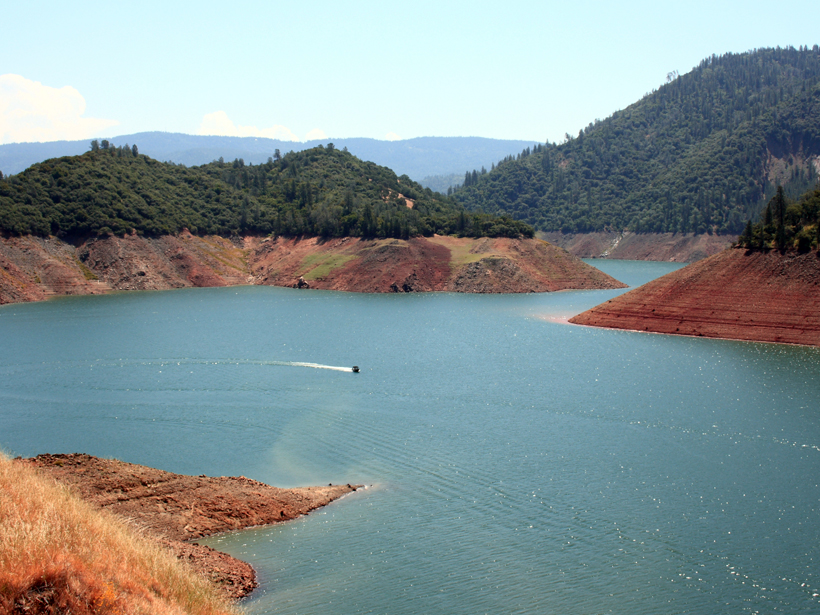
Global Warming Intensifies Drought Conditions in California

by L. Strelich 26 August 20153 March 2023

The rise in global temperatures has amplified naturally occurring drought conditions in California and has increased the chance of severe droughts in the future.
Posted inResearch Spotlights

Rainfall Fluctuations Hinder Projections of Future Extremes

by P. Kollipara 10 June 201514 April 2023

Long-period oscillations in rainfall make even long records less useful for predicting future extremes.

Posted inNews

Scientists Call for a Renewed Emphasis on Urban Geology

by Randy Showstack 25 November 20149 May 2022

A renewed focus on geological aspects of cities could help mitigate natural hazards and provide a wealth of geological information, scientists say.
Posted inResearch Spotlights

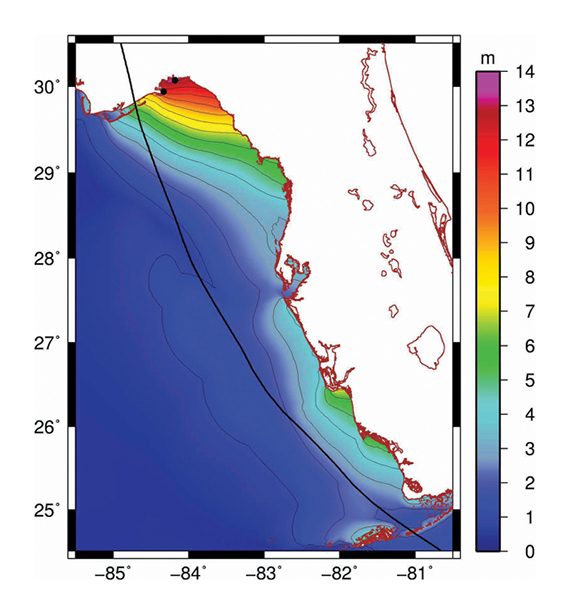
History of Storm Surge in Florida Strongly Underestimated

by C. Schultz 28 October 20146 March 2023

Florida’s sediment record reveals surprising new information about the frequency of large hurricanes hitting the state.

Posts pagination

Newer posts 1 … 3 4 5
Over a dark blue-green square appear the words Special Report: The State of the Science 1 Year On.

Features from AGU Publications

Research Spotlights

The Ambiguous Costs of Climate Change

16 October 202616 October 2026
Editors' Highlights

Melting Permafrost Impacts Arctic Rivers in Vulnerable Regions

15 October 202615 October 2026
Editors' Vox

Where Fire Ends, Chemistry Begins

30 September 202630 September 2026
Eos logo at left; AGU logo at right

About Eos
ENGAGE
Awards
Contact

Advertise
Submit
Career Center
Sitemap

© 2026 American Geophysical Union. All rights reserved Powered by Newspack