• About
  • Special Reports
  • Topics
    • Climate
    • Earth Science
    • Oceans
    • Space & Planets
    • Health & Ecosystems
    • Culture & Policy
    • Education & Careers
    • Opinions
  • Projects
    • Postcards From the Field
    • ENGAGE
    • Editors’ Highlights
    • Editors’ Vox
    • Eos en Español
    • Eos 简体中文版
    • Print Archive: 2015–2025
  • Policy Tracker
  • Blogs
    • Research & Developments
    • The Landslide Blog
  • Newsletter
  • Submit to Eos
  • AGU.org
  • Career Center
  • Join AGU
  • Give to AGU
  • About
  • Special Reports
  • Topics
    • Climate
    • Earth Science
    • Oceans
    • Space & Planets
    • Health & Ecosystems
    • Culture & Policy
    • Education & Careers
    • Opinions
  • Projects
    • Postcards From the Field
    • ENGAGE
    • Editors’ Highlights
    • Editors’ Vox
    • Eos en Español
    • Eos 简体中文版
    • Print Archive: 2015–2025
  • Policy Tracker
  • Blogs
    • Research & Developments
    • The Landslide Blog
  • Newsletter
  • Submit to Eos
Skip to content
  • AGU.org
  • Career Center
  • Join AGU
  • Give to AGU
Eos

Eos

Science News by AGU

Support Eos
Sign Up for Newsletter
  • About
  • Special Reports
  • Topics
    • Climate
    • Earth Science
    • Oceans
    • Space & Planets
    • Health & Ecosystems
    • Culture & Policy
    • Education & Careers
    • Opinions
  • Projects
    • Postcards From the Field
    • ENGAGE
    • Editors’ Highlights
    • Editors’ Vox
    • Eos en Español
    • Eos 简体中文版
    • Print Archive: 2015–2025
  • Policy Tracker
  • Blogs
    • Research & Developments
    • The Landslide Blog
  • Newsletter
  • Submit to Eos

fossils & paleontology

Posted inNews

More Acidic Oceans Could Reduce Fertility for Algae Eaters

by Lauren Lipuma 29 February 201625 March 2024

New research shows that increased levels of carbon dioxide in the oceans cause changes that alter key nutrients essential to the reproduction of animals low on the food web.

Posted inNews

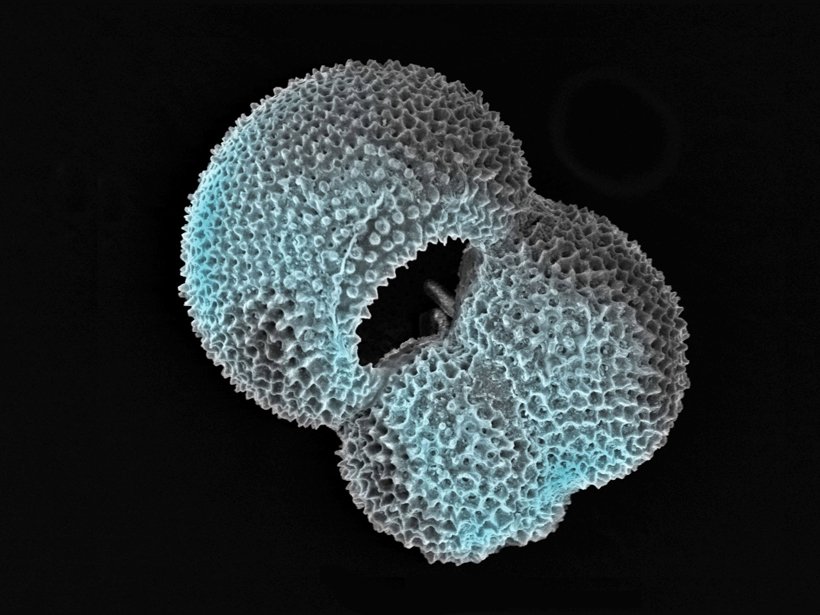
Plankton Reveal New Secrets About Ancient CO2 Levels

by N. Jacewicz 16 December 20154 May 2022

An analysis of phytoplankton shells doubles previous estimates of the amount of carbon dioxide in the atmosphere 11 million years ago.
Posted inResearch Spotlights

Correlating Monsoon Strength with Boron Isotopes

by C. Minnehan 19 October 20152 March 2023

Scientists tell the story of the past monsoon by measuring boron isotopes in organisms in the Arabian Sea.

Posts pagination

Newer posts 1 … 7 8 9
Over a dark blue-green square appear the words Special Report: The State of the Science 1 Year On.

Features from AGU Publications

Research Spotlights

Mapping Childhood Lead Exposure Risk in the United States, Neighborhood by Neighborhood

8 October 20268 October 2026
Editors' Highlights

Limits of Satellite Detection of Extreme Carbon Cycle Events

7 October 20267 October 2026
Editors' Vox

Where Fire Ends, Chemistry Begins

30 September 202630 September 2026
Eos logo at left; AGU logo at right

About Eos
ENGAGE
Awards
Contact

Advertise
Submit
Career Center
Sitemap

© 2026 American Geophysical Union. All rights reserved Powered by Newspack