
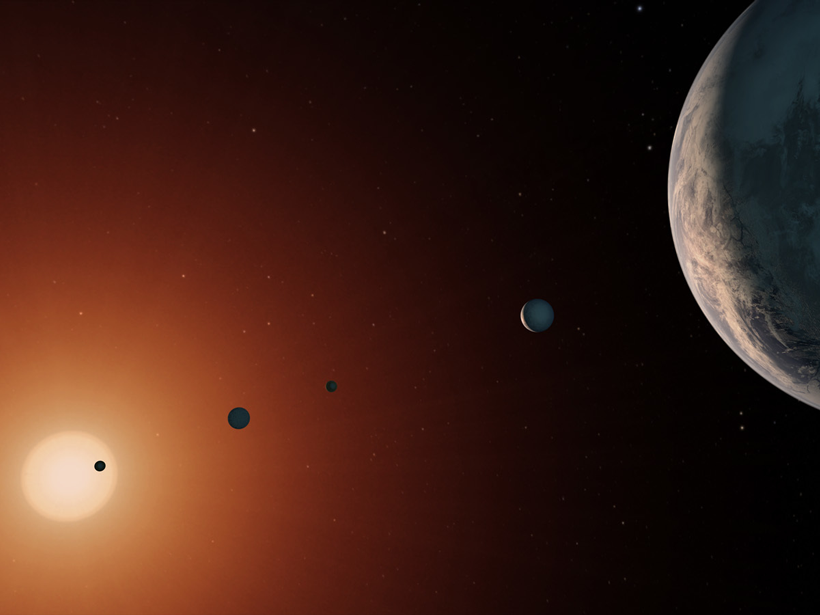
Enhanced cooperation between organizations representing astronomers and Earth and space scientists will build upon interdisplinary work already bridging geophysics and astronomy.
geophysics
Posted inResearch Spotlights
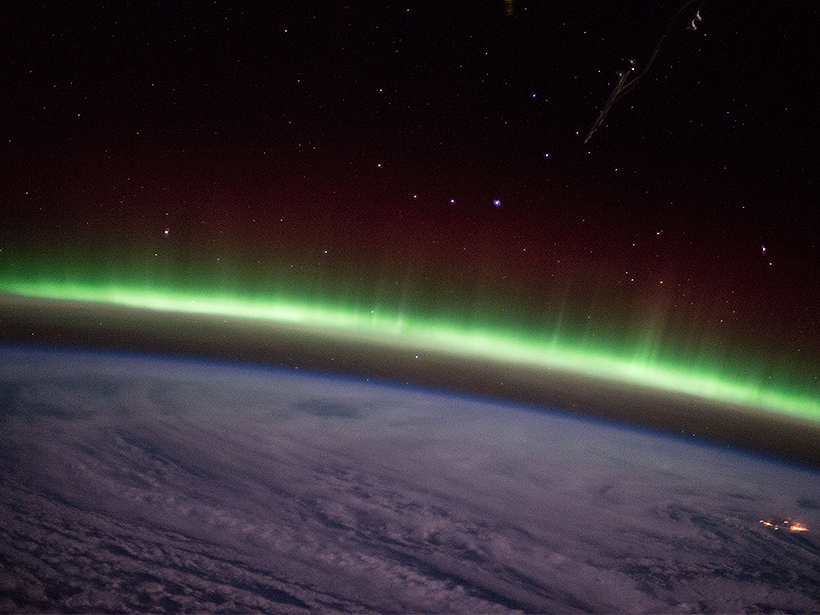
Mysterious Aurora Borealis Feature Explained for the First Time
High-speed particles cause indentations in the magnetopause to form “throat auroras.”
Posted inNews
Stanley “Stan” Ruttenberg (1926–2017)
This talented geophysicist, with his love of music, played key roles in the International Geophysical Year (1957–1958) and many other research programs, as well as in organizing a major music festival.
Posted inAGU News
Donald W. Forsyth Receives 2017 Maurice Ewing Medal
Donald W. Forsyth was awarded the 2017 Maurice Ewing Medal at the American Geophysical Union Fall Meeting Honors Ceremony, held on 13 December 2017 in New Orleans, La. The medal is for “significant original contributions to the ocean sciences.”
Posted inAGU News
Mainprice Receives Paul G. Silver Award
David Mainprice will receive the 2017 Paul G. Silver Award for Outstanding Scientific Service at the 2017 American Geophysical Union Fall Meeting, to be held 11–15 December in New Orleans, La. The award is given annually to recognize “a scientist who has made outstanding contributions to the fields of geodesy, seismology, or tectonophysics through mentoring of junior colleagues, leadership of community research initiatives, or other forms of unselfish cooperation in research.”
Posted inAGU News
Subedi Receives 2017 Donald L. Turcotte Award
Prachanda Subedi will receive the 2017 Donald L. Turcotte Award at the 2017 American Geophysical Union Fall Meeting, to be held 11–15 December in New Orleans, La. This award is given annually to a recent Ph.D. recipient for “outstanding dissertation research that contributes directly to nonlinear geophysics.”
Posted inScience Updates
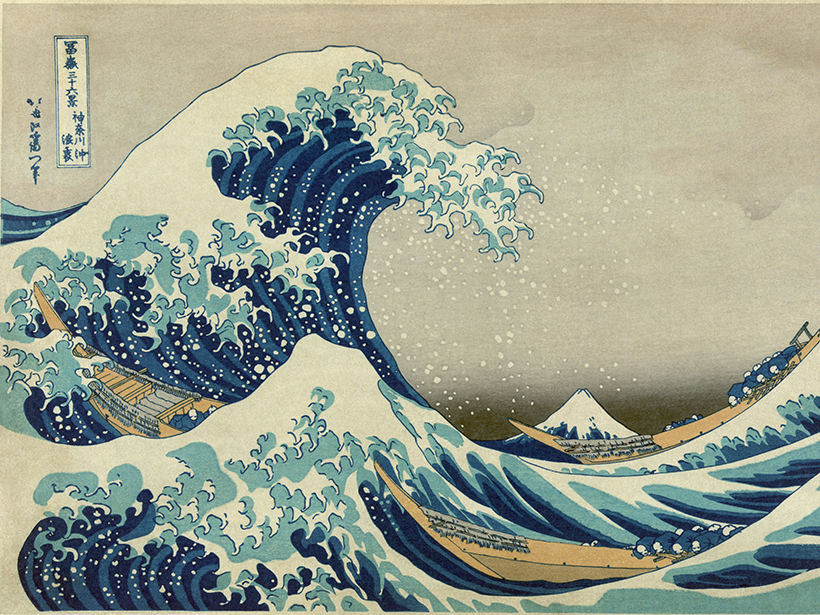
Tackling Chaos and Nonlinearity with Order and Straight Talk
The Nonlinear Wave and Chaos Workshop 2017 (NWCW17); San Diego, California, 20–24 March 2017

Posted inScience Updates
Integrating Research of the Sun-Earth System
International Symposium on Recent Observations and Simulations of the Sun-Earth System III; 11–16 September 2016, Varna, Bulgaria
Posted inResearch Spotlights
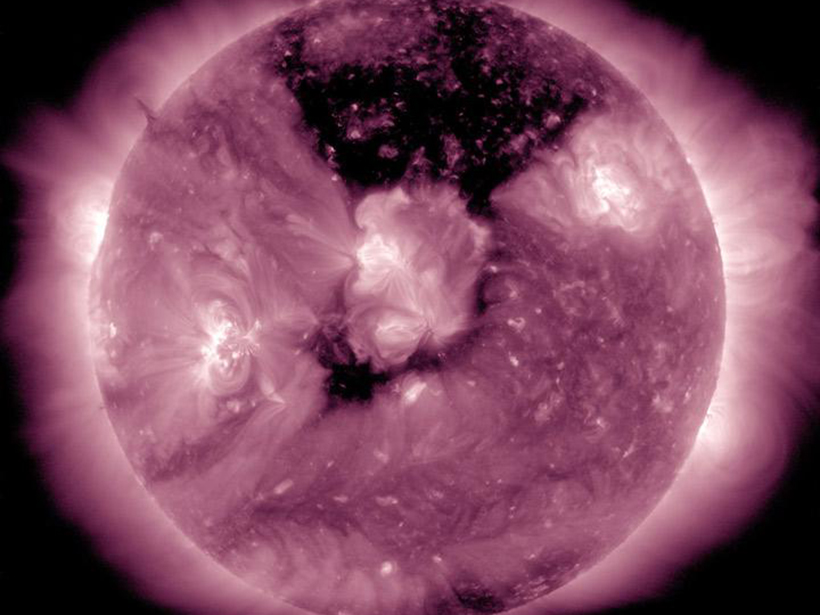
Scientists Probe the Calm After Solar Storms
In forecasting the effects of solar storms, understanding how they subside—and not just how they arrive—will be crucial.
Posted inScience Updates
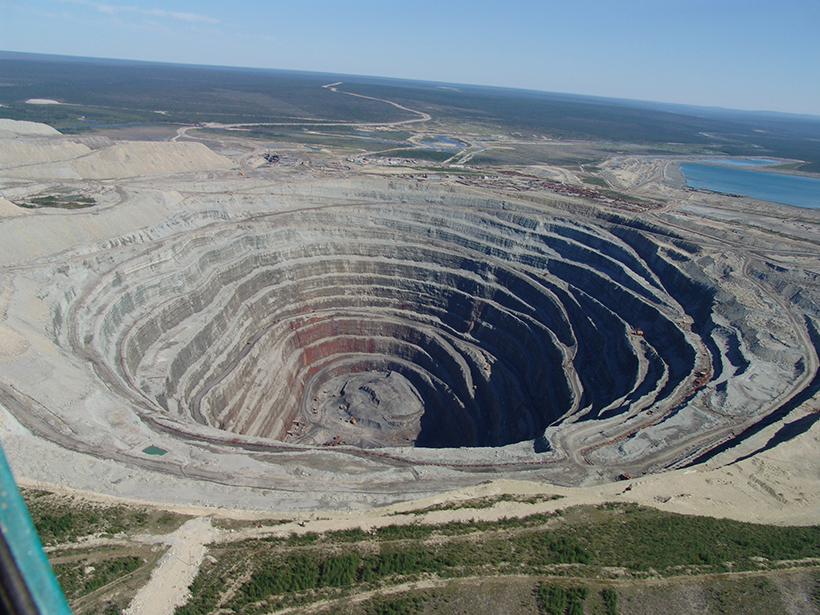
Synthesizing Our Understanding of Earth's Deep Carbon
The Deep Carbon Observatory is entering a new phase, in which it will integrate 10 years of discoveries into an overarching model to benefit the scientific community and a wider public.