
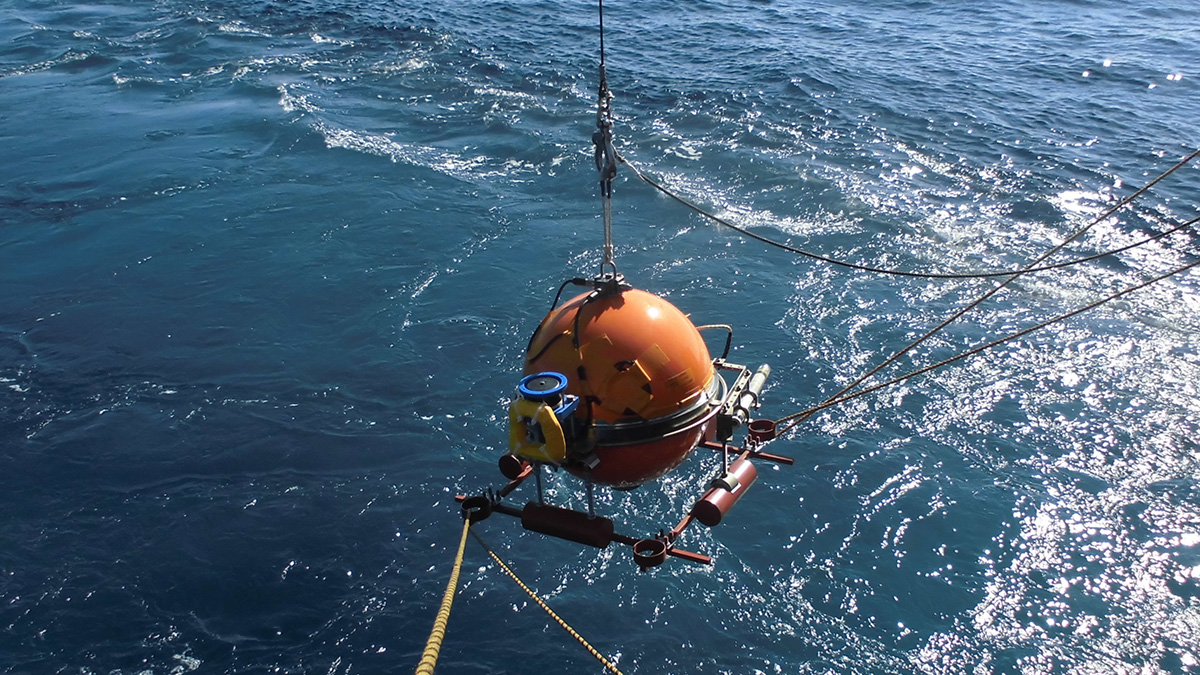

Seafloor spreading organized lithospheric minerals into a lattice, but small-scale convection jumbled up the innermost layer.
Japan

Posted inNews
Device Made for the Moon May Aid in Carbon Sequestration on Earth
A pocket-sized device intended for use on the Moon could soon play a key role in Japan’s ambitious plans to sequester carbon dioxide.

Posted inResearch Spotlights
Months of Gravity Changes Preceded the Tōhoku Earthquake
Using GRACE satellite data, researchers discovered anomalous gravimetric signals that occurred before a seismic event that started deep within Earth.
Posted inNews
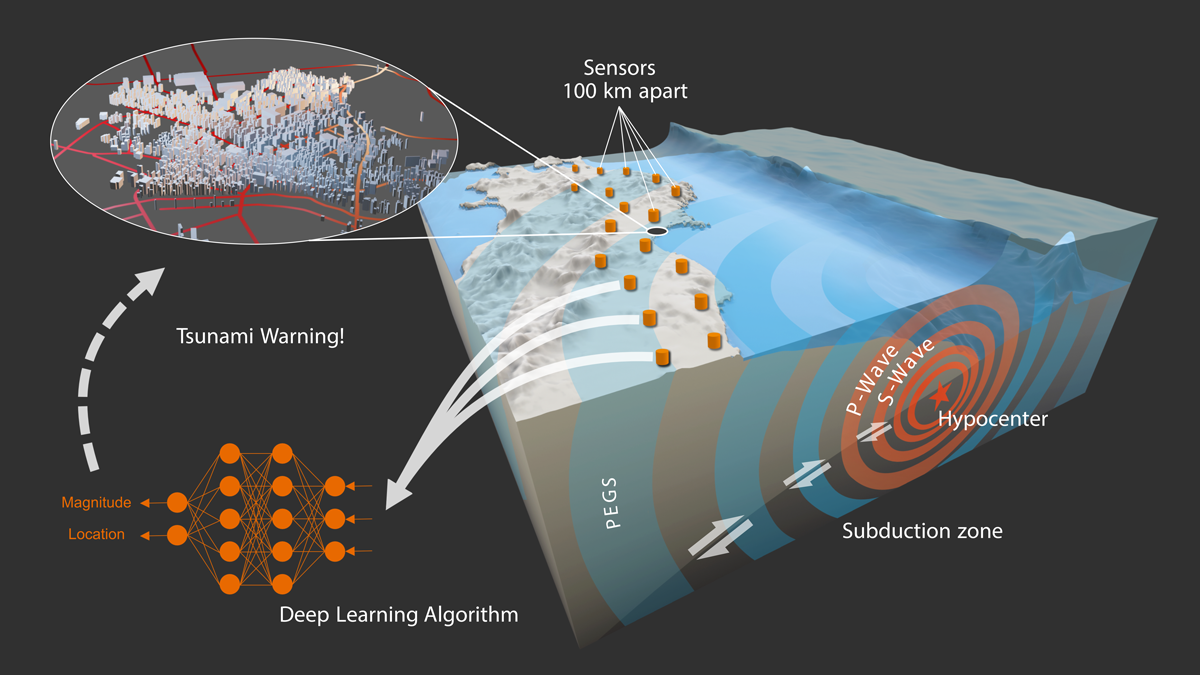
Monitoreando terremotos a la velocidad de la luz
Nueva investigación utiliza la gravedad y un modelo de aprendizaje automático para estimar instantáneamente la magnitud y ubicación de grandes terremotos.
Posted inNews
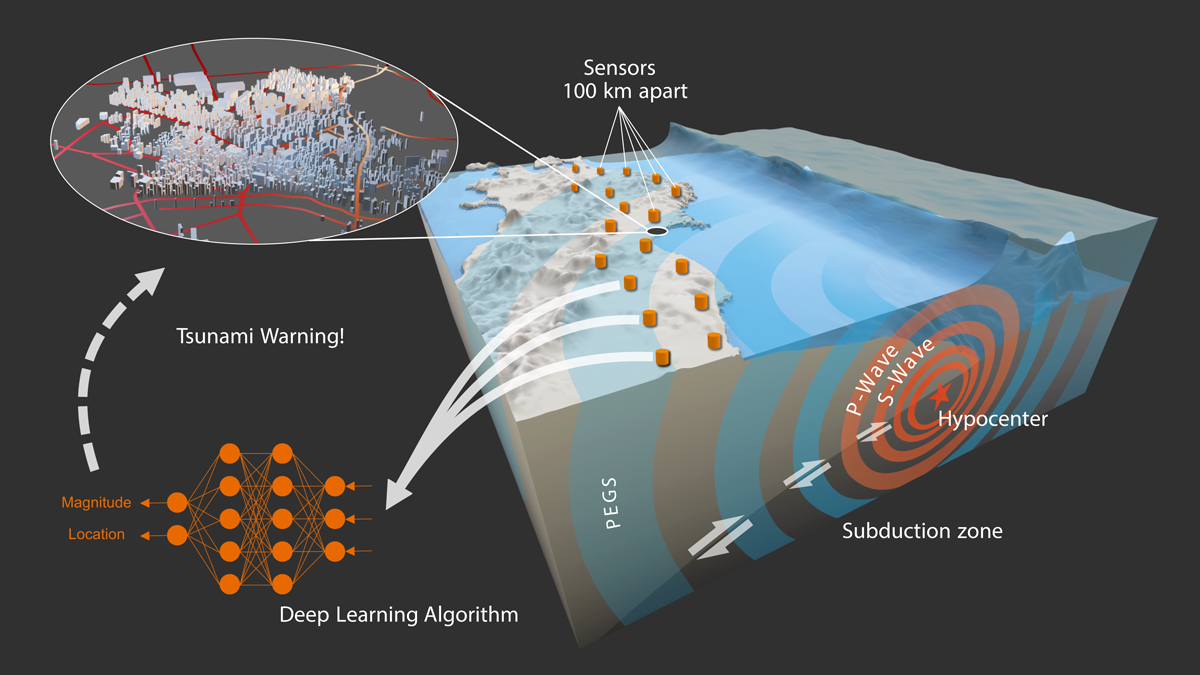
Monitoring Earthquakes at the Speed of Light
New research uses gravity and a machine learning model to instantaneously estimate the magnitude and location of large earthquakes.

Posted inNews
Muography Array Under Tokyo Bay Spots Meteotsunami Waves

A new study shows how muons can be used to study tide and wave phenomena, helping secure coastal communities.
Posted inResearch Spotlights
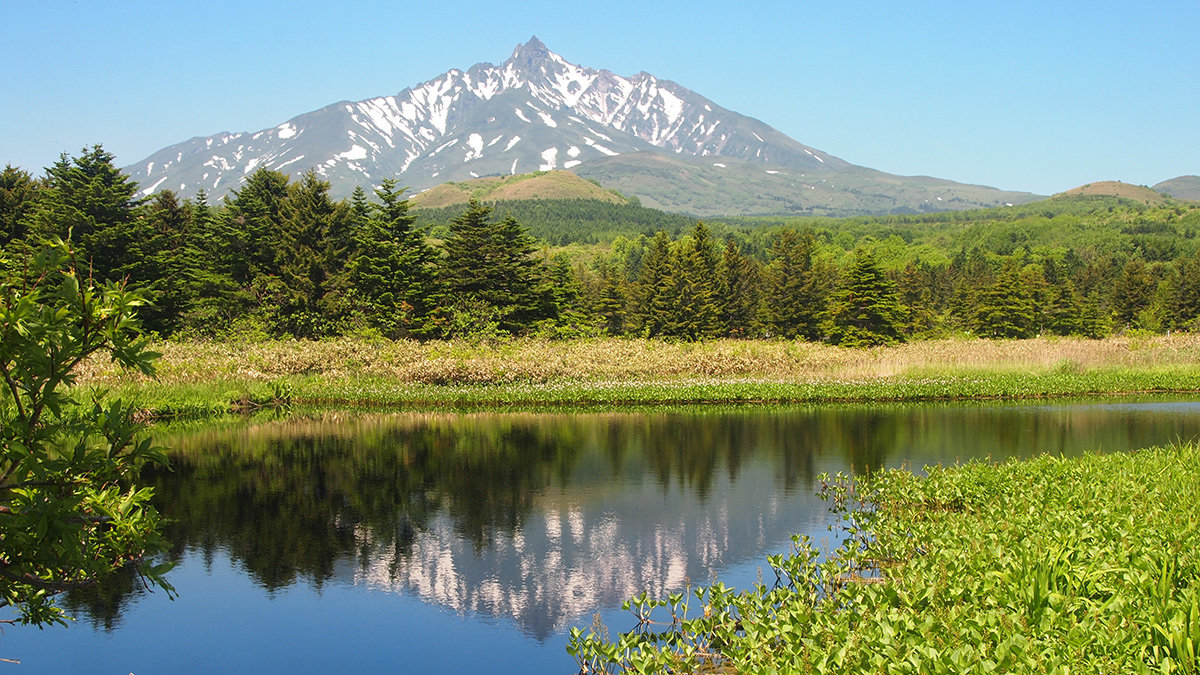
Climate and Currents Shaped Japan’s Hunter-Gatherer Cultures
New climate records from a peat bog show how two neighboring cultures responded differently to shifts in climate and ocean currents.

Posted inENGAGE, News
Freshwater Mussel Shells May Retain Record of Alpine Snowpack
A new study explores a possible proxy for seasonal freshwater input that could elucidate changes in alpine snowpack as the planet warms.
Posted inResearch Spotlights
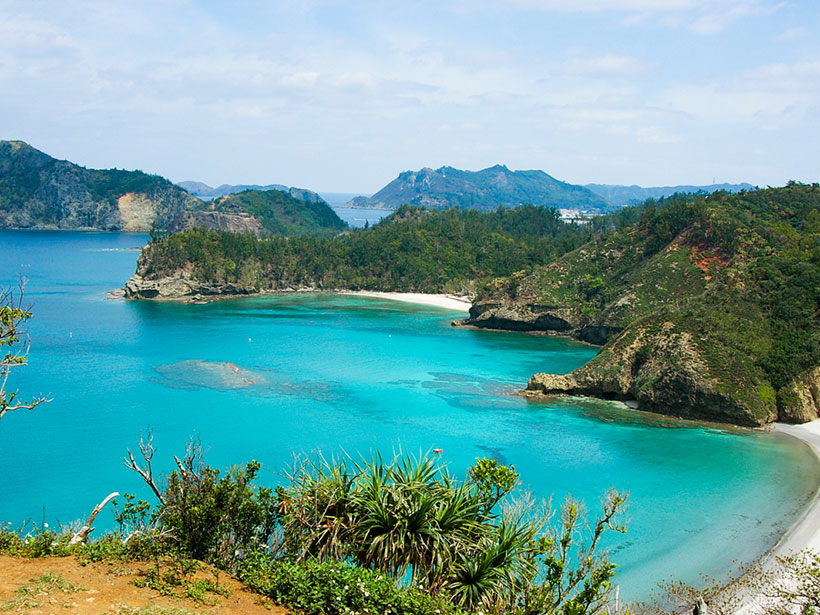
First Report of Seismicity That Initiated in the Lower Mantle
A 4D back-projection method revealed that aftershocks of the 2015 earthquake beneath the Ogasawara (Bonin) Islands occurred as deep as about 750 kilometers.