
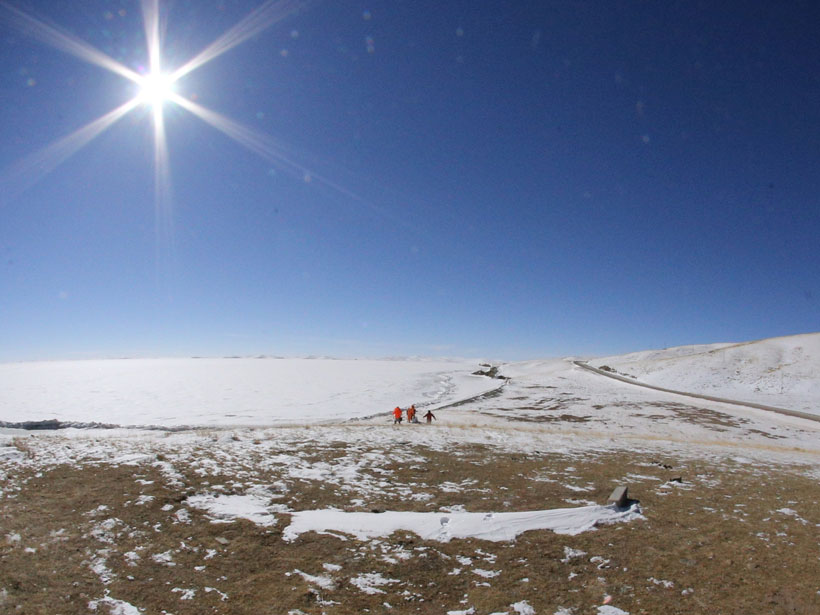

作为世界上海拔最高的高原,青藏高原上的淡水湖就像透镜一样,吸收来自强烈太阳辐射的热量,加速冰盖融化,影响陆地-大气通量。
lakes
Posted inResearch Spotlights
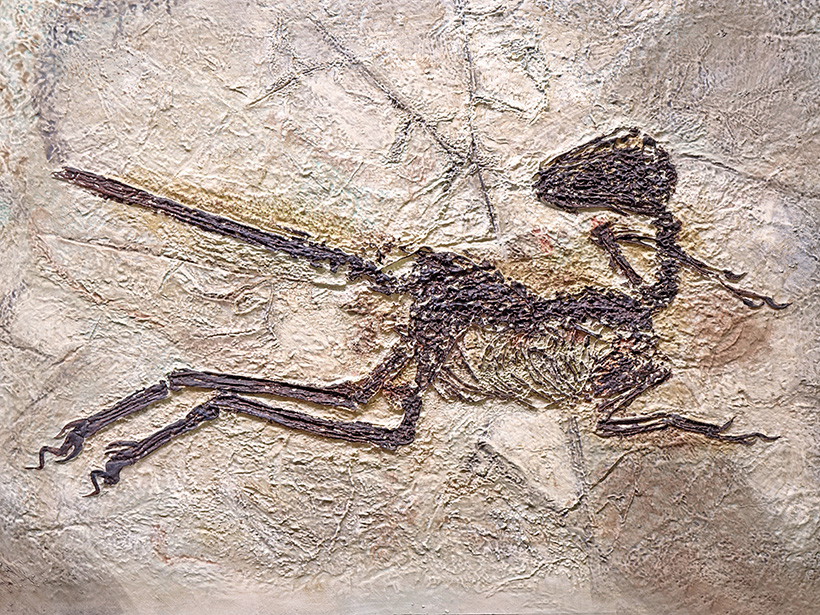
Cool Oasis for Cretaceous Feathered Dinosaurs
A new study found that the Jehol Biota had chilly temperatures and high altitudes when feathered dinosaurs roamed the slopes.

Posted inResearch Spotlights
Tibetan Plateau Lakes as Heat Flux Hot Spots
Freshwater lakes on the highest plateau in the world act like lenses that accumulate heat from the intense solar radiation, accelerating ice cover melt and affecting land-atmosphere fluxes.

Posted inNews
Forecasters Navigate a Highway to Success Around Lake Victoria
An early-warning system establishes international networks to help communities manage severe weather on Africa’s largest lake.
Posted inResearch Spotlights
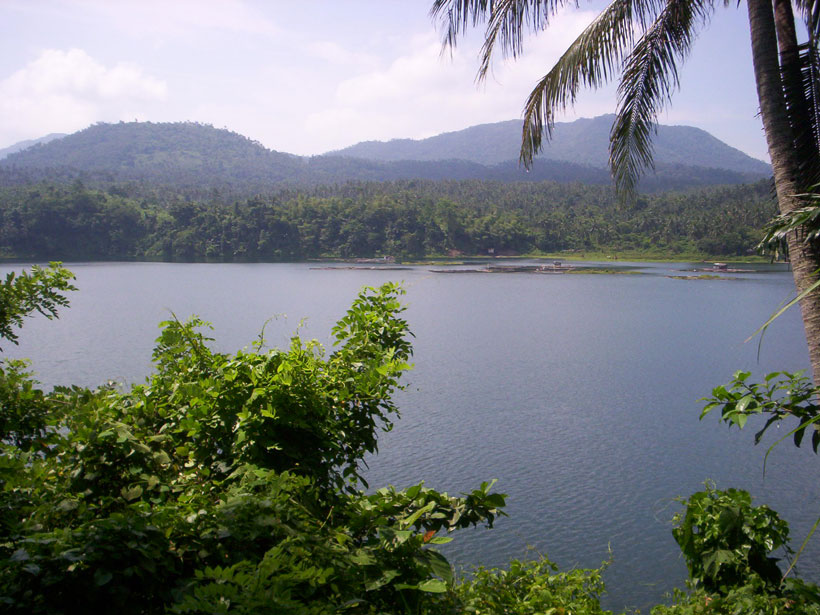
Tropical Lakes May Emit More Methane
Fresh waters are one of the primary sources of natural methane emissions, but methane dynamics in tropical lakes are not as well understood as those in more temperate regions.

Posted inNews
Ancient, Acidic Lakes May Have Harbored Life
A new analysis of South African sediments hints that acidic lakes may have leached minerals necessary for biotic life.
Posted inEditors' Highlights
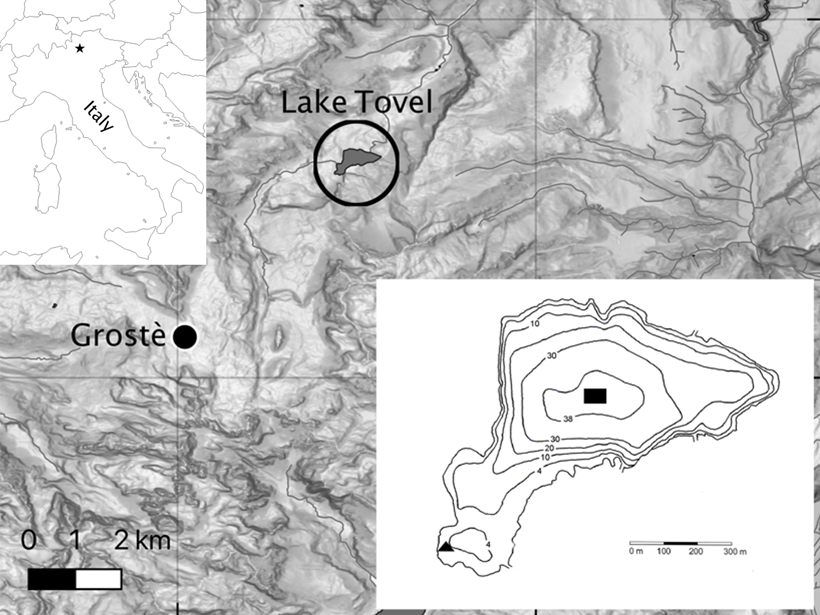
Climate Warming Improves Oxygen Mixing in a High-Altitude Lake
Long term weather and lake data from a high elevation lake in the Alps demonstrate that climate warming may actually improve the ability of high-altitude deep lakes to mix their waters.
Posted inResearch Spotlights
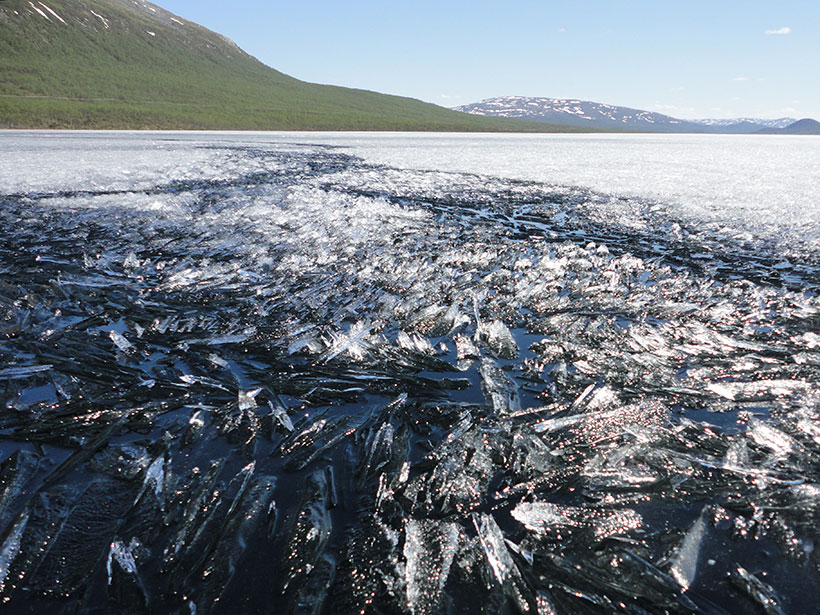
Lake Ice—and Ecosystems—in a Warming World

Extending ice records and standardizing sampling protocols are among recommendations to help researchers better predict how changing ice cover will affect aquatic ecosystems.
Posted inResearch Spotlights
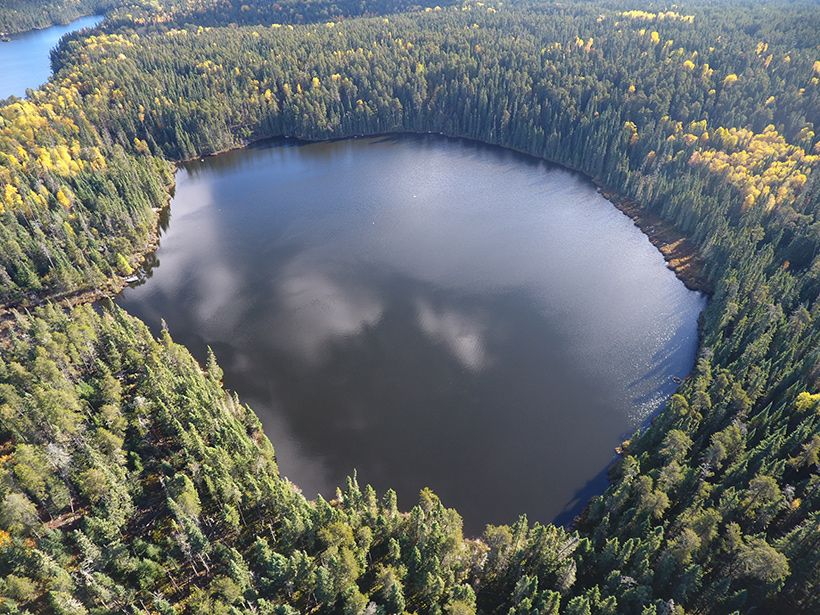
The Lasting Legacy of Phosphorus Buried in Lakes
Research at an experimental lake suggests that phosphorus inputs from runoff may affect the health of aquatic ecosystems long after external additions of the nutrient are reduced.

Posted inResearch Spotlights
Traduciendo Modelos Climáticos al Lenguaje de Datos Paleoclimáticos

Un nuevo modelo permitirá a los modelos climáticos interpretar mejor las reconstrucciones paleoclimáticas derivadas de sedimentos de lagos y podrá mejorar las predicciones de las condiciones climáticas futuras.