• About
  • Special Reports
  • Topics
    • Climate
    • Earth Science
    • Oceans
    • Space & Planets
    • Health & Ecosystems
    • Culture & Policy
    • Education & Careers
    • Opinions
  • Projects
    • Postcards From the Field
    • ENGAGE
    • Editors’ Highlights
    • Editors’ Vox
    • Eos en Español
    • Eos 简体中文版
    • Print Archive: 2015–2025
  • Policy Tracker
  • Blogs
    • Research & Developments
    • The Landslide Blog
  • Newsletter
  • Submit to Eos
  • AGU.org
  • Career Center
  • Join AGU
  • Give to AGU
  • About
  • Special Reports
  • Topics
    • Climate
    • Earth Science
    • Oceans
    • Space & Planets
    • Health & Ecosystems
    • Culture & Policy
    • Education & Careers
    • Opinions
  • Projects
    • Postcards From the Field
    • ENGAGE
    • Editors’ Highlights
    • Editors’ Vox
    • Eos en Español
    • Eos 简体中文版
    • Print Archive: 2015–2025
  • Policy Tracker
  • Blogs
    • Research & Developments
    • The Landslide Blog
  • Newsletter
  • Submit to Eos
Skip to content
  • AGU.org
  • Career Center
  • Join AGU
  • Give to AGU
Eos

Eos

Science News by AGU

Support Eos
Sign Up for Newsletter
  • About
  • Special Reports
  • Topics
    • Climate
    • Earth Science
    • Oceans
    • Space & Planets
    • Health & Ecosystems
    • Culture & Policy
    • Education & Careers
    • Opinions
  • Projects
    • Postcards From the Field
    • ENGAGE
    • Editors’ Highlights
    • Editors’ Vox
    • Eos en Español
    • Eos 简体中文版
    • Print Archive: 2015–2025
  • Policy Tracker
  • Blogs
    • Research & Developments
    • The Landslide Blog
  • Newsletter
  • Submit to Eos

lists!

Drone in an acid lake.
Posted inFeatures

Thirteen Innovative Ways Humans Use Drones

JoAnna Wendel, freelance science writer and illustrator by JoAnna Wendel 11 October 201711 January 2022

From the bottom of acid lakes to up in the sky, autonomous vehicles are changing the way scientists view and study Earth.
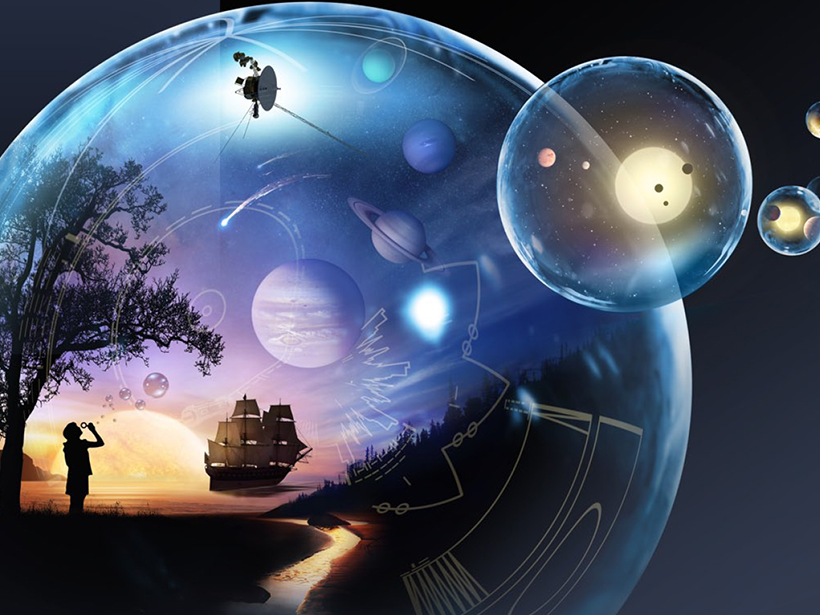
World Space Week: Voyager journey through solar bubble
Posted inFeatures

Ten New Frontiers in the Solar System and Beyond

JoAnna Wendel, freelance science writer and illustratorKimberly M. S. Cartier, News Writing and Production Intern for Eos.org by JoAnna Wendel and Kimberly M. S. Cartier 6 October 201724 October 2022

Humanity’s reach has extended from the surface of Earth to the very edge of our solar system, even to exoplanets far into space. What’s next in our journey into the unknown?
Posted inEditors' Vox

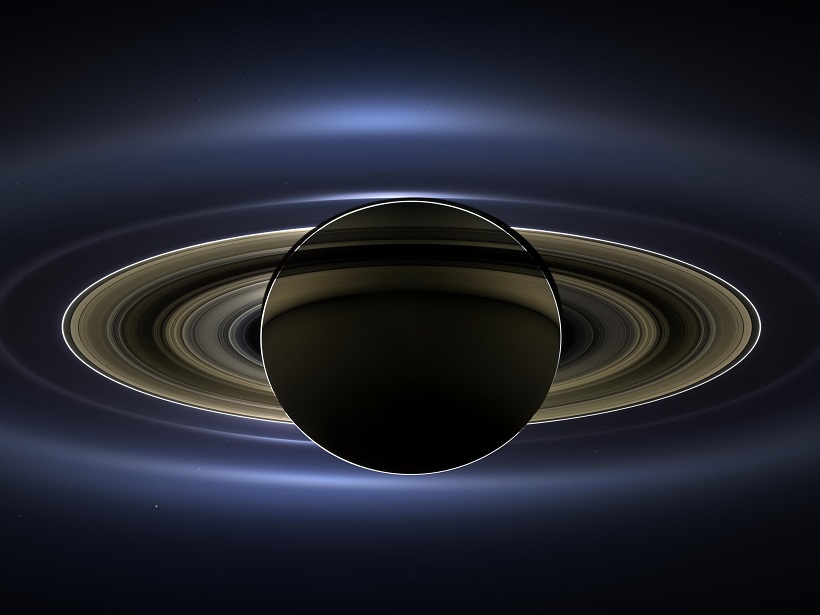
Cassini’s Legacy in Print

by Jenny Lunn, Michael W. Liemohn, Mark Moldwin and E. P. Turtle 20 September 201717 February 2023

With over 750 papers published in AGU journals based on Cassini-Huygens mission data, three editors select some of the most noteworthy.
Posted inOpinions

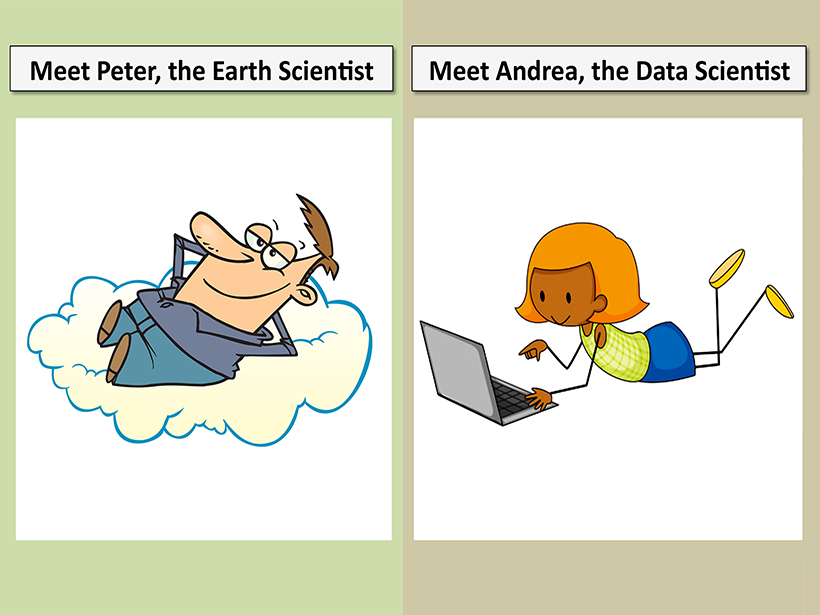
Three Steps to Successful Collaboration with Data Scientists

by I. Ebert-Uphoff and Y. Deng 30 August 20177 October 2022

A step-by-step cartoon guide to efficient, effective collaboration between Earth scientists and data scientists.
Posted inFeatures

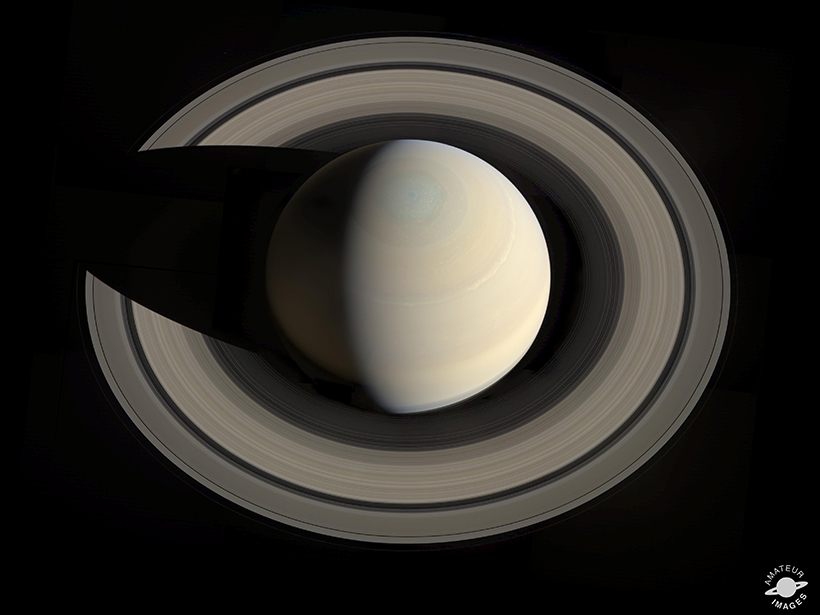
Saturn Unveiled: Ten Notable Findings from Cassini-Huygens

JoAnna Wendel, freelance science writer and illustrator by JoAnna Wendel 19 July 20177 March 2022

The soon-to-end NASA mission to Saturn changed the way we think of habitability beyond Earth, opened our eyes to dynamics in the gas giant’s atmosphere, and more.
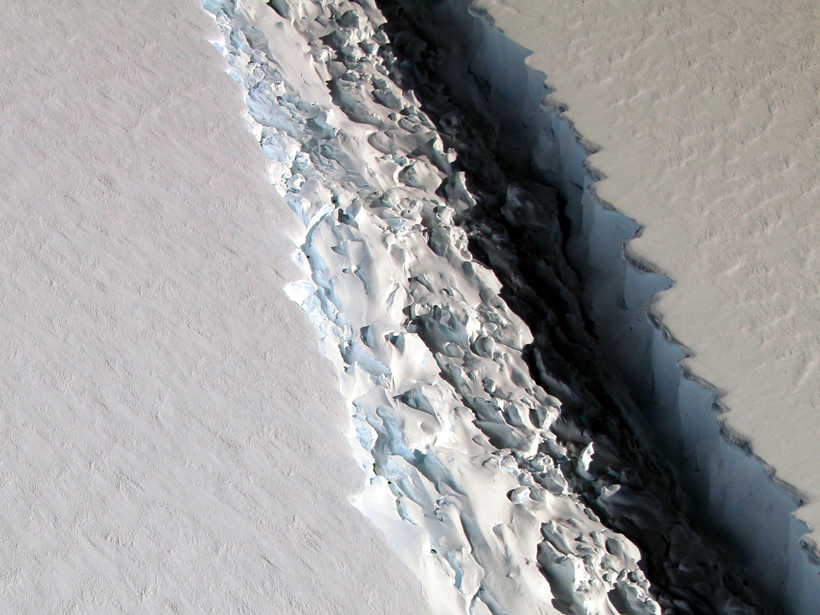
A closeup of a rift in the Larsen C ice sheet in 2016.
Posted inNews

Six Points of Perspective on Larsen C’s Huge New Iceberg

JoAnna Wendel, freelance science writer and illustratorMohi Kumar headshot by JoAnna Wendel and M. Kumar 12 July 201717 March 2023

A Delaware-sized slab of ice just broke off Antarctica. Now what?

March for Science logo.
Posted inAGU News

Eight Ways to Get Ready for the March for Science

Chris McEntee, executive director and CEO of AGU by Chris McEntee 7 April 201718 April 2023

From sending RSVPs to quickly ordering an event T-shirt to finding out about our premarch gathering, AGU members and their families and friends can take steps now to prepare for the 22 April march.

Glacier melting off the coast of Greenland.
Posted inEditors' Vox

Responding to Climate Change Deniers with Simple Facts and Logic

by Dork Sahagian 30 March 201721 February 2023

A sequence of five questions and answers that can be used by scientists to communicate some simple concepts of climate change to broader audiences.

AGU honors program logo
Posted inAGU News

Getting to Fair: Recognizing Implicit Bias and Easing Its Impact

by M. A. Holmes, S. Mukasa and D. Schwert 8 March 20173 November 2022

Six tactics given below can counteract unconscious biases that unbeknownst to us, influence decisions such as whom we nominate and choose for honors and recognition.

Artist’s representation of TRAPPIST-1 planet surface view.
Posted inNews

Seven Earth-Sized Planets Seen Whizzing Around One Cool Star

JoAnna Wendel, freelance science writer and illustrator by JoAnna Wendel 22 February 201724 October 2022

Although all the exoplanets orbit closer than Mercury does to our Sun, liquid water may persist on some of them because their star radiates so little heat.

Posts pagination

Newer posts 1 … 7 8 9 10 11 Older posts
Over a dark blue-green square appear the words Special Report: The State of the Science 1 Year On.

Features from AGU Publications

Research Spotlights

Making a Map to Make a Difference

11 February 202611 February 2026
Editors' Highlights

A New Way to Measure Quartz Strength at High Pressure

13 February 202612 February 2026
Editors' Vox

A Double-Edged Sword: The Global Oxychlorine Cycle on Mars

10 February 202610 February 2026
Eos logo at left; AGU logo at right

About Eos
ENGAGE
Awards
Contact

Advertise
Submit
Career Center
Sitemap

© 2026 American Geophysical Union. All rights reserved Powered by Newspack