• About
  • Sections
  • Topics
    • Climate
    • Earth Science
    • Oceans
    • Space & Planets
    • Health & Ecosystems
    • Culture & Policy
    • Education & Careers
    • Opinions
  • Projects
    • ENGAGE
    • Editors’ Highlights
    • Editors’ Vox
    • Eos en Español
    • Eos 简体中文版
    • Print Archive
  • Science Policy Tracker
  • Blogs
    • Research & Developments
    • The Landslide Blog
  • Newsletter
  • Submit to Eos
  • AGU.org
  • Career Center
  • Join AGU
  • Give to AGU
  • About
  • Sections
  • Topics
    • Climate
    • Earth Science
    • Oceans
    • Space & Planets
    • Health & Ecosystems
    • Culture & Policy
    • Education & Careers
    • Opinions
  • Projects
    • ENGAGE
    • Editors’ Highlights
    • Editors’ Vox
    • Eos en Español
    • Eos 简体中文版
    • Print Archive
  • Science Policy Tracker
  • Blogs
    • Research & Developments
    • The Landslide Blog
  • Newsletter
  • Submit to Eos
Skip to content
  • AGU.org
  • Career Center
  • Join AGU
  • Give to AGU
Eos

Eos

Science News by AGU

Support Eos
Sign Up for Newsletter
  • About
  • Sections
  • Topics
    • Climate
    • Earth Science
    • Oceans
    • Space & Planets
    • Health & Ecosystems
    • Culture & Policy
    • Education & Careers
    • Opinions
  • Projects
    • ENGAGE
    • Editors’ Highlights
    • Editors’ Vox
    • Eos en Español
    • Eos 简体中文版
    • Print Archive
  • Science Policy Tracker
  • Blogs
    • Research & Developments
    • The Landslide Blog
  • Newsletter
  • Submit to Eos

oil & gas

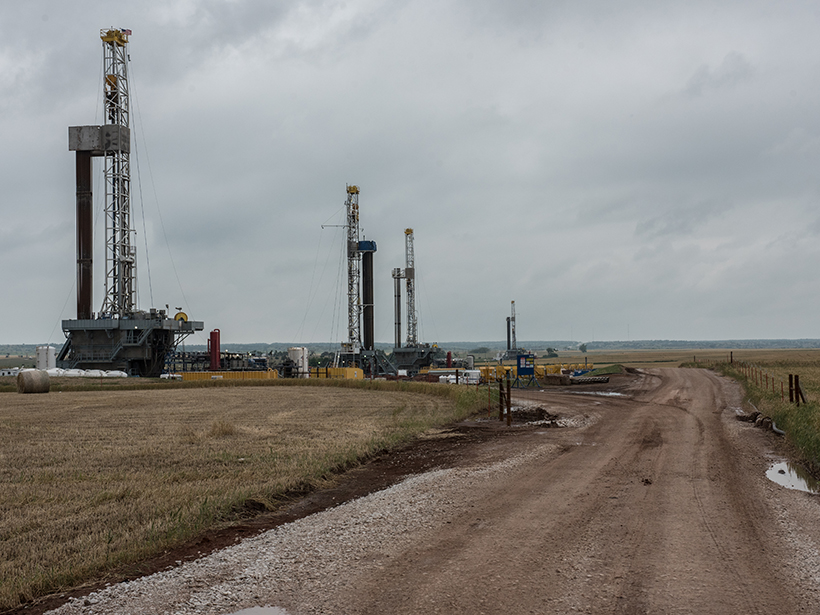
Photo of fracking rigs along a dirt road
Posted inNews

Sinking Wastewater Triggers Deeper, Stronger Earthquakes

Mary Caperton Morton, Science Writer by Mary Caperton Morton 16 August 201916 February 2022

The effects of pumping wastewater from oil and gas extractions may last a decade or more after the injections stop.

Drone photo of a shoal in the Turks and Caicos Islands
Posted inResearch Spotlights

Old Idea Spurs New Research into Origins of Carbonate Mudstones

Aaron Sidder, freelance science writer by Aaron Sidder 12 April 201926 October 2022

Using modern techniques, scientists tested an old hypothesis about carbonate mud production to shift the thinking about rocks that are used as seawater archives and a source of petroleum.
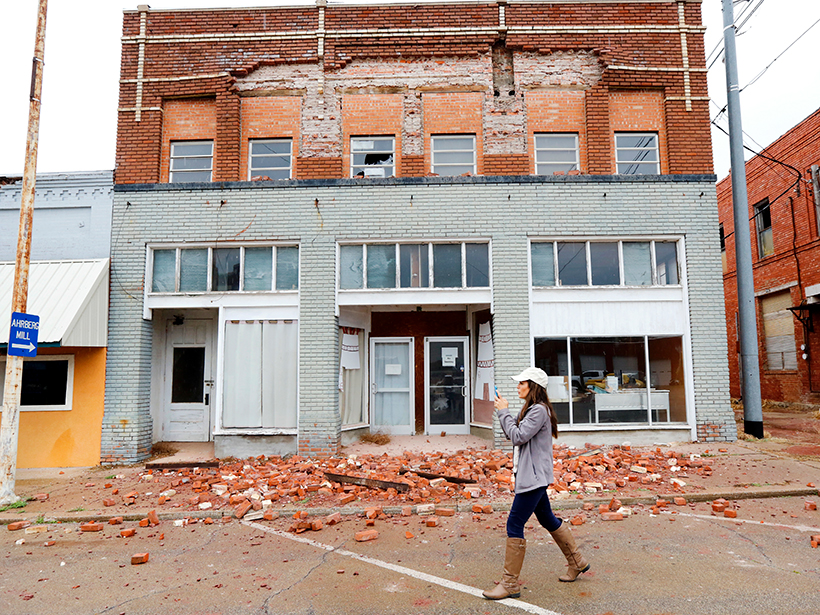
A woman walks past debris from a building damaged by an earthquake in Oklahoma
Posted inResearch Spotlights

Forecasting Seismicity from Wastewater Disposal in Oklahoma

by Terri Cook 8 March 20195 December 2022

Mandated wastewater injection reductions in effect since 2016 are inadequate for preventing future, large-magnitude earthquakes in the state, according to a new induced seismicity model.
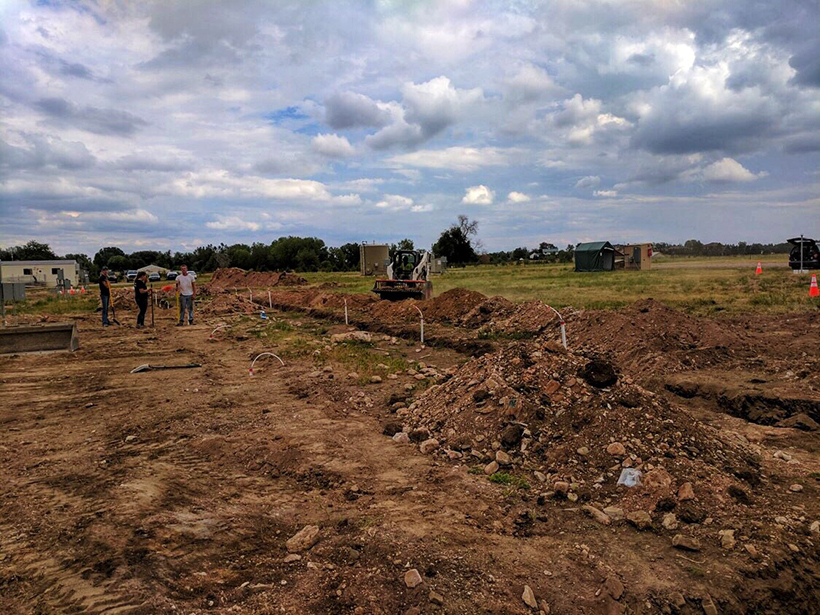
Researchers backfill testbed trenches with natural soil at METEC in Fort Collins, Colo.
Posted inNews

Detecting Fugitive Methane Leaks for Public Safety

by K. Brown 14 January 20192 November 2021

A holistic approach to tracking leaks from natural gas pipelines could prevent explosions and also help reduce greenhouse gases in the atmosphere.
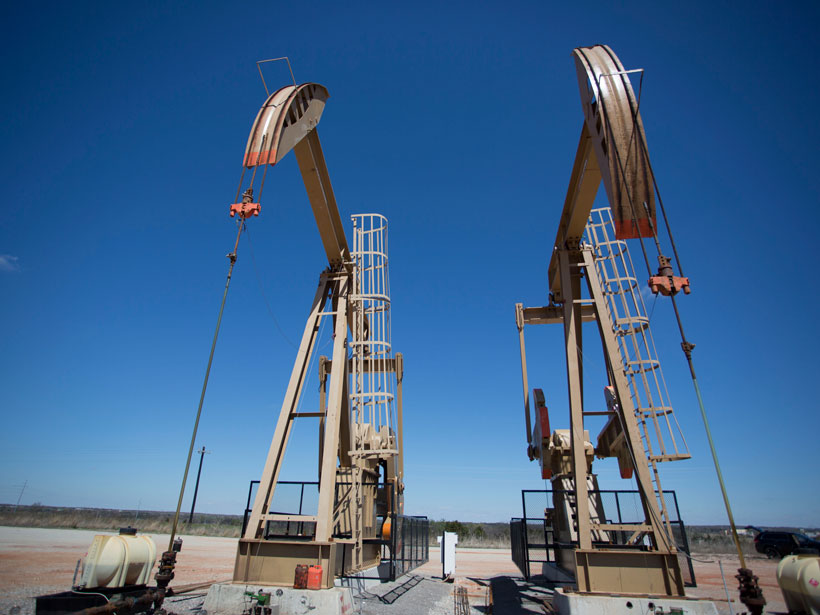
Pump jacks in Oklahoma extracting oil
Posted inNews

Catching Oklahoma’s Tiny Tremors in the Act

by E. Frederick 21 December 20185 January 2022

Scientists map thousands of microearthquakes in Oklahoma to take a closer look at the seismic effects of wastewater injection following oil and gas operations.

Posted inNews

Groups Gear Up to Fight Oil and Gas Development in Arctic Refuge

by Randy Showstack 28 November 201827 March 2023

With Democrats controlling the House of Representatives beginning in January, advocates see an opportunity to try to protect the Arctic National Wildlife Refuge from oil and gas development.

Petroleum Engineering: Principles, Calculations, and Workflows
Posted inEditors' Vox

Integrated Workflow Approach for Petroleum Engineering Problems

by M. Sanni 24 October 20188 November 2021

The author of a new book describes the challenges faced in making calculations for hydrocarbon exploration and extraction and how an integrated workflow approach can reduce uncertainties.

Quantifying Uncertainty in Subsurface Systems ISBN: 978-1-119-32586-4
Posted inEditors' Vox

Quantifying Uncertainty About Earth’s Resources

by J. K. Caers 6 June 20188 November 2021

A new book explores how uncertainty quantification can enable optimal decisions in the exploration, appraisal, and development of subsurface resources.

Posted inResearch Spotlights

What Shaped the Northern Apennine Deformation Front?

by Terri Cook 18 May 20188 November 2021

An integrated interpretation of well and seismic reflection data from Italy’s Po Valley shows the range’s undulations are controlled by the slope and composition of two major gliding horizons.

Posted inEditors' Highlights

Drones Hunt for Impacts of Oil Exploration on Wetland Emissions

by Ankur R. Desai 19 April 201811 January 2022

Seismic lines, constructed for petroleum resource exploration, disturb Canadian peatlands, but how can we detect their impact on greenhouse gas budgets?

Posts pagination

Newer posts 1 … 4 5 6 7 8 … 10 Older posts
A view of a bridge, with the New Orleans skyline visible in the distance between the bridge and the water. A purple tint, a teal curved line representing a river, and the text “#AGU25 coverage from Eos” overlie the photo.

Features from AGU Publications

Research Spotlights

Watershed Sustainability Project Centers Place-Based Research

4 December 20254 December 2025
Editors' Highlights

Changes in Slab Dip Cause Rapid Changes in Plate Motion

4 December 20252 December 2025
Editors' Vox

Hydrothermal Circulation and Its Impact on the Earth System

3 December 20253 December 2025
Eos logo at left; AGU logo at right

About Eos
ENGAGE
Awards
Contact

Advertise
Submit
Career Center
Sitemap

© 2025 American Geophysical Union. All rights reserved Powered by Newspack