• About
  • Sections
  • Topics
    • Climate
    • Earth Science
    • Oceans
    • Space & Planets
    • Health & Ecosystems
    • Culture & Policy
    • Education & Careers
    • Opinions
  • Projects
    • ENGAGE
    • Editors’ Highlights
    • Editors’ Vox
    • Eos en Español
    • Eos 简体中文版
    • Print Archive
  • Science Policy Tracker
  • Blogs
    • Research & Developments
    • The Landslide Blog
  • Newsletter
  • Submit to Eos
  • AGU.org
  • Career Center
  • Join AGU
  • Give to AGU
  • About
  • Sections
  • Topics
    • Climate
    • Earth Science
    • Oceans
    • Space & Planets
    • Health & Ecosystems
    • Culture & Policy
    • Education & Careers
    • Opinions
  • Projects
    • ENGAGE
    • Editors’ Highlights
    • Editors’ Vox
    • Eos en Español
    • Eos 简体中文版
    • Print Archive
  • Science Policy Tracker
  • Blogs
    • Research & Developments
    • The Landslide Blog
  • Newsletter
  • Submit to Eos
Skip to content
  • AGU.org
  • Career Center
  • Join AGU
  • Give to AGU
Eos

Eos

Science News by AGU

Support Eos
Sign Up for Newsletter
  • About
  • Sections
  • Topics
    • Climate
    • Earth Science
    • Oceans
    • Space & Planets
    • Health & Ecosystems
    • Culture & Policy
    • Education & Careers
    • Opinions
  • Projects
    • ENGAGE
    • Editors’ Highlights
    • Editors’ Vox
    • Eos en Español
    • Eos 简体中文版
    • Print Archive
  • Science Policy Tracker
  • Blogs
    • Research & Developments
    • The Landslide Blog
  • Newsletter
  • Submit to Eos

Paris

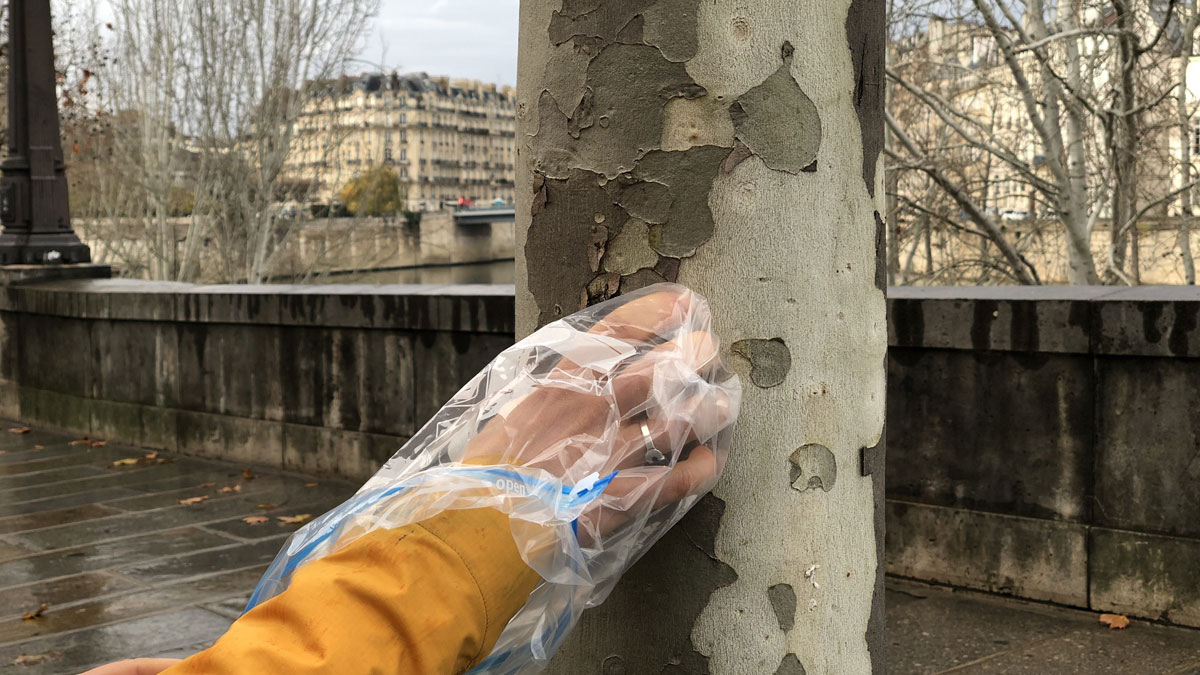
A hand inside a plastic bag pulls a small piece of bark off of a tree. The person is wearing a yellow sleeve. In the background are a river and a bridge.
Posted inResearch Spotlights

Volunteers Track Parisian Pollution with the Help of Tree Bark

Sarah Stanley, Science Writer by Sarah Stanley 9 September 20249 September 2024

Participants in the Ecorc’Air project are using magnetic particles deposited on tree bark to reveal local traffic pollution patterns.

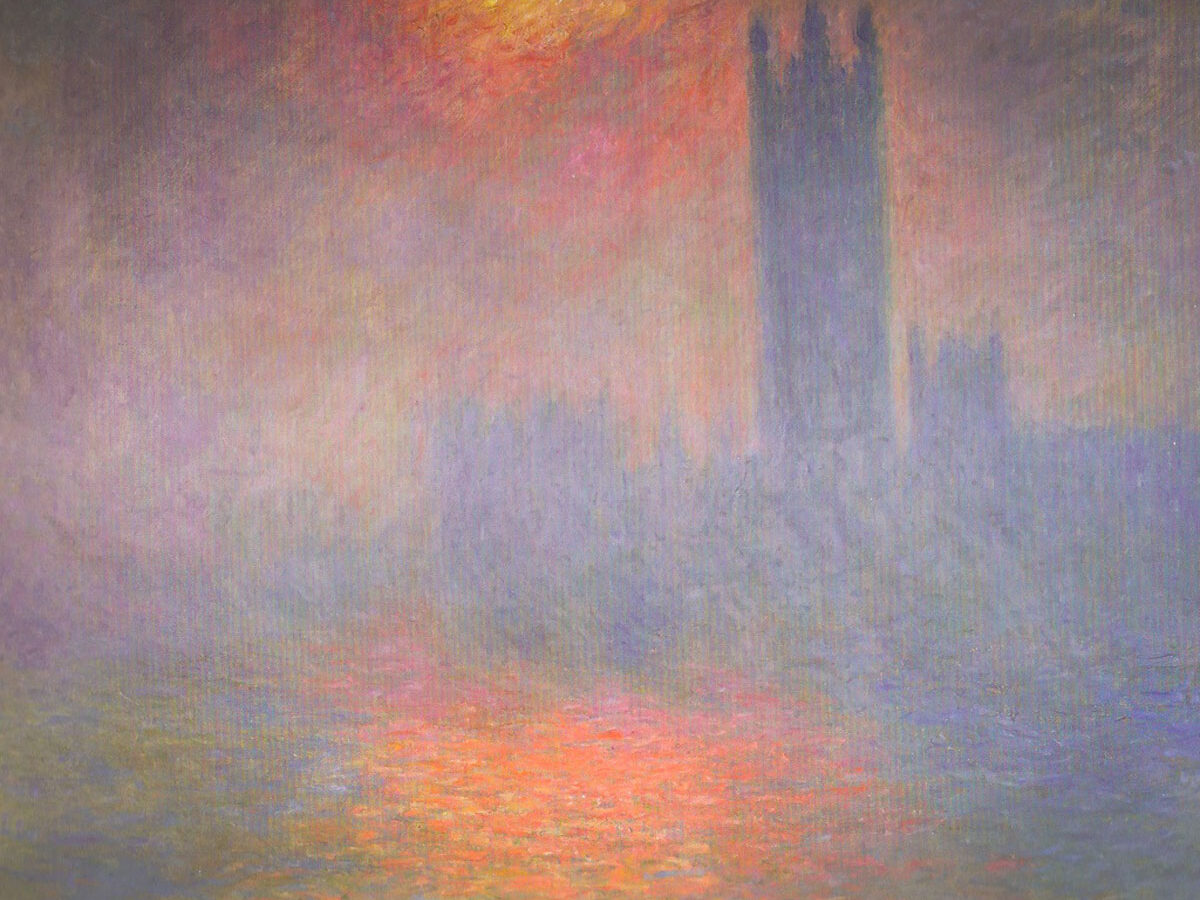
Claude Monet’s painting Houses of Parliament, Sunlight in the Fog (1904).
Posted inNews

¿Estaban los maestros impresionistas retratando una realidad contaminada?

by James Dacey 3 February 202322 March 2023

Análisis de imágenes sugiere que el estilo de los artistas evolucionó en sincronía con el incremento de la contaminación en el aire durante la Revolución Industrial.

Claude Monet’s painting Houses of Parliament, Sunlight in the Fog (1904).
Posted inNews

Were Impressionist Masters Painting a Polluted Reality?

by James Dacey 12 December 202222 March 2023

Image analysis suggests that artists’ styles evolved in sync with increasing air pollution during the Industrial Revolution.

A view of a bridge, with the New Orleans skyline visible in the distance between the bridge and the water. A purple tint, a teal curved line representing a river, and the text “#AGU25 coverage from Eos” overlie the photo.

Features from AGU Publications

Research Spotlights

Wintertime Spike in Oceanic Iron Levels Detected near Hawaii

11 December 202511 December 2025
Editors' Highlights

Frictional Properties of the Nankai Accretionary Prism

11 December 20259 December 2025
Editors' Vox

Hydrothermal Circulation and Its Impact on the Earth System

3 December 20253 December 2025
Eos logo at left; AGU logo at right

About Eos
ENGAGE
Awards
Contact

Advertise
Submit
Career Center
Sitemap

© 2025 American Geophysical Union. All rights reserved Powered by Newspack