The Intergovernmental Panel on Climate Change (IPCC), the United Nations body whose mission is to “provide governments at all levels with scientific information that they can use to develop climate policies” will likely update the emissions and land use scenarios used in the models it considers in its bellwether assessment reports.
Paris Agreement
The Past 3 Years Have Been the Three Hottest on Record
Extreme heat in 2023, 2024, and 2025 indicates a warming spike, a new analysis finds.
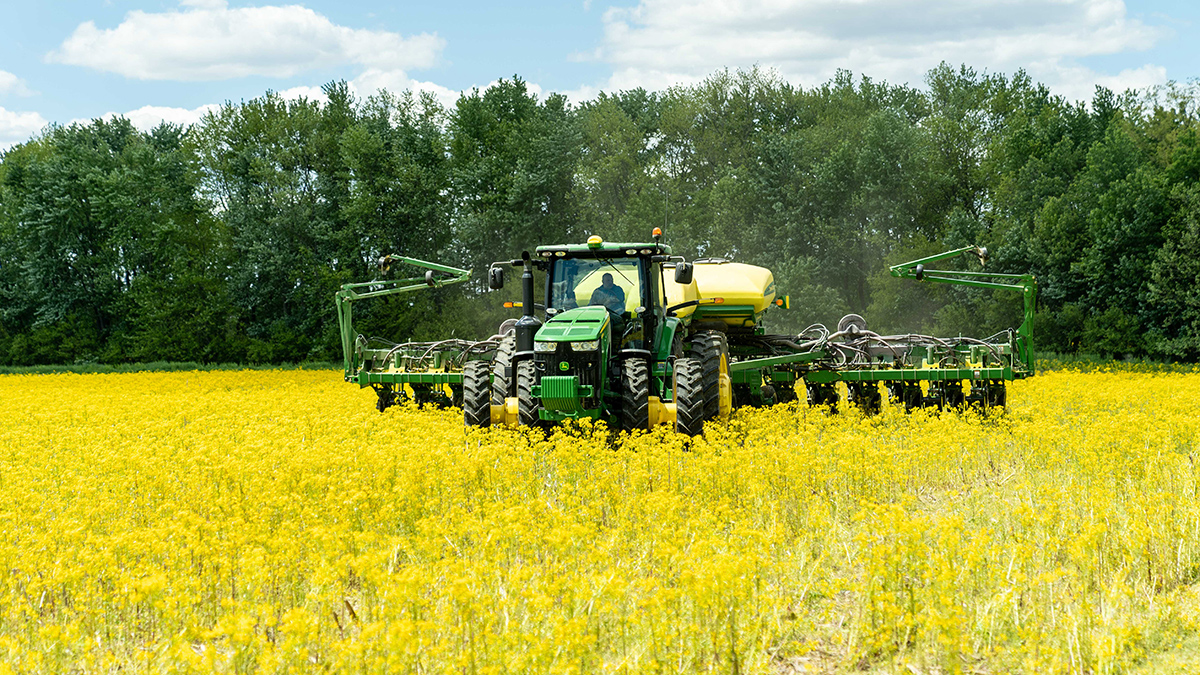
How Can We Tell If Climate-Smart Agriculture Stores Carbon?
Quantitative data at real-world scales are needed to assess the effects of cover cropping and other practices on soil carbon storage. Large-scale medical studies provide a proven methodology.
UN Emissions Gap Report: Despite Progress, World Still Far Behind Climate Targets
Current emissions trajectories are on track to warm the world by as much as 2.8°C (5.04°F) above preindustrial levels by 2100, according to a report released today by the United Nations Environment Programme (UNEP).
A Better Way to Monitor Greenhouse Gases
A unified, global observing system could more effectively monitor progress in reducing emissions and accelerate climate action through improved data and decision support.
Climate Change Could Slash Global GDP 24% By 2100
Unchecked greenhouse gas emissions could cause the world’s income to fall by nearly a quarter within the century, projects a new study published in PLOS Climate.
We’re About to Reach the Paris Agreement Limit, If We Haven’t Already
Earth has probably already entered the 20-year period in which global temperatures will be, on average, 1.5°C (2.7°F) higher than preindustrial conditions.
“Exceptional” Global Warming Spike Continued in 2024
More than 3 billion people experienced their hottest year ever in 2024 because of anthropogenic climate change. The world is speeding toward its 1.5°C warming target.
Scientists Present Europe’s New Greenhouse Gas Budget
The greenhouse gas budget developed for Europe highlights carbon sources and sinks across the continent and will serve as a baseline for years to come.