
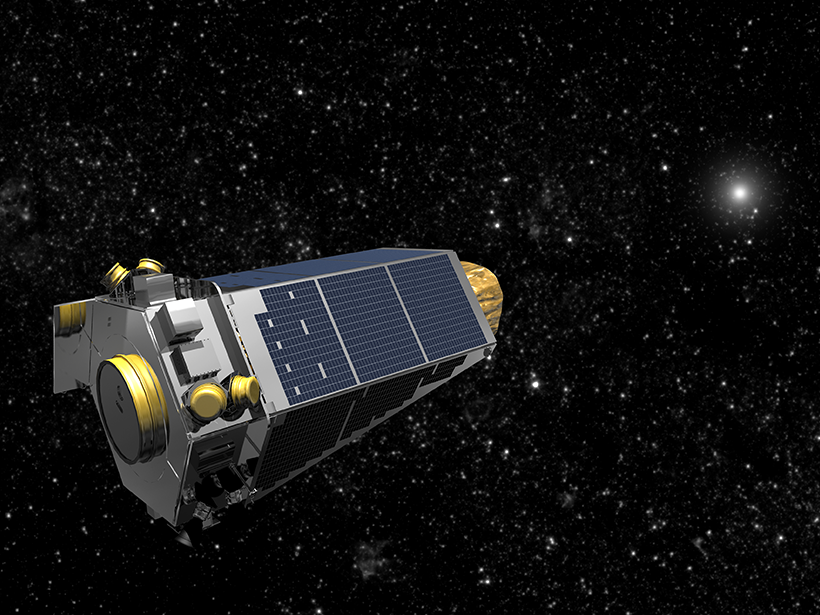

About 550 of the planets could be rocky like the Earth, and nine of the planets orbit within their star's habitable zone.
planetary evolution

Posted inResearch Spotlights
Becoming Habitable in the Habitable Zone

Scientists explore how interactions between a rocky planet's climate, mantle, and core can affect its evolution and determine whether it could sustain life.

Posted inNews
Space Telescope Findings Suggest Molten Planetary Surface

Researchers studying the super-Earth 55 Cancri e spotted some puzzling features that provide a new vision of the orb's surface.

Posted inEditors' Vox
Understanding the Formation and Primordial Evolution of the Earth
The processes that formed the infant Earth set the stage for its subsequent evolution into the dynamic and habitable planet we know today.
Posted inResearch Spotlights
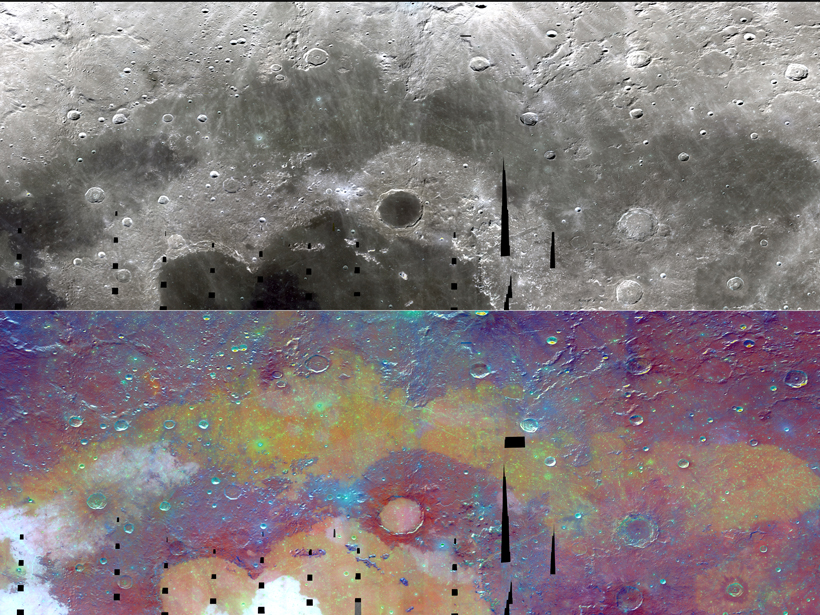
Satellites Reveal the History of the Moon's "Frigid Sea"

The history of aluminum-rich basalts in Mare Frigoris may help scientists better understand the evolution of the lunar mantle.

Posted inNews
World Without Time
On New Year's Day 2019, a spacecraft known for its historic flyby of Pluto will take an unprecedented look into the distant past by flying right up to a frozen remnant of the original solar system.

Posted inNews
Exoplanets: First Baby Pictures Unveiled
New observations of stars hundreds of light-years from Earth reveal evidence of planets still surrounded by disks of the primordial materials they grow from.

Posted inNews
Earth's Water Came from Space Dust During Planetary Formation

A new analysis of lava from the deep mantle indicates that water-soaked dust particles, rather than a barrage of icy comets, asteroids, or other bodies, delivered water to the newly forming Earth.

Posted inNews
Dawn Spacecraft Enters into Orbit Around Dwarf Planet Ceres
A 16-month investigation of the dwarf planet Ceres could reveal a lot about the most massive body in the asteroid belt and could advance our understanding of the formation of terrestrial planets.

Posted inResearch Spotlights
"Knobby Terrain" a Sign of Mars's Explosive Past
Newly identified knobby terrain related to ancient volcanoes on Mars hint that pyroclastic ash and rock flowed down slopes early in the red planet's history.