• About
  • Special Reports
  • Topics
    • Climate
    • Earth Science
    • Oceans
    • Space & Planets
    • Health & Ecosystems
    • Culture & Policy
    • Education & Careers
    • Opinions
  • Projects
    • Postcards From the Field
    • ENGAGE
    • Editors’ Highlights
    • Editors’ Vox
    • Eos en Español
    • Eos 简体中文版
    • Print Archive: 2015–2025
  • Policy Tracker
  • Blogs
    • Research & Developments
    • The Landslide Blog
  • Newsletter
  • Submit to Eos
  • AGU.org
  • Career Center
  • Join AGU
  • Give to AGU
  • About
  • Special Reports
  • Topics
    • Climate
    • Earth Science
    • Oceans
    • Space & Planets
    • Health & Ecosystems
    • Culture & Policy
    • Education & Careers
    • Opinions
  • Projects
    • Postcards From the Field
    • ENGAGE
    • Editors’ Highlights
    • Editors’ Vox
    • Eos en Español
    • Eos 简体中文版
    • Print Archive: 2015–2025
  • Policy Tracker
  • Blogs
    • Research & Developments
    • The Landslide Blog
  • Newsletter
  • Submit to Eos
Skip to content
  • AGU.org
  • Career Center
  • Join AGU
  • Give to AGU
Eos

Eos

Science News by AGU

Support Eos
Sign Up for Newsletter
  • About
  • Special Reports
  • Topics
    • Climate
    • Earth Science
    • Oceans
    • Space & Planets
    • Health & Ecosystems
    • Culture & Policy
    • Education & Careers
    • Opinions
  • Projects
    • Postcards From the Field
    • ENGAGE
    • Editors’ Highlights
    • Editors’ Vox
    • Eos en Español
    • Eos 简体中文版
    • Print Archive: 2015–2025
  • Policy Tracker
  • Blogs
    • Research & Developments
    • The Landslide Blog
  • Newsletter
  • Submit to Eos

plankton

Posted inResearch Spotlights

How Oceans Could Change If We Reverse Anthropogenic Warming

by David Shultz 4 March 20167 March 2023

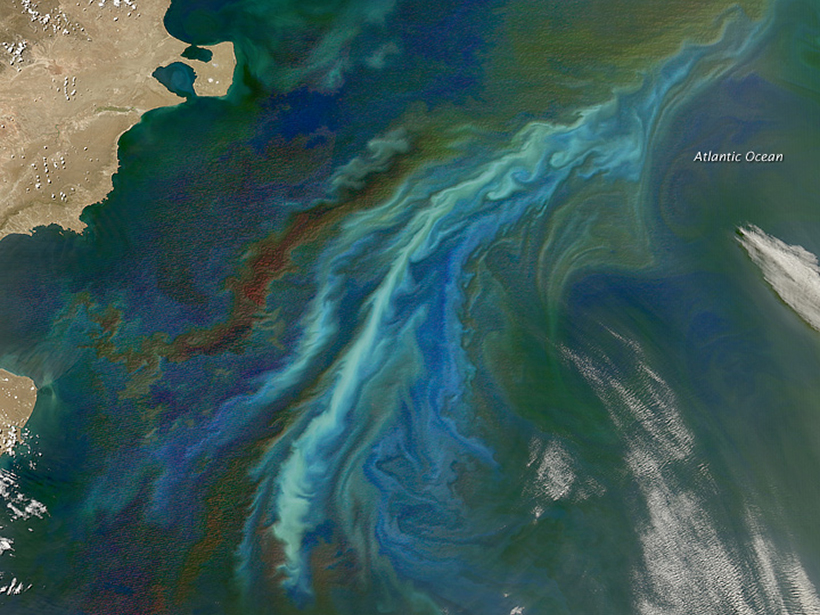
A computer simulation shows a net increase in primary production by phytoplankton if climate change were mitigated by 2200 but also indicates big changes in the makeup of those species.

Posted inResearch Spotlights

An Unprecedented View of Biogeochemistry off India's West Coast

Sarah Stanley, Science Writer by Sarah Stanley 25 February 20162 March 2023

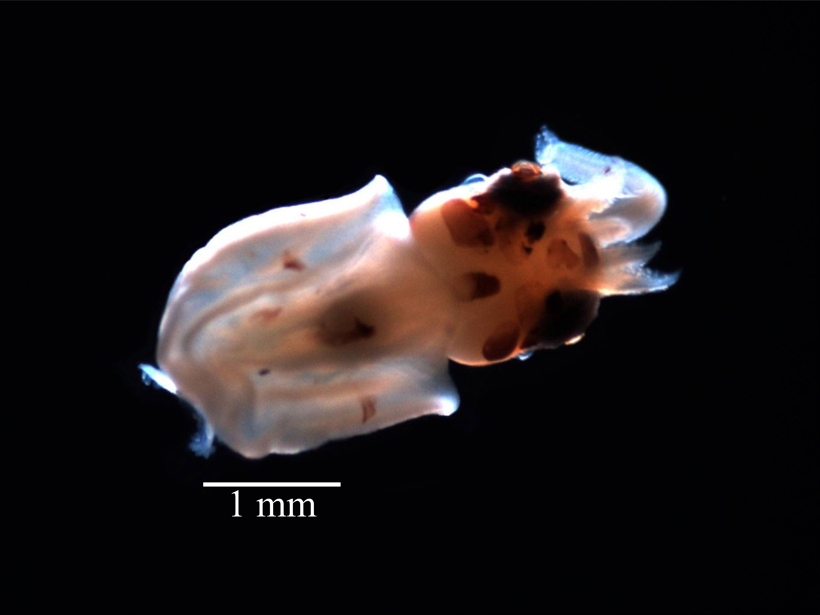
Yearlong study reveals seasonal changes in oxygen levels, nutrient availability, and plankton growth.

Posted inScience Updates

New Technology and Teamwork to Tackle Ocean Color Radiometry

by V. Stuart, S. Bernard and H. Dierssen 11 January 20167 February 2023

International Ocean Colour Science Meeting; San Francisco, California, 15–18 June 2015
Posted inNews

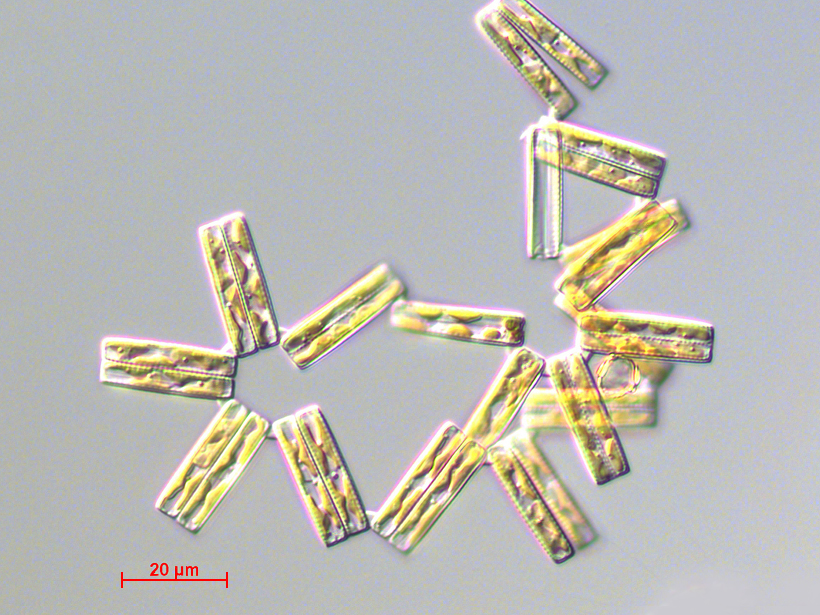
Plankton Reveal New Secrets About Ancient CO2 Levels

by N. Jacewicz 16 December 20154 May 2022

An analysis of phytoplankton shells doubles previous estimates of the amount of carbon dioxide in the atmosphere 11 million years ago.
Posted inResearch Spotlights

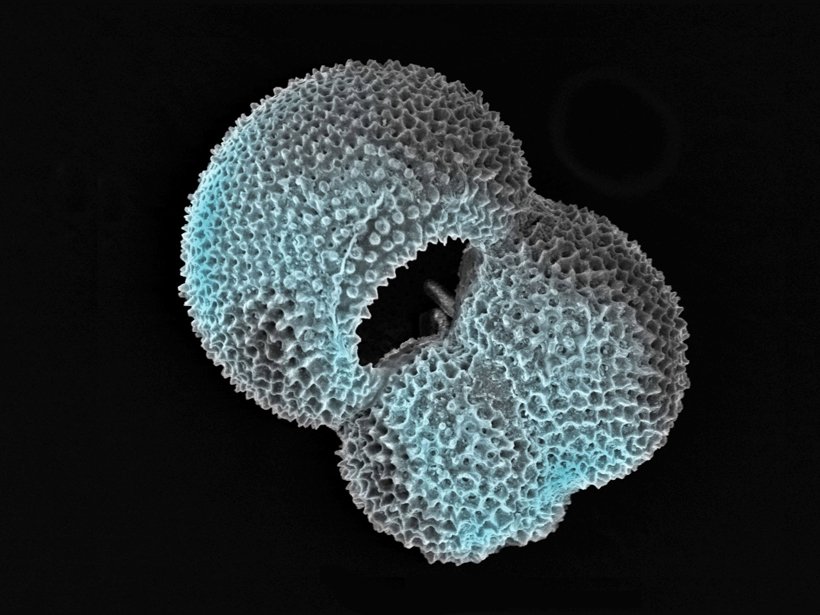
Correlating Monsoon Strength with Boron Isotopes

by C. Minnehan 19 October 20152 March 2023

Scientists tell the story of the past monsoon by measuring boron isotopes in organisms in the Arabian Sea.

Posted inResearch Spotlights

Hacking a Climate Satellite to See Beneath the Ocean's Surface

by E. Betz 27 May 20155 July 2022

When NASA launched its CALIPSO spacecraft, the space agency did not intend to estimate phytoplankton populations.

Posted inResearch Spotlights

Shooting Stars and Cosmic Dust Help Form Clouds, Fertilize Plankton

by E. Betz 5 March 20157 March 2022

Tons of cosmic dust enter Earth’s atmosphere each day, triggering a range of phenomena that scientists are only just beginning to understand.

Posted inResearch Spotlights

Circulation a Key Factor in Mediterranean Algal Growth

by J. Orwig 23 December 20146 June 2022

Scientists use satellite and robotic field data to study the environmental conditions driving phytoplankton blooms in the northwestern Mediterranean Sea.

Posts pagination

Newer posts 1 … 7 8 9
Over a dark blue-green square appear the words Special Report: The State of the Science 1 Year On.

Features from AGU Publications

Research Spotlights

Making a Map to Make a Difference

11 February 202611 February 2026
Editors' Highlights

Monitoring Ocean Color From Deep Space: A TEMPO Study

11 February 202610 February 2026
Editors' Vox

A Double-Edged Sword: The Global Oxychlorine Cycle on Mars

10 February 202610 February 2026
Eos logo at left; AGU logo at right

About Eos
ENGAGE
Awards
Contact

Advertise
Submit
Career Center
Sitemap

© 2026 American Geophysical Union. All rights reserved Powered by Newspack