• About
  • Special Reports
  • Topics
    • Climate
    • Earth Science
    • Oceans
    • Space & Planets
    • Health & Ecosystems
    • Culture & Policy
    • Education & Careers
    • Opinions
  • Projects
    • Postcards From the Field
    • ENGAGE
    • Editors’ Highlights
    • Editors’ Vox
    • Eos en Español
    • Eos 简体中文版
    • Print Archive: 2015–2025
  • Policy Tracker
  • Blogs
    • Research & Developments
    • The Landslide Blog
  • Newsletter
  • Submit to Eos
  • AGU.org
  • Career Center
  • Join AGU
  • Give to AGU
  • About
  • Special Reports
  • Topics
    • Climate
    • Earth Science
    • Oceans
    • Space & Planets
    • Health & Ecosystems
    • Culture & Policy
    • Education & Careers
    • Opinions
  • Projects
    • Postcards From the Field
    • ENGAGE
    • Editors’ Highlights
    • Editors’ Vox
    • Eos en Español
    • Eos 简体中文版
    • Print Archive: 2015–2025
  • Policy Tracker
  • Blogs
    • Research & Developments
    • The Landslide Blog
  • Newsletter
  • Submit to Eos
Skip to content
  • AGU.org
  • Career Center
  • Join AGU
  • Give to AGU
Eos

Eos

Science News by AGU

Support Eos
Sign Up for Newsletter
  • About
  • Special Reports
  • Topics
    • Climate
    • Earth Science
    • Oceans
    • Space & Planets
    • Health & Ecosystems
    • Culture & Policy
    • Education & Careers
    • Opinions
  • Projects
    • Postcards From the Field
    • ENGAGE
    • Editors’ Highlights
    • Editors’ Vox
    • Eos en Español
    • Eos 简体中文版
    • Print Archive: 2015–2025
  • Policy Tracker
  • Blogs
    • Research & Developments
    • The Landslide Blog
  • Newsletter
  • Submit to Eos

pollen

Close-up of a woman blowing her nose while standing in front of a field of flowers
Posted inScience Updates

Eyes in the Sky Improve Pollen Tracking

by G. R. Asrar, Y. Zhou, T. M. Crimmins and A. Sapkota 20 July 20207 February 2023

Physicians, public health officials, and experts in remote sensing and ecology recently met to identify ways that satellites, webcams, and crowdsourced science could help them manage asthma and allergies.

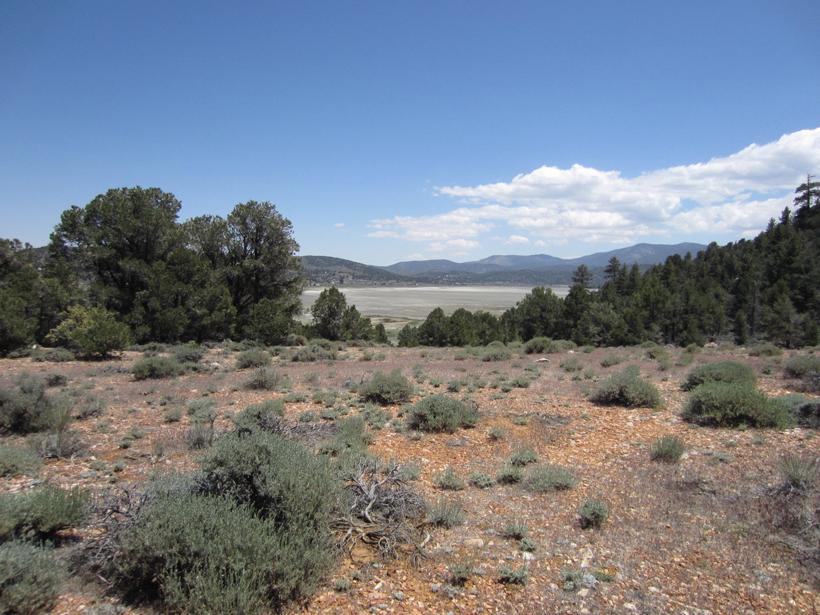
Pinyon pines and sagebrush above the basin of Baldwin Lake in the San Bernardino Mountains
Posted inResearch Spotlights

Southern California Climate Change over 100,000 Years

Kate Wheeling, freelance science writer by Kate Wheeling 11 February 20205 June 2023

Researchers used a sediment core from a lake in California’s San Bernardino Mountains to track the effect of climate on vegetation, fire, and erosion between about 120,000 and 15,000 years ago.
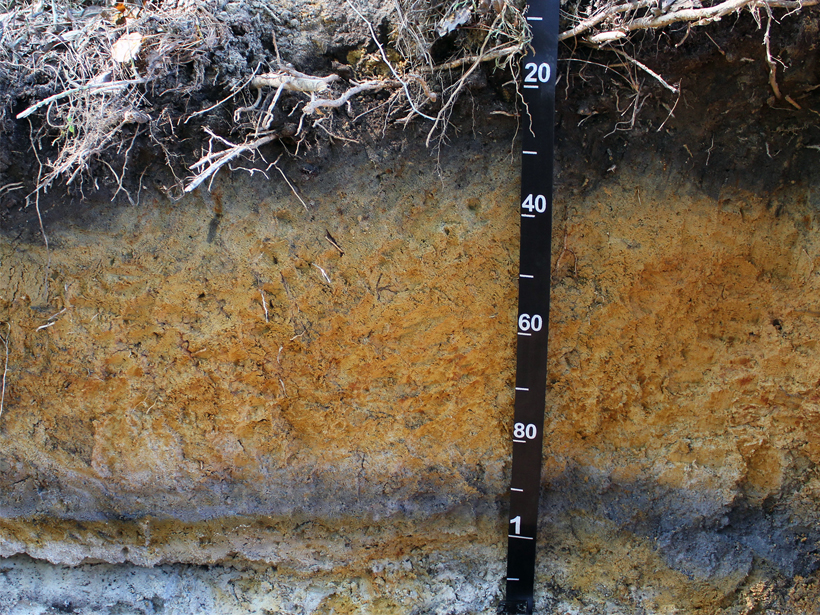
Brightly colored soil layers and a yardstick or ruler
Posted inNews

Looking for Prehistoric Pollen? Check the Floodplains

Mara Johnson-Groh, Science Writer by Mara Johnson-Groh 3 December 20197 February 2023

A new methodology calculates the soil properties most likely to preserve pollen.
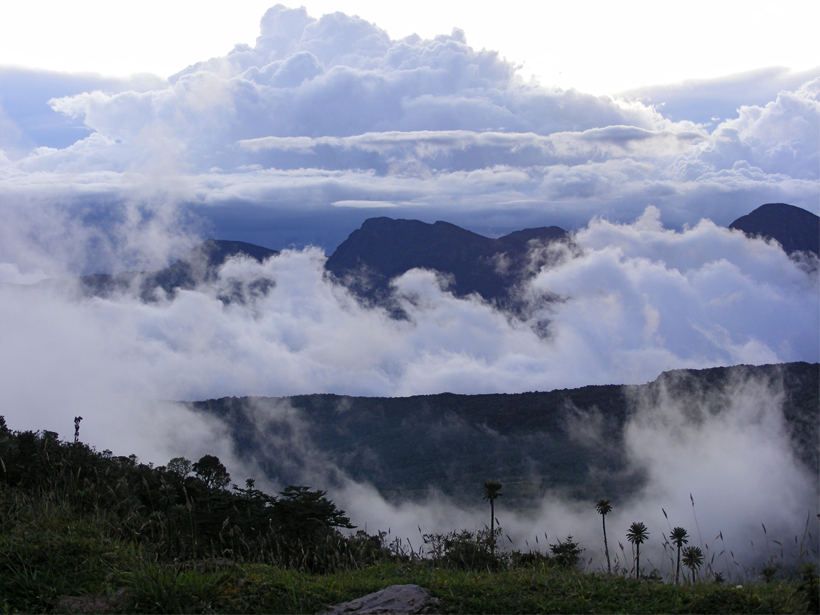
A photograph of an Andean páramo that is awash in clouds.
Posted inNews

The Flickering Sky Islands

Lucas Joel by L. Joel 2 August 20197 February 2023

In the Andes, islands in the sky flicker, and evolution kicks into high gear.

Sneezing person
Posted inNews

Google Trends Could Help Scientists Track Allergy Season

Jenessa Duncombe, Staff Writer by Jenessa Duncombe 13 December 20187 February 2023

Admit it: When your nose starts to run and your eyes itch, you search Google, too.

Posts pagination

Newer posts 1 2
Over a dark blue-green square appear the words Special Report: The State of the Science 1 Year On.

Features from AGU Publications

Research Spotlights

Drought Drove the Amazon’s 2023 Switch to a Carbon Source

25 February 202625 February 2026
Editors' Highlights

Satellite View of the California Wildfires of January 2025

27 February 202626 February 2026
Editors' Vox

A Double-Edged Sword: The Global Oxychlorine Cycle on Mars

10 February 202610 February 2026
Eos logo at left; AGU logo at right

About Eos
ENGAGE
Awards
Contact

Advertise
Submit
Career Center
Sitemap

© 2026 American Geophysical Union. All rights reserved Powered by Newspack