• About
  • Special Reports
  • Topics
    • Climate
    • Earth Science
    • Oceans
    • Space & Planets
    • Health & Ecosystems
    • Culture & Policy
    • Education & Careers
    • Opinions
  • Projects
    • Postcards From the Field
    • ENGAGE
    • Editors’ Highlights
    • Editors’ Vox
    • Eos en Español
    • Eos 简体中文版
    • Print Archive: 2015–2025
  • Policy Tracker
  • Blogs
    • Research & Developments
    • The Landslide Blog
  • Newsletter
  • Submit to Eos
  • AGU.org
  • Career Center
  • Join AGU
  • Give to AGU
  • About
  • Special Reports
  • Topics
    • Climate
    • Earth Science
    • Oceans
    • Space & Planets
    • Health & Ecosystems
    • Culture & Policy
    • Education & Careers
    • Opinions
  • Projects
    • Postcards From the Field
    • ENGAGE
    • Editors’ Highlights
    • Editors’ Vox
    • Eos en Español
    • Eos 简体中文版
    • Print Archive: 2015–2025
  • Policy Tracker
  • Blogs
    • Research & Developments
    • The Landslide Blog
  • Newsletter
  • Submit to Eos
Skip to content
  • AGU.org
  • Career Center
  • Join AGU
  • Give to AGU
Eos

Eos

Science News by AGU

Support Eos
Sign Up for Newsletter
  • About
  • Special Reports
  • Topics
    • Climate
    • Earth Science
    • Oceans
    • Space & Planets
    • Health & Ecosystems
    • Culture & Policy
    • Education & Careers
    • Opinions
  • Projects
    • Postcards From the Field
    • ENGAGE
    • Editors’ Highlights
    • Editors’ Vox
    • Eos en Español
    • Eos 简体中文版
    • Print Archive: 2015–2025
  • Policy Tracker
  • Blogs
    • Research & Developments
    • The Landslide Blog
  • Newsletter
  • Submit to Eos

risk perception

Popocatépetl erupts with wisps of volcanic gas, as seen from Puebla, Mexico.
Posted inFeatures

How Dangerous Is Mexico’s Popocatépetl? It Depends on Who You Ask

Katherine Kornei, Science Writer by Katherine Kornei 29 January 202425 April 2024

The stratovolcano in central Mexico presents a rich case study of risk perception, science communication, and preparedness surrounding natural hazards.
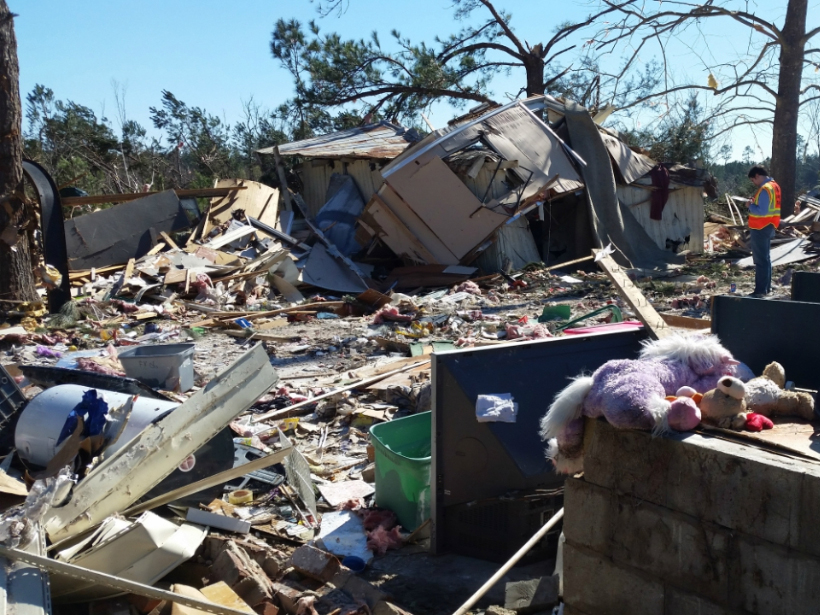
A mobile home park devastated by tornado damage
Posted inNews

Tornado Warnings Don’t Adequately Prepare Mobile Home Residents

by C. Crockett 15 May 20197 March 2024

A survey of the southeastern United States shows that nearly half of mobile home residents don’t know where to shelter during a tornado, and many aren’t getting the resources they need to survive one.
Posted inScience Updates

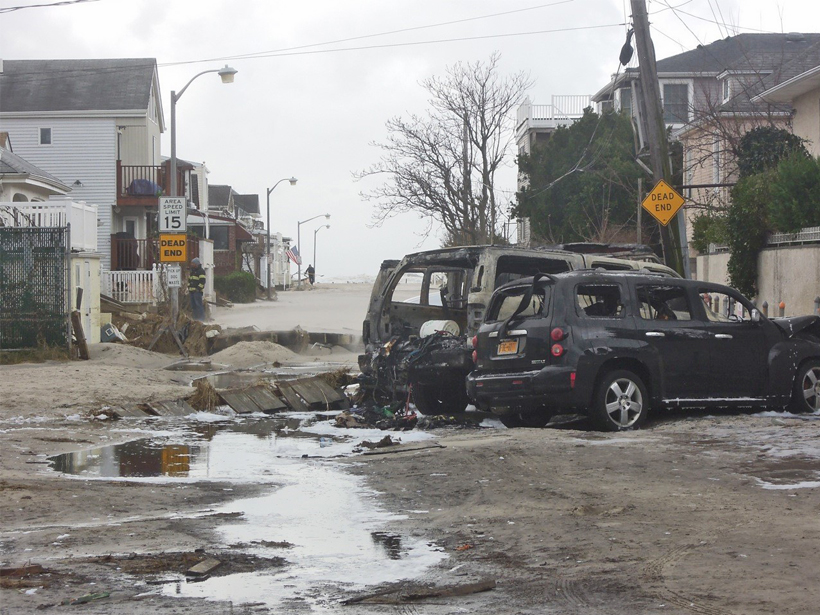
Communicating Hurricane Risks: Challenges and Recommendations

by J. R. Marlon, E. C. Farmer and S. Moran 18 November 20157 March 2024

NOAA/Sea Grant Coastal Storm Awareness Program (CSAP ) Final Workshop; Newark, New Jersey, 26–27 May 2015
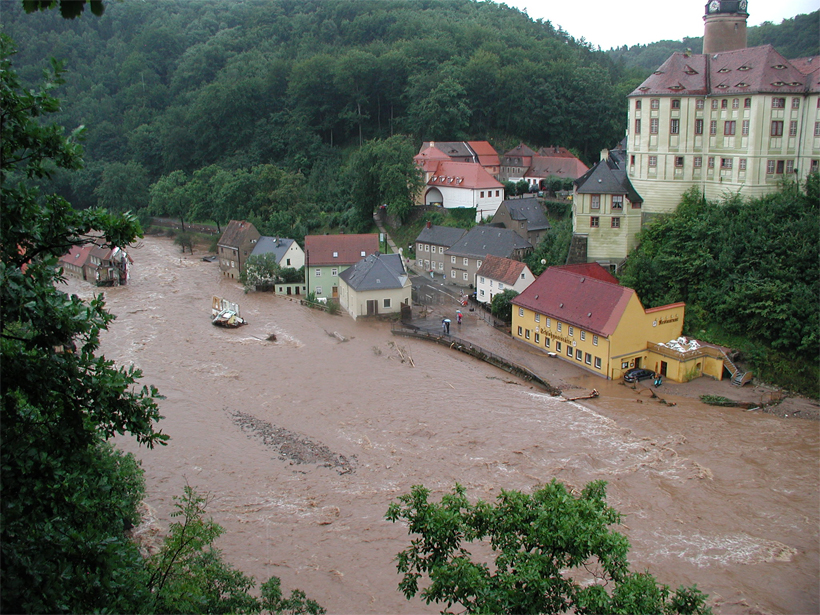
Image of flooding in the Ore Mountains in Germany from August 2002
Posted inResearch Spotlights

The Element of Surprise in Managing Flood Risk

by L. Strelich 12 November 20157 March 2024

A social science perspective on unpredictable flood risk systems may help us expect the unexpected and mitigate flood damage.

Posts pagination

Newer posts 1 2 3
Over a dark blue-green square appear the words Special Report: The State of the Science 1 Year On.

Features from AGU Publications

Research Spotlights

In Alaska, Wildfires Help Prevent Future Burns. Will That Feedback Loop Hold?

24 September 202625 September 2026
Editors' Highlights

Reducing Uncertainty in Groundwater Models Using Airborne Geophysics

28 September 202625 September 2026
Editors' Vox

In Appreciation of AGU’s Outstanding Reviewers of 2025

14 September 202610 September 2026
Eos logo at left; AGU logo at right

About Eos
ENGAGE
Awards
Contact

Advertise
Submit
Career Center
Sitemap

© 2026 American Geophysical Union. All rights reserved Powered by Newspack