
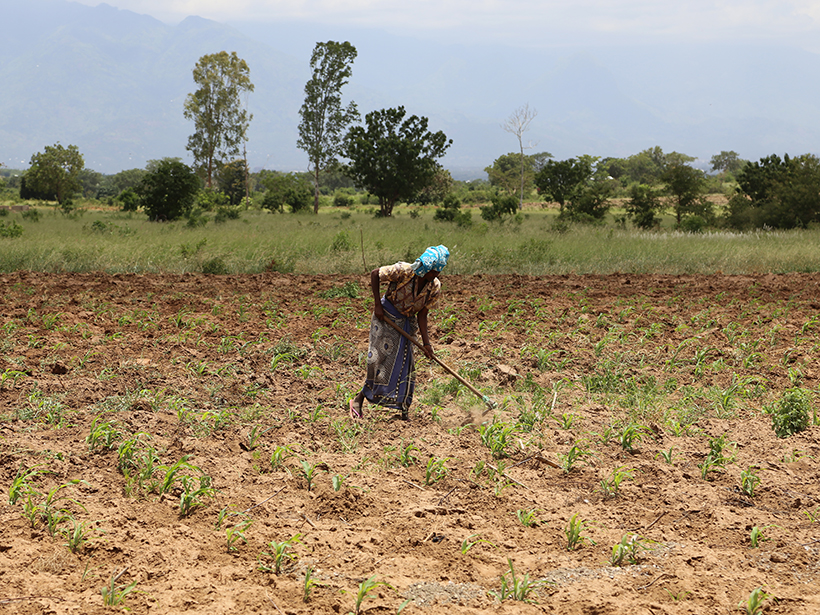
An innovative program focused on collaboration and capacity building is looking to improve outcomes for smallholder farmers, reduce hunger, and alleviate food insecurity in sub-Saharan Africa.
science policy
Posted inFeatures
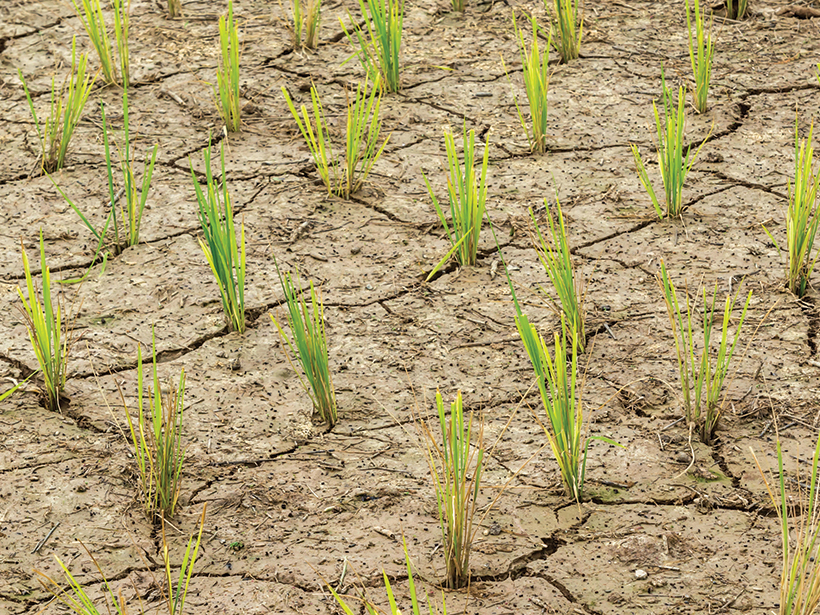
Climate Change Uproots Global Agriculture

Climate change is shifting where ideal growing conditions exist and is leaving farmers behind. How can we secure our future food supply and support the people who grow it?
Posted inGeoFIZZ
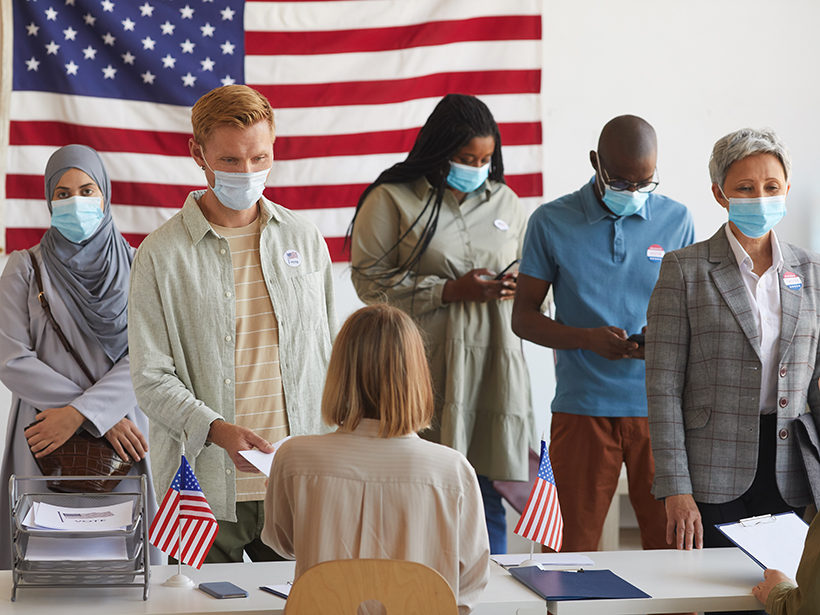
Scientists Are Primed for Poll Positions
Scientists and science communicators can lend their expertise to a growing shortage of poll workers in the United States.

Posted inNews
Cómo convertir nuestras ciudades en Treetopias
Estamos y seguiremos plantando más árboles callejeros, arboledas urbanas y cúmulos informales de árboles en nuestros parques y espacios verdes. La Treetopia ha comenzado.
Posted inEditors' Highlights
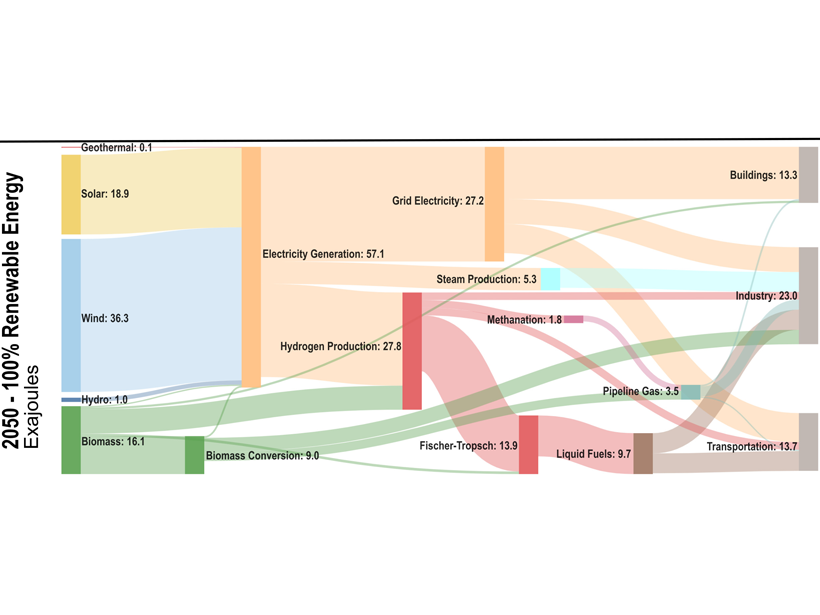
Deep Decarbonization? Yes We Can!

Modeling the U.S. energy system demonstrates several pathways to net-zero CO2 emissions by 2050. The pathway with the lowest cost, 0.2–1.2% of GDP, relies on >80% contribution of renewables.
Posted inNews
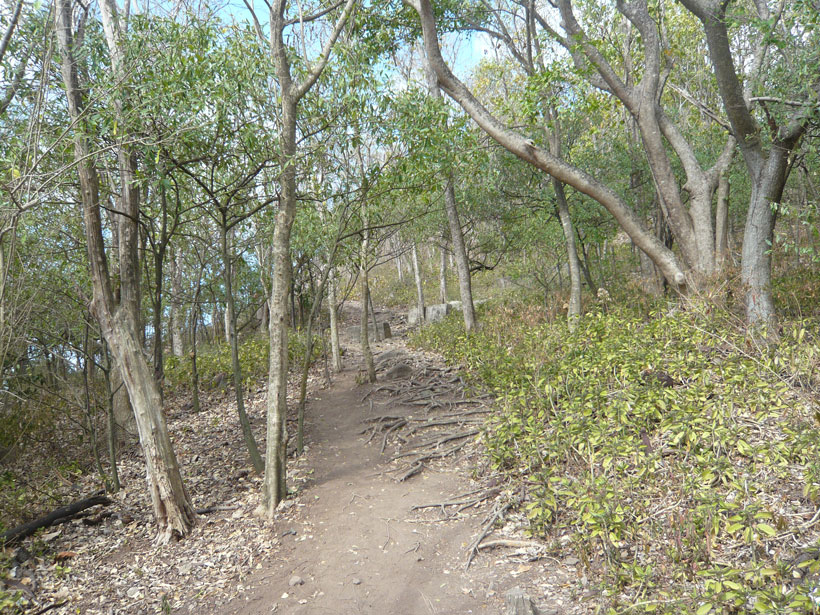
Empeora la Crisis Hídrica en el Caribe Oriental
Científicos, políticos y pobladores temen que la actual escasez de agua y los largos períodos de sequía puedan empeorar a medida que cambie el clima y que el Acuerdo de París se haya quedado corto.

Posted inNews
The Best of Eos in 2020
What Earth and space science stories stood out this year, and what are we looking forward to in 2021?

Posted inNews
The Debate over the United Nations’ Energy Emissions Projections

A new study finds the economic factor driving the divergence between emissions trajectories in climate assessments and reality.
Posted inNews
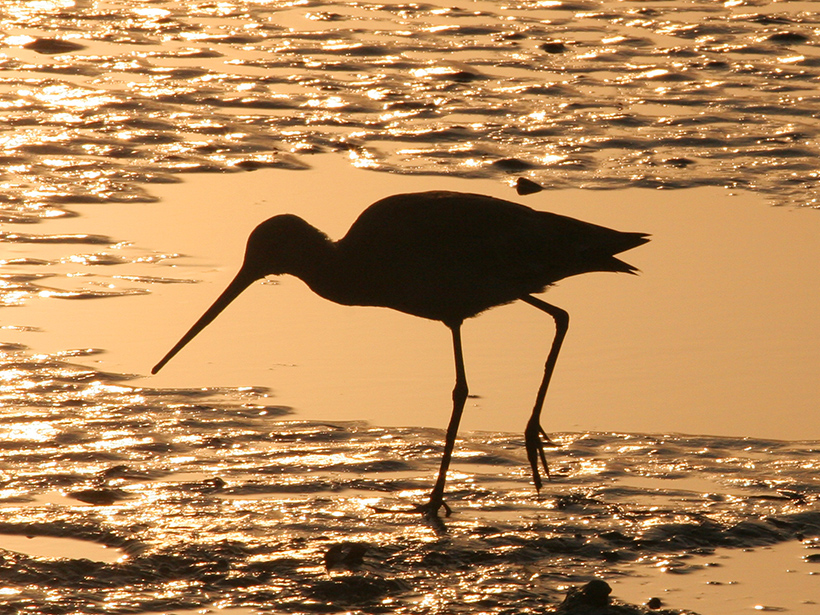
Human Activity Makes India’s Coastlines More Vulnerable
Researchers propose the creation of an anthropogenic vulnerability index to help guide conservation policy decisions.

Posted inNews
Podcast: From Athlete to Astronaut

Leland Melvin proves that dedication and hard work can help anyone overcome the odds.